BR Global Trade — Verified Supplier
About BR Global Trade - Frozen Food Supplier in India
India hosts BR Global Trade, which lists 21 distinct products across frozen foods, snack‑type tableware and related packaging. The catalogue spans categories such as IQF frozen vegetables, frozen Indian breads, paneer, various frozen meats, and biodegradable food containers. Each entry is grouped under relevant HS‑code families, for example frozen pangasius steak (HS 0304.62) and solar‑dried fish (HS 0305.39). The supplier also references compliance with BRC, GMP, KOSHER, HACCP, ISO 22000, US FDA and FSSAI standards through its associated manufacturing facilities.
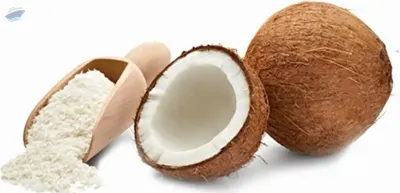
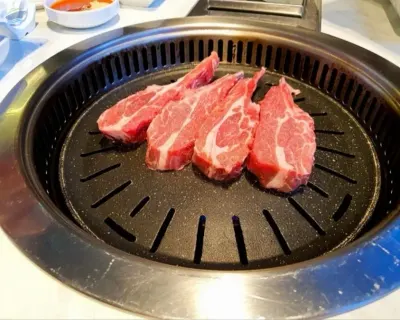
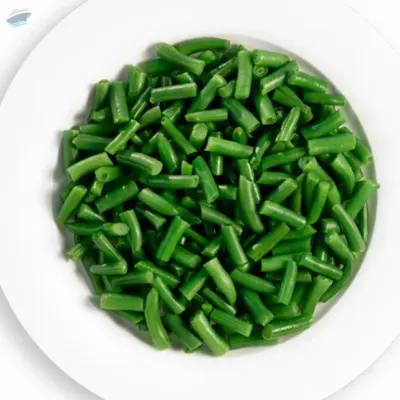
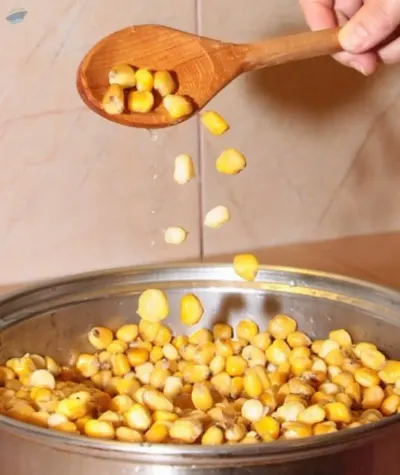
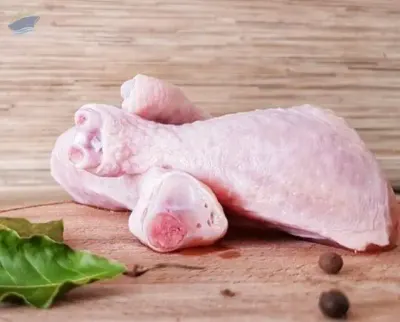
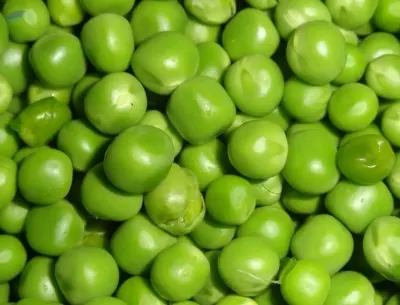
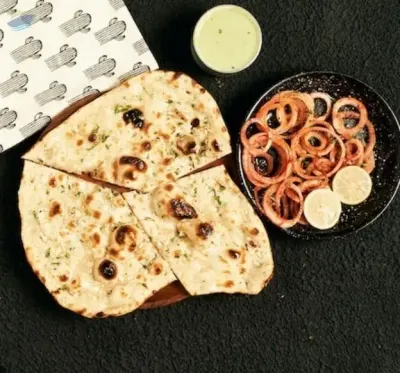
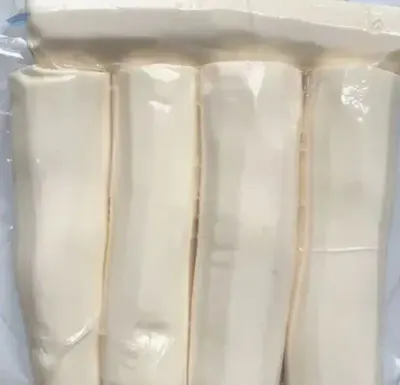
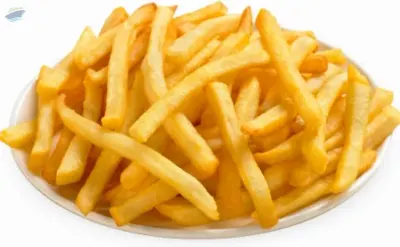
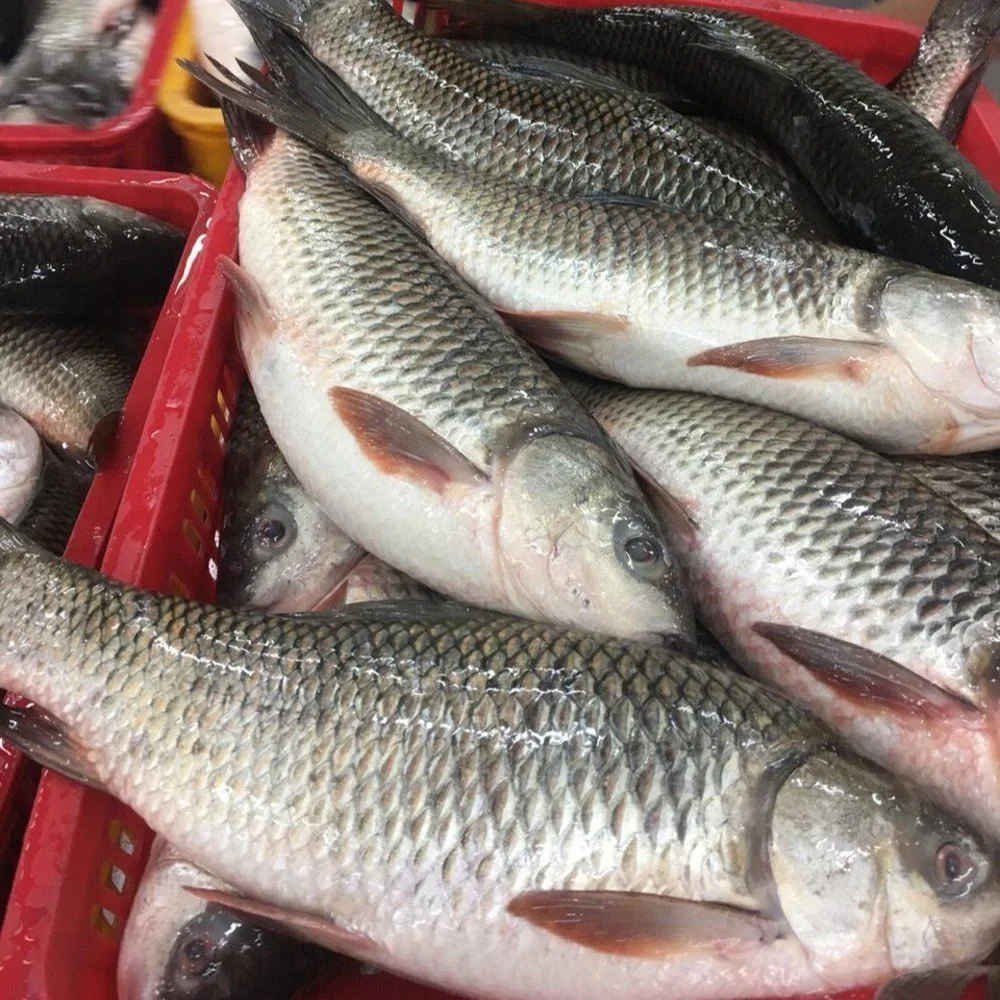
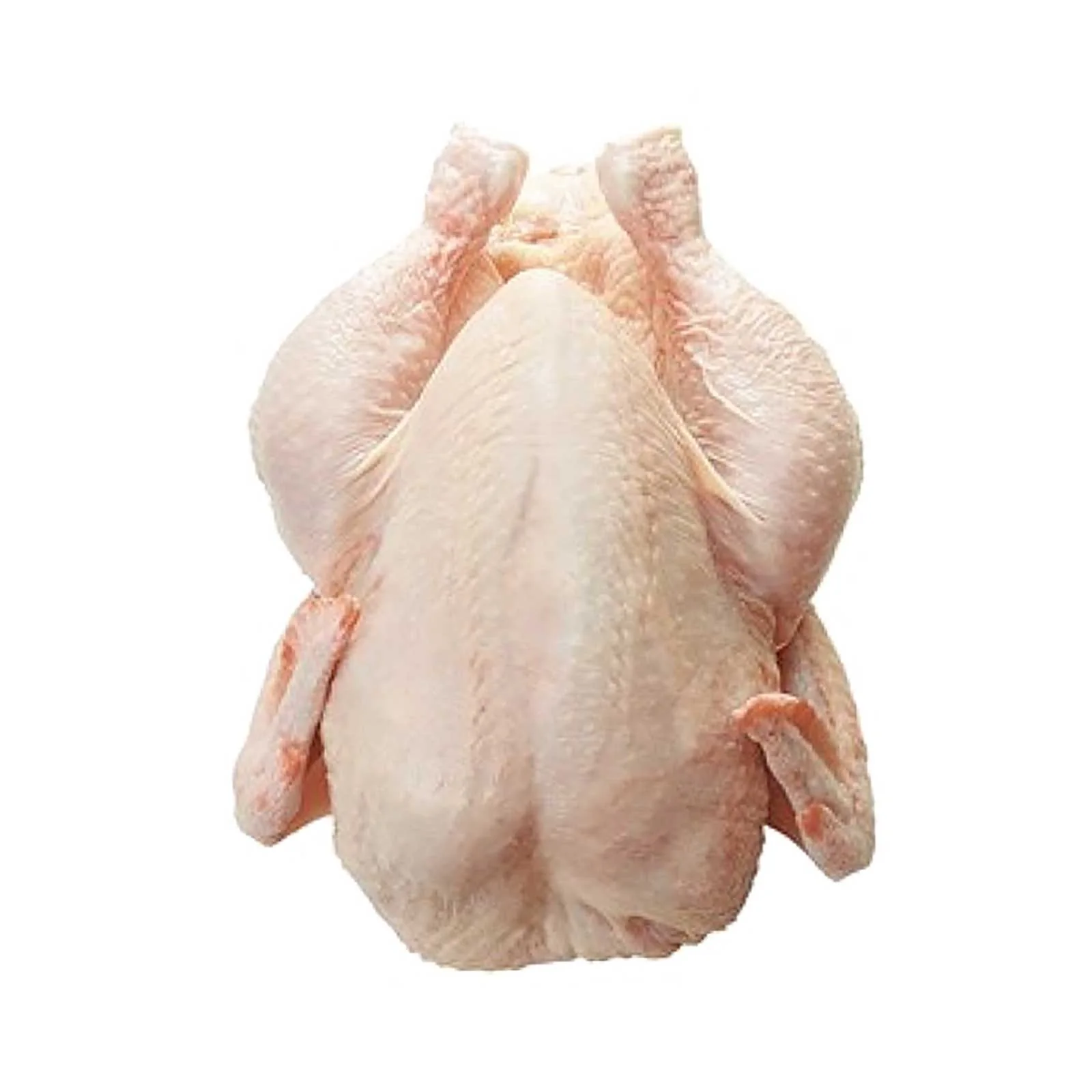
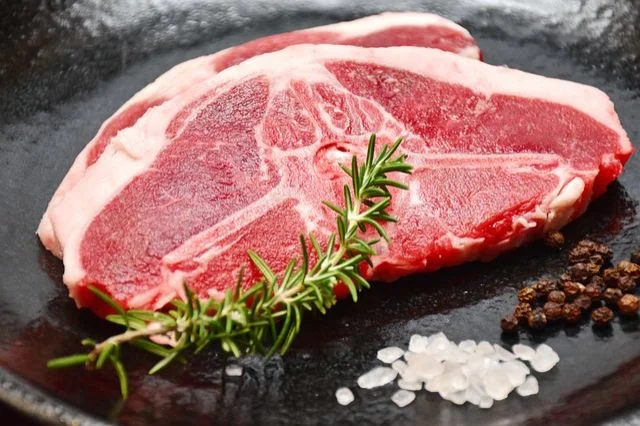
The product list includes Paper Food Container, Areca Palm Leaf Plates, Bagasse Tableware, Disposable Paper Cups, Frozen Mixed Vegetables, Frozen Flat Indian Bread (Paratha), Frozen Paneer, Frozen Indian Buffalo Meat, Frozen Pangasius Steak (HS 0304.62), Frozen Jackfruit, Frozen Shredded Coconut, Frozen Pangasius Fish Fillets, Solar Dried Fish (HS 0305.39), Frozen French Fries, Frozen Tapioca, Frozen Tandoor Naan, Frozen Green Peas, Frozen Chicken, Frozen Sweet Corn, Frozen Cut Green Beans, and Frozen & Chilled Lamb Meat. These items represent a mix of ready‑to‑cook meals, protein sources and eco‑friendly serving ware aimed at export markets.
Product Range and Specialties of BR Global Trade
The catalogue reflects two broad streams: frozen food products and biodegradable food service items. Frozen items such as mixed vegetables, paneer, chicken, beef, lamb and various fish are typically processed under IQF technology, stored at - 18 °C or lower, and graded by visual appearance, ice glaze thickness (usually 2 - 3 mm) and microbiological limits (e.g., total plate count < 10⁴ CFU/g for fish). Indian frozen breads like Paratha and Naan are usually produced with a moisture content of 30‑35 % and packaged in vacuum‑sealed bags to retain freshness. Paneer is commonly offered with a minimum fat content of 18 % and a pH of 5.5‑6.0, while frozen meats require a lean‑to‑fat ratio that meets import country standards (e.g., 70 % lean for beef).
Paper Food Container, Areca Palm Leaf Plates and Bagasse Tableware are made from agricultural residues, meeting FDA food‑contact regulations and often certified to ASTM D‑6400 for compostability. Typical specifications include a thickness of 0.4‑0.6 mm, weight 8‑12 g per plate, and a maximum heat resistance of 120 °C, allowing use in microwave and oven applications. These items are usually packed in cardboard cartons of 500‑1000 units per carton, suitable for sea or air freight.
Trade and Export Information - BR Global Trade
Indian exporters of frozen foods commonly ship to the Middle East, Europe and North America, where demand for ready‑to‑cook Indian cuisine is growing. HS chapter 03 (fish and crustaceans) and chapter 07 (vegetables) are the primary tariff classifications; the supplier’s pangasius steak falls under HS 0304.62 and solar‑dried fish under HS 0305.39, both of which may require phytosanitary certificates and, for the EU, compliance with the EU Fishery Regulation. Buyers typically request BRC Global Standard for Food Safety, HACCP plans, ISO 22000 certificates and, for US markets, FDA prior notice. Packaging for frozen products follows insulated liners with gel packs for air freight or 20‑ft refrigerated containers (reefers) for sea freight, often under FOB or CIF Incoterms. Export logistics from Indian ports such as Mumbai or Chennai include cold‑chain handling, customs clearance with a Certificate of Origin, and optional pre‑shipment inspection reports as stated by the supplier.
Sourcing from BR Global Trade - Buyer Guidance
When sourcing from BR Global Trade, buyers should request the latest BRC or HACCP audit reports, a full specification sheet (including temperature log, ice glaze thickness, moisture content and microbiological limits), and a Certificate of Analysis from an accredited lab. Samples of frozen items are usually shipped on dry ice in a 40‑ft reefer container, with a typical lead time of 30‑45 days from order confirmation. Verify that the supplier can provide a Bill of Lading, packing list, and, where required, a sanitary certificate for fish products before finalizing the purchase order.
Frequently Asked Questions About BR Global Trade
What frozen vegetable products does BR Global Trade offer and what are their typical specifications?
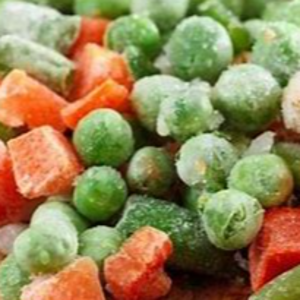
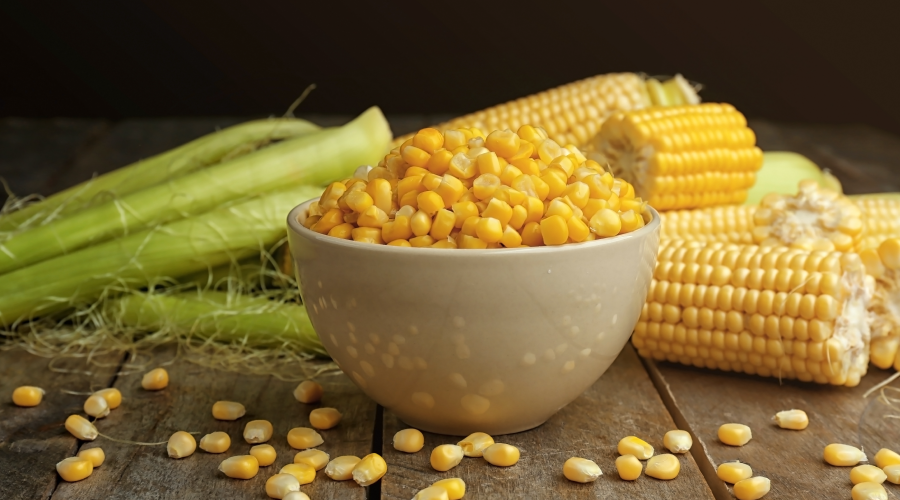
The catalogue lists Frozen Mixed Vegetables, Frozen Green Peas, Frozen Sweet Corn, Frozen Cut Green Beans and Frozen French Fries. These are IQF‑processed, stored at - 18 °C, with an ice glaze of 2‑3 mm, moisture content below 75 % and microbiological limits in line with BRC standards.
Which certifications are associated with the supplier’s facilities?
BR Global Trade’s associated facilities are reported to comply with BRC, GMP, KOSHER, HACCP, ISO 22000, US FDA, FSSAI and ISO 9001. Buyers should request the latest audit certificates to confirm current compliance.
What HS codes apply to the fish products in the catalogue?
The frozen pangasius steak is classified under HS 0304.62 and the solar‑dried fish under HS 0305.39. Both codes fall within chapter 03, which governs fish and other aquatic products.
What packaging formats are used for the biodegradable tableware?
Paper Food Containers, Areca Palm Leaf Plates and Bagasse Tableware are supplied in cardboard cartons containing 500‑1000 units each. The plates typically have a thickness of 0.4‑0.6 mm and are certified to ASTM D‑6400 for compostability.
What are the typical minimum order quantities (MOQ) for frozen meat items?
For frozen Indian buffalo meat, frozen chicken, frozen beef and frozen lamb, the usual MOQ is 500 kg per SKU, which translates to roughly 20‑25 standard 20‑ft reefers depending on product density.
How are the frozen products shipped to maintain quality?
Perishable items are shipped in insulated containers with gel packs for air freight or in 20‑ft refrigerated containers (reefers) set at - 18 °C for sea freight. Temperature monitoring devices are placed in the cargo to ensure compliance throughout transit.
What documentation should a buyer request before placing an order?
Buyers should obtain a Certificate of Origin, a Bill of Lading, the latest BRC/HACCP audit report, a lab‑tested Certificate of Analysis for each product, and, for fish items, a phytosanitary certificate.
Can samples be provided and how are they delivered?
Yes, samples of frozen foods can be sent on dry ice in a small insulated box, typically arriving within 7‑10 days by air freight. Sample requests should specify the product code and desired quantity (e.g., 5 kg).




 , India