Agriculture›
 Apparel and fashion accessories›
 Construction & real estate›💡Electronic & Electrical›🍎Food & Beverages›🛋️Home furnishing & supplies›⚗️Industrial goods & chemical›🪨Minerals & metals›📦Miscellaneous›Agriculture›Apparel and fashion accessories›Construction & real estate›💡Electronic & Electrical›🍎Food & Beverages›🛋️Home furnishing & supplies›⚗️Industrial goods & chemical›🪨Minerals & metals›📦Miscellaneous›
Bio Dung Trading Llc Product Catalog

About Bio Dung Trading Llc - Fertilizers Supplier in Germany
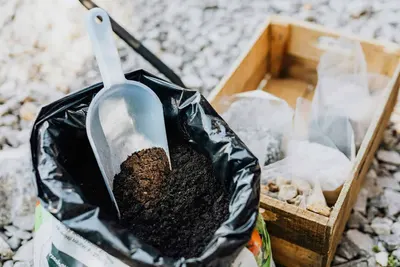
Based in Germany, Bio Dung Trading Llc lists six active fertilizer products. The portfolio includes Organic Fertilizer, Energy Boost Fertilizer, Chicken Boost Fertilizer, Organic Horse Fertilizer, High Energy Fertilizer, and Energy Boost Fertiliser. All items fall under the broad categories of Fertilizers and Organic Fertilizers as indicated in the supplier’s top categories. The catalogue does not provide individual HS codes, but fertilizers of this type are generally classified under HS chapter 31, especially headings 3105 (Mineral fertilizers) and 3106 (Compound fertilizers).
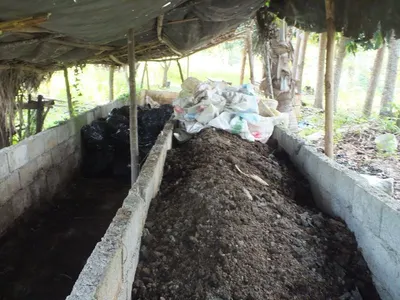
The supplier’s product set combines conventional and organic formulations aimed at different crop and livestock applications. Organic Fertilizer and Organic Horse Fertilizer are positioned as nutrient sources derived from plant or animal residues, while Energy Boost and High Energy variants suggest higher nitrogen or rapid‑release profiles. The inclusion of Chicken Boost Fertilizer indicates a livestock‑based organic amendment. The product list reflects a focus on both soil enrichment and specialized feed‑stock recycling.
Product Range and Specialties of Bio Dung Trading Llc
Bio Dung Trading Llc’s catalogue covers a mix of organic and mineral‑based fertilizers. In the German and wider EU market, organic fertilizers are typically required to contain a minimum of 30 % organic matter and to meet EU Regulation 2003/2003 limits on heavy metals such as cadmium (< 0.1 mg kg‑1). Conventional blends like Energy Boost Fertilizer often target N‑P‑K ratios such as 20‑10‑10 or 30‑10‑10, with soluble nitrogen (NH₄⁺/NO₃⁻) contents above 20 % by weight.
Industry standards for bulk fertilizer shipments prescribe bag sizes of 25 kg, 50 kg, or 1 tonne, and bulk handling in 20‑ft or 40‑ft containers with moisture content below 10 %. Typical quality parameters include pH (5.5 - 7.5 for organic blends), EC (electrical conductivity) between 1.0 and 3.0 dS m‑1, and nutrient analysis according to ISO 17294‑2. Buyers often request a Certificate of Analysis (CoA) that details nitrogen, phosphorus, potassium, and trace element levels.
Frequently Asked Questions About Bio Dung Trading Llc
What fertilizer types are listed by Bio Dung Trading Llc?
The catalogue includes Organic Fertilizer, Energy Boost Fertilizer, Chicken Boost Fertilizer, Organic Horse Fertilizer, High Energy Fertilizer, and Energy Boost Fertiliser. These products cover both organic amendments and high‑nitrogen mineral blends.
Which HS code headings are relevant for these products?
Fertilizer products from Germany are generally classified under HS chapter 31. The most common headings are 3105 for mineral fertilizers and 3106 for compound or blended fertilizers.
What nutrient specifications should a buyer verify for the Energy Boost Fertilizer?
Buyers should check the N‑P‑K ratio, typically around 20‑10‑10 or 30‑10‑10, and confirm soluble nitrogen content above 20 % by weight. EC values should fall within the 1.0 - 3.0 dS m‑1 range for consistent performance.
Are there any certifications commonly required for the organic fertilizers?
Organic fertilizers exported from the EU usually need EU organic certification and must comply with Regulation 2003/2003 limits on heavy metals. Buyers often request the certification document together with a Certificate of Analysis.
What packaging formats are standard for these fertilizers?
Standard packaging includes 25 kg or 50 kg polyethylene bags, which can be palletized for container loading. Bulk shipments may also use 1‑tonne sacks for larger orders.
 Germany
Related Suppliers & Products
Explore similar suppliers, related products and trending categories