Best Lotu Seed Company — Verified Supplier
About Best Lotu Seed Company - Flower Seeds Supplier in China
China, with an active catalog of five products, supplies a range of lotus‑derived goods. Best Lotu Seed Company lists sliced lotus root chips, fresh lotus root rhizomes, red lotus seed kernels, dried handmade white lotus seeds, and a lotus seedpod thresher. The product set covers both fresh vegetables and processed seed products derived from the lotus plant. All items are presented under the broader flower‑seed segment in the supplier profile. The catalogue does not include other seed varieties beyond lotus.
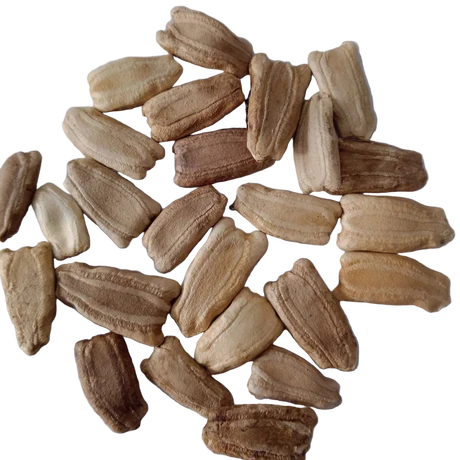
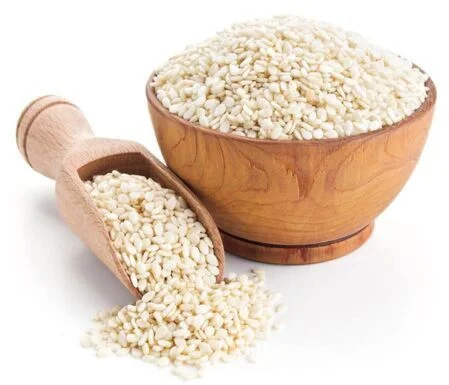
The five items are described without specific HS codes in the supplied data. The sliced lotus root chips are vegetable chips intended for snack or culinary use. Fresh lotus root is a whole rhizome sold as a fresh vegetable. Red lotus seed kernels are processed nut‑like seeds, while the dried handmade white lotus seeds are a traditional dried snack. The lotus seedpod thresher is a piece of processing equipment related to seed handling.
Product Range and Specialties of Best Lotu Seed Company
The catalogue includes sliced lotus root chips, fresh lotus root rhizomes, red lotus seed kernels, dried handmade white lotus seeds, and a lotus seedpod thresher. In the broader market, lotus root chips are typically sliced 2‑4 mm thick, dried to a moisture level below 5 % and may be vacuum‑packed in polyethylene bags of 10 kg each. Fresh lotus root is usually graded by size (diameter 30‑60 mm) and firmness, with a recommended refrigerated transport temperature of 0‑4 °C. Red lotus seed kernels are commonly classified as Grade A when they are uniform in size (6‑8 mm) and have a moisture content under 12 %, while dried white lotus seeds are sold in bulk bags (20 kg) with moisture below 10 % and free from mold. The seedpod thresher is a mechanical device rated for processing capacities of 1‑2 tonnes per hour, typically powered by a 3‑phase motor.
Trade and Export Information - Best Lotu Seed Company
China is a major exporter of lotus food products, supplying Southeast Asian markets, the Middle East, and European Union countries that use lotus in culinary and traditional medicine applications. Fresh vegetables such as lotus root fall under HS chapter 08, while processed seeds and nuts belong to HS chapter 12, and equipment like the seedpod thresher is classified under HS chapter 84. Buyers usually request phytosanitary certificates, origin certificates, and compliance with food‑safety standards such as ISO 22000 or HACCP. Export shipments are commonly packed in 20‑ft or 40‑ft containers, with the vegetable items placed in insulated, ventilated pallets and the seed products in moisture‑controlled bulk bags. The Chinese export framework requires inspection by the General Administration of Customs and may involve mandatory testing for pesticide residues and heavy metals before clearance.
Sourcing from Best Lotu Seed Company - Buyer Guidance
When sourcing lotus products from this supplier, request a product data sheet that lists moisture content, size grading, and any processing aids used. Ask for recent laboratory reports covering pesticide residues, aflatoxin levels, and heavy‑metal limits to verify compliance with EU or US food‑safety regulations. A phytosanitary certificate and a certificate of origin should be obtained before shipment; these documents are standard for fresh vegetables and seed products. For the seedpod thresher, request the machine specifications, power rating, and a test report confirming performance at the advertised capacity. Verify the packaging method (e.g., 10 kg vacuum bags for chips, 20 kg bulk bags for seeds) and confirm the Incoterm (CIF, FOB) that will be applied.
Frequently Asked Questions About Best Lotu Seed Company
What lotus products does Best Lotu Seed Company list in its catalogue?
The catalogue contains sliced lotus root chips, fresh lotus root rhizomes, red lotus seed kernels, dried handmade white lotus seeds, and a lotus seedpod thresher.
How many distinct products are offered?
Five distinct items are listed in the supplier's active product count.
Which certifications should a buyer request for the food items?
Buyers should request ISO 22000 or HACCP certification, a phytosanitary certificate, and recent laboratory test reports for pesticide residues and heavy‑metal limits.
What are typical moisture specifications for lotus root chips and dried lotus seeds?
Lotus root chips are usually dried to less than 5 % moisture, while dried white lotus seeds are marketed with moisture below 10 % to prevent mold growth.
What packaging formats are common for these lotus products?
Chip products are often packed in 10 kg vacuum‑sealed polyethylene bags; dried seeds are shipped in 20 kg bulk bags; fresh lotus root is palletized in refrigerated containers with insulated liners.
What equipment specifications are relevant for the lotus seedpod thresher?
The thresher is typically rated for a processing capacity of 1‑2 tonnes per hour and powered by a three‑phase motor, with safety guards and easy‑change blades.
Which markets commonly import Chinese lotus food products?
Key import regions include Southeast Asia, the Middle East, the European Union, and North America, where lotus is used in both culinary dishes and traditional health products.
What documentation is needed for customs clearance of the seed products?
Customs usually requires a certificate of origin, a phytosanitary certificate, and compliance documents referencing HS chapter 12 for seeds, along with any required food‑safety test reports.




 , China