Agriculture›
 Apparel and fashion accessories›
 Construction & real estate›💡Electronic & Electrical›🍎Food & Beverages›🛋️Home furnishing & supplies›⚗️Industrial goods & chemical›🪨Minerals & metals›📦Miscellaneous›Agriculture›Apparel and fashion accessories›Construction & real estate›💡Electronic & Electrical›🍎Food & Beverages›🛋️Home furnishing & supplies›⚗️Industrial goods & chemical›🪨Minerals & metals›📦Miscellaneous›
Baoding Huayue Rubber Belts Co., Ltd.
⚓ Harbor , ChinaNew supplier / no reviews yet
Baoding Huayue Rubber Belts Co., Ltd. Product Catalog
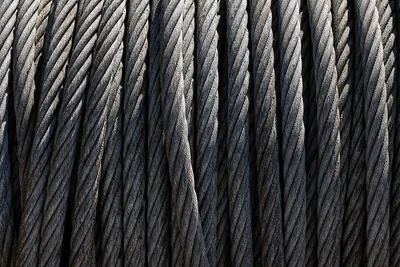
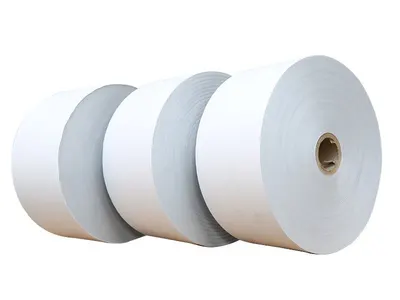
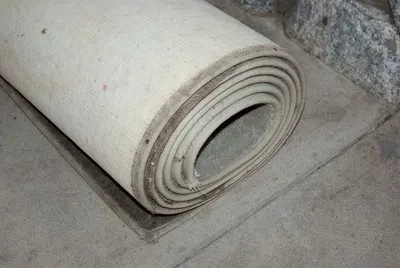
About Baoding Huayue Rubber Belts Co., Ltd. - Conveyor Belts Supplier in China
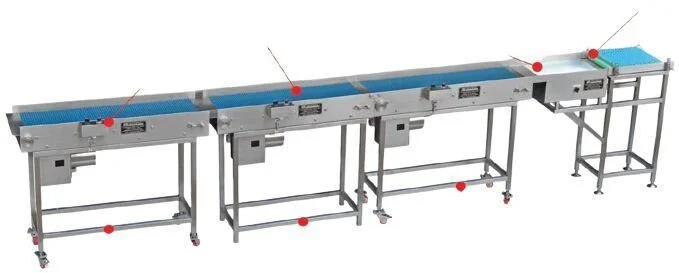
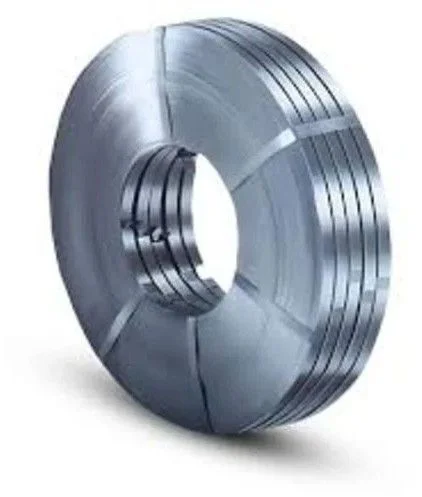
Based in China, Baoding Huayue Rubber Belts Co., Ltd. currently lists 14 active conveyor belt products. The catalogue is organized under the broader categories of Agriculture, Knitted & Woven Fabrics, and Conveyor Systems & Parts, with each item identified by its functional description rather than a numeric code. The product set includes a mix of fabric‑based belts, steel‑cord reinforced belts, and specialty belts designed for temperature or chemical resistance. All items fall within the general HS‑code chapter 84 (machinery for handling, moving or transporting materials).
The supplier’s portfolio features EP Nylon Conveyor Belt, Fire Resistant Fabric Conveyor Belt, Oil Resistant Fabric Conveyor Belt, Cold Resistant Fabric Conveyor Belt, Chemical Resistant Fabric Conveyor Belt, Cotton Conveyor Belt, Pattern (Chevron) Conveyor Belt, Sidewall Conveyor Belt, Steep Angle Sidewall Conveyor Belt, Heat & Acid‑alkali Resistant Conveyor Belt, Anti‑Abrasive Conveyor Belt, PVG Conveyor Belt, Heat Resistant Steel Cord Conveyor Belt and Elevator Steel Cord Conveyor Belt. Each product is presented without explicit performance data, leaving buyers to request detailed specifications such as tensile strength, temperature range, and belt width. The listing does not include any declared certifications or third‑party test reports.
Product Range and Specialties of Baoding Huayue Rubber Belts Co., Ltd.
The catalogue covers fabric‑based belts (often PVC‑coated polyester or nylon) and steel‑cord reinforced belts used in high‑temperature or heavy‑load applications. In the industry, fabric belts are typically supplied in widths from 300 mm to 1200 mm, thicknesses between 2 mm and 12 mm, and tensile strengths ranging from 150 N/mm² for standard polyester to over 300 N/mm² for steel‑cord constructions. Fire‑resistant belts commonly meet EN 13891 standards with flame‑spread classifications of R‑ or V‑class, while chemical‑resistant belts are formulated to resist acids, alkalis and oils, often complying with ASTM D6413 for flame resistance and ASTM D226 for oil resistance. Heat‑resistant steel‑cord belts usually tolerate continuous operating temperatures of 120 °C to 150 °C and are built to ISO 9001 quality management practices when supplied by reputable manufacturers. Buyers typically request data on belt weight per meter (kg/m), maximum load capacity, and recommended pulley diameters for each belt type.
Frequently Asked Questions About Baoding Huayue Rubber Belts Co., Ltd.
What types of conveyor belts does Baoding Huayue offer?
The supplier lists 14 belt types, including EP Nylon, fire‑resistant fabric, oil‑resistant fabric, cold‑resistant fabric, chemical‑resistant fabric, cotton, chevron pattern, sidewall, steep‑angle sidewall, heat & acid‑alkali resistant, anti‑abrasive, PVG, heat‑resistant steel‑cord and elevator steel‑cord belts.
Are the belts suitable for high‑temperature applications?
Heat‑Resistant Steel Cord and Heat & Acid‑alkali Resistant belts are designed for continuous temperatures up to 120 °C - 150 °C. Buyers should confirm the exact temperature rating in the supplier’s technical sheet.
What certifications should I request for these belts?
Typical certifications include ISO 9001 quality management, CE marking for European markets, and UL listing for North America. Request copies of any certificates the supplier holds, and verify test reports for fire, oil or chemical resistance as applicable.
What is the usual minimum order quantity (MOQ) and lead time?
MOQs for fabric‑based belts often start at one roll (approximately 25 m), while steel‑cord belts may require a minimum of two rolls. Lead times reported by Chinese manufacturers range from 25 to 45 days after order confirmation, depending on belt type and customization.
How are the belts packaged for export?
Belt rolls are typically wrapped in moisture‑resistant film, banded, and placed on wooden pallets. Pallets are then loaded into 20‑ft or 40‑ft containers, with weight distribution calculated to meet shipping regulations.
ChinaRelated Suppliers & Products
Explore similar suppliers, related products and trending categories