Agriculture›
 Apparel and fashion accessories›
 Construction & real estate›💡Electronic & Electrical›🍎Food & Beverages›🛋️Home furnishing & supplies›⚗️Industrial goods & chemical›🪨Minerals & metals›📦Miscellaneous›Agriculture›Apparel and fashion accessories›Construction & real estate›💡Electronic & Electrical›🍎Food & Beverages›🛋️Home furnishing & supplies›⚗️Industrial goods & chemical›🪨Minerals & metals›📦Miscellaneous›
Bajaj Dyechem Product Catalog

About Bajaj Dyechem - Animal & Cattle Feed Supplier in India
Based in India, Bajaj Dyechem lists five active products across three main categories: Animal & Cattle Feed, Guar Gum, and Optical Brighteners. The catalogue includes Sulphur Dyes, Guar Churi, Guar Korma, Direct Blue/Direct Dyes, and an Optical Brightener. Each entry is grouped under the respective category, with the feed‑related items classified with the animal feed line and the guar products falling under the guar gum segment. The supplier’s product set reflects a focus on chemical additives used in feed formulation, thickening agents, and textile whitening agents.
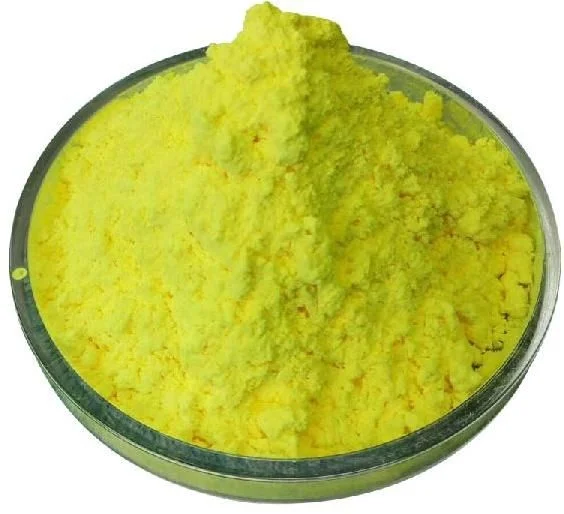
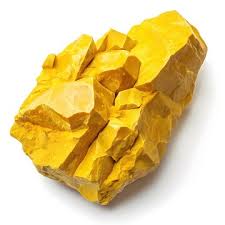
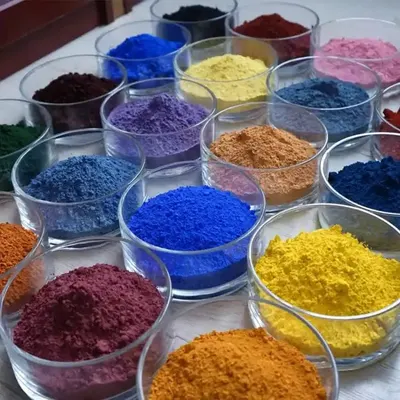
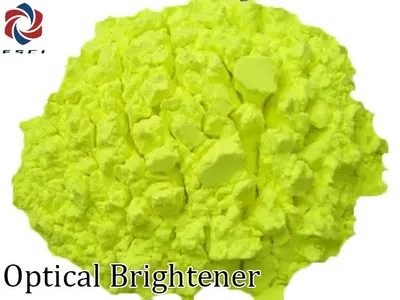
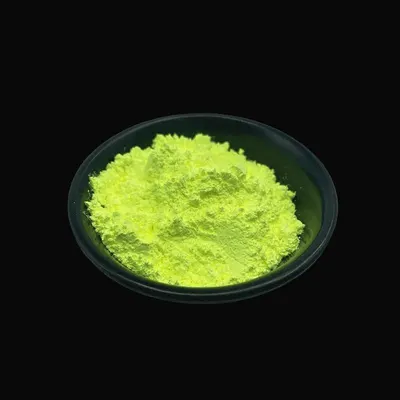
The Sulphur Dyes are positioned as coloring agents for feed and textile applications, while Guar Churi and Guar Korma are processed guar gum derivatives used as binders and viscosity modifiers. Direct Blue and Direct Dyes represent a range of water‑soluble azo pigments commonly employed in dyeing processes. The Optical Brightener is a fluorescent whitening agent added to improve fabric brightness. All five items are listed without additional HS codes in the supplied data, indicating the catalogue is product‑oriented rather than tariff‑focused.
Product Range and Specialties of Bajaj Dyechem
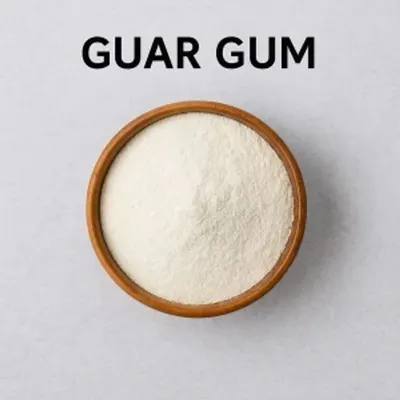
Bajaj Dyechem’s catalogue covers two guar gum derivatives - Guar Churi and Guar Korma - both derived from the endosperm of Cyamopsis tetragonoloba seeds. In the industry, guar gum is typically sold in grades ranging from 70 % to 95 % galactomannan purity, with moisture limits of 12 % and viscosity specifications expressed in centipoise at 2 % solution (often 150 - 300 cP). Animal and cattle feed additives such as Sulphur Dyes are usually formulated to meet feed‑grade purity of 99 % with heavy‑metal limits below 10 ppm. Direct Blue and Direct Dyes belong to the azo‑type direct dye family, where colour strength (K/S) values between 2.0 and 5.0 and fastness ratings of grade 3 - 4 are standard. Optical Brighteners for textiles are typically based on stilbene derivatives that absorb UV at 340 nm and emit at 420 nm, with concentration in the final product of 0.1 - 0.5 % by weight.
Frequently Asked Questions About Bajaj Dyechem
What product categories does Bajaj Dyechem offer?
It lists five products across Animal & Cattle Feed, Guar Gum, and Optical Brighteners, specifically Sulphur Dyes, Guar Churi, Guar Korma, Direct Blue/Direct Dyes, and an Optical Brightener.
Which HS code families are typically associated with these items?
Guar gum products fall under HS 1302, feed colourants under HS 2301, and optical brighteners under HS 3824, reflecting the standard tariff classifications for these chemical categories.
What specifications should buyers verify for Guar Churi and Guar Korma?
Buyers should check galactomannan purity (70‑95 %), moisture ≤12 %, and viscosity in a 2 % solution (150‑300 cP), which are common industry specifications for guar gum derivatives.
What documentation is recommended before ordering Sulphur Dyes?
Request a Material Safety Data Sheet, a batch purity certificate, heavy‑metal analysis (≤10 ppm), and, if the dyes are intended for feed, a Certificate of Analysis that complies with feed‑grade standards.
How are Optical Brighteners typically shipped and what tests are standard?
They are usually packed in 25 kg bags or drums, and buyers should ask for UV‑absorption spectra (peak around 340 nm), emission at about 420 nm, and a concentration verification (0.1‑0.5 % w/w) test report.
 India
Related Suppliers & Products
Explore similar suppliers, related products and trending categories