Asgems — Verified Supplier

About Asgems - Precious & Semi Precious Stones Supplier in India

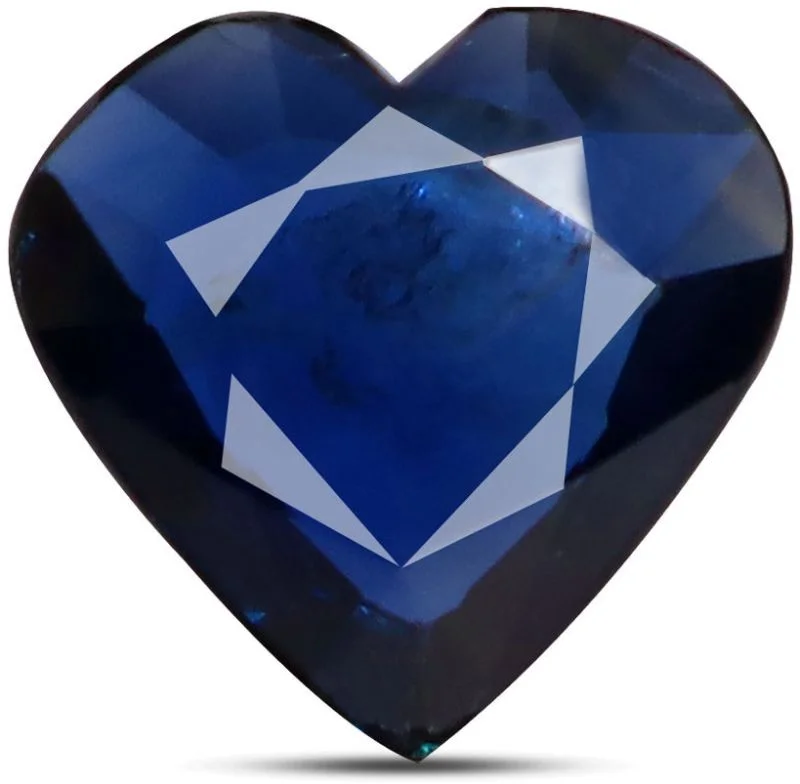
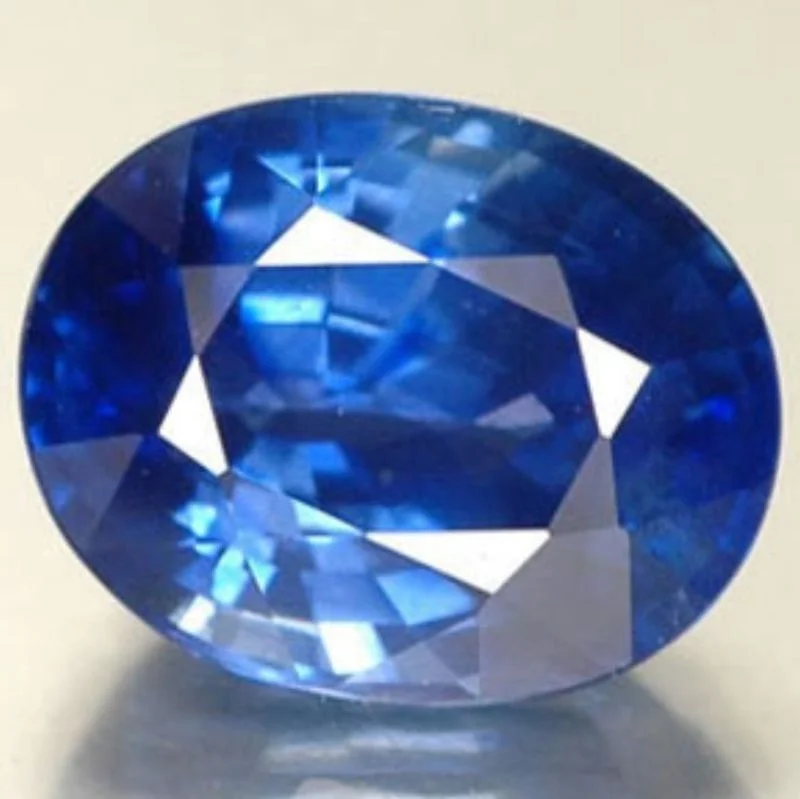
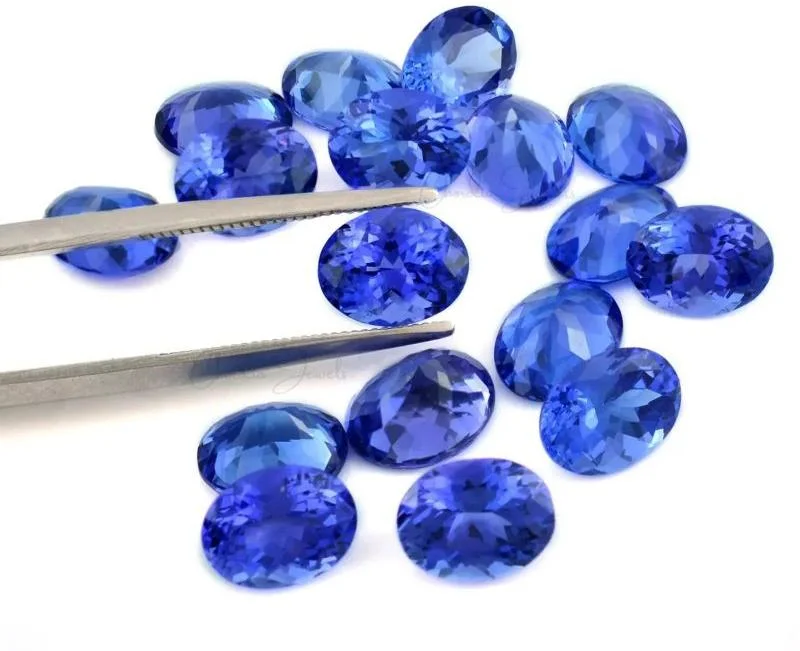
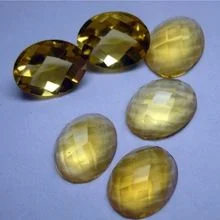
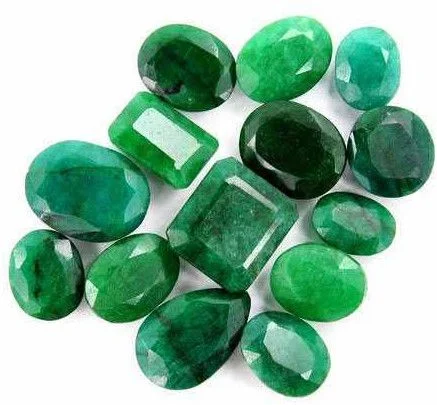
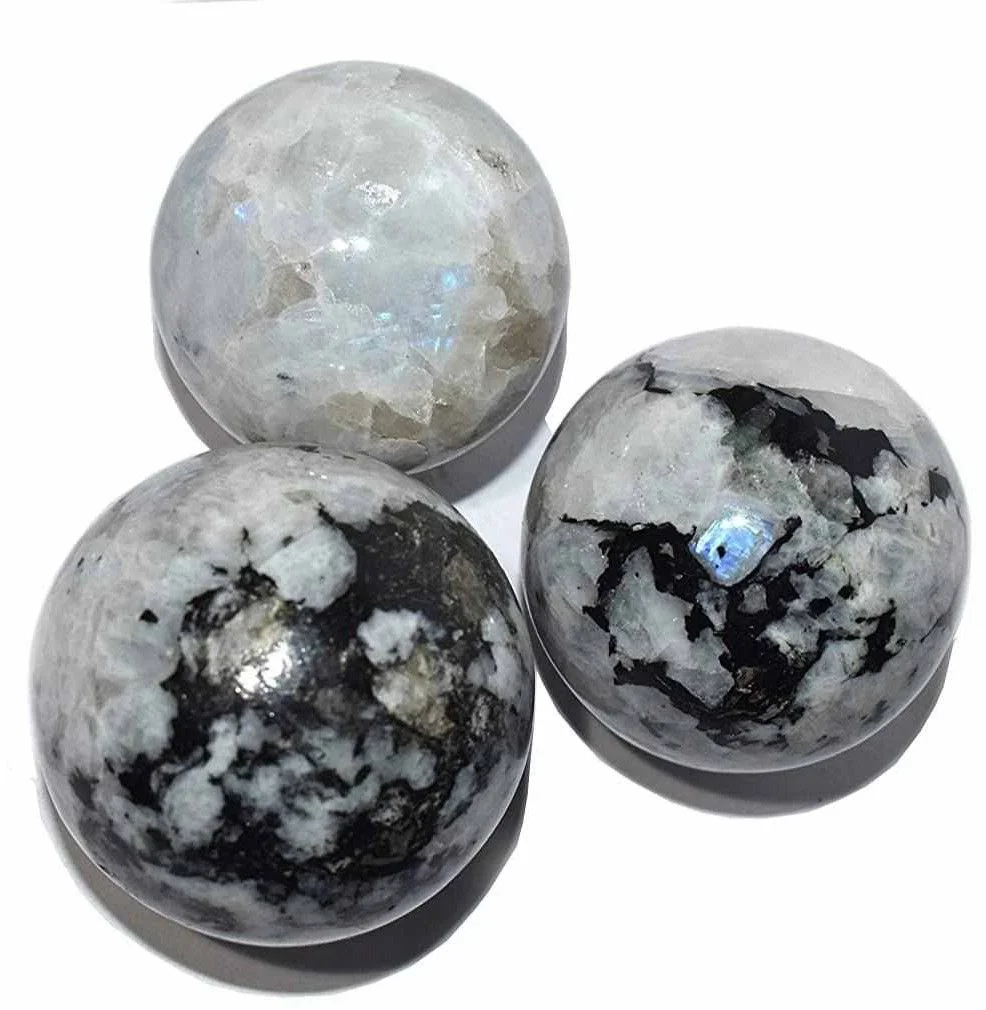
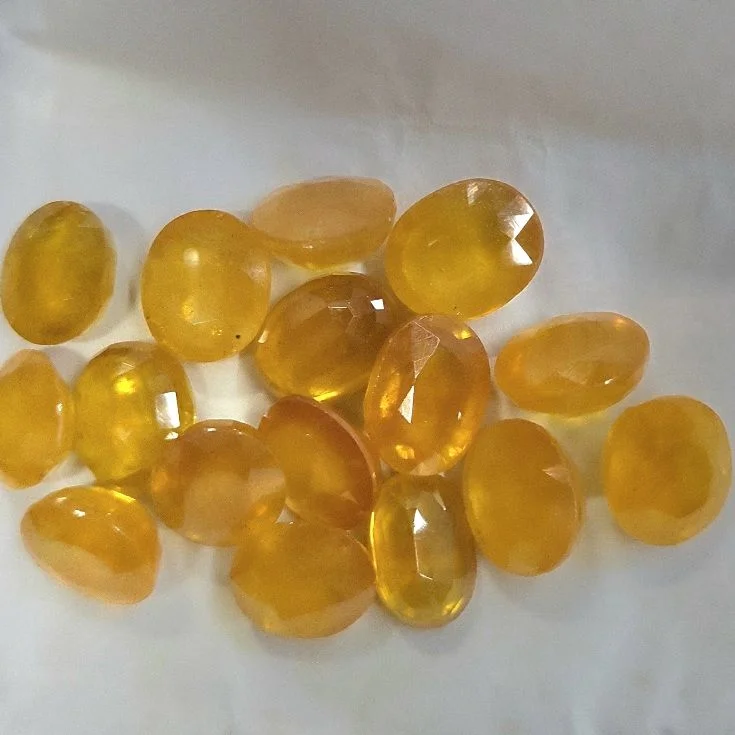
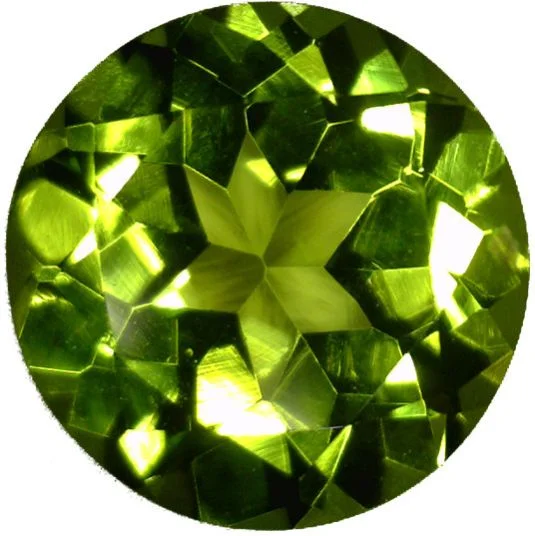
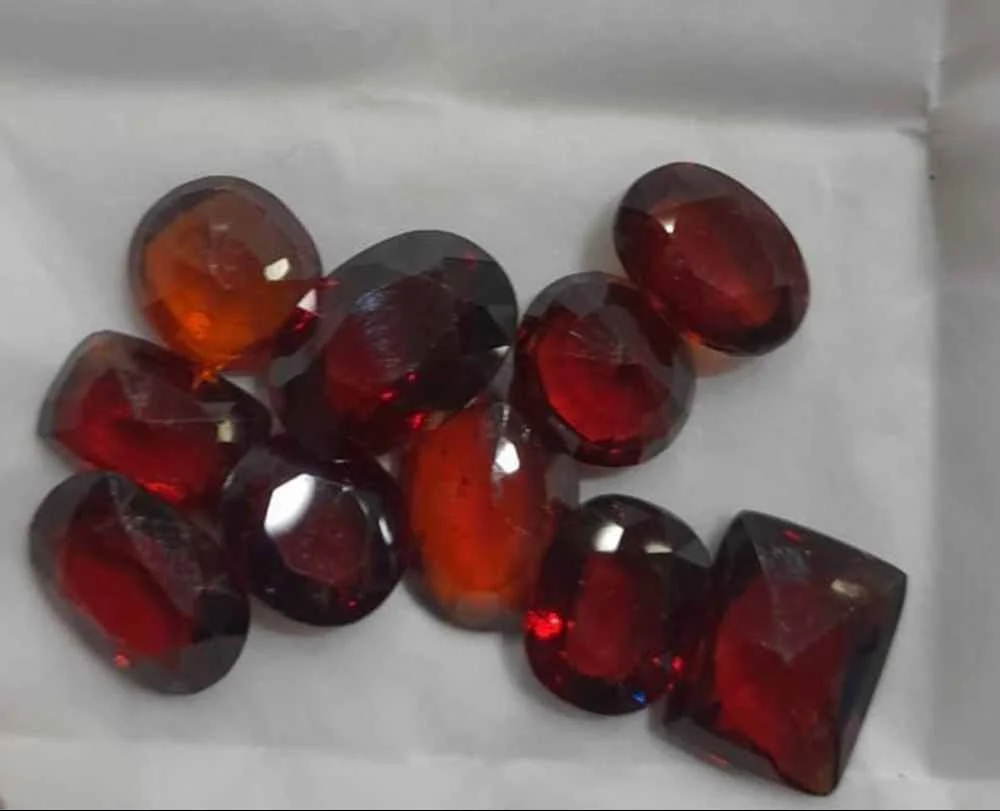
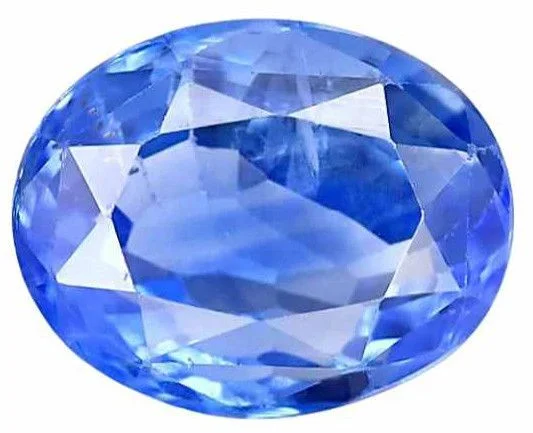
India is the source country for Asgems, which lists 15 active gemstone products in its catalogue. The catalogue covers a variety of precious and semi‑precious stones, including kyanite, green amethyst, natural Mexican fire agate, peridot, Madeira citrine, tanzanite, emerald, ruby, labradorite, lemon quartz, blue topaz, golden rutile, zircon, blue sapphire and London blue topaz. These items fall under the broader top categories of precious and semi‑precious stones, with specific focus on topaz, tanzanite, emerald, ruby, zircon and blue sapphire varieties. Each product is identified by its mineral name without additional processing details. The supplier’s trust tier is listed as harbor in the platform.

The product list does not include HS codes, but gemstones are generally classified under HS chapter 71, specifically heading 7103 for cut or polished precious or semi‑precious stones. Asgems’ catalogue therefore aligns with that tariff line for international trade. No further company‑specific data such as production capacity or certifications are provided in the source facts. The supplier’s catalogue is limited to the 15 named gemstones, representing a focused inventory rather than a broad raw material range.

Product Range and Specialties of Asgems

The Asgems catalogue presents fifteen distinct gemstone types, ranging from common semi‑precious stones such as kyanite and green amethyst to high‑value precious stones like emerald and ruby. In the gemstone market, color grade, clarity and carat weight are the primary quality parameters; for example, tanzanite is typically graded on a VS (very slightly included) scale and color saturation, while emeralds are often evaluated for vivid green hue and minimal inclusions, commonly reported as VS1‑VS2. Blue sapphire is usually categorized by color depth and clarity, with grades such as AAA or AA for top commercial quality. Zircon, zirconia and rutile varieties are frequently sorted by refractive index and color stability. Standard industry specifications also include treatments (heat‑treated, irradiated) that must be disclosed to buyers.

Industry practice groups gemstones by HS code 7103 and often requires accompanying gemological reports that state origin, treatment status, carat weight and any enhancements. Typical market specifications for the listed stones include a minimum carat weight of 0.5 ct for cut stones, moisture content below 0.5 % for raw material, and packaging in sealed, tamper‑evident polybags or wooden boxes with individual stone labeling. Buyers frequently request GIA, IGI or equivalent grading certificates to verify the stated grades, especially for high‑value stones such as ruby, emerald and blue sapphire.

Trade and Export Information - Asgems

India is a major exporter of both cut and rough gemstones, and shipments from Indian suppliers are usually routed to the United States, European Union, United Arab Emirates and Hong Kong. The HS heading 7103 governs most of the listed stones, and customs authorities in importing countries often require a commercial invoice, packing list and a gemological certificate that matches the declared HS code. Commonly required certifications include GIA, IGI or local Indian gemological laboratory reports, and many importers also request a declaration of any heat or irradiation treatments. Logistics for gemstone trade typically involve air freight in secure, insulated containers or 20‑ft/40‑ft containers with climate‑controlled pallets, and Incoterms such as FOB Mumbai or CIF Dubai are frequently used.

Export regulations in India mandate that gemstone shipments be declared under the Directorate General of Foreign Trade (DGFT) with appropriate export licenses for precious stones. Buyers in the EU must comply with the REACH regulation for any chemical treatments, while US importers may be subject to the Lacey Act declarations for natural resources. Standard packaging includes padded wooden crates, individual gemstone bags, and tamper‑proof seals to protect against damage and ensure traceability throughout the supply chain.

Sourcing from Asgems - Buyer Guidance

When sourcing from Asgems, buyers should request a recent gemological grading report for each stone, specifying color grade, clarity, carat weight and any treatments applied. It is advisable to verify the HS code declared on the commercial invoice matches the product type (e.g., 7103 for cut gemstones) and to confirm that the supplier can provide a valid export license from the Indian authorities. Samples are typically offered in small quantities, often 0.1 ct to 0.5 ct per stone, and should be examined for consistency with the reported grade before placing a larger order.

Buyers should also check for compliance with destination country regulations, such as REACH for the EU or the Lacey Act for the US, and request any necessary origin declarations. Minimum order quantities (MOQs) for high‑value stones like ruby or emerald are often expressed in carat weight rather than piece count, and lead times can range from 10 days for ready‑stock cut stones to 30 days for rough material that requires cutting and grading. Confirm packaging details - whether stones will be shipped in individual sealed bags, padded boxes or wooden crates - to ensure safe transit.

Frequently Asked Questions About Asgems

What gemstone grades does Asgems typically list in its catalogue?

The catalogue names the mineral types only; buyers should ask for a gemological report that states the specific color grade, clarity (e.g., VS1‑VS2), and carat weight for each stone.

Which HS code is applicable to the gemstones offered by Asgems?

Gemstones in this catalogue fall under HS heading 7103, which covers cut or polished precious or semi‑precious stones.

Does Asgems provide any certification for its gemstones?

No certification is listed in the supplied facts. Buyers should request GIA, IGI or an equivalent Indian gemological laboratory report for verification.

What are the typical packaging methods for shipping these gemstones?

Standard practice is to pack stones in individual sealed polybags or padded wooden boxes, often placed in climate‑controlled containers for air freight or 20‑ft/40‑ft containers for sea freight.

Which markets commonly import the types of gemstones Asgems offers?

Major import markets include the United States, European Union countries, United Arab Emirates and Hong Kong, where buyers seek cut and polished stones for jewelry and investment.

What documentation should a buyer request before finalising an order?

Buyers should obtain a commercial invoice, packing list, export license copy, gemological grading certificate and any treatment disclosure statements.

What Incoterms are typically used for gemstone shipments from India?

FOB Mumbai and CIF Dubai are commonly used, allowing buyers to choose between taking responsibility at the port of loading or receiving the goods delivered to a destination port.

What is a realistic lead time for a bulk order of cut gemstones?

Lead times range from about 10 days for in‑stock cut stones to up to 30 days for rough material that requires cutting, polishing and grading before shipment.

Featured Products from this Supplier

Other Suppliers in Primary Category

Related Products

Trending in Parent Category

More Suppliers in Category

Related Products

Other Suppliers

EximNext
58.5K+ live requirements
Register Free🎁 Reach verified global buyers
Post Requirement
🌍 Trusted by 224.6K+ businesses in 200+ countries|
58.5K+ active requirements right now
✉️ [email protected]
|
Sell on EximNextPost Requirement
EximNext
AgricultureApparelConstructionElectronicFoodHomeIndustrialMineralsMiscellaneous
🔥 Deals|✨ AI Match|🏭 Suppliers|📋 Buy Leads|💰 Trade Finance
58.5K+ live RFQs·194.6K+ suppliers
🎁 Reach global buyers →
EximNext
EximNext
Register Free
🎁 Reach verified global buyers
Sign In
📋Post Requirement💬Get QuotesAI Match📋RFQ Marketplace
All Categories
Services & Tools
🏭Supplier Directory🔥Today's Deals💰Trade Finance
Sell on EximNext
AboutContactBlogHelp
🏭

Asgems

Harbor
Country flag , India
🛡️
55/100
Trust Score

Asgems Product Catalog

Showing 12 of 15 products
View all products →
Blue Sapphire
Harbor
Blue Sapphire
Contact
MOQ: 1 Unit
London Blue Topaz
Harbor
London Blue Topaz
Contact
MOQ: 1 Unit
Zircon
Harbor
Zircon
Contact
MOQ: 1 Unit
Blue Topaz
Harbor
Blue Topaz
Contact
MOQ: 1 Unit
Golden Rutile
Harbor
Golden Rutile
Contact
MOQ: 1 Unit
Lemon Quartz
Harbor
Lemon Quartz
Contact
MOQ: 1 Unit
Labradorite
Harbor
Labradorite
Contact
MOQ: 1 Unit
Emerald
Harbor
Emerald
Contact
MOQ: 1 Unit
Ruby
Harbor
Ruby
Contact
MOQ: 1 Unit
Tanzanite
Harbor
Tanzanite
Contact
MOQ: 1 Unit
Madeira Citrine
Harbor
Madeira Citrine
Contact
MOQ: 1 Unit
Natural Mexican Fire Agate
Harbor
Natural Mexican Fire Agate
Contact
MOQ: 1 Unit

About Asgems - Precious & Semi Precious Stones Supplier in India

India is the source country for Asgems, which lists 15 active gemstone products in its catalogue. The catalogue covers a variety of precious and semi‑precious stones, including kyanite, green amethyst, natural Mexican fire agate, peridot, Madeira citrine, tanzanite, emerald, ruby, labradorite, lemon quartz, blue topaz, golden rutile, zircon, blue sapphire and London blue topaz. These items fall under the broader top categories of precious and semi‑precious stones, with specific focus on topaz, tanzanite, emerald, ruby, zircon and blue sapphire varieties. Each product is identified by its mineral name without additional processing details. The supplier’s trust tier is listed as harbor in the platform.

The product list does not include HS codes, but gemstones are generally classified under HS chapter 71, specifically heading 7103 for cut or polished precious or semi‑precious stones. Asgems’ catalogue therefore aligns with that tariff line for international trade. No further company‑specific data such as production capacity or certifications are provided in the source facts. The supplier’s catalogue is limited to the 15 named gemstones, representing a focused inventory rather than a broad raw material range.

Product Range and Specialties of Asgems

The Asgems catalogue presents fifteen distinct gemstone types, ranging from common semi‑precious stones such as kyanite and green amethyst to high‑value precious stones like emerald and ruby. In the gemstone market, color grade, clarity and carat weight are the primary quality parameters; for example, tanzanite is typically graded on a VS (very slightly included) scale and color saturation, while emeralds are often evaluated for vivid green hue and minimal inclusions, commonly reported as VS1‑VS2. Blue sapphire is usually categorized by color depth and clarity, with grades such as AAA or AA for top commercial quality. Zircon, zirconia and rutile varieties are frequently sorted by refractive index and color stability. Standard industry specifications also include treatments (heat‑treated, irradiated) that must be disclosed to buyers.

Industry practice groups gemstones by HS code 7103 and often requires accompanying gemological reports that state origin, treatment status, carat weight and any enhancements. Typical market specifications for the listed stones include a minimum carat weight of 0.5 ct for cut stones, moisture content below 0.5 % for raw material, and packaging in sealed, tamper‑evident polybags or wooden boxes with individual stone labeling. Buyers frequently request GIA, IGI or equivalent grading certificates to verify the stated grades, especially for high‑value stones such as ruby, emerald and blue sapphire.

Trade and Export Information - Asgems

India is a major exporter of both cut and rough gemstones, and shipments from Indian suppliers are usually routed to the United States, European Union, United Arab Emirates and Hong Kong. The HS heading 7103 governs most of the listed stones, and customs authorities in importing countries often require a commercial invoice, packing list and a gemological certificate that matches the declared HS code. Commonly required certifications include GIA, IGI or local Indian gemological laboratory reports, and many importers also request a declaration of any heat or irradiation treatments. Logistics for gemstone trade typically involve air freight in secure, insulated containers or 20‑ft/40‑ft containers with climate‑controlled pallets, and Incoterms such as FOB Mumbai or CIF Dubai are frequently used.

Export regulations in India mandate that gemstone shipments be declared under the Directorate General of Foreign Trade (DGFT) with appropriate export licenses for precious stones. Buyers in the EU must comply with the REACH regulation for any chemical treatments, while US importers may be subject to the Lacey Act declarations for natural resources. Standard packaging includes padded wooden crates, individual gemstone bags, and tamper‑proof seals to protect against damage and ensure traceability throughout the supply chain.

Sourcing from Asgems - Buyer Guidance

When sourcing from Asgems, buyers should request a recent gemological grading report for each stone, specifying color grade, clarity, carat weight and any treatments applied. It is advisable to verify the HS code declared on the commercial invoice matches the product type (e.g., 7103 for cut gemstones) and to confirm that the supplier can provide a valid export license from the Indian authorities. Samples are typically offered in small quantities, often 0.1 ct to 0.5 ct per stone, and should be examined for consistency with the reported grade before placing a larger order.

Buyers should also check for compliance with destination country regulations, such as REACH for the EU or the Lacey Act for the US, and request any necessary origin declarations. Minimum order quantities (MOQs) for high‑value stones like ruby or emerald are often expressed in carat weight rather than piece count, and lead times can range from 10 days for ready‑stock cut stones to 30 days for rough material that requires cutting and grading. Confirm packaging details - whether stones will be shipped in individual sealed bags, padded boxes or wooden crates - to ensure safe transit.

Frequently Asked Questions About Asgems

What gemstone grades does Asgems typically list in its catalogue?

The catalogue names the mineral types only; buyers should ask for a gemological report that states the specific color grade, clarity (e.g., VS1‑VS2), and carat weight for each stone.

Which HS code is applicable to the gemstones offered by Asgems?

Gemstones in this catalogue fall under HS heading 7103, which covers cut or polished precious or semi‑precious stones.

Does Asgems provide any certification for its gemstones?

No certification is listed in the supplied facts. Buyers should request GIA, IGI or an equivalent Indian gemological laboratory report for verification.

What are the typical packaging methods for shipping these gemstones?

Standard practice is to pack stones in individual sealed polybags or padded wooden boxes, often placed in climate‑controlled containers for air freight or 20‑ft/40‑ft containers for sea freight.

Which markets commonly import the types of gemstones Asgems offers?

Major import markets include the United States, European Union countries, United Arab Emirates and Hong Kong, where buyers seek cut and polished stones for jewelry and investment.

What documentation should a buyer request before finalising an order?

Buyers should obtain a commercial invoice, packing list, export license copy, gemological grading certificate and any treatment disclosure statements.

What Incoterms are typically used for gemstone shipments from India?

FOB Mumbai and CIF Dubai are commonly used, allowing buyers to choose between taking responsibility at the port of loading or receiving the goods delivered to a destination port.

What is a realistic lead time for a bulk order of cut gemstones?

Lead times range from about 10 days for in‑stock cut stones to up to 30 days for rough material that requires cutting, polishing and grading before shipment.

About Asgems - Precious & Semi Precious Stones Supplier in India

India is the source country for Asgems, which lists 15 active gemstone products in its catalogue. The catalogue covers a variety of precious and semi‑precious stones, including kyanite, green amethyst, natural Mexican fire agate, peridot, Madeira citrine, tanzanite, emerald, ruby, labradorite, lemon quartz, blue topaz, golden rutile, zircon, blue sapphire and London blue topaz. These items fall under the broader top categories of precious and semi‑precious stones, with specific focus on topaz, tanzanite, emerald, ruby, zircon and blue sapphire varieties. Each product is identified by its mineral name without additional processing details. The supplier’s trust tier is listed as harbor in the platform.

The product list does not include HS codes, but gemstones are generally classified under HS chapter 71, specifically heading 7103 for cut or polished precious or semi‑precious stones. Asgems’ catalogue therefore aligns with that tariff line for international trade. No further company‑specific data such as production capacity or certifications are provided in the source facts. The supplier’s catalogue is limited to the 15 named gemstones, representing a focused inventory rather than a broad raw material range.

Product Range and Specialties of Asgems

The Asgems catalogue presents fifteen distinct gemstone types, ranging from common semi‑precious stones such as kyanite and green amethyst to high‑value precious stones like emerald and ruby. In the gemstone market, color grade, clarity and carat weight are the primary quality parameters; for example, tanzanite is typically graded on a VS (very slightly included) scale and color saturation, while emeralds are often evaluated for vivid green hue and minimal inclusions, commonly reported as VS1‑VS2. Blue sapphire is usually categorized by color depth and clarity, with grades such as AAA or AA for top commercial quality. Zircon, zirconia and rutile varieties are frequently sorted by refractive index and color stability. Standard industry specifications also include treatments (heat‑treated, irradiated) that must be disclosed to buyers.

Industry practice groups gemstones by HS code 7103 and often requires accompanying gemological reports that state origin, treatment status, carat weight and any enhancements. Typical market specifications for the listed stones include a minimum carat weight of 0.5 ct for cut stones, moisture content below 0.5 % for raw material, and packaging in sealed, tamper‑evident polybags or wooden boxes with individual stone labeling. Buyers frequently request GIA, IGI or equivalent grading certificates to verify the stated grades, especially for high‑value stones such as ruby, emerald and blue sapphire.

Trade and Export Information - Asgems

India is a major exporter of both cut and rough gemstones, and shipments from Indian suppliers are usually routed to the United States, European Union, United Arab Emirates and Hong Kong. The HS heading 7103 governs most of the listed stones, and customs authorities in importing countries often require a commercial invoice, packing list and a gemological certificate that matches the declared HS code. Commonly required certifications include GIA, IGI or local Indian gemological laboratory reports, and many importers also request a declaration of any heat or irradiation treatments. Logistics for gemstone trade typically involve air freight in secure, insulated containers or 20‑ft/40‑ft containers with climate‑controlled pallets, and Incoterms such as FOB Mumbai or CIF Dubai are frequently used.

Export regulations in India mandate that gemstone shipments be declared under the Directorate General of Foreign Trade (DGFT) with appropriate export licenses for precious stones. Buyers in the EU must comply with the REACH regulation for any chemical treatments, while US importers may be subject to the Lacey Act declarations for natural resources. Standard packaging includes padded wooden crates, individual gemstone bags, and tamper‑proof seals to protect against damage and ensure traceability throughout the supply chain.

Sourcing from Asgems - Buyer Guidance

When sourcing from Asgems, buyers should request a recent gemological grading report for each stone, specifying color grade, clarity, carat weight and any treatments applied. It is advisable to verify the HS code declared on the commercial invoice matches the product type (e.g., 7103 for cut gemstones) and to confirm that the supplier can provide a valid export license from the Indian authorities. Samples are typically offered in small quantities, often 0.1 ct to 0.5 ct per stone, and should be examined for consistency with the reported grade before placing a larger order.

Buyers should also check for compliance with destination country regulations, such as REACH for the EU or the Lacey Act for the US, and request any necessary origin declarations. Minimum order quantities (MOQs) for high‑value stones like ruby or emerald are often expressed in carat weight rather than piece count, and lead times can range from 10 days for ready‑stock cut stones to 30 days for rough material that requires cutting and grading. Confirm packaging details - whether stones will be shipped in individual sealed bags, padded boxes or wooden crates - to ensure safe transit.

Frequently Asked Questions About Asgems
What gemstone grades does Asgems typically list in its catalogue?
The catalogue names the mineral types only; buyers should ask for a gemological report that states the specific color grade, clarity (e.g., VS1‑VS2), and carat weight for each stone.
Which HS code is applicable to the gemstones offered by Asgems?
Gemstones in this catalogue fall under HS heading 7103, which covers cut or polished precious or semi‑precious stones.
Does Asgems provide any certification for its gemstones?
No certification is listed in the supplied facts. Buyers should request GIA, IGI or an equivalent Indian gemological laboratory report for verification.
What are the typical packaging methods for shipping these gemstones?
Standard practice is to pack stones in individual sealed polybags or padded wooden boxes, often placed in climate‑controlled containers for air freight or 20‑ft/40‑ft containers for sea freight.
Which markets commonly import the types of gemstones Asgems offers?
Major import markets include the United States, European Union countries, United Arab Emirates and Hong Kong, where buyers seek cut and polished stones for jewelry and investment.
What documentation should a buyer request before finalising an order?
Buyers should obtain a commercial invoice, packing list, export license copy, gemological grading certificate and any treatment disclosure statements.
What Incoterms are typically used for gemstone shipments from India?
FOB Mumbai and CIF Dubai are commonly used, allowing buyers to choose between taking responsibility at the port of loading or receiving the goods delivered to a destination port.
What is a realistic lead time for a bulk order of cut gemstones?
Lead times range from about 10 days for in‑stock cut stones to up to 30 days for rough material that requires cutting, polishing and grading before shipment.

🏭
Asgems
Country flag , India
Harbor
55/100
Trust Score
📦
15
Products
Free to contact — no commission
Escrow payment available
Verified business identity
Compare more suppliers
Post a requirement — get 10 quotes free
Let verified suppliers compete for your business. Free, fast, no commitment.
EximNext Verified Supplier
Business identity verified
Physical address confirmed
Financial history checked
Certifications authenticated
Trade references validated
Due Diligence
Verify this supplier's real shipping history.
Every shipment, every buyer, every port. Trade data that can't be faked.
Run due diligence →
Discover More

Related Suppliers & Products

Explore similar suppliers, related products and trending categories

Featured Products from this Supplier

Other Suppliers in Primary Category

Related Products

Trending in Parent Category

More Suppliers in Category

Stay ahead in global trade
Weekly market insights & new supplier alerts.
EximNext
Exim Next is a leading global B2B marketplace, connecting over 205,000 verified suppliers and buyers across 200+ countries. As a trusted import export marketplace, it serves as the essential B2B portal for businesses worldwide, empowering them to expand their international reach. With Exim Next, businesses can trade smarter and grow faster.
SECURE PAYMENTS
VISAMastercardPayPalSWIFTL/CEscrow
Follow us
© 2026 EximNext