Aromatica — Verified Supplier
About Aromatica - Herbs & Flowers Supplier in Egypt
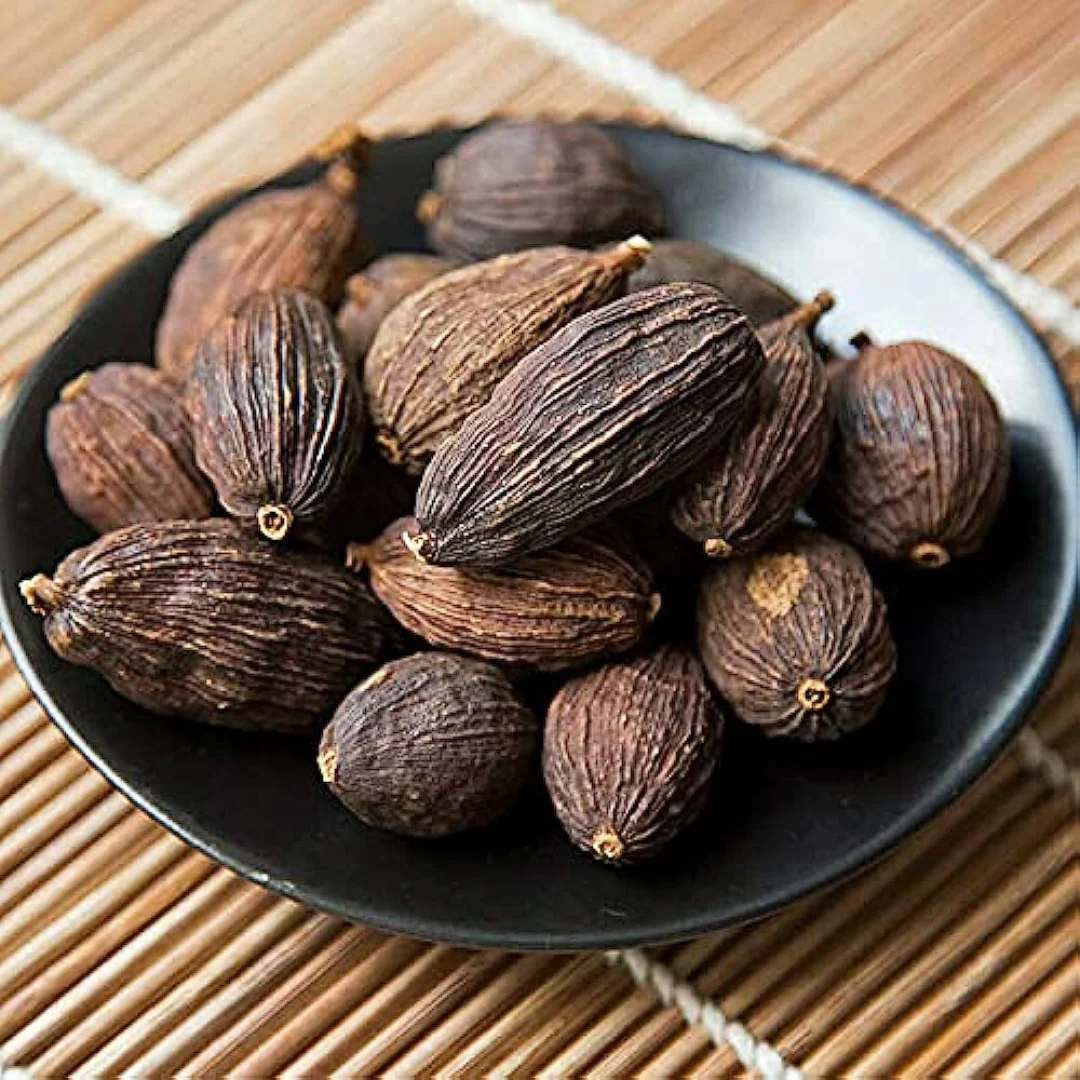
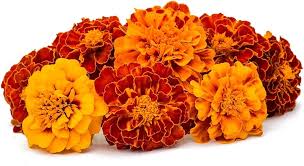
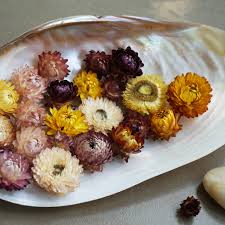
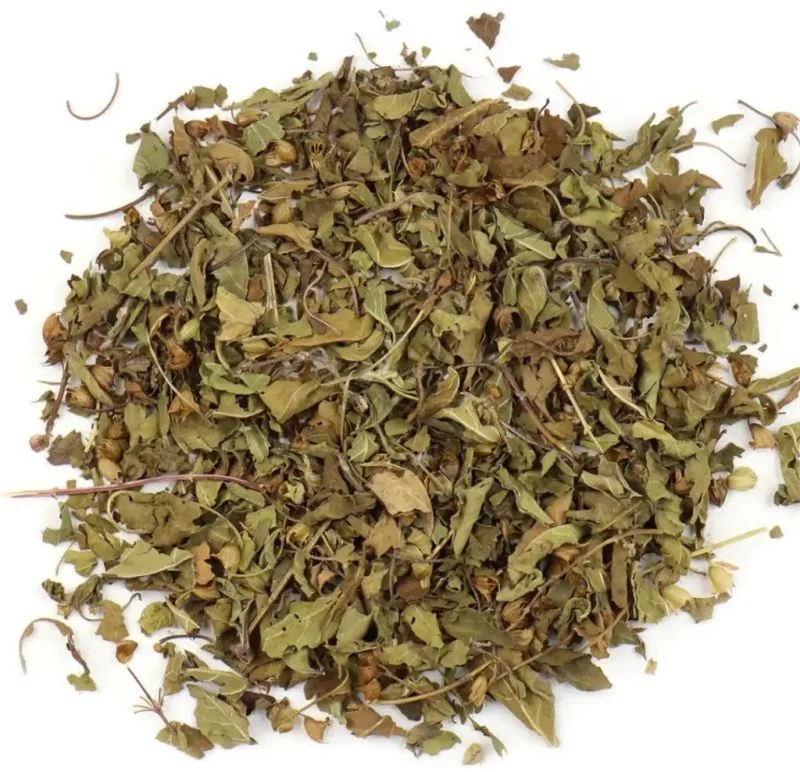
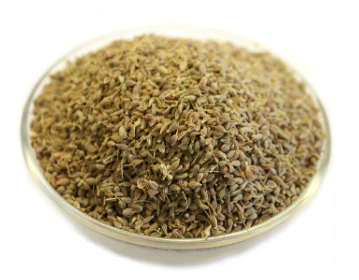
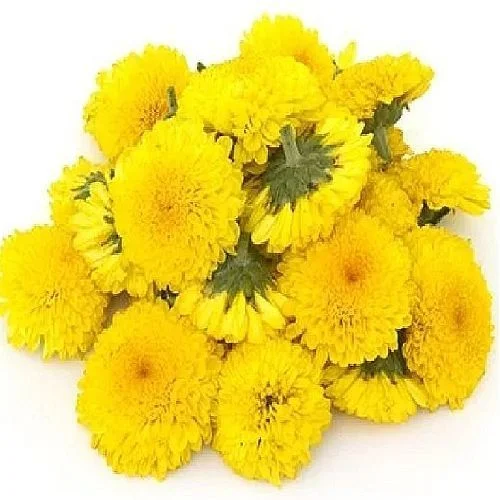
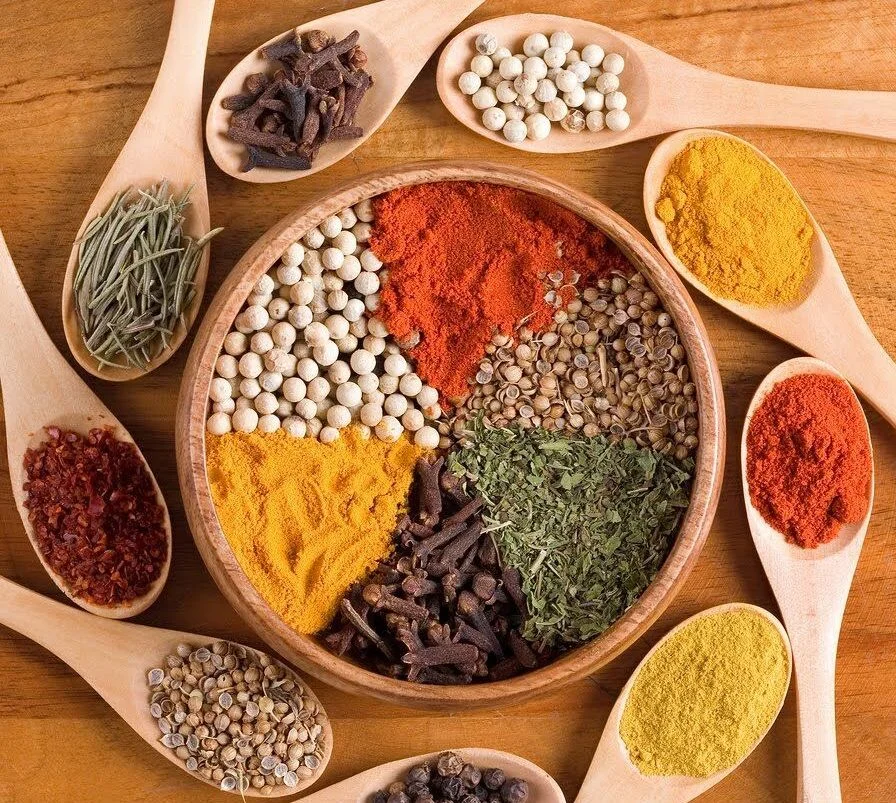
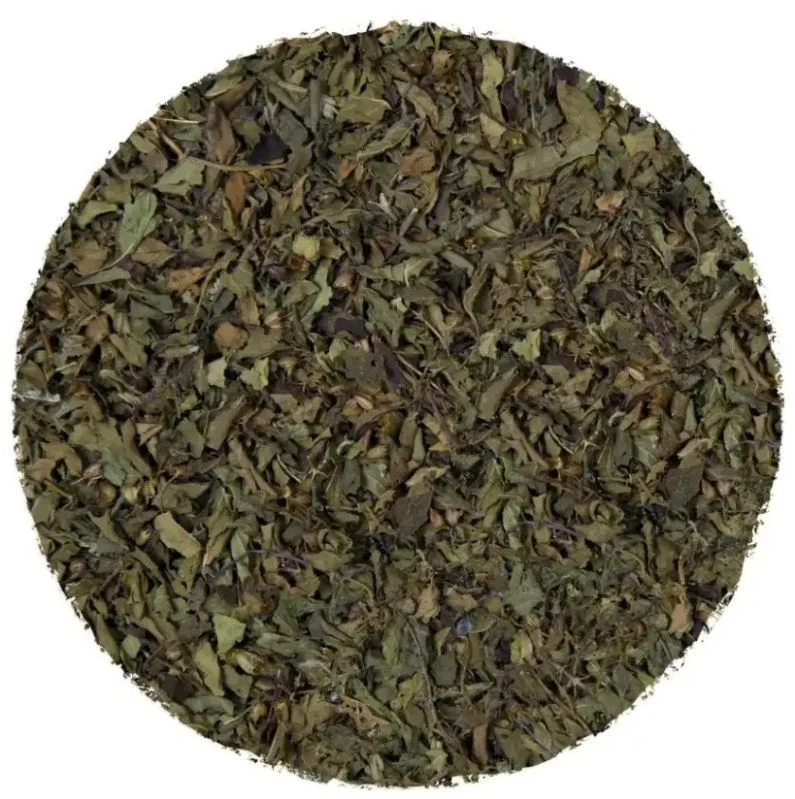
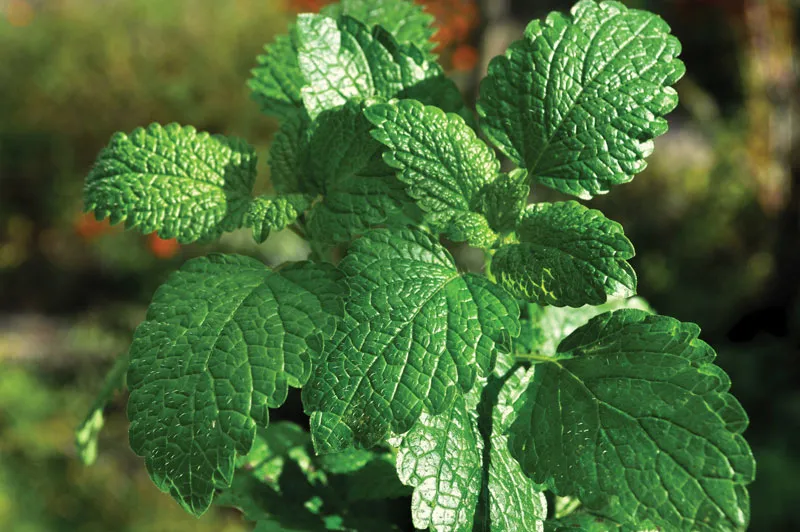
Aromatica is based in Egypt and currently lists nine active products across herbs, seeds and fresh flowers. The catalogue includes basil, anise seeds (HS 0909.61, whole *Pimpinella anisum*), black cumin seeds, black loomy, calendula (marigold) flowers, chamomile flowers, coriander seeds, caraway seeds and dill seeds. These items belong to HS chapters for prepared spices (0904‑0905) and fresh cut flowers (0601‑0602). The supplier’s top categories reflect common Egyptian export commodities such as basil leaf, aniseeds, cumin and coriander seeds. Each product is offered in bulk forms typical for B2B trade, such as 25 kg jute bags for seeds and refrigerated pallets for fresh flowers.
The product list shows no explicit certifications held by Aromatica, so buyers should verify compliance with industry standards. In the spice sector, buyers typically require HACCP, ISO 9001 or GlobalGAP certification, as well as a phytosanitary certificate for seeds. For fresh cut flowers, ISO 14001 environmental management and cold‑chain handling certifications are common. Aromatica’s catalogue does not disclose packaging dimensions, but standard industry practice uses 20 ft or 40 ft containers for bulk shipments. The active product count of nine indicates a focused portfolio rather than a broad commodity range.
Product Range and Specialties of Aromatica
Aromatica’s catalogue covers dried aromatic herbs and seeds (basil, anise, black cumin, coriander, caraway, dill) together with fresh cut flowers (calendula, chamomile). In the global spice market, dried herbs are graded by moisture content (typically ≤12 % for basil), essential oil percentage, and foreign matter limits (<0.5 %). Seed lots are assessed for purity, germination rate (≥85 % for culinary seeds) and pesticide residue limits set by the EU and US. Fresh cut flowers are evaluated on stem length, bud opening stage, and vase life, with standard packaging in insulated boxes and refrigerated containers to maintain a temperature of 2‑5 °C during transit.
Trade and Export Information - Aromatica
Egypt is a long‑standing exporter of herbs, spices and ornamental flowers, with the European Union, the Gulf Cooperation Council and the United States representing the largest import markets. HS 0909.61 (anise seeds) and the broader 0909 heading are subject to phytosanitary inspection and must meet maximum pesticide residue limits (MRLs) defined by the importing country. Fresh cut flowers fall under HS 0601‑0602 and require a phytosanitary certificate, as well as compliance with the International Plant Protection Convention (IPPC) standards. Typical export logistics involve FOB or CIF terms, with bulk spices packed in 25 kg or 50 kg polypropylene bags and loaded into 20 ft or 40 ft containers, while fresh flowers are shipped in refrigerated containers (reefers) with temperature control. Buyers usually request ISO 9001 or HACCP compliance documentation, but such certifications are not listed for Aromatica and should be confirmed before contract.
Sourcing from Aromatica - Buyer Guidance
When sourcing from Aromatica, request a recent phytosanitary certificate for all seed products and a pesticide residue test report that meets EU or US limits. For dried herbs, ask for moisture analysis, essential oil content and a foreign‑matter inspection report; these parameters are standard quality checkpoints in the spice trade. Verify the packaging details - for bulk spices, 25 kg jute or polypropylene bags sealed with moisture‑proof liners are typical, while fresh flowers should be packed in insulated, refrigerated pallets with a temperature log. Request a sample batch and an assay report before confirming larger orders, and confirm whether the supplier can provide ISO 9001, HACCP or GlobalGAP certificates if required by your market.
Frequently Asked Questions About Aromatica
What product categories does Aromatica list?
Aromatica lists nine products: basil, anise seeds (HS 0909.61), black cumin seeds, black loomy, calendula (marigold) flowers, chamomile flowers, coriander seeds, caraway seeds and dill seeds.
Does Aromatica hold any certifications?
The supplied facts do not mention any certifications held by Aromatica; buyers should request ISO 9001, HACCP or GlobalGAP certificates if those are required for their market.
Which HS code applies to Aromatica’s anise seeds?
Aromatica’s anise seeds are classified under HS code 0909.61, covering whole *Pimpinella anisum* seeds.
What are the typical packaging formats for the listed spices?
Spices such as basil, anise, coriander, caraway, dill and black cumin are commonly packed in 25 kg or 50 kg polypropylene or jute bags, sealed for moisture protection, and consolidated into 20 ft or 40 ft containers for ocean freight.
How are the fresh flowers shipped?
Fresh cut flowers like calendula and chamomile are usually shipped in insulated boxes placed on refrigerated pallets inside a temperature‑controlled container (reefer) maintained at 2 °C to 5 °C.
What documentation should a buyer request before ordering?
Buyers should request a phytosanitary certificate, pesticide residue test report, moisture analysis for dried herbs, and any available quality management system certificates (ISO 9001, HACCP, GlobalGAP).
Which markets typically import these Egyptian herbs and flowers?
The European Union, Gulf Cooperation Council countries and the United States are the main importers of Egyptian herbs, spices and fresh cut flowers.
What are the common quality specifications for anise seeds?
Anise seeds are generally required to have a moisture content of ≤12 %, foreign matter ≤0.5 %, and must meet the pesticide MRLs set by the destination country’s regulations.




 , Egypt