Agriculture›
 Apparel and fashion accessories›
 Construction & real estate›💡Electronic & Electrical›🍎Food & Beverages›🛋️Home furnishing & supplies›⚗️Industrial goods & chemical›🪨Minerals & metals›📦Miscellaneous›Agriculture›Apparel and fashion accessories›Construction & real estate›💡Electronic & Electrical›🍎Food & Beverages›🛋️Home furnishing & supplies›⚗️Industrial goods & chemical›🪨Minerals & metals›📦Miscellaneous›
Ankhjet Co., Ltd. Product Catalog
About Ankhjet Co., Ltd. - Leather Products Supplier in Japan
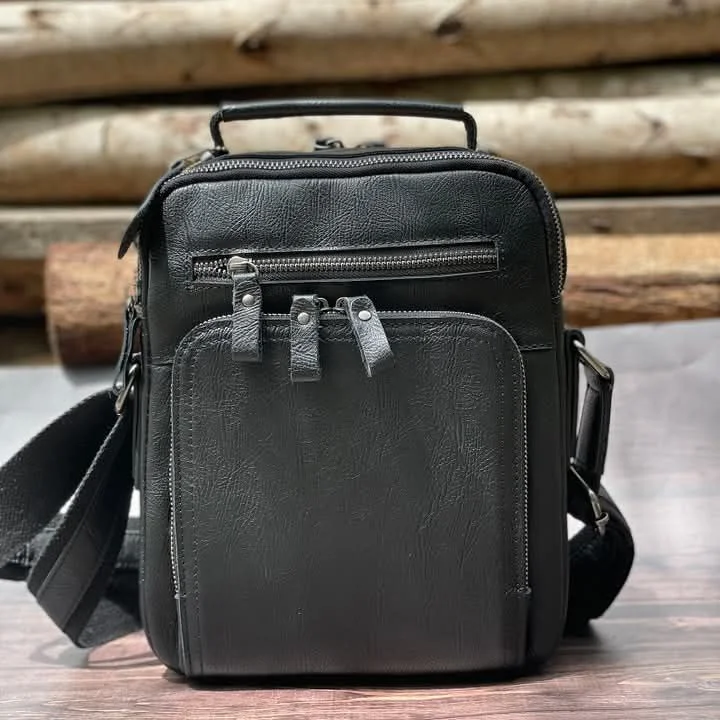
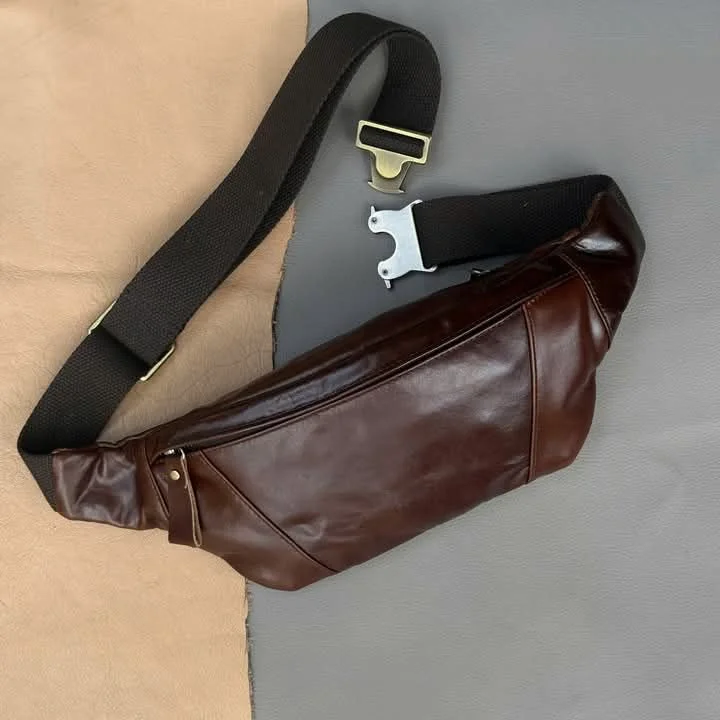
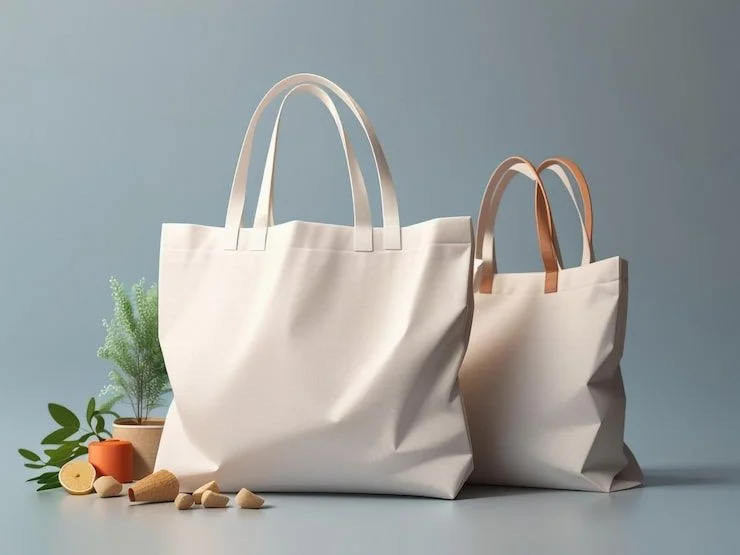
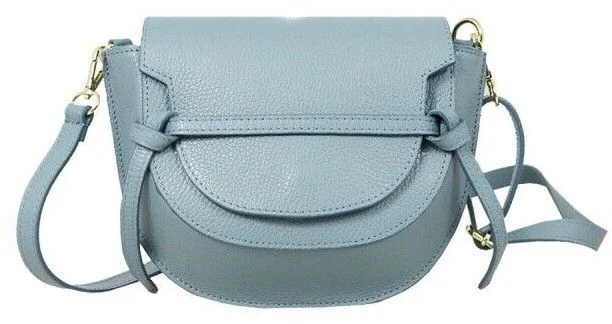
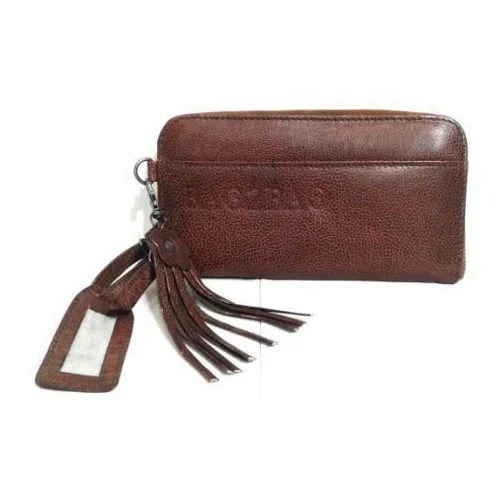
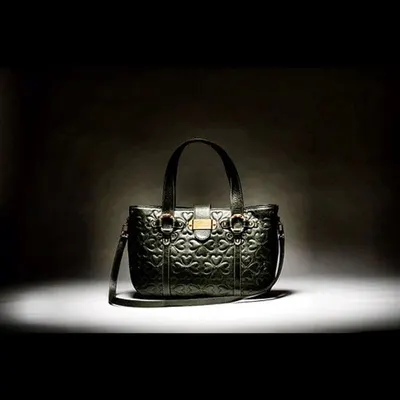
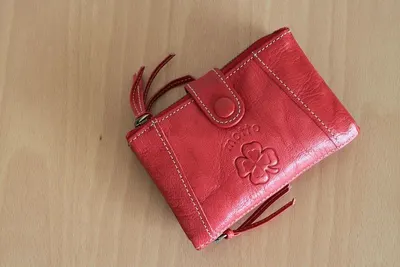
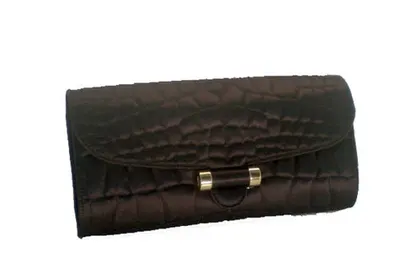
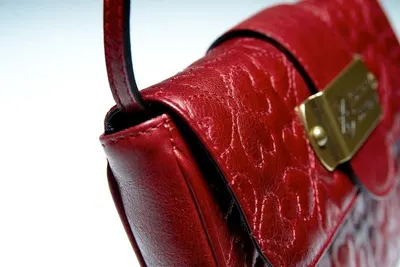
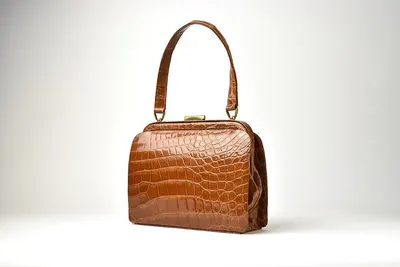
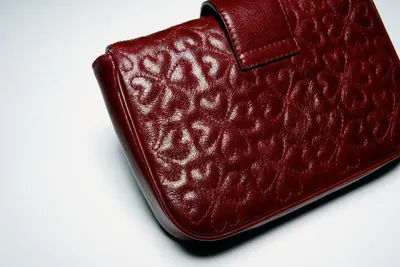
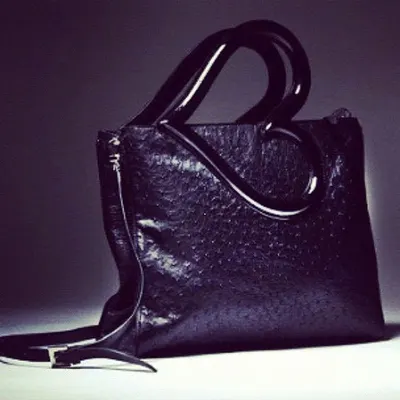
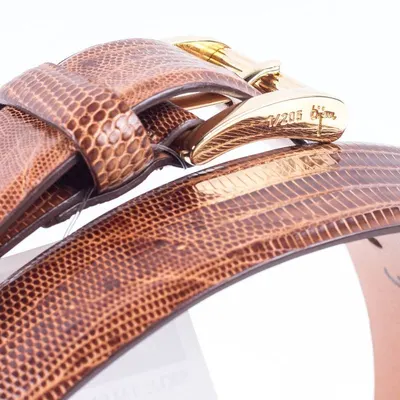
Ankhjet Co., Ltd. is based in Japan and currently lists 13 active products. The catalogue focuses on leather accessories and bags, covering items such as lizard leather belts, python and caiman leather handbags, ostrich leather coin purses, and a range of cross‑body and tote styles. Each product is described using the specific animal hide indicated, for example lizard, python, caiman, cowhide, and ostrich, and the designs include two‑way bags, belt‑style bags, and a smartphone case. The items fall under the HS‑4 chapter 42, primarily HS 4202 for articles of leather and HS 4203 for travel goods, which are the standard tariff headings for such products. The supplier’s top categories include Leather Bags, Leather Wallets, Handbags, Shoulder Bags, Tote Bags and general Leather Products.
The product lineup comprises 13 distinct designs, ranging from a Lizard Leather Belt Design 2‑Way Bag for women to a Python Ostrich Combination 2‑Way Mini Bag. Exotic skins such as python, caiman, and ostrich are commonly graded by hide quality (e.g., full‑grain, top‑grain) and assessed for uniform thickness, usually between 1.2 mm and 2.0 mm for high‑end fashion items. Stitching specifications typically call for double‑stitched seams with polyester or nylon thread of 0.25 mm diameter. Hardware such as zippers and buckles often conforms to zinc alloy standards (ISO 9001 for manufacturing processes). These details align with the expectations of wholesale buyers in the leather fashion segment.
Product Range and Specialties of Ankhjet Co., Ltd.
Ankhjet’s catalogue presents a variety of leather goods that include belts, wallets, coin purses, cross‑body bags, tote bags, rucksacks, and a smartphone case, each made from a specific exotic hide. In the broader leather goods market, buyers encounter grades such as full‑grain (the highest grade with natural surface), top‑grain (sand‑ed surface), and corrected‑grain for lower‑quality hides. Typical specifications for luxury leather bags include a minimum tensile strength of 30 MPa, a moisture content below 12 %, and a surface finish meeting ISO 10007 for durability. Hardware is often required to meet EN 1811 for corrosion resistance, and metal accessories may carry a lead‑free certification under REACH. The product dimensions commonly range from small coin purses (approximately 8 × 6 cm) to large rucksacks (up to 45 × 30 × 15 cm).
Frequently Asked Questions About Ankhjet Co., Ltd.
What types of leather does Ankhjet offer in its product range?
The catalogue lists exotic hides such as lizard, python, caiman, cowhide, and ostrich, used to make belts, wallets, coin purses, cross‑body bags, tote bags and a smartphone case.
Which HS codes apply to the items listed by Ankhjet?
The products fall under HS chapter 42, mainly HS 4202 for leather articles and HS 4203 for travel goods such as bags and rucksacks.
What documentation should a buyer request before placing an order?
Buyers should ask for a leather origin certificate, REACH compliance statement, and any relevant ISO quality or environmental certificates, together with test reports for tensile strength and colorfastness.
What are typical minimum order quantities and lead times for these leather goods?
Standard minimum order quantities range from 100 to 200 pieces per style, and lead times are usually 4 to 8 weeks after sample approval, depending on the hide and design complexity.
How are the products packaged for international shipment?
Each item is packed in a recyclable poly‑bag, then stacked on wooden pallets. Full container loads use 20‑ft or 40‑ft containers, with labeling that meets HS 4202 requirements.
 Japan
Related Suppliers & Products
Explore similar suppliers, related products and trending categories