Agriculture›
 Apparel and fashion accessories›
 Construction & real estate›💡Electronic & Electrical›🍎Food & Beverages›🛋️Home furnishing & supplies›⚗️Industrial goods & chemical›🪨Minerals & metals›📦Miscellaneous›Agriculture›Apparel and fashion accessories›Construction & real estate›💡Electronic & Electrical›🍎Food & Beverages›🛋️Home furnishing & supplies›⚗️Industrial goods & chemical›🪨Minerals & metals›📦Miscellaneous›
Anatolia Product Catalog
About Anatolia - Construction & Waterproofing Chemicals Supplier in Turkey
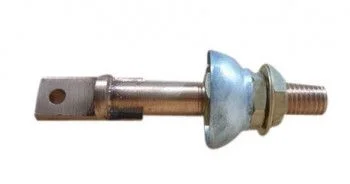
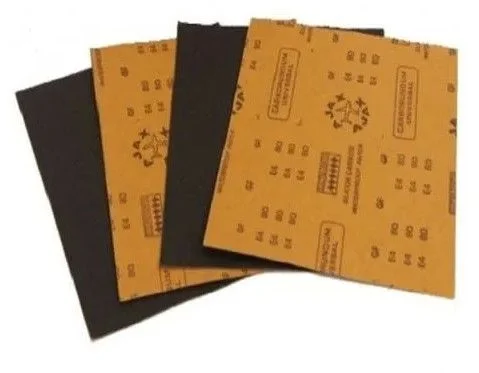
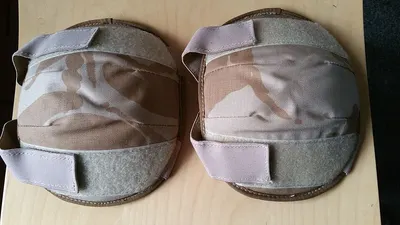
Anatolia is based in Turkey and lists eight active chemical products. The catalogue covers construction and waterproofing chemicals, industrial chemicals, plastic raw materials and other sports goods accessories. Products include wear pads, polycarboxylate water reducers, a high‑slump‑retention polycarboxylate (HS code 3824.40, polycarboxylate ether polymer in aqueous solution), a sodium gluconate substitute, a silicone‑based concrete defomer (HS code 3824.40), tri‑izo‑bityl phosphate, a calcium nitrate‑based setting accelerator (HS code 2834.29, industrial grade Ca(NO3)2 solution) and sodium lignosulphonate. The HS code families 3824.40 and 2834.29 place these items in the chemical preparations and inorganic chemicals chapters respectively. The product list reflects typical additives used in ready‑mix concrete, admixture formulations and ancillary construction applications.
All eight items are presented without explicit certification claims, so buyers should verify compliance with regional standards such as REACH for the EU or TS‑EN standards for Turkey. The polycarboxylate products are supplied as aqueous solutions, a common format for water‑reducing admixtures that target slump retention and fluidity improvement. Sodium lignosulphonate is typically used as a plasticizer and set retarder in cementitious mixes. The setting accelerator based on calcium nitrate is a standard accelerator for rapid‑setting concrete, especially in cold weather. Buyers can expect the products to be packaged in bulk drums or 20‑ft containers suitable for bulk chemical shipping.
Product Range and Specialties of Anatolia
Anatolia’s catalogue lists concrete admixtures such as polycarboxylate water reducers, high‑slump‑retention polycarboxylate, a silicone‑based defomer and a calcium nitrate setting accelerator, as well as auxiliary chemicals like sodium gluconate substitute, tri‑izo‑bityl phosphate and sodium lignosulphonate. In the construction chemicals sector, polycarboxylate ether (PCE) admixtures are typically graded by their water‑reduction efficiency (0.5‑2 % by weight) and slump retention performance, with common specifications including a pH of 10‑12 and a solid content of 20‑30 %. Defomers for concrete are usually silicone‑based fluids with a cloud point below 30 °C to avoid premature foaming. Calcium nitrate accelerators are classified under inorganic chemicals and are often supplied at concentrations of 10‑30 % nitrogen, meeting the EN 197‑1 standard for cement additives. Sodium lignosulphonate grades are differentiated by lignin content (30‑70 %) and solubility, influencing their effectiveness as water reducers or set retarders. The inclusion of wear pads and sports‑related accessories shows a minor diversification beyond core chemical products.
Frequently Asked Questions About Anatolia
What concrete admixture products does Anatolia list?
Anatolia lists polycarboxylate water reducer, high‑slump‑retention polycarboxylate (HS 3824.40), a silicone‑based concrete defomer (HS 3824.40) and a calcium nitrate setting accelerator (HS 2834.29) among its construction‑chemical portfolio. Additional chemicals include sodium gluconate substitute, tri‑izo‑bityl phosphate, sodium lignosulphonate and wear pads.
Which HS codes are associated with Anatolia’s polycarboxylate products?
Both the water‑reducing polycarboxylate and the high‑slump‑retention variant are classified under HS 3824.40, which covers organic chemical preparations. This HS code is commonly used for concrete admixture liquids in international trade.
What material is used in Anatolia’s defomer for concrete?
The defomer is described as a silicone‑based defoamer, a fluid that suppresses air entrainment in fresh concrete mixes. Silicone defomers are typically evaluated for cloud point and compatibility with cementitious systems.
Are certifications such as REACH or ISO‑9001 confirmed for Anatolia’s products?
The supplied facts do not list any certifications for Anatolia’s products. Buyers should request REACH registration documents and any ISO‑9001 quality‑management certificates directly from the supplier.
What packaging formats are standard for Anatolia’s bulk chemical products?
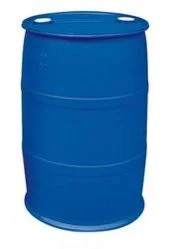
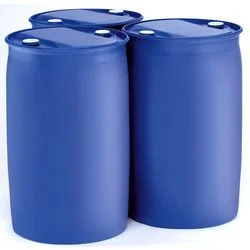
Bulk chemicals are commonly packed in 200 L steel drums or consolidated in 20‑ft containers for sea freight. Moisture content is typically limited to below 0.5 % to preserve product stability during transport.
 Turkey
Related Suppliers & Products
Explore similar suppliers, related products and trending categories