Agriculture›
 Apparel and fashion accessories›
 Construction & real estate›💡Electronic & Electrical›🍎Food & Beverages›🛋️Home furnishing & supplies›⚗️Industrial goods & chemical›🪨Minerals & metals›📦Miscellaneous›Agriculture›Apparel and fashion accessories›Construction & real estate›💡Electronic & Electrical›🍎Food & Beverages›🛋️Home furnishing & supplies›⚗️Industrial goods & chemical›🪨Minerals & metals›📦Miscellaneous›
Aditec Imp. & Exp. Product Catalog




About Aditec Imp. & Exp. - Sunflower Oil Supplier in Germany
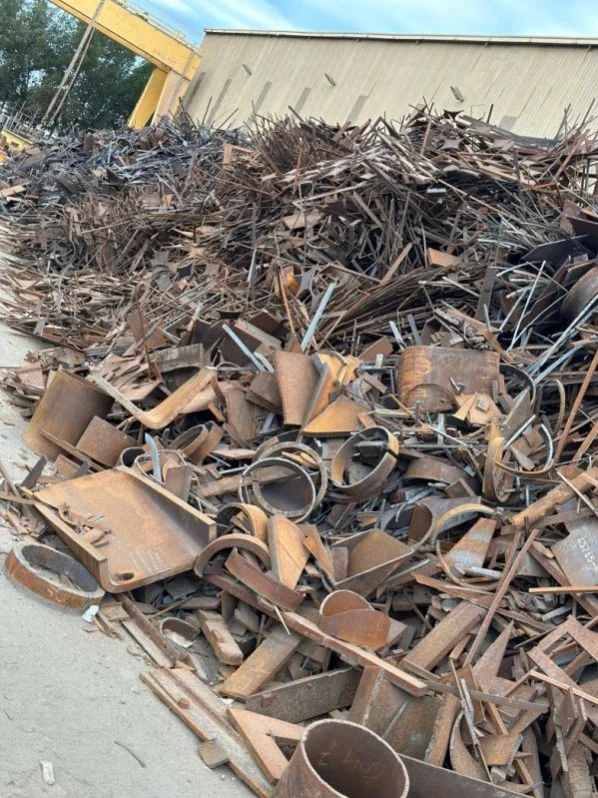
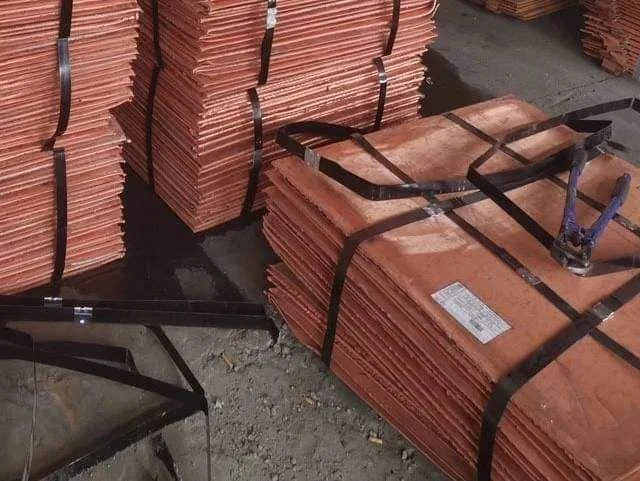
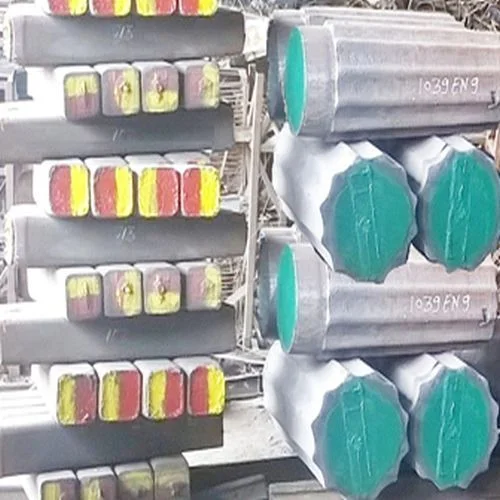
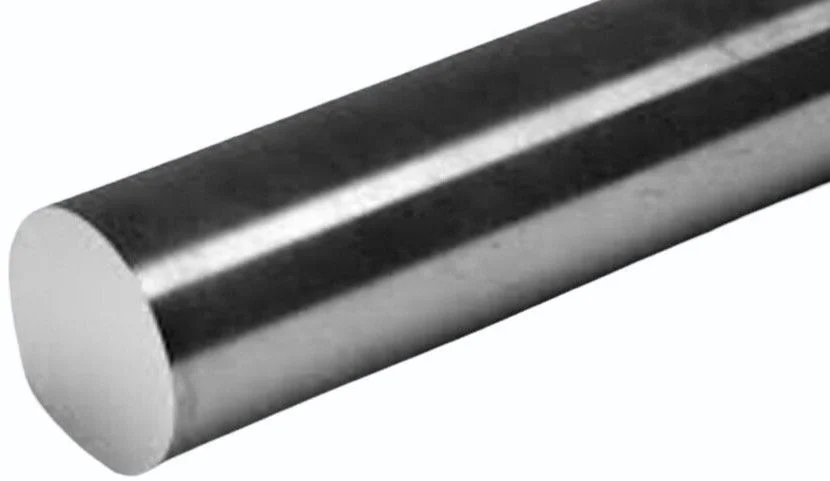
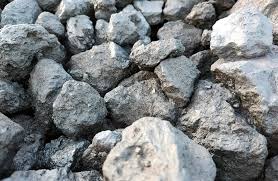
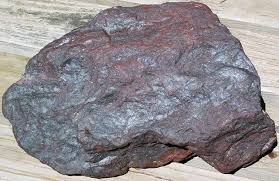
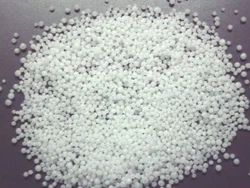
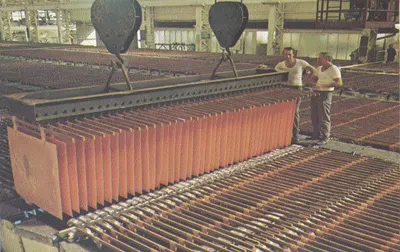
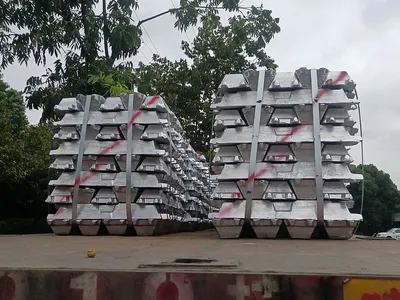
Germany, with a catalogue of 13 active products, lists a variety of commodities ranging from refined sunflower oil to base metals and industrial chemicals. The product list includes refined sunflower oil, copper cathode (HS 7403.11, electrolytic copper 99.99 % LME Grade A), ultrafine copper powder (HS 7403.11, 5N purity), rail scrap (HS 7204.49, ferrous steel scrap grades R50 and R65), steel billets (HS 7207.11, medium carbon steel), aluminum ingots A7 (HS 7601.20, 99.7 % Al), rebar (HS 7214.20, deformed carbon steel), electric power generators, ferro‑silico‑manganese (HS 7202.30), lumpy manganese ore (HS 2602.00, 30‑55 % Mn), iron ore pellets (HS 2601.12, Fe ≥ 65 %), urea and LPG.
The catalogue groups the items under eight top categories: Sunflower Oil, Copper Cathode, Copper Powder, Used Rail Scrap, Steel Billets, Aluminum Ingots, Steel Bars and Electric Power Generators. Each entry is identified by HS code where provided, enabling clear customs classification for international shipments.
Product Range and Specialties of Aditec Imp. & Exp.
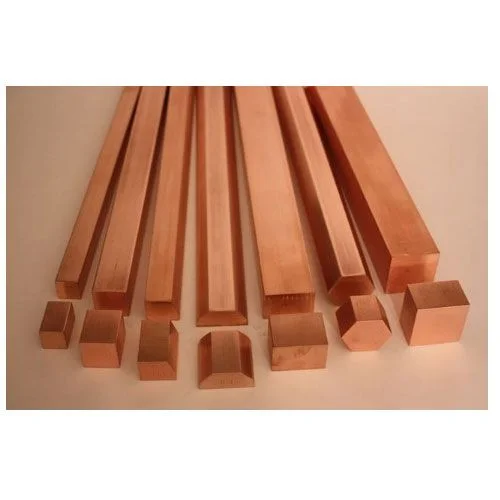
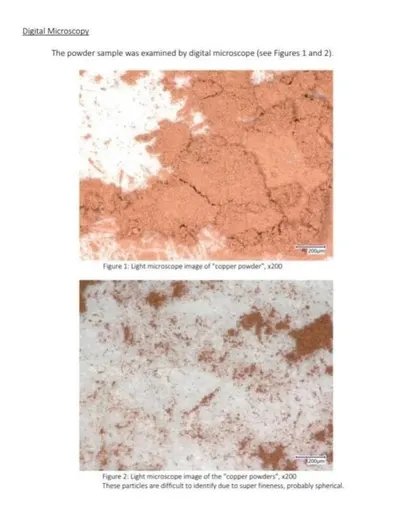
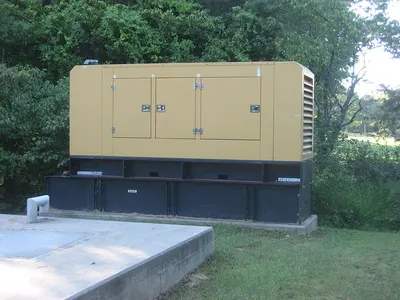
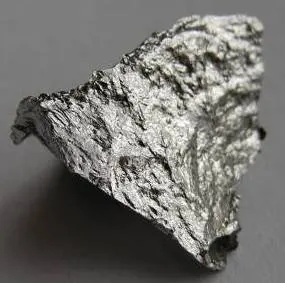
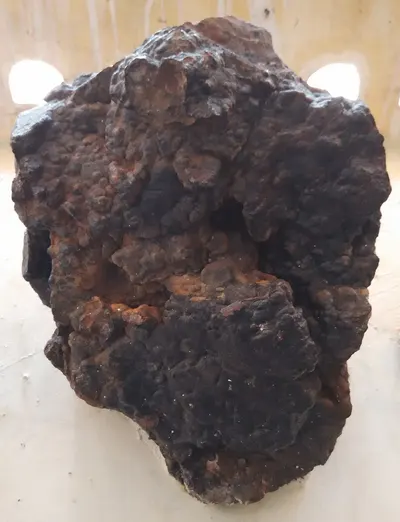
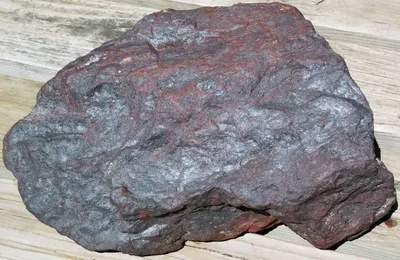
Refined sunflower oil is commonly traded to food processors and meets food‑grade standards such as ICUMSA 45, free fatty acid ≤0.1 % and peroxide value ≤10 meq O₂/kg. Copper cathodes exported from Germany are generally LME Grade A with a minimum purity of 99.99 % Cu and are shipped in 12‑ton plates. Ultrafine copper powder, classified under the same HS heading, is typically supplied at 5 N (99.999 %) purity and used in electronics or additive manufacturing, often packaged in sealed metal drums to prevent oxidation. German rail scrap of grades R50 and R65 conforms to the European Steel Scrap Specification (ESSS) and is priced per metric ton for bulk shipment. Medium‑carbon steel billets (HS 7207.11) are produced to ASTM A108 standards with typical dimensions of 100 mm × 100 mm cross‑section and lengths up to 12 m, suitable for downstream rolling. Aluminum ingots A7 (HS 7601.20) contain 99.7 % Al and are cast in 2‑ton ingots meeting EN 1706 specifications. Deformed reinforcing bars (rebar, HS 7214.20) follow EN 1992‑1‑1 strength classes, commonly 400 MPa or 500 MPa yield strength, and are supplied in 12‑ton bundles. Generators are classified as heavy‑equipment electrical machines, typically rated 0.5 MW to 5 MW, and shipped in containerized or break‑bulk form. Ferro‑silico‑manganese is produced with 65‑70 % Si and 5‑10 % Mn, meeting ASTM A99, while lumpy manganese ore (30‑55 % Mn) and iron ore pellets (Fe ≥ 65 %, low silica) are supplied in bulk bags for steelmaking. Urea is offered as granular fertilizer (46 % N) under HS 3102.19 and LPG is moved in pressurised ISO tanks.
Frequently Asked Questions About Aditec Imp. & Exp.
Which HS codes apply to the copper products listed by the supplier?
Copper cathode and ultrafine copper powder are both classified under HS 7403.11, which covers copper cathodes and powder of refined copper.
What purity levels are offered for the copper cathode and copper powder?
The cathode is listed as electrolytic copper with 99.99 % Cu (LME Grade A) and the powder is specified as high‑purity copper 5N, i.e., 99.999 % Cu.
How is refined sunflower oil typically packaged for export?
Exporters of refined sunflower oil usually pack the product in 20 kg food‑grade steel drums or 1‑ton intermediate bulk containers (IBCs) to preserve quality and meet food‑safety standards.
What documentation should a buyer request for steel billets and rebar?
Buyers should ask for a mill test report showing chemical composition and mechanical properties, a certificate of conformity to EN 10025 (billets) or EN 10080 (rebar), and a Certificate of Origin for customs clearance.
What are the common shipment sizes for aluminum ingots A7?
Aluminum ingots A7 are typically cast in 2‑ton ingots and shipped in 20‑ft or 40‑ft containers as bulk cargo, or as break‑bulk on vessels for larger orders.
 Germany
Related Suppliers & Products
Explore similar suppliers, related products and trending categories