Adif Global — Supplier
About Adif Global - Industrial Gloves Supplier in India
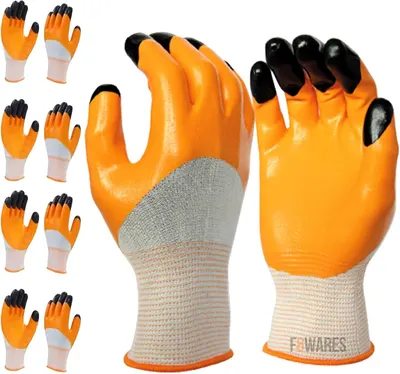
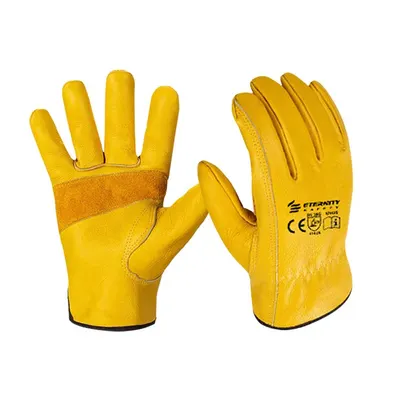
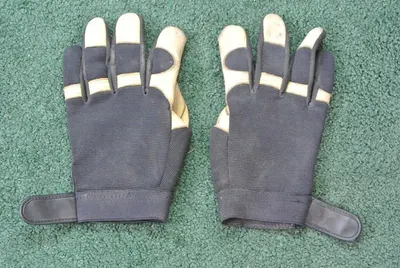
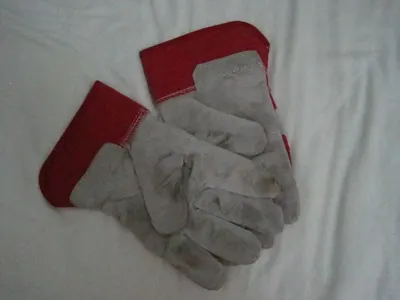
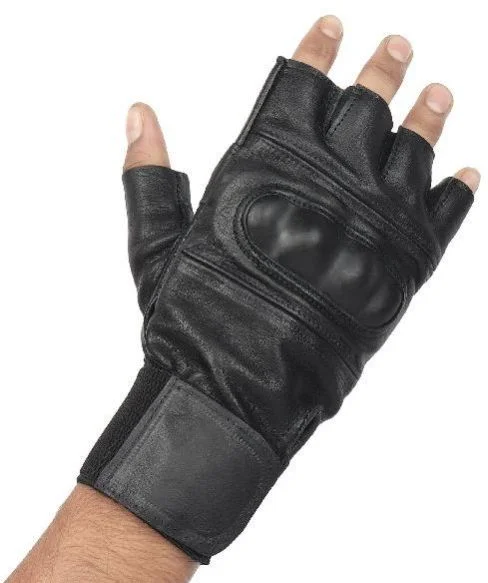
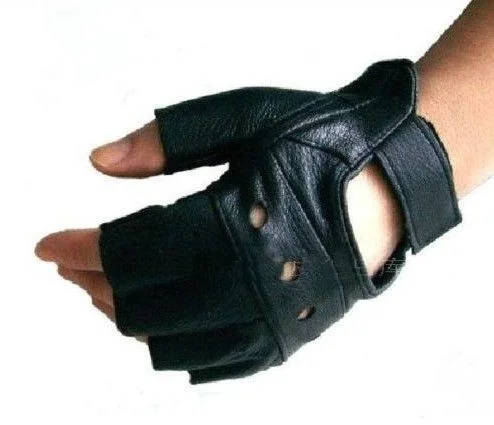
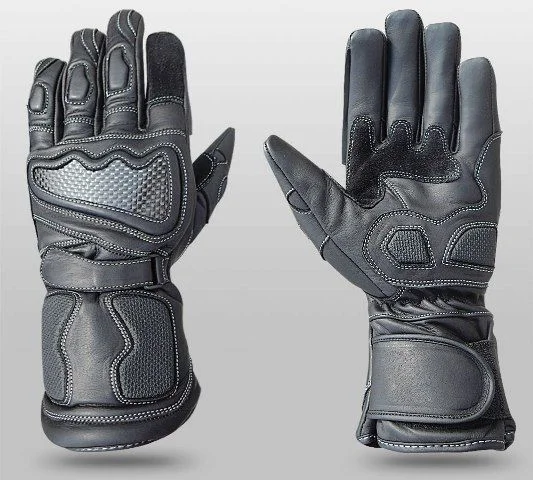
India‑based Adif Global lists twelve distinct glove products across its catalogue. The items include Work Gloves Crusher, Work Gloves Agri, Work Gloves Logis, CONS, Fire‑Protector Gloves, Ice‑Resister Gloves, Mount Work Gloves, Mechanical Gloves, and four variants of Leather Safety Gloves identified by separate SKU codes. All products fall under the broader industrial and leather glove categories that are commonly classified under HS chapter 61 for protective handwear. The supplier’s catalogue reflects a focus on both general‑purpose work gloves and specialised safety gloves for fire, cold and mechanical hazards.
The product titles indicate functional specialisations such as crushing resistance, agricultural handling, logistics handling, fire protection and ice resistance. Leather Safety Gloves are offered in multiple SKU versions, suggesting variations in size or reinforcement. In global trade, gloves of this type are typically subject to EN 388 impact, cut and abrasion ratings and may also be evaluated against ASTM D1128 for tensile strength. Buyers can expect the goods to be packed in cardboard cartons suitable for container loading, with HS codes in the 6115‑99 range for other protective gloves.
Product Range and Specialties of Adif Global
Adif Global’s catalogue covers eight varieties of industrial work gloves and four leather safety glove models. Industrial gloves such as the Crusher, Agri, Logis, Mount, Mechanical and the CONS line are usually manufactured from synthetic leather, nitrile‑coated fabrics or reinforced palm leather to meet cut, puncture and grip requirements. In the broader market, industrial gloves are graded by EN 388 where level A to D denotes resistance to abrasion, blade cut, tear and impact. Leather safety gloves are typically evaluated for thermal resistance (EN 388‑A) and may carry ISO 13997 cut‑resistance values measured in Newtons. Buyers often request data sheets that list glove thickness, palm material composition, size ranges and compliance with REACH for hazardous substances.
Typical industry variants include nitrile‑coated gloves for chemical resistance, PU‑coated gloves for oil‑free grip, and insulated liners for cold environments such as the Ice‑Resister model. Standard specifications also cite palm grip ratings, wrist length, and whether the glove is double‑stitched for durability. These details help buyers match glove performance to specific occupational hazards.
Trade and Export Information - Adif Global
India is a major exporter of protective gloves, with the European Union, United States and Middle‑East markets accounting for the largest share of shipments. HS code 6115‑99 is commonly used for protective gloves not elsewhere specified, while HS 6115‑10 covers leather gloves. Export shipments are usually dispatched in 20‑foot or 40‑foot containers, with each carton holding 100‑200 pairs depending on glove size and packaging density. Buyers typically require certificates such as EN 388 test reports, ISO 9001 quality system certification and REACH compliance statements; these are not listed in the supplier facts and should be confirmed directly. Indian glove exporters often work on CIF or FOB terms, with standard export documentation including commercial invoice, packing list, certificate of origin and, where required, a phytosanitary certificate for leather products.
Sourcing from Adif Global - Buyer Guidance
Potential buyers should request product data sheets that detail material composition, glove thickness, EN 388 or ASTM ratings and any thermal protection levels for fire‑protector or ice‑resister models. Sample orders are advisable to verify fit, grip and durability before confirming larger volumes. Verify that the supplier can provide test reports for cut resistance, tensile strength and, for leather gloves, any relevant leather‑grade certifications such as ISO 17025 laboratory accreditation. Typical minimum order quantities for Indian glove manufacturers range from one to two full container loads, with lead times of 30‑45 days after order confirmation. Ensure that packaging specifications meet the buyer’s logistics plan, including carton dimensions, stacking limits and moisture‑resistant inner liners for cold‑weather gloves.
Frequently Asked Questions About Adif Global
What glove categories does Adif Global offer?
The catalogue lists eight industrial work glove types and four leather safety glove variants, covering functions such as crushing resistance, agricultural handling, logistics, fire protection, ice resistance and general mechanical protection.
Are the gloves compliant with international safety standards?
The supplier’s facts do not list specific certifications; buyers should request EN 388 impact, cut, tear and abrasion test reports or equivalent ASTM test results for each glove model.
Which HS codes are applicable to these gloves?
Protective gloves not otherwise specified fall under HS 6115‑99, while leather safety gloves are typically classified under HS 6115‑10 in international customs tariffs.
What documentation should a buyer request before purchasing?
Request a commercial invoice, packing list, certificate of origin, REACH compliance statement and any applicable test reports such as EN 388 or ISO 13997 for cut resistance.
What are typical packaging and shipment formats?
Gloves are commonly packed in cardboard cartons, with 100‑200 pairs per carton, and shipped in 20‑foot or 40‑foot containers depending on order size.
What are common lead times and minimum order quantities?
Lead times are generally 30‑45 days after order confirmation, and minimum orders usually start at one full container load, though exact MOQ should be confirmed with the supplier.
How can a buyer obtain samples?
Buyers should ask the supplier to dispatch a sample set of the desired glove model, specifying size and any required certification documents for evaluation before placing a larger order.
Which markets typically import gloves of this type?
Major import markets for Indian protective gloves include the European Union, United States and countries in the Middle East, where manufacturers and distributors seek EN 388‑certified hand protection for industrial and construction sectors.




 , India