A.S.Woollen Industries — Verified Supplier
About A.S.Woollen Industries - Woolen Carpets Supplier in India
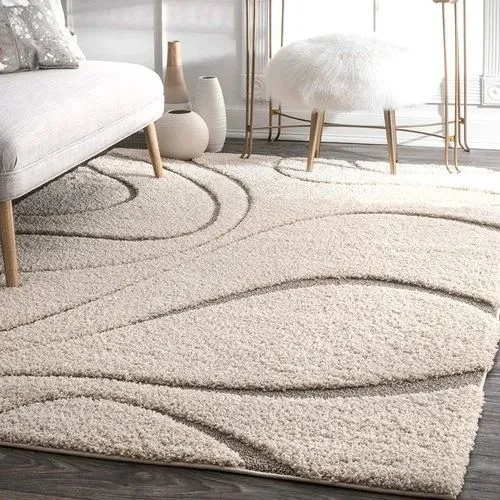
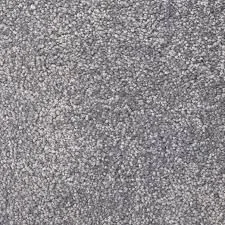
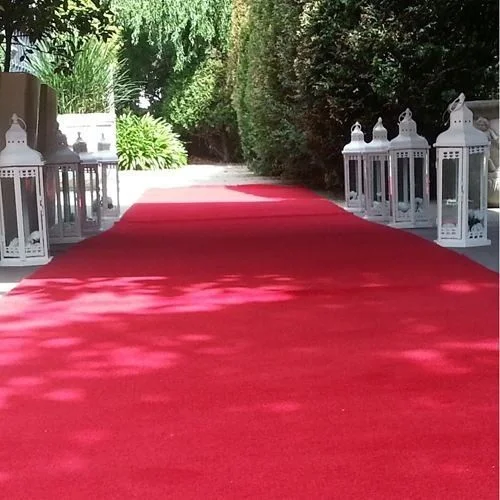
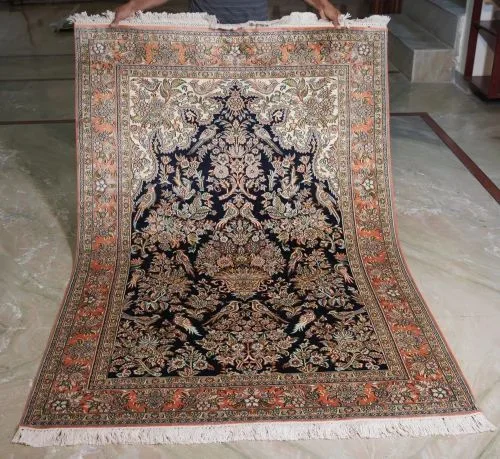
India hosts A.S.Woollen Industries, which currently lists six active products across the carpet and textile segment. The catalogue includes Woolen Carpets, three named rug lines - Tigris Rugs, Noor‑jahan Rugs and Moghal Shah Carpet - a Jute Carpet and a Shawl. Each product falls within the broader HS Chapter 57 for woven carpets and Chapter 63 for textile articles, the standard tariff headings used for such goods. The supplier’s portfolio therefore spans both natural‑fiber wool products and jute‑based floor coverings, reflecting the material diversity typical of Indian textile exporters. The entry does not provide any certified standards or corporate history beyond these listed items.
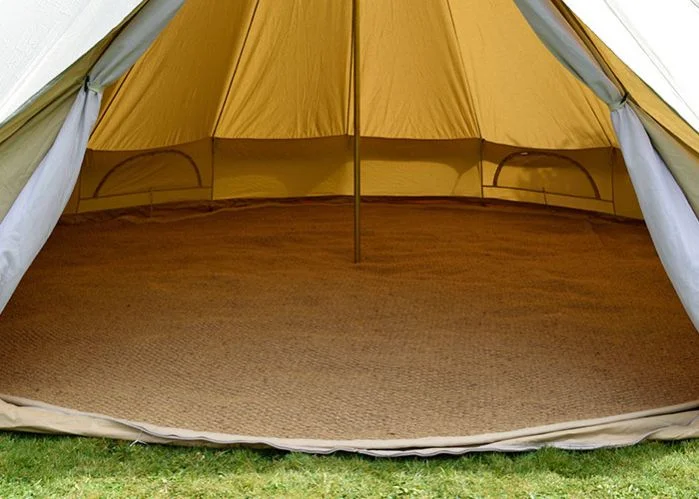
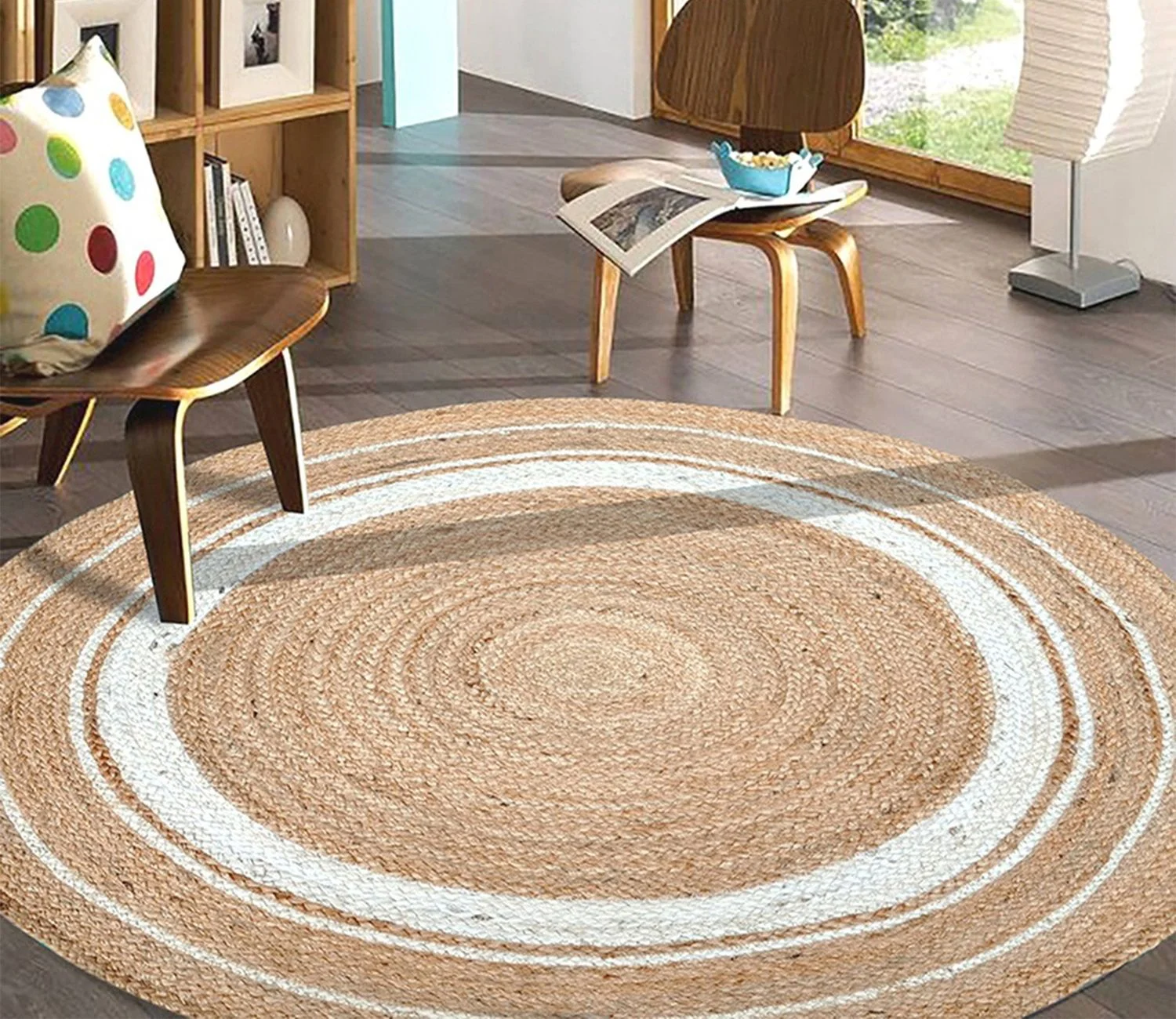
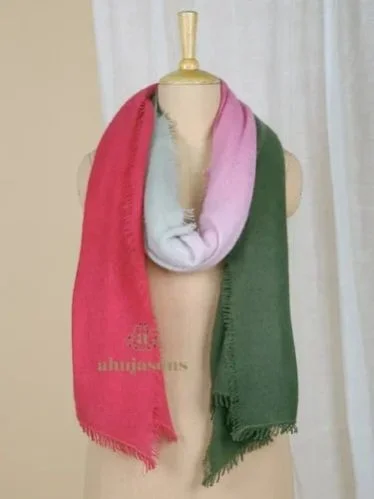
The listed items cover three main categories: woolen floor coverings, jute floor coverings and hand‑woven shawls. Woolen Carpets and the three rug variants are described as hand‑knotted or hand‑tufted pieces, while the Jute Carpet is a flat‑woven product made from natural jute fibre. The Shawl entry suggests a textile accessory, likely produced from wool or blended yarns. No additional product specifications such as pile height, GSM or dimensions are supplied, but the catalogue confirms the presence of these six distinct product types.
Product Range and Specialties of A.S.Woollen Industries
A.S.Woollen Industries’ catalogue presents six concrete items: Woolen Carpets, Tigris Rugs, Noor‑jahan Rugs, Moghal Shah Carpet, Jute Carpet and Shawl. In the global market, woolen carpets are frequently graded by pile height (typically 10‑30 mm), density (often 300‑500 knots m²) and wool content (commonly 80‑100 % pure wool). Jute carpets are usually measured by weight per square metre, with common specifications ranging from 200‑400 g m‑2, and they may be blended with synthetic backing for durability. Hand‑woven shawls are often categorized by fabric weight (e.g., 150‑250 g m‑2) and fibre type, with pashmina or pure wool shawls requiring a minimum fibre length of 30‑40 mm for softness. Buyers can therefore expect these typical industry grades to apply when evaluating the supplier’s products.
Industry practice for these categories includes compliance with ISO 9001 quality management, Oeko‑Tex Standard 100 for textile safety, and where applicable fire‑retardancy tests such as BS 5852 for carpets. Although the supplier’s own certifications are not listed, exporters of Indian wool and jute textiles commonly obtain these standards to satisfy European and North American import requirements.
Trade and Export Information - A.S.Woollen Industries
India is a leading exporter of woolen and jute textiles, with the European Union, United States and Middle‑East regions accounting for the largest share of carpet and shawl imports. Products classified under HS Chapter 57 (carpets and other textile floor coverings) and Chapter 63 (other made‑up textile articles) are typically subject to phytosanitary checks, labelling of fibre content, and, for wool, compliance with the International Wool Textile Organisation (IWTO) guidelines. Importers frequently request certificates of origin, compliance with REACH (for chemical restrictions) and, for jute, verification of sustainable sourcing under the International Jute Study Group standards. Common logistics involve loading 20‑foot or 40‑foot containers, with freight terms such as CIF (Cost, Insurance, Freight) to ports in Europe or the Gulf. The supplier’s target markets are not specified, so buyers should confirm the preferred Incoterms and any required pre‑shipment inspections.
Because the catalogue does not list specific certifications, buyers are advised to request current test reports - for example, fibre composition analysis, fire‑resistance performance for carpets, and moisture content for jute - before finalising orders. Indian exporters often work with independent inspection agencies (e.g., SGS, Bureau Veritas) to provide such documentation, facilitating customs clearance in the destination country.
Sourcing from A.S.Woollen Industries - Buyer Guidance
When sourcing from A.S.Woollen Industries, buyers should ask for product samples that illustrate pile height, density and fibre blend for woolen carpets, as well as a weight‑per‑square‑metre sample for the jute carpet. Laboratory test reports confirming wool purity, jute fibre tensile strength and any fire‑retardancy classification are typical documents that help verify compliance with European or North American standards. Requesting a recent certificate of origin and, if available, an ISO 9001 or Oeko‑Tex audit report will further reduce risk during customs processing. Verify packaging details - most carpet shipments are palletised on wooden or plastic pallets, with the shawl typically packed in sealed poly‑bag cartons - and confirm container loading plans to avoid damage during transit.
Frequently Asked Questions About A.S.Woollen Industries
What carpet and rug products are listed by A.S.Woollen Industries?
The catalogue lists Woolen Carpets, Tigris Rugs, Noor‑jahan Rugs and Moghal Shah Carpet, covering both standard woolen floor coverings and decorative rug styles.
Does the supplier provide any certifications for its textile products?
No certifications are mentioned in the supplied data; buyers should request any relevant ISO, Oeko‑Tex or fire‑resistance certificates directly from the supplier.
What material is used for the Jute Carpet?
The Jute Carpet is made from natural jute fibre, a common material for flat‑woven floor coverings that is typically measured by weight per square metre.
What are the typical specifications buyers look for in woolen carpets?
Buyers usually check pile height (10‑30 mm), knot density (300‑500 knots m‑2) and wool content (80‑100 % pure wool) to assess quality.
Which documents should a buyer request before ordering a shawl?
A buyer should request a fibre composition test report, a sample of the finished shawl, and, if available, an Oeko‑Tex Standard 100 certificate to confirm safety.
What are common export destinations for Indian wool and jute textiles?
Typical import markets include the European Union, the United States and Gulf Cooperation Council countries, where buyers often require REACH compliance and certificates of origin.
What packaging methods are standard for carpet shipments?
Carpets are usually palletised on wooden or plastic pallets, wrapped in protective film, and loaded into 20‑ft or 40‑ft containers for sea freight.
What inspection or testing agencies can verify the quality of these products?
Independent agencies such as SGS, Bureau Veritas or Intertek can provide laboratory analysis, fire‑resistance testing and pre‑shipment inspection reports for woolen and jute textiles.




 , India