A&BC Trading & Consulting Co. — Supplier
About A&BC Trading & Consulting Co. - Cement Supplier in Turkey
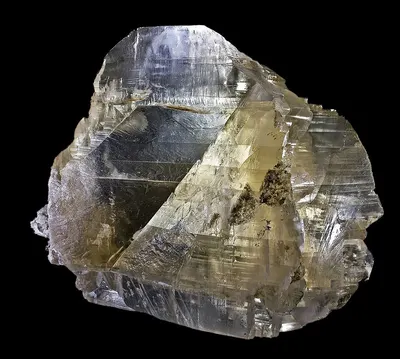
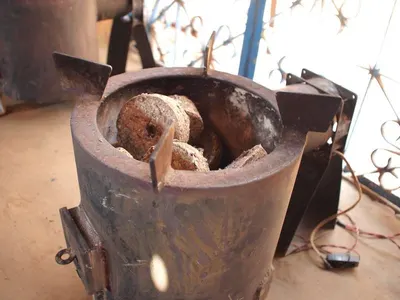
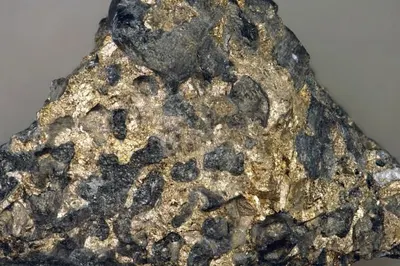
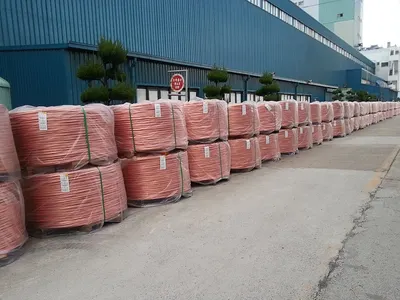
Based in Izmir, Turkey, A&BC Trading & Consulting Co. lists 13 active products across the building materials and mineral sectors. The catalogue includes cement, clinker, FGD gypsum, natural gypsum, fly ash, bauxite, slag, rebar (wire rod), bentonite, scrap steel, pumice stone, and wood pellets. Each item falls under its relevant HS chapter, such as cement (HS 2523) and gypsum (HS 2521), although specific codes are not disclosed in the source data. The company operates with an imported supplier tier and a harbor trust tier, indicating established customs handling. Its branch in Dubai supports regional distribution.
Product Range and Specialties of A&BC Trading & Consulting Co.
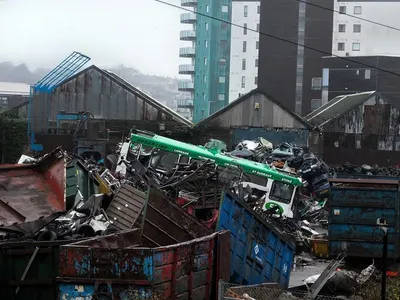
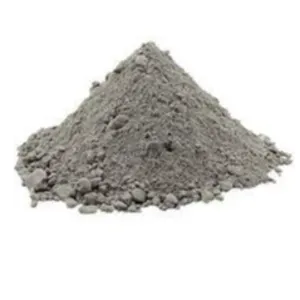
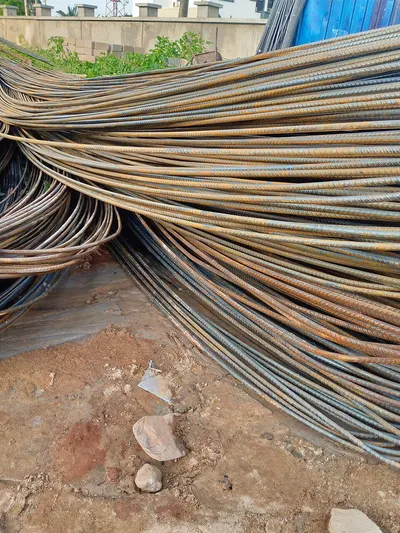
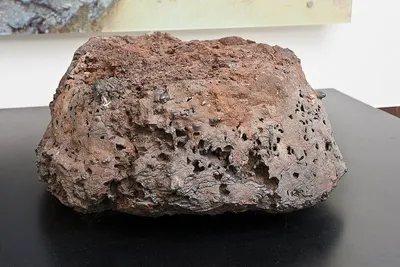
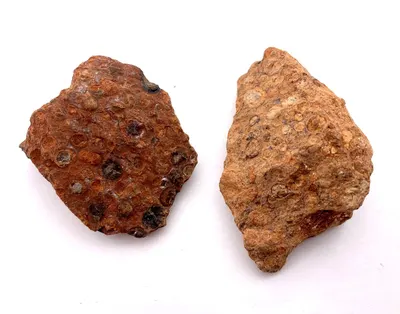
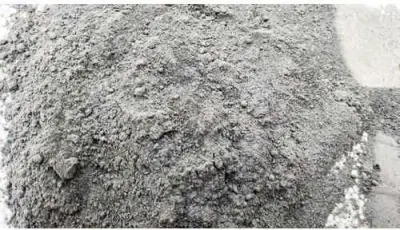
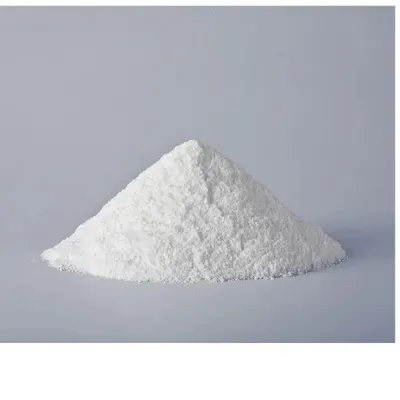
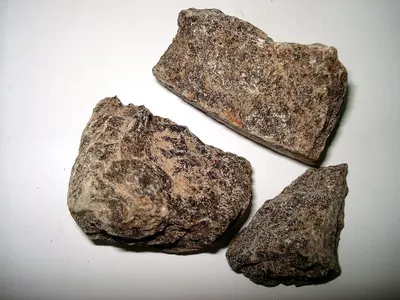
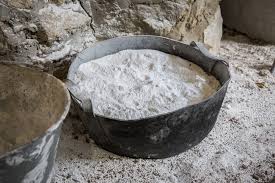
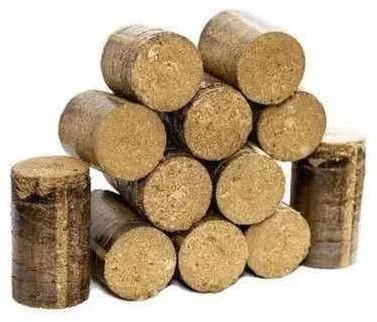
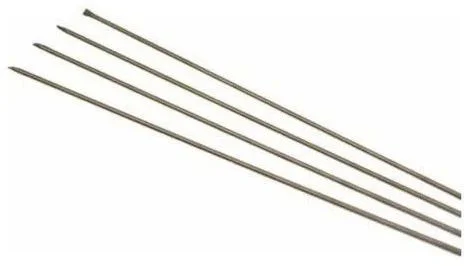
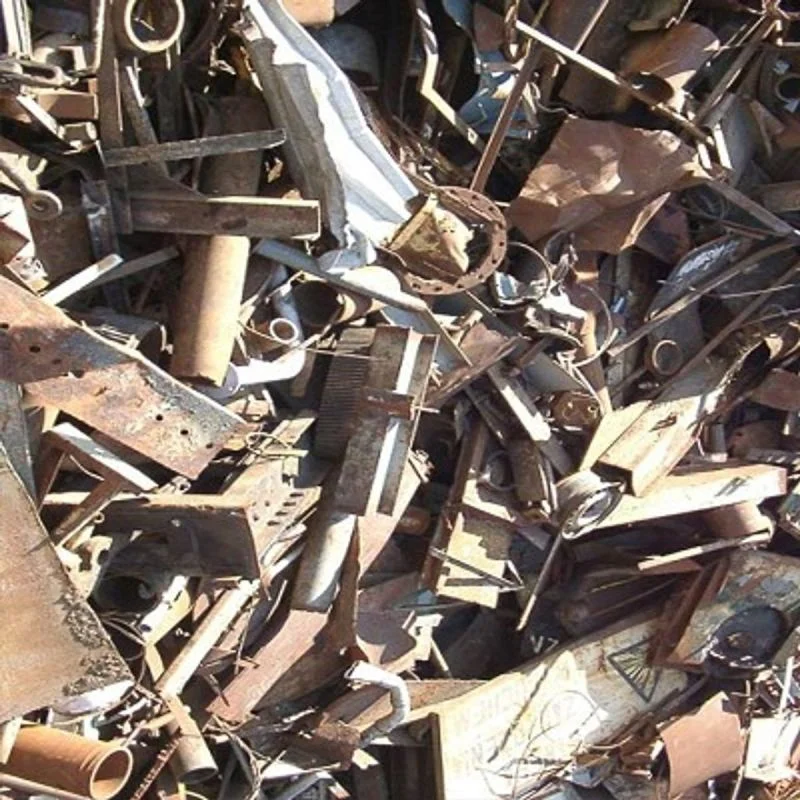
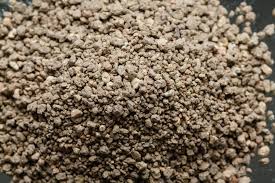
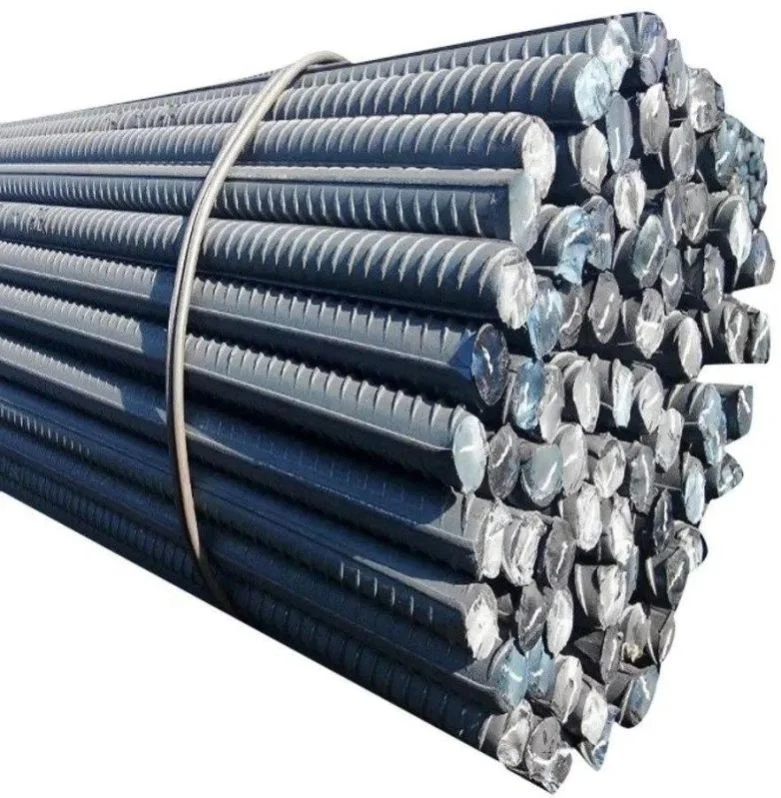
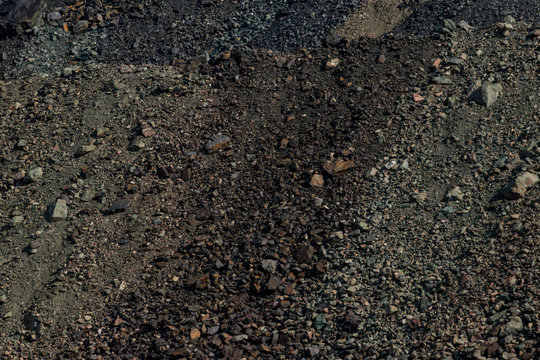
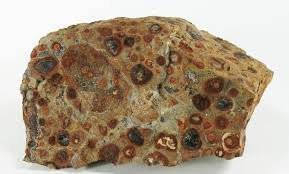
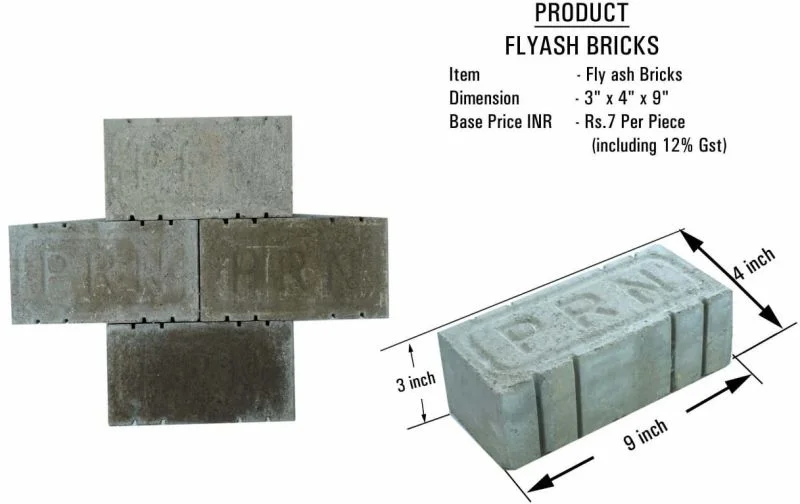
The listed products cover primary binders, supplementary cementitious materials, mineral additives, and metallurgical inputs. Cement is typically offered in ordinary Portland grades such as 42.5R and 52.5R, while clinker conforms to the same strength classes before grinding. FGD gypsum and natural gypsum are supplied with calcium sulfate dihydrate purity above 95 % and moisture below 0.5 %. Fly ash is generally class F with loss‑on‑ignition under 5 % and silica content above 30 %. Bauxite is exported with Al₂O₃ content in the 50‑55 % range, and slag is provided as granulated steel slag meeting ASTM C989 specifications. Rebar and wire rod are supplied in standard steel grades such as B500B, with tensile strength around 500 MPa. Bentonite is offered in sodium form with swelling index above 100 % and moisture below 12 %. Scrap steel is categorized by ferrous content and size fractions, while pumice stone is sized 0‑8 mm for lightweight aggregate use. Wood pellets meet EN 14961‑2 requirements, typically showing moisture content below 10 % and calorific value around 17 MJ kg⁻¹.
Trade and Export Information - A&BC Trading & Consulting Co.
Turkey exports cement and clinker mainly to the EU, Middle East, and North Africa, using bulk carriers or containerized shipments under FOB or CIF terms. Gypsum and FGD gypsum are commonly shipped to plaster manufacturers in Europe and the GCC, requiring compliance with EN 13279‑1 and ASTM C472. Fly ash and bentonite are in demand by the construction and drilling sectors in Central Asia and Eastern Europe, where test reports for chemical composition and loss‑on‑ignition are standard. Bauxite, slag, and scrap steel are typical inputs for aluminium smelters and steel mills in the Mediterranean basin, with HS chapters 2615, 7208 and 7208 respectively, and buyers often request ISO 9001 and relevant metallurgical certificates. Wood pellets and pumice stone are exported to heating and lightweight aggregate markets in Scandinavia and the Balkans; they are usually packed in 1 t bulk bags or 20 ft containers, and buyers look for EN 14961‑2 compliance and moisture certificates.
Sourcing from A&BC Trading & Consulting Co. - Buyer Guidance
When sourcing cement or clinker from this supplier, request a mill test report that lists 28‑day compressive strength, fineness (Blaine), and alkali content. For gypsum products, obtain a certificate of analysis confirming calcium sulfate dihydrate purity and insoluble residue limits. Fly ash buyers should ask for a class F designation report, including SiO₂, Al₂O₃, Fe₂O₃ percentages and loss‑on‑ignition values. Bauxite shipments require a specification sheet stating Al₂O₃, SiO₂, Fe₂O₃, and moisture content, together with a sampling protocol per ASTM B117. Steel‑related items such as rebar, wire rod, slag and scrap should be accompanied by a chemical analysis and tensile test results matching ASTM C108 or EN 10210 where applicable. For wood pellets and pumice stone, request a moisture and calorific value test report and verify packaging dimensions against shipping container capacity.
Frequently Asked Questions About A&BC Trading & Consulting Co.
What HS chapters do the products from A&BC Trading & Consulting Co. fall under?
Typical HS chapters are 2523 for cement, 2525 for clinker, 2521 for gypsum, 2615 for bauxite, 7208 for scrap steel, 2501 for wood pellets, 2601 for slag, and 2507 for bentonite. The catalogue does not list exact HS codes for each item.
Which quality certifications should a buyer request for the cement and clinker?
Buyers should request a mill test report and, if available, ISO 9001 certification or compliance with EN 197‑1 for cement grades such as 42.5R and 52.5R.
What specifications are common for fly ash supplied from Turkey?
Fly ash is usually class F, with loss‑on‑ignition below 5 %, silica content above 30 %, and a specific surface area of at least 300 m² kg⁻¹. A test report following ASTM C618 is standard.
How is gypsum quality verified for export?
Gypsum quality is verified by a certificate of analysis showing calcium sulfate dihydrate purity above 95 % and moisture below 0.5 %, in line with EN 13279‑1.
What are the typical moisture limits for wood pellets and pumice stone?
Wood pellets are generally required to have moisture content below 10 % and a calorific value around 17 MJ kg⁻¹; pumice stone is often shipped with moisture under 2 % to prevent clumping.
Which documents are needed for steel products such as rebar and scrap?
A chemical composition analysis, tensile strength test results, and, where applicable, compliance with ASTM A615 for rebar or ASTM C108 for slag, should be provided.
What packaging formats are used for bulk shipments of these commodities?
Cement, clinker, gypsum and slag are usually loaded in bulk carrier holds or 20 ft/40 ft containers on pallets; wood pellets and pumice stone are commonly packed in 1‑ton bulk bags or stacked in containers.
Which regions are the primary import markets for these Turkish commodities?
Primary markets include the European Union, the Gulf Cooperation Council countries, North Africa, and parts of Eastern Europe, where construction and steel industries have high demand for these materials.




 , Turkey