3-elite Pte Ltd. — Verified Supplier
About 3-elite Pte Ltd. - Remote Controls Supplier in Taiwan
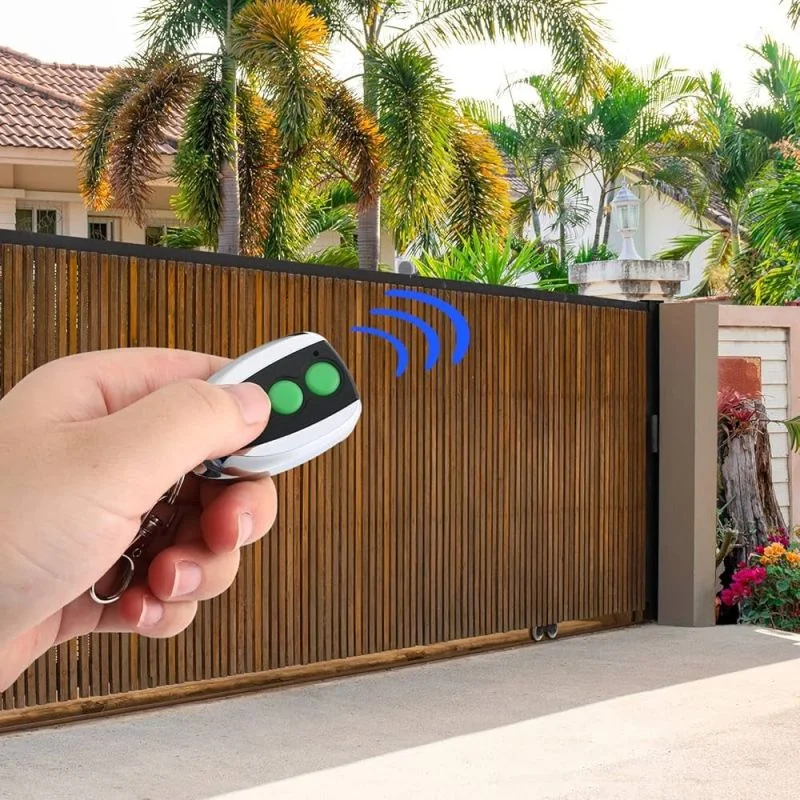
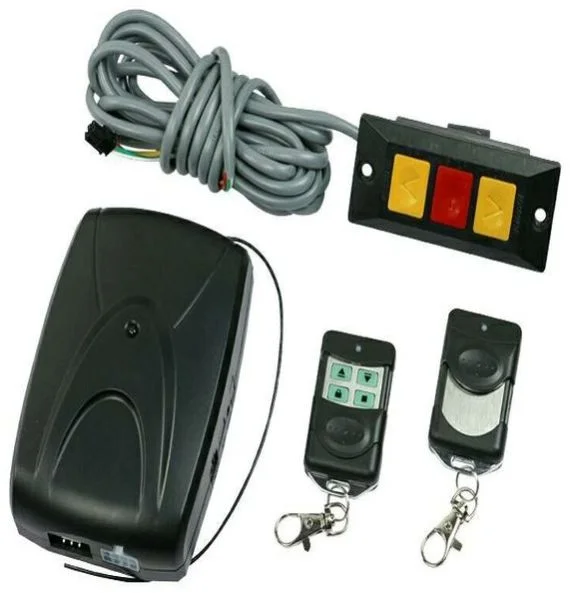
Taiwan is the origin of 3-elite Pte Ltd., which currently lists five active products on its catalogue. The company’s catalogue focuses on industrial radio remote controls, specifically the Apollo series models C1‑4PB, C1‑6PB, and the Mini series 20, 30 and 40. Each item is classified under the broader category of Remote Controls within the electrical components segment. The product titles indicate a radio‑frequency based control unit intended for machinery operation. The listing does not provide HS codes or certification details.
All five entries fall under the Remote Controls category, which is part of the electrical machinery and equipment HS Chapter 85. The remote controls are designed for integration with electric switch gears and light‑medium machinery, matching the supplier’s other top categories. The catalogue specifies the model names but does not include technical parameters such as operating frequency, battery type, or transmission range. The absence of additional data suggests that buyers must request detailed specifications directly from the supplier.
Product Range and Specialties of 3-elite Pte Ltd.
The catalogue comprises five industrial radio remote control units. In the broader market, such remote controls are typically built to operate on 433 MHz or 2.4 GHz ISM bands, comply with IEC 60947‑2 for switching devices, and often carry CE or FCC conformity marks for safety and electromagnetic compatibility. Standard specifications include a transmission range of 10‑50 m, battery life of 1‑2 years with a 3 V coin cell, plastic housing with IP 54 protection against dust and splash, and an output current rating compatible with 0.5‑2 A loads. Buyers usually encounter variants with programmable codes, multi‑channel capability, and latch or momentary switch modes.
Materials commonly used are high‑impact ABS or polycarbonate for the enclosure and copper alloy contacts for the switching circuit. Remote control units for machinery are frequently supplied in bulk packaging of 20‑unit cartons, suitable for container loading. The Apollo series naming suggests a compact form factor, but exact dimensions and weight must be confirmed with the supplier.
Trade and Export Information - 3-elite Pte Ltd.
Taiwan is a recognized exporter of electronic control devices, and remote controls fall under HS code 8526.90 (Other radio navigation equipment) or 8531 (Electrical relays, switches, and circuit breakers). Export shipments from Taiwan typically use 20‑foot or 40‑foot containers, with unit‑level packaging in sealed polyethylene bags or cardboard boxes to protect against moisture. Main import destinations for Taiwanese remote controls include China, Japan, South Korea, the United States, and European Union markets, where they are used in automation, HVAC, and light‑medium machinery applications. Common buyer requirements include CE, FCC, and ISO 9001 certifications, as well as test reports for radio frequency compliance and electromagnetic interference (EMI) limits.
Regulatory oversight in the destination markets often mandates an EMC test report according to IEC 61000‑4‑3 and a safety test per IEC 60950‑1 for electronic equipment. Importers may also request a Declaration of Conformity (DoC) and a Material Safety Data Sheet (MSDS) for any plastic components. While the supplier’s facts do not list specific certifications, buyers should verify that the products meet the relevant standards before shipment.
Sourcing from 3-elite Pte Ltd. - Buyer Guidance
When sourcing from 3-elite Pte Ltd., request a detailed datasheet that lists operating frequency, transmission power, battery type, range, IP rating and load current. Ask for any available CE, FCC or other conformity certificates, as well as test reports for EMC and safety compliance. Because the catalogue does not state minimum order quantities, clarify the MOQ and lead time for each Apollo model before placing an order.
Sample units are advisable to evaluate radio performance, battery life, and mechanical durability. Verify the packaging dimensions and weight to calculate freight costs, and confirm whether the supplier can provide unit‑level labeling for HS code declaration. Ensure that the supplier can issue a commercial invoice and packing list that match the required import documentation for the target market.
Frequently Asked Questions About 3-elite Pte Ltd.
What types of remote control products does 3-elite Pte Ltd. list?
The supplier lists five industrial radio remote control units: Apollo C1‑4PB, Apollo C1‑6PB, and the Mini series 20, 30 and 40.
Which HS code families are applicable to these remote controls?
Remote controls of this type are generally classified under HS Chapter 85 for electrical machinery, or more specifically under HS code 8526.90 for other radio navigation equipment.
What certifications should a buyer request for these products?
Buyers should request CE or FCC conformity marks, an EMC test report per IEC 61000‑4‑3, and a safety test report according to IEC 60950‑1 or IEC 60947‑2, depending on the switch gear integration.
Are samples available before a full order?
Buyers can ask the supplier to provide a functional sample of any Apollo model to assess radio range, battery life and build quality.
What typical minimum order quantity (MOQ) applies?
The catalogue does not state an MOQ; the buyer should confirm the required quantity directly with the supplier for each model.
What is the usual lead time for production and shipment?
Lead time depends on order size and model; buyers should request a specific schedule from the supplier, noting that container loading may add 1‑2 weeks.
How are the remote controls packaged for export?
Export packaging commonly uses sealed polyethylene bags or cardboard cartons, grouped into 20‑unit cartons suitable for 20‑ft or 40‑ft container loading.
Which markets commonly import Taiwanese remote controls?
Key import markets include China, Japan, South Korea, the United States and the European Union, where the devices are used in automation, HVAC and light‑medium machinery sectors.




 , Taiwan