Agriculture›
Apparel and fashion accessories›
Construction & real estate›💡Electronic & Electrical›🍎Food & Beverages›🛋️Home furnishing & supplies›⚗️Industrial goods & chemical›🪨Minerals & metals›📦Miscellaneous›
Agriculture›
Apparel and fashion accessories›
Construction & real estate›💡Electronic & Electrical›🍎Food & Beverages›🛋️Home furnishing & supplies›⚗️Industrial goods & chemical›🪨Minerals & metals›📦Miscellaneous›

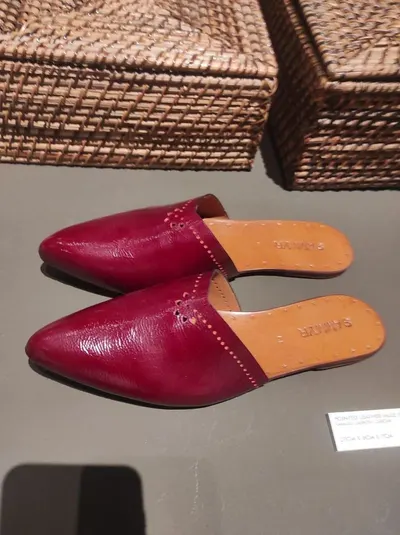
Boots 26 from Monyer is a leather ankle boot produced in Poland, positioned for buyers who need a classic silhouette with everyday durability rather than statement patterning. The upper is described as premium leather, though no specific tannage or origin of hide is provided, and the interior uses a soft lining material for direct skin contact. The outsole is engineered for traction across varied surfaces, suggesting a multi-directional lug or recessed groove pattern rather than a flat dress sole. A classic silhouette implies a rounded toe and moderate heel, a shape that sustains demand across multiple seasons. Buyers should request a leather grade specification, as premium can denote anything from corrected grain to full aniline depending on the supplier's quality tier.
The leather upper in Boots 26 allows patina development and breathability compared to fully synthetic alternatives, but also requires more involved care and shows wear more readily. Polish leather footwear typically uses cowhide from domestic or Italian tanned stock, with chrome tanning still dominant though vegetable-tanned options exist for niche markets. The soft interior lining may be textile mesh, pigskin, or microfibre, each with distinct moisture management and cost implications. The robust sole likely uses a thermoplastic rubber or PU compound rather than natural crepe, giving longer wear but less cold-weather grip. Stitch-down or Blake construction is possible given the classic positioning, though cemented assembly remains common at mid-price points.
Boots 26 serves retail chains, online footwear brands, and corporate uniform programmes where a neutral leather boot projects professionalism without trend risk. The hospitality sector, particularly hotel concierge and restaurant management roles, represents a steady B2B channel for this style. Polish leather goods carry reputational weight in Central and Eastern European supply, with established tanning heritage in the Silesia and Greater Poland regions. Importers should note that the source description does not state waterproofing, safety toe caps, or slip-resistance certification, so these must be explicitly requested if required for regulated workplaces. Lead times, exact MOQ, and price points are absent from the data and must be confirmed directly with Monyer before planning seasonal stock.
| Upper Material | Leather, grade and tannage unspecified (request full-grain, corrected grain, or split classification) |
| Lining Material | Soft textile or leather lining, exact composition to be confirmed |
| Outsole Material | Rubber or thermoplastic polyurethane, engineered traction pattern (standard casual boot compound) |
| Heel Type | Moderate block heel, typical 25-40 mm for classic ankle boot |
| Toe Shape | Rounded classic silhouette (standard fashion dimension, not safety reinforced) |
| Construction Method | Not stated; request confirmation of cemented, Blake, or stitch-down |
| Upper Leather Thickness | Typical 1.2-1.6 mm for fashion boot uppers; confirm with supplier in millimetres |
| Intended Use Classification | Casual to smart-casual, non-safety, non-waterproof unless specified |
| Origin | Poland |
| Supplier Response Data | 0% response rate, 0 hours average response (confirm communication channel before ordering) |
Monyer operates as an imported supplier with harbor trust tier status, offering Polish-origin footwear to wholesale buyers. Märkische or similar regional production is possible given clustering of leather workshops, though no factory location is disclosed. The supplier profile lacks response activity, meaning buyers cannot rely on platform messaging alone and should seek direct email or telephone contact. No ownership structure, turnover, employee count, or years in operation is provided. The entity may be a trading house, a brand licensor, or a direct manufacturer; this distinction matters for audit depth and margin negotiation.
The Boots 26 listing signals a different product line from Boots 25, moving from synthetic pattern to classic leather, which suggests Monyer covers multiple material tiers or sources from different factories. Without verification badges, factory audit reports, or certification references, buyers must perform independent due diligence. Polish commercial registry extracts and VAT number validation are recommended first steps. The absence of client references or case studies in the source material means reputation must be built through sample orders rather than documented track record.
| Business Type | Supplier |
| Year Established | Recently Joined |
| Employees | Contact Supplier |
| Annual Revenue | Contact Supplier |
| Main Products | View Products Tab |
| Major Markets | Global |
| Response Time | Contact Supplier |
| Response Rate | New Supplier |
Before committing to Boots 26, request a physical sample in your target size and a cutting of the leather upper for independent testing. Verify that Monyer's quoted leather description matches the actual material, as terminology varies across markets. Check whether the supplier understands your market's labelling requirements, including material composition tags under EU 94/11/EC or equivalent. If you plan to sell into regulated sectors such as healthcare or food service, confirm whether slip-resistant outsole testing to SATRA TM 144 or similar is available, since the source description does not claim this. Ask for a copy of the supplier's general terms and conditions, and check whether Polish law or your preferred jurisdiction governs disputes.
Shipping from Poland offers advantages for EU buyers through free circulation of goods, but non-EU importers should clarify customs procedures. Ask Monyer for the HS code classification, likely 6403 for leather footwear, and whether they provide a EUR.1 movement certificate or invoice declaration for EU origin. For ocean freight, determine whether goods travel via Baltic ports or are trucked to North Sea terminals. Incoterms should be negotiated with care: FCA or CPT suits road freight, while CIF is more common for sea. Payment structures for a supplier with no response history should minimise exposure; consider escrow for the first transaction, or a confirmed letter of credit if your bank supports it. There is no stated MOQ, so define this in your very first enquiry to avoid misunderstanding.
Inspection protocols for leather boots differ from synthetic footwear. Engage an inspector to check for colour matching across the pair, as natural leather variation can be significant, and for consistent heel height and sole symmetry. A humidity test of the leather upon arrival will reveal whether improper storage in transit caused drying or mould. Retain samples of the lining and thread for comparison against future shipments, as material substitution is a common cost-cutting practice. Document any quality discrepancies with dated photographs and a discrepancy report in English and Polish to support any claim. Building a relationship with Monyer will require patience given the communication gap, so consider appointing a Polish-speaking agent or using a trade intermediary with local presence for the initial orders.
Active buying requirements from importers looking for Similar products
Compare alternatives, find similar products and connect with suppliers
Securing a reliable supply chain for Boots 26 is critical for maintaining your business operations. Monyer, a supplier located in Poland, provides high-quality Boots 26 ready for international export. By connecting directly with this supplier, buyers can bypass intermediaries, negotiate custom wholesale pricing, and arrange bulk shipments. This product is a key offering within the Leather Footwear industry, catering to distributors, wholesalers, and importers worldwide.
Navigating the complexities of global sourcing is easier when you have direct access to the right manufacturers and exporters. When importing Boots 26 from Poland, buyers can discuss shipping logistics, packaging requirements, and preferred payment terms directly with Monyer. This seamless communication is powered by EximNext, a premier global B2B marketplace that connects ambitious buyers with global sellers across every major industry.
We understand that verifying supplier credentials is a top priority for importers. Monyer is part of our extensive network of vetted international exporters. Browse more products in the Leather Footwear category or discover new suppliers across the Leather Footwear sector. Expand your sourcing capabilities through our trusted import export marketplace — the import export marketplace built for serious international trade.
When importing Boots 26 from Poland, buyers should consider shipping terms (FOB, CIF, EXW), customs documentation requirements, and payment security. Contact the supplier to discuss the best logistics options for your destination country.
Click the "Request Quotation" button to contact Monyer directly. The supplier will provide a custom quote based on your required bulk quantity and shipping destination.
Yes, Monyer provides Boots 26 for bulk export from Poland. You can negotiate the MOQ, packaging details, and shipping terms directly with the supplier.
Shipping terms such as FOB, CIF, or EXW can be negotiated directly with Monyer. Contact the supplier to discuss the best logistics options for importing Boots 26 to your country.
Send a direct message to Monyer through our platform to request a product sample before committing to a large wholesale order.
Monyer is a registered supplier on EximNext. Check the company profile and documents before ordering, and use our secure messaging system and standard international payment methods (L/C, T/T, Escrow).
Request a detailed product data sheet including grade, purity, dimensions, material composition, and applicable industry standards from Monyer.
Many suppliers on EximNext, including Monyer, offer custom packaging and private label options for bulk wholesale orders.
Common payment methods include Letter of Credit (L/C), Telegraphic Transfer (T/T), Documents against Payment (D/P), and Escrow services.
Yes, EximNext hosts a wide network of Leather Footwear manufacturers, exporters, and wholesalers across 200+ countries.
Click "Request Quotation" or "Contact Supplier" on this page. Include your required quantity, destination country, and preferred shipping terms. All communications are managed securely through our global B2B marketplace.
Discover more products in Leather Footwear from suppliers worldwide.