
 Agriculture›
 Apparel and fashion accessories›
 Construction & real estate›💡Electronic & Electrical›🍎Food & Beverages›🛋️Home furnishing & supplies›⚗️Industrial goods & chemical›🪨Minerals & metals›📦Miscellaneous›Agriculture›Apparel and fashion accessories›Construction & real estate›💡Electronic & Electrical›🍎Food & Beverages›🛋️Home furnishing & supplies›⚗️Industrial goods & chemical›🪨Minerals & metals›📦Miscellaneous›
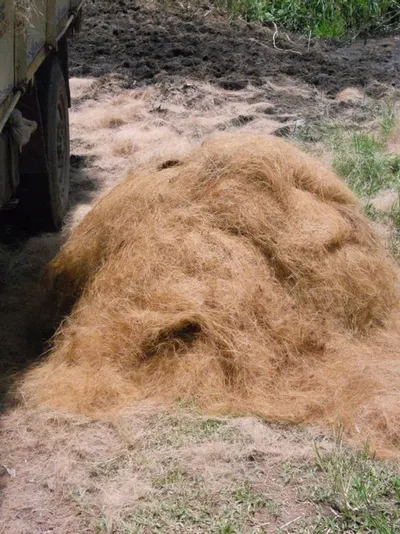
Abaca Fiber
Abaca fiber from Bra & Cer is a natural vegetable fiber extracted from the leaf sheaths of Musa textilis, a plant native to the Philippines but sourced here from Ecuador. The fiber is supplied in compressed bales, offering exceptional tensile strength and superior resistance to saltwater damage, making it ideal for marine rope and specialty paper applications. Its composition as a long, thin cellular structure provides the durability required for industrial use.
This grade of abaca fiber is typically classified as Manila hemp, a premium material known for outperforming sisal or coir in strength and moisture resistance. Standard industry uses include tea bags, coffee filters, currency paper, and composite reinforcement, where its biodegradability and robustness are critical. Typical fiber length ranges from 1.5 to 3 meters, with a standard moisture content of 10-14% for baled export.
Industrial buyers source abaca fiber for its sustainability and versatility in applications like cordage, textiles, and bioplastics. Bra & Cer’s supply is suited for importers needing consistent quality for marine or paper production. Buyers should confirm packaging specifications, bale weight, and moisture content prior to ordering, as these can vary by batch. The fiber is traded globally, with Ecuador serving as a secondary but reliable origin for Latin American markets.
| Material | Natural Abaca Fiber (Musa textilis) |
| Fiber Type | Vegetable Fiber |
| Common Name | Manila Hemp |
| Typical Fiber Length | 1.5 - 3 meters (typical) |
| Typical Moisture Content | 10 - 14% (standard for baled export) |
| Tensile Strength | Higher than sisal or coir (typical) |
| Resistance | Superior to saltwater damage |
| Standard Packaging | Compressed bales (typical) |
| Bale Weight | Supplier confirmation required |
| Applications | Marine rope, specialty paper, tea bags, currency, composites |
Bra & Cer is based in Ecuador and operates as a supplier of natural fibers, including abaca. The company’s profile indicates a focus on wholesale export, with abaca fiber listed as a primary product. As a harbor-tier supplier, Bra & Cer’s verification signals are limited, with no recorded response rate or average response time available.
The supplier does not provide additional details such as years in operation, facility size, or client history. Buyers should treat this as a baseline profile and verify capabilities directly. The listing emphasizes the fiber’s natural origin and industrial applications, aligning with the supplier’s role as a raw material provider for international markets.
Manila hemp fiber (abaca) is a premium natural vegetable fiber extracted from Musa textilis leaf sheaths, renowned for exceptional tensile strength and superior resistance to saltwater damage compared to sisal or coir. Widely used in marine rope, specialty paper, tea bags, currency, and composite reinforcement applications, abaca fiber is sourced primarily from the Philippines and traded in compressed bales for international export. Growing demand for sustainable natural materials continues to drive B2B import opportunities across Asia, Europe, and North America.
People Also Search For
| Business Type | Supplier |
| Year Established | Recently Joined |
| Employees | Contact Supplier |
| Annual Revenue | Contact Supplier |
| Main Products | View Products Tab |
| Major Markets | Global |
| Response Time | Contact Supplier |
| Response Rate | New Supplier |
Sourcing Abaca Fiber from Bra & Cer - Ecuador Import Guide
Before ordering abaca fiber from Bra & Cer, verify the bale weight, moisture content, and fiber length to ensure they align with your production needs. Request samples for testing, particularly if the fiber will be used in specialty paper or marine applications where consistency is critical. Confirm the supplier’s ability to provide third-party test certificates for tensile strength and purity.
Discuss logistics details such as Incoterms, with FOB or CIF being common for fiber exports from Ecuador. Clarify payment terms, as natural fiber trades often use letters of credit or advance payments. Lead times can vary based on bale availability, so confirm production and shipping schedules upfront. Port of discharge and container type (e.g., 20ft or 40ft) should also be agreed upon.
Conduct quality checks upon receipt, focusing on moisture content, fiber length, and foreign matter. Use standard industry tests (e.g., ASTM or ISO methods) to validate the fiber’s suitability for your application. Inspect the packaging for damage or moisture infiltration, as this can compromise the fiber’s integrity. Maintain documentation for traceability, including test reports and shipping records.
Active buying requirements from importers looking for Similar products
 United States
 Poland
 Bangladesh
 IndonesiaIndonesiaBangladesh
- ✓Who's importing it
- ✓What prices they're paying
- ✓Which ports they're moving through
Related Products & Suppliers
Compare alternatives, find similar products and connect with suppliers
Similar Products

Related Products


Trending in this Category


Top Suppliers for this Product


More from Parent Category


Browse Abaca Fiber — Top Products
28 listingsTop Suppliers for Abaca Fiber
30 suppliersBuy Abaca Fiber in Bulk — Supplier in Ecuador
When sourcing Abaca Fiber for your business, securing the right balance of quality and cost is essential. Bra & Cer, a supplier based in Ecuador, offers this product with key specifications including Grade A (Premium), Grade B (Standard), Raw Unbleached Fiber, 100% Pure Natural Abaca Fiber, Free of Foreign Matter, and Fiber Length 1.5-3.0 m, Bale Size 80-120 kg (standard compressed). By purchasing directly from the manufacturer or authorized exporter, buyers can negotiate favorable FOB prices starting at $1500/Bags and manage bulk orders with a minimum order quantity (MOQ) of 1 Bags. This product is actively traded under HS Code 5303.10, making it a staple in the Coir Fiber sector with strong demand from importing countries worldwide.
Abaca Fiber Specifications, Trade Terms & Pricing
Importing Abaca Fiber requires careful attention to shipping logistics, customs compliance, and secure payment terms. Bra & Cer offers flexible shipping options such as Full Container Load (FCL) or Less than Container Load (LCL) via sea freight. To ensure a smooth transaction, buyers should verify import duties for HS Code 5303.10 in their destination country. Common payment methods for international B2B transactions include Letter of Credit (L/C), Telegraphic Transfer (T/T), and Documents against Payment (D/P). All transactions and RFQs are facilitated through EximNext, a leading B2B marketplace designed to make cross-border trade secure and efficient.
About Bra & Cer — Supplier in Ecuador
Finding trustworthy partners is the foundation of successful importing. Ask the supplier of this Abaca Fiber for business registration and quality documents before ordering. Whether you are a distributor, wholesaler, or procurement manager, you can request a free quotation, ask for product samples, and finalize your bulk purchase with confidence. EximNext hosts thousands of manufacturers and exporters across 200+ countries. Explore similar products in the Coir Fiber category and connect with top-tier exporters on our comprehensive global B2B marketplace. Start your sourcing journey today.
Import Abaca Fiber — Shipping, Logistics & Customs
Importing Abaca Fiber requires careful attention to shipping logistics, customs compliance, and secure payment terms. Common shipping options include Full Container Load (FCL) or Less than Container Load (LCL) via sea freight. Buyers should verify import duties for HS Code 5303.10 in their destination country. Common payment methods include Letter of Credit (L/C), Telegraphic Transfer (T/T), and Documents against Payment (D/P).
Frequently Asked Questions About Abaca Fiber
What is the wholesale price of Abaca Fiber?
The current listed wholesale price for Abaca Fiber from Bra & Cer is $1500/Bags on FOB terms from Ecuador. Prices may vary depending on order volume, packaging, and destination. For the most accurate bulk quote, send a direct RFQ to Bra & Cer through EximNext.
What is the Minimum Order Quantity (MOQ) for Abaca Fiber?
The supplier, Bra & Cer, has set a Minimum Order Quantity (MOQ) of 1 Bags for Abaca Fiber. For sample requests or smaller trial orders, contact the supplier directly through our platform's inquiry system.
What is the HS Code for Abaca Fiber?
For international shipping and customs clearance, Abaca Fiber is classified under HS Code 5303.10. Buyers should verify their local customs regulations to determine applicable import duties and taxes for this classification.
How can I import Abaca Fiber from Ecuador?
To import Abaca Fiber from Ecuador, negotiate shipping terms (FOB, CIF, or EXW) directly with Bra & Cer. Ensure you have the necessary import licenses for Coir Fiber products in your destination country.
How can I check Bra & Cer before ordering?
Open the Bra & Cer company profile on EximNext to see the details the company has provided. Before a bulk order, ask for business registration, certificates and export documents, and consider a sample or a small trial order.
What are the key specifications of Abaca Fiber?
The key specifications for Abaca Fiber supplied by Bra & Cer include Grade A (Premium), Grade B (Standard), Raw Unbleached Fiber, 100% Pure Natural Abaca Fiber, Free of Foreign Matter, and Fiber Length 1.5-3.0 m, Bale Size 80-120 kg (standard compressed). For a complete technical data sheet or Certificate of Analysis (COA), send an inquiry directly to the supplier through EximNext.
What packaging options are available for bulk orders of Abaca Fiber?
Bra & Cer offers Abaca Fiber with standard export packaging. Custom packaging, private labeling, and OEM/ODM options may also be available for large wholesale orders.
Which countries import Abaca Fiber the most?
Abaca Fiber is actively imported by buyers worldwide. Request a destination-specific CIF or CFR quote from Bra & Cer through our platform.
What certifications does this Abaca Fiber supplier hold?
Bra & Cer maintains international quality certifications. These ensure that the Abaca Fiber meets international quality, safety, and regulatory standards required for cross-border trade.
How do I place a bulk order for Abaca Fiber on EximNext?
Click "Request Quotation" on this product page, specify your required quantity, preferred shipping terms, and destination country. Bra & Cer will respond with a detailed wholesale quote including FOB pricing, lead time, and payment options.
What payment methods are accepted?
Common payment methods include Letter of Credit (L/C), Telegraphic Transfer (T/T), Documents against Payment (D/P), and Escrow services. Confirm accepted terms directly with Bra & Cer.
Explore More Coir Fiber Products for Wholesale Import
Discover more products in Coir Fiber from suppliers worldwide.