Agriculture›
 Apparel and fashion accessories›
 Construction & real estate›💡Electronic & Electrical›🍎Food & Beverages›🛋️Home furnishing & supplies›⚗️Industrial goods & chemical›🪨Minerals & metals›📦Miscellaneous›Agriculture›Apparel and fashion accessories›Construction & real estate›💡Electronic & Electrical›🍎Food & Beverages›🛋️Home furnishing & supplies›⚗️Industrial goods & chemical›🪨Minerals & metals›📦Miscellaneous›
Global Brass Bars Manufacturers, Suppliers & Wholesale Directory
Source Brass Bars products from global suppliers on EximNext
Trending Wholesale Brass Bars Products

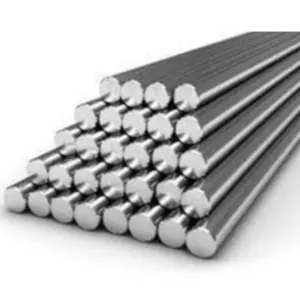

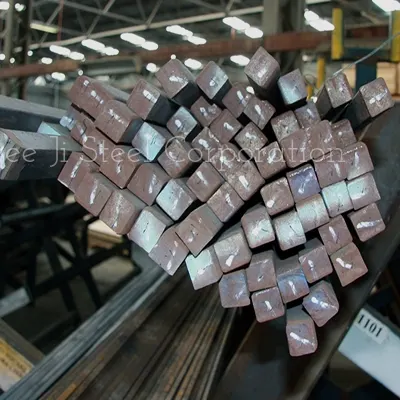
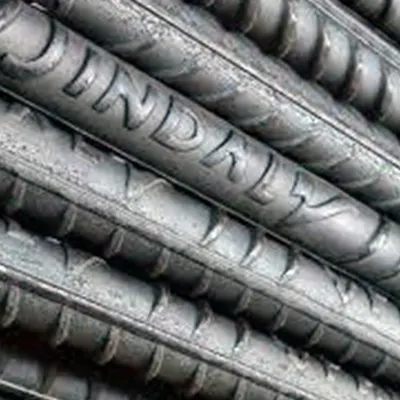
Wholesale Brass Bars Industry Overview and Global Market Insights
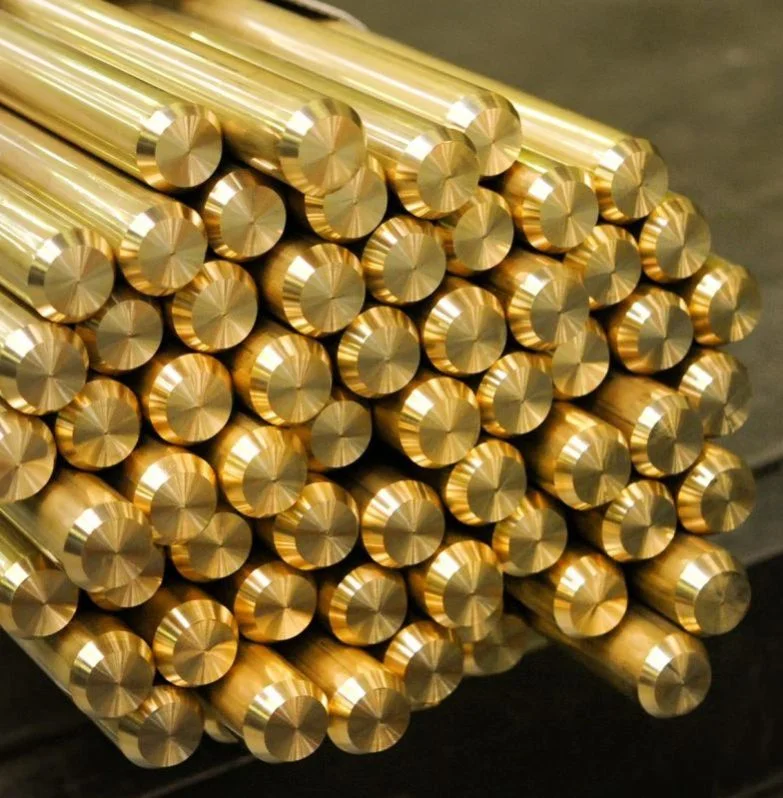
Wholesale demand for brass bars flows through coatings, plastics processing, fertilizer blending, water treatment, pharmaceuticals, and downstream manufacturing. As a category, brass bars spans industrial and specialty chemicals, polymers and plastics, fertilizers, paints, dyes and pigments, and metals, minerals, and alloys. In customs terms it is classified under HS Chapters 28 to 40 for chemicals and polymers (organic chemicals in Chapter 29, fertilizers in Chapter 31, plastics in Chapter 39) and HS Chapters 72 to 81 for metals such as iron and steel (Chapters 72 and 73), copper (Chapter 74), and aluminium (Chapter 76), so sourcing requirements vary widely across the category. Specification precision and safety documentation dominate, so purity, the CAS number, a Safety Data Sheet in GHS format, and a batch Certificate of Analysis are the baseline a buyer screens on, with hazardous cargo adding UN-rated packaging and IMDG handling. The Brass Bars directory on EximNext surfaces suppliers across grades and variants, so importers can drill from broad industry view down to specific specification within a few clicks. The buyer profile on this page covers brand owners, distributors, manufacturers, trading houses, and procurement teams searching for reliable bulk supply, transparent specification, and credentials before they release a purchase order. Listings show supplier location, business type, the products handled, and where available certification and inspection signals, so buyers can shortlist on verifiable capability rather than self-claimed marketing copy. Filters let importers narrow on origin country, business type (manufacturer, exporter, trading company), verification status, and certification, so the shortlist that goes into a request for quotation reflects the criteria that matter to that specific buyer. The directory also surfaces related sub-categories, recently posted buy leads, and the questions and live sourcing activity further down this page, which together help a buyer benchmark an offer before sending a request for quotation.
How to Buy Brass Bars in Bulk from Manufacturers, Suppliers and Exporters
Suppliers preparing a bulk brass bars quotation should be ready to disclose purity percentage, CAS number, assay or active-ingredient content, particle size distribution, bulk density, color, pH where applicable, heavy-metal residues, and any specific impurity profile the buyer flags. Buyers evaluate offers on the transparency and completeness of this specification disclosure before they move to price comparison, so structured spec sheets convert measurably better than ad-hoc reply messages. Compliance documentation buyers expect on wholesale brass bars shipments includes ISO 9001, ISO 14001, REACH, RoHS, the Material Safety Data Sheet (SDS in GHS format), and the Certificate of Analysis from the production batch. Third-party verification from SGS, Bureau Veritas, Intertek, or accredited regional laboratories strengthens the offer and is normally a condition precedent under L/C documents. Bulk packaging is normally 25 kg or 50 kg laminated polypropylene or kraft-paper sacks for solid powders, 200-litre steel or HDPE drums for liquids, 1000-litre IBC totes for higher-volume liquid grades, and 20-foot or 40-foot FCL configurations on heat-treated pallets with UN-rated packaging and IMDG labelling where the cargo is hazardous. Trade terms most often negotiated on wholesale brass bars orders include FOB at the supplier's nearest export port, CIF at the buyer's nominated discharge port, and occasionally CFR or EXW depending on the buyer's logistics preference. Quote Incoterms 2020 explicitly in every offer to remove ambiguity over risk transfer. Payment instruments commonly accepted are irrevocable L/C at sight or 30 to 90 day usance, T/T with 30 percent advance and 70 percent balance against scanned shipping documents, and platform-mediated escrow for first-time supplier pairings. Production and consolidation lead time for bulk brass bars typically runs 15 to 35 days from order confirmation depending on batch-cycle timing and any required quality-release testing. A complete first response covers specification compliance against the buyer's note, indicative price with a validity window, MOQ, packaging, port of dispatch, lead time, and certification copies, which together let the buyer evaluate the offer against the rest of the shortlist without a back-and-forth clarification round.
Import Brass Bars: HS Code, FOB Pricing, MOQ and Top Exporting Countries
Wholesale brass bars is classified under HS Chapters 28 to 40 for chemicals and polymers (organic chemicals in Chapter 29, fertilizers in Chapter 31, plastics in Chapter 39) and HS Chapters 72 to 81 for metals such as iron and steel (Chapters 72 and 73), copper (Chapter 74), and aluminium (Chapter 76). Buyers and suppliers should agree the correct ten-digit national tariff line with a licensed customs broker in the destination market before shipment, since duty rates can vary materially across sub-headings, and the HS code declared on the commercial invoice, packing list, and certificate of origin must remain consistent for one-pass clearance. The leading commercial export origins for brass bars are concentrated in China, India, Germany, the United States, and South Korea, and shipments to importers worldwide commonly load through Shanghai, Mumbai, Hamburg, Houston, and Busan, depending on the supplier's facility location and the buyer's preferred routing. FOB pricing for wholesale brass bars varies by grade, packaging configuration, certification load, origin country, and order volume; suppliers should quote a defensible FOB number with a clear validity window (commonly 7 to 15 days) and disclose what triggers a re-quote, such as a significant change in raw input cost or a request for additional certification. Minimum order quantities run from full container loads for bulk commodity-grade material down to smaller carton-level quantities for specialty or high-value processed grades, with most suppliers willing to negotiate a trial-order arrangement on the first transaction. Ocean transit times to importing markets vary by routing through transshipment hubs, with intra-regional lanes typically running two to three weeks and longer transcontinental routings running four to six weeks port to port. Buyers comparing offers across multiple origins should normalize quotes to a common Incoterm (FOB or CIF at the same nominated discharge port) before ranking, so freight, insurance, and local handling differences do not distort what is actually a specification or quality difference between suppliers. Quality benchmarks that drive price differentiation include certification depth, third-party inspection scope, batch documentation, and the supplier's verifiable export history into the buyer's destination market, all of which the EximNext directory surfaces alongside the basic listing so buyers can evaluate against the full picture rather than headline FOB alone.
Frequently Asked Questions About Wholesale Brass Bars Sourcing
What HS code applies to wholesale brass bars imports?
What is the typical FOB price band for bulk brass bars?
Which countries are the leading global exporters of brass bars?
What pre-shipment inspection scope is standard for brass bars?
What is the typical ocean transit time for brass bars shipments?
What certifications and quality documentation do buyers expect for brass bars?
How should bulk brass bars be packed for FCL ocean shipment?
What customs documentation is required to clear a wholesale brass bars shipment?
How are pre-shipment samples handled on wholesale brass bars orders?
What payment terms work best for first-time brass bars sourcing?








Explore Brass Bars
Hand-picked products and suppliers across brass bars