Agriculture›
 Apparel and fashion accessories›
 Construction & real estate›💡Electronic & Electrical›🍎Food & Beverages›🛋️Home furnishing & supplies›⚗️Industrial goods & chemical›🪨Minerals & metals›📦Miscellaneous›Agriculture›Apparel and fashion accessories›Construction & real estate›💡Electronic & Electrical›🍎Food & Beverages›🛋️Home furnishing & supplies›⚗️Industrial goods & chemical›🪨Minerals & metals›📦Miscellaneous›
Zhanjiang Yinor International Trade Co., Ltd.
⚓ Harbor Zhanjiang, ChinaEst. 2024-01-01New supplier / no reviews yet
Zhanjiang Yinor International Trade Co., Ltd. Product Catalog
About Zhanjiang Yinor International Trade Co., Ltd. - Coffee Beans Supplier in China
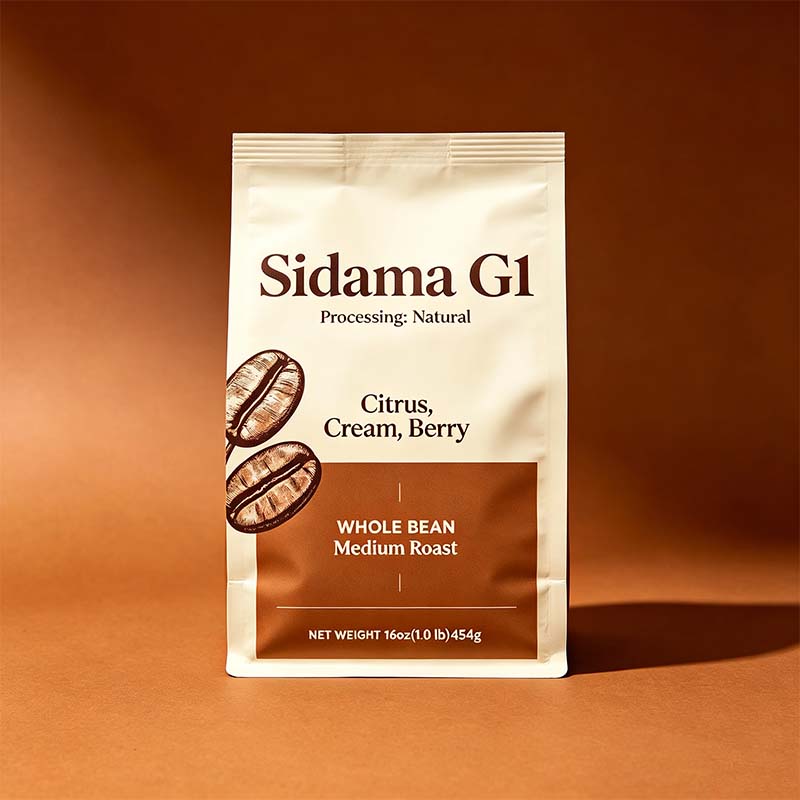
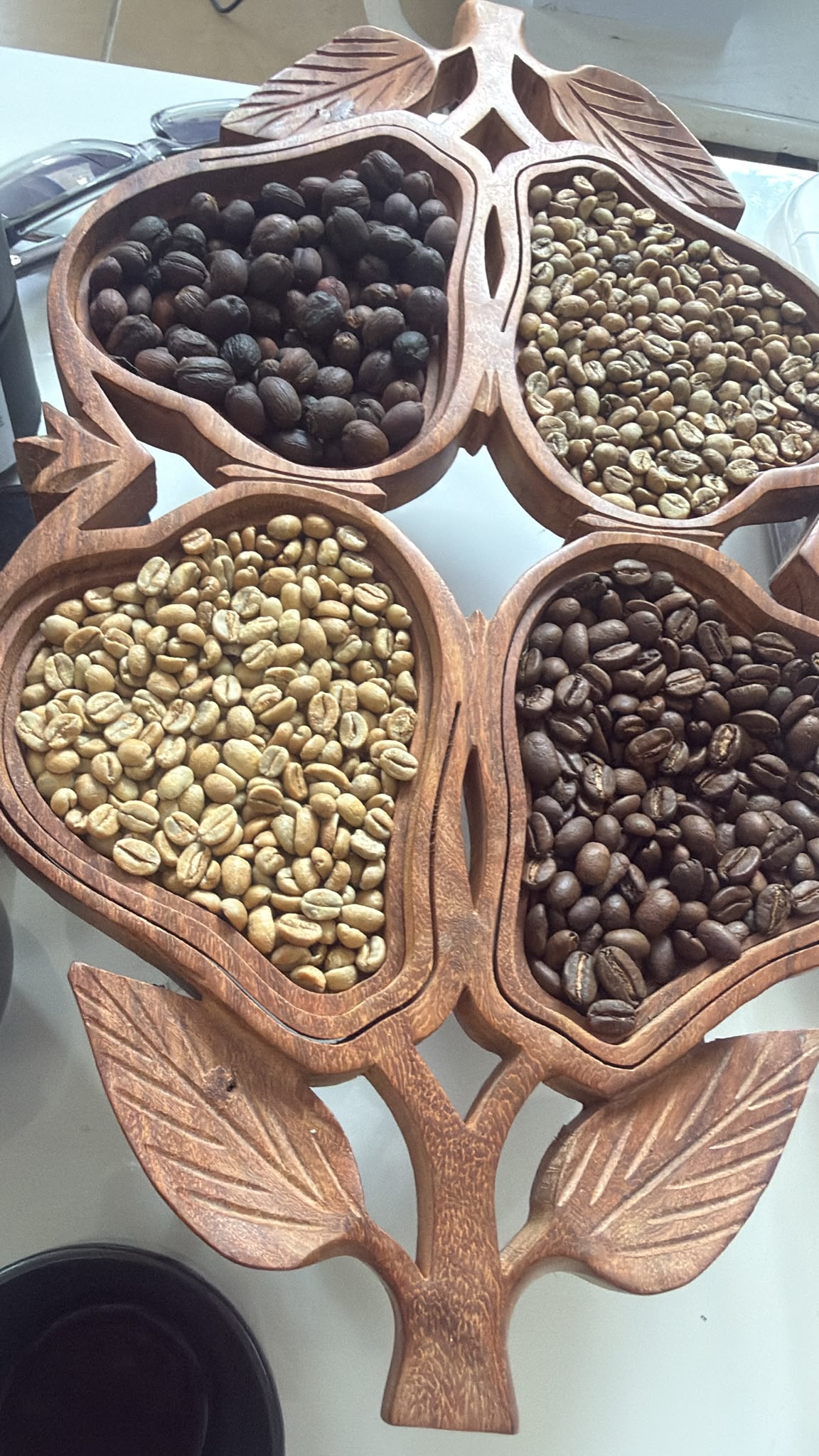
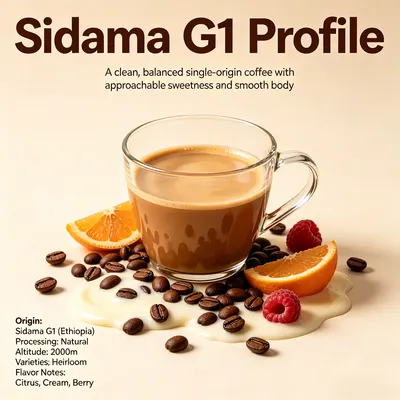
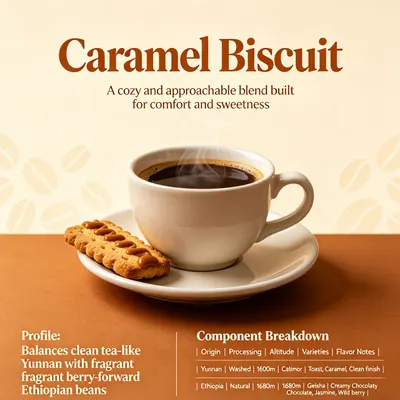
Zhanjiang Yinor International Trade Co., Ltd., located in Zhanjiang, China, offers a diverse range of products, including coffee beans, with an active product count of 10. The company's product catalogue includes various types of coffee beans, such as Yunnan, Ethiopia, and Arabica coffee beans, with specifications like 454g per bag and medium-dark roast. Exporters of coffee beans in China typically require certifications like HACCP and food safety documents for market requirements. Buyers of coffee beans usually require specifications like custom roasting profiles, OEM private labeling, and customized product formats.
The company's products are sourced from major coffee-producing regions worldwide, including Ethiopia, Colombia, Brazil, Guatemala, and Sumatra. This direct sourcing model allows for control over costs, traceability, and quality. Coffee beans from China are commonly exported to regions like North America, South America, Western Europe, and Southeast Asia, with HS codes like 0901.21 and 0901.22. The typical quality parameters for coffee beans include moisture content, foreign matter detection, and cup testing.
Product Range and Specialties of Zhanjiang Yinor International Trade Co., Ltd.
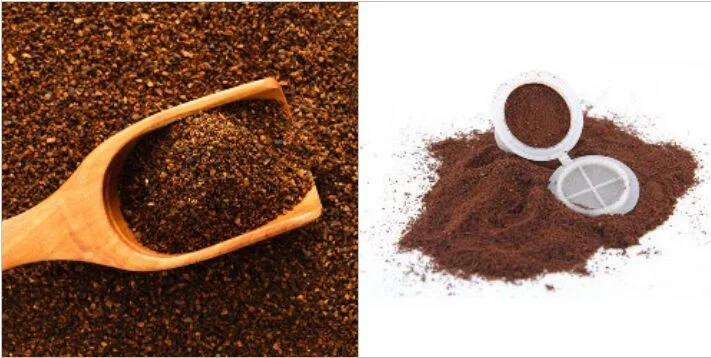
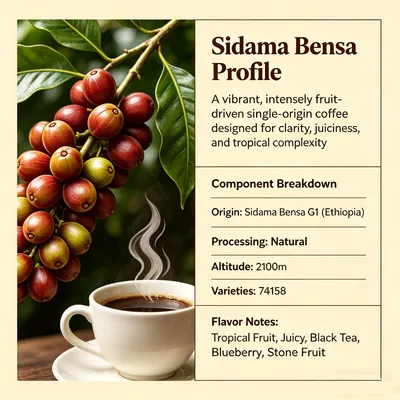
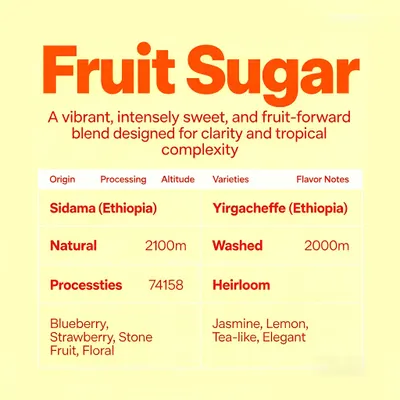
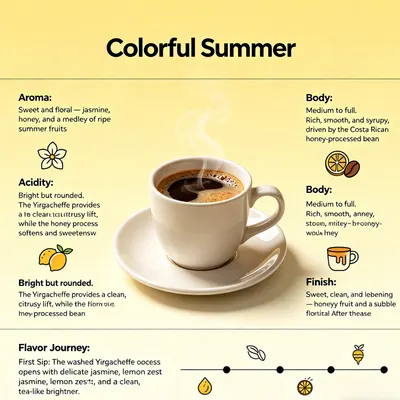
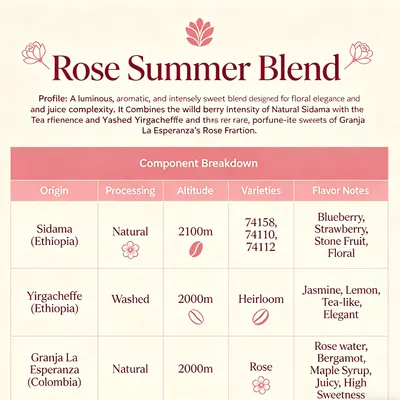
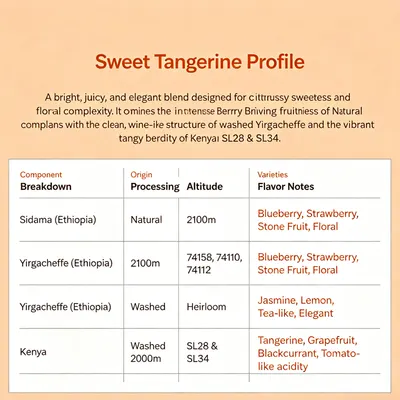
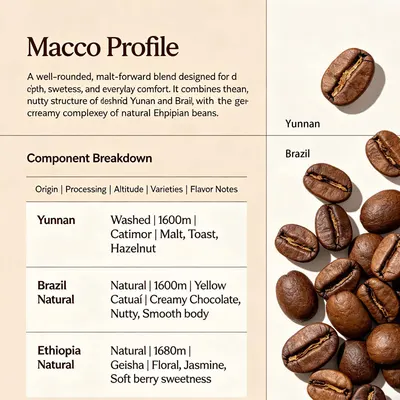
Zhanjiang Yinor International Trade Co., Ltd.'s product range includes coffee beans with various flavor notes, like bright acidity, nutty sweetness, and rich chocolate finish. The company offers custom roasting profiles, OEM private labeling, and customized product formats, including whole beans, ground coffee, drip bags, coffee pods, and bulk wholesale packs. Typical grades for coffee beans include Arabica and Robusta, with standard specifications like ICUMSA 45 and SCA cupping protocol. The common materials used for coffee beans include paper bags, plastic bags, and jute bags, with variants like flavored coffee beans and decaffeinated coffee beans.
Frequently Asked Questions About Zhanjiang Yinor International Trade Co., Ltd.
What is the typical packaging for coffee beans?
The typical packaging for coffee beans includes paper bags, plastic bags, and jute bags, with variants like flavored coffee beans and decaffeinated coffee beans. The common packaging sizes include 454g per bag and 20 ft or 40 ft containers.
What certifications are required for coffee beans?
Certifications commonly required for coffee beans include HACCP, ISO 22000, and organic certifications like USDA Organic. Buyers should request these certifications and verify compliance with food safety standards like FDA and EFSA.
What is the typical quality parameter for coffee beans?
The typical quality parameters for coffee beans include moisture content, foreign matter detection, and cup testing. Buyers should request test reports like cup testing and moisture content checks to verify the quality of the coffee beans.
What is the lead time for coffee beans?
The lead time for coffee beans typically ranges from a few days to several weeks, depending on the production workflow and logistics. Buyers should confirm the lead time with the supplier to ensure timely delivery.
Can I customize the product formats for coffee beans?
Yes, Zhanjiang Yinor International Trade Co., Ltd. offers customized product formats, including whole beans, ground coffee, drip bags, coffee pods, and bulk wholesale packs. Buyers can request custom roasting profiles, OEM private labeling, and customized product formats to meet their specific needs.
Zhanjiang, ChinaRelated Suppliers & Products
Explore similar suppliers, related products and trending categories
.png.png)
.png.png)
.png.png)
.jpg.png)
.png.png)
.png.png)
.png.png)
.png.png)