Yiyuande Mineral Co., Ltd. — Verified Supplier
About Yiyuande Mineral Co., Ltd. - Industrial Chemicals Supplier in China
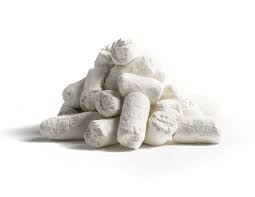
Yiyuande Mineral Co., Ltd. operates out of mainland China and currently lists seven active products across its catalogue. The supplier’s portfolio covers industrial chemicals, kaolin, abrasives and industrial filters, reflecting a focus on high‑purity inorganic materials. Products include silicon carbide (HS 2849.20), two grades of sintered mullite, two REACH‑certified grades of calcined kaolin (HS 2507.00) and both white and brown fused alumina. The catalogue groups silicon carbide and fused alumina under the abrasive materials category, while the mullite and kaolin items are classified as refractory and ceramic raw materials.
The silicon carbide entry is identified as silicon carbide (SiC) with HS code 2849.20, a common grade used for grinding and cutting applications. Calcined kaolin listings specify aluminium oxide content of 45 % and 47 % minimum, each bearing HS code 2507.00. The white and brown fused alumina entries are described as white and brown corundum, respectively, without explicit HS codes in the source data. Two mullite products are presented, one labelled “70” and another “60 REACH Certificate”, indicating compliance with European REACH regulations for the latter grade.
Product Range and Specialties of Yiyuande Mineral Co., Ltd.
The catalogue presents silicon carbide, sintered mullite (70 % and 60 % grades), calcined kaolin (45 % and 47 % Al₂O₃), and white and brown fused alumina. Silicon carbide is typically supplied in grain sizes ranging from 0.1 mm to 5 mm and purity levels of 99.5 % or higher for abrasive use. Sintered mullite grades are often measured by mullite content and porosity, with 70 % and 60 % indicating the relative mullite phase proportion used in high‑temperature refractories. Calcined kaolin grades are characterised by aluminium oxide content, particle size distribution (often 1 - 5 µm) and low iron impurity for ceramic and paint applications. White fused alumina generally contains ≥99 % Al₂O₃ and is supplied in sizes from 0.1 mm to 3 mm, while brown fused alumina includes intentional iron oxide coloration for specialized grinding media.
In the broader industry, silicon carbide abrasive grades are classified by grit size (e.g., 36, 80, 120) and by hardness (Mohs 9.5). Typical certifications for abrasives include ISO 9001 quality management and, where exported to the EU, REACH compliance for hazardous substance limits. Calcined kaolin used in paper coating or ceramics often carries ISO 9001 and may be required to meet EN 15622 for purity. Fused alumina grades are subject to ASTM C745 for chemical composition and may need to meet ASTM C223 for crushing strength when used as grinding media. Buyers usually request material safety data sheets (MSDS), particle size analysis, and bulk density data to confirm suitability for their processes.
Trade and Export Information - Yiyuande Mineral Co., Ltd.
China is a major exporter of inorganic industrial chemicals and refractory minerals, with the HS 2849.20 family (silicon compounds) and HS 2507.00 family (kaolin and related clays) frequently shipped to Europe, North America and Southeast Asia. Export shipments are commonly packed in 20‑ft or 40‑ft containers using bulk bags (25 kg or 1 t) for powders, or in wooden crates for fused alumina blocks, with moisture content controlled below 1 % to prevent agglomeration. Buyers in the automotive, aerospace and metal‑cutting sectors often require REACH‑registered documentation for European markets, while North American importers typically request compliance with TSCA inventory listings.
Typical certifications sought by importers include ISO 9001 for quality management, REACH registration for chemicals sold in the EU, and, where applicable, ISO 14001 for environmental management. Packaging must meet ISPM 15 phytosanitary standards for wooden pallets and comply with the International Maritime Dangerous Goods (IMDG) code when the material is classified as hazardous. Freight forwarders handling bulk mineral powders often advise using moisture‑proof liners and desiccant packs to maintain product stability during sea transit. Destination ports with high demand for refractory and abrasive minerals include Hamburg (Germany), Los Angeles (USA) and Singapore, reflecting the global distribution of steel, glass and ceramic manufacturing hubs.
Sourcing from Yiyuande Mineral Co., Ltd. - Buyer Guidance
When sourcing silicon carbide or fused alumina, buyers should request a recent certificate of analysis showing purity (≥99 %), grain size distribution, and bulk density. For the calcined kaolin variants, the aluminium oxide minimum percentages (45 % and 47 %) must be confirmed by an independent laboratory report, together with loss‑on‑ignition (LOI) values below 5 %. The two mullite products should be accompanied by phase composition analysis (X‑ray diffraction) and porosity measurements to verify the claimed mullite content.
Because the catalogue lists REACH certificates for the mullite‑60 and both kaolin grades, purchasers importing into the EU should obtain the full REACH registration numbers and safety data sheets. Samples are typically provided in 5 kg quantities, packed in sealed polyethylene bags, allowing the buyer to run particle size and hardness tests before confirming larger orders. Minimum order quantities for bulk shipments are often set at one 20‑ft container (≈18 t for powders) but can be negotiated for smaller pilot runs, provided the buyer can cover testing and certification costs.
Frequently Asked Questions About Yiyuande Mineral Co., Ltd.
What are the HS codes for the silicon carbide and calcined kaolin products?
Silicon carbide is listed under HS code 2849.20, while both calcined kaolin grades (45 % and 47 % Al₂O₃) fall under HS code 2507.00.
Does Yiyuande provide REACH documentation for any of its products?
Yes, the catalogue indicates REACH certificates for the Sintered Mullite 60 grade and for both calcined kaolin grades (45 % and 47 %). The certificates can be supplied on request.
What typical purity levels should a buyer expect for the fused alumina products?
White and brown fused alumina are usually supplied with aluminium oxide content of 99 % or higher. Buyers normally request a certificate of analysis confirming this purity.
Are bulk bags or containers the standard packaging for these mineral powders?
Bulk powders such as silicon carbide, calcined kaolin and fused alumina are commonly packed in 25 kg or 1 t bulk bags, which are then loaded into 20‑ft or 40‑ft containers for sea freight.
What quality certifications are generally required for these minerals when exporting from China?
Importers commonly ask for ISO 9001 quality management certification, REACH registration for EU shipments, and, where applicable, ISO 14001 environmental certification. Specific test reports (e.g., particle size, bulk density) are also standard.
What sample size is typically offered for testing before a full order?
Suppliers usually provide 5 kg samples sealed in moisture‑proof bags, allowing buyers to conduct purity, grain size and performance tests prior to confirming a larger purchase.
Which regions are the main import markets for Chinese refractory and abrasive minerals?
Europe (Germany, Italy), North America (USA, Canada) and Southeast Asia (Singapore, Malaysia) are the primary destinations for silicon carbide, mullite and kaolin products exported from China.
What documentation should a buyer verify before placing an order?
Buyers should request the material safety data sheet (MSDS), certificate of analysis, REACH registration number (if applicable), and any relevant ISO certification copies to ensure compliance with their target market regulations.




 , China