Yaga Natural Soaps — Verified Supplier
About Yaga Natural Soaps - Soaps & Detergents Supplier in India
Based in India, Yaga Natural Soaps currently lists seven active products in its catalogue. The company focuses on the Soaps & Detergents category and also mentions Coconut Oil as a top category, although all listed items are soap bars. Each product is positioned as an organic bath soap, featuring ingredients such as sandalwood, multani mitti, aloe vera, activated charcoal, kuppaimeni, neem and coconut oil. The catalogue does not include HS codes, but the products fall under the HS chapter 34 for soaps (3401). The supplier is classified in the harbor trust tier on the platform.
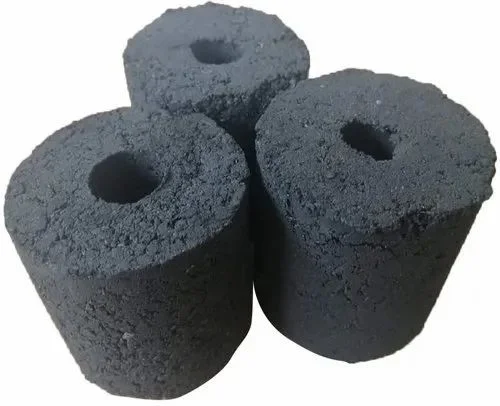
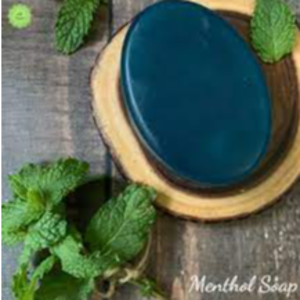
The product range comprises Sandal Organic Soap, Multani Mitti Organic Bath Soap, Aloevera Organic Bath Soap, Activated Charcoal Organic Soap, Kuppaimeni Organic Bath Soap, Neem Organic Bath Soap and Coconut Oil Organic Bath Soap. All items are bar soaps formulated with a natural extract and marketed as organic, targeting personal‑care consumers. The naming indicates the primary botanical or mineral ingredient incorporated in each bar. No additional product specifications such as weight or packaging format are provided in the facts.
Product Range and Specialties of Yaga Natural Soaps
Yaga Natural Soaps offers seven distinct organic bar soaps, each highlighted by a specific natural ingredient. In the broader soap market, organic bath soaps are commonly produced with a pH range of 5 to 7, free of synthetic surfactants, and may carry certifications such as ECOCERT, USDA Organic or India Organic (NPOP). Typical bar weights range from 50 g to 120 g, and manufacturers often use biodegradable packaging such as recycled cardboard or paper sleeves. Buyers frequently look for INCI (International Nomenclature of Cosmetic Ingredients) labeling and a minimum of 95 % natural content for products marketed as organic.
Trade and Export Information - Yaga Natural Soaps
India is a major exporter of soaps and detergents, with the HS code 3401 covering bar soaps and liquid soaps. Export shipments from India usually target the United States, European Union, Middle East and African markets, where demand for natural and organic personal‑care products has grown. Standard Incoterms for soap shipments include FOB Port of Mumbai or CIF to destination ports, and containers are typically packed in 20‑ft or 40‑ft units with each box containing multiple bars. Regulatory requirements often involve compliance with the EU Cosmetic Regulation (EC) No 1223/2009, US FDA labeling rules, and the Indian Drugs and Cosmetics Act for domestic sales.
Buyers typically request test reports for microbial limits, heavy‑metal content, and stability, as well as certificates confirming organic status (e.g., NPOP or ISO 22000). While Yaga Natural Soaps does not list specific certifications in the provided data, importers should verify that the supplier can provide such documentation before shipment. Proper labeling in the destination language and compliance with HS‑specific customs documentation are essential for smooth clearance.
Sourcing from Yaga Natural Soaps - Buyer Guidance
Prospective buyers should request a product data sheet that details ingredient percentages, pH level, bar weight and packaging dimensions for each of the seven soaps. Samples of each variant are advisable to evaluate fragrance, texture and skin compatibility, and to confirm the claimed organic content through third‑party testing.
Before order confirmation, verify that the supplier can supply ISO 9001 or GMP certificates, as well as any organic certification relevant to the target market. Confirm the packaging material (e.g., recycled cardboard) and the planned shipping terms, such as FOB Mumbai with a standard 20‑ft container capacity of approximately 2,000 bars, to align logistics expectations.
Frequently Asked Questions About Yaga Natural Soaps
What types of organic soaps does Yaga Natural Soaps produce?
The catalogue lists seven bar soaps: Sandal Organic Soap, Multani Mitti Organic Bath Soap, Aloevera Organic Bath Soap, Activated Charcoal Organic Soap, Kuppaimeni Organic Bath Soap, Neem Organic Bath Soap and Coconut Oil Organic Bath Soap.
Are the soaps certified organic?
The provided information does not specify any certifications. Buyers should request organic certification documents such as NPOP, ECOCERT or USDA Organic before purchasing.
What is the typical HS code for these products?
Bar soaps are classified under HS chapter 34, specifically heading 3401, which is used for customs declaration of soap bars.
What packaging formats are commonly used for these soaps?
In the industry, organic bar soaps are usually packed in individual recyclable cardboard sleeves or boxes, often grouped in cartons of 10‑20 bars for efficient container loading.
Which markets commonly import Indian organic soaps?
Major importers include the United States, European Union countries, the United Arab Emirates and South Africa, where natural personal‑care products are in high demand.
What documentation should I request before purchasing?
Request a product specification sheet, ingredient INCI list, pH measurement, microbial test report, heavy‑metal analysis and any organic or quality‑management certificates.
What are typical order quantities and lead times?
Export orders are often placed in full 20‑ft containers containing roughly 2,000 bars. Lead times generally range from 30 to 45 days after sample approval, depending on production scheduling.




 , India