Agriculture›
 Apparel and fashion accessories›
 Construction & real estate›💡Electronic & Electrical›🍎Food & Beverages›🛋️Home furnishing & supplies›⚗️Industrial goods & chemical›🪨Minerals & metals›📦Miscellaneous›Agriculture›Apparel and fashion accessories›Construction & real estate›💡Electronic & Electrical›🍎Food & Beverages›🛋️Home furnishing & supplies›⚗️Industrial goods & chemical›🪨Minerals & metals›📦Miscellaneous›
Wuhan Hans Goldensky Laser System Co., Ltd
⚓ Harbor , ChinaNew supplier / no reviews yet
Wuhan Hans Goldensky Laser System Co., Ltd Product Catalog
About Wuhan Hans Goldensky Laser System Co., Ltd - Laser Equipments & Products Supplier in China
Wuhan Hans Goldensky Laser System Co., Ltd is based in Wuhan, China and currently lists six distinct product lines in its catalogue. The company’s active product count of six covers equipment for laser perforation, fiber laser cutting, handheld marking, gear welding, desktop marking and laser cladding for metal repair. All items fall under the broader categories of Laser Equipments & Products, Welding & Wire Mesh Machinery and Industrial Machinery, as indicated by the supplier’s top‑category tags.
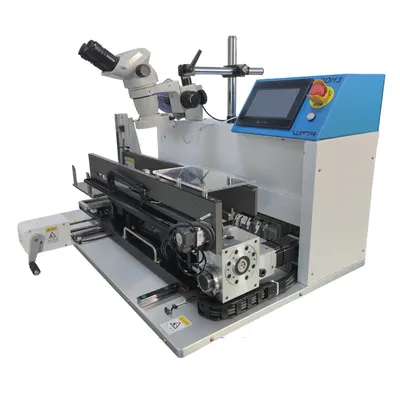
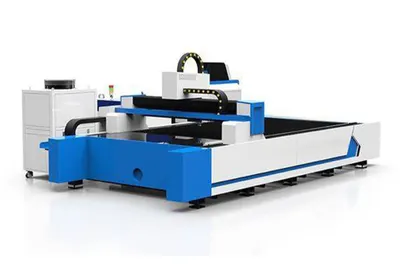
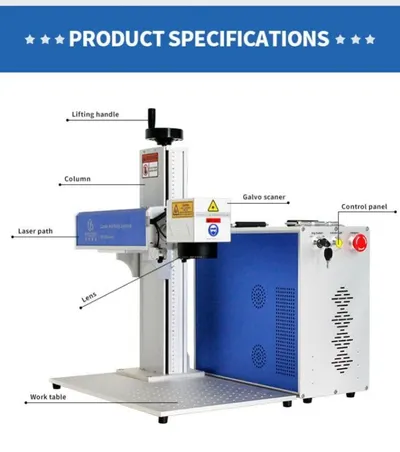
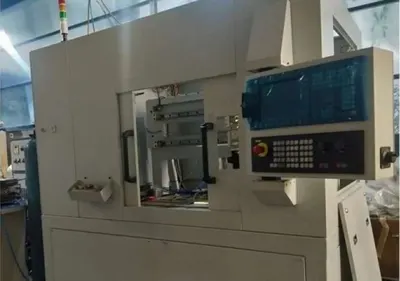
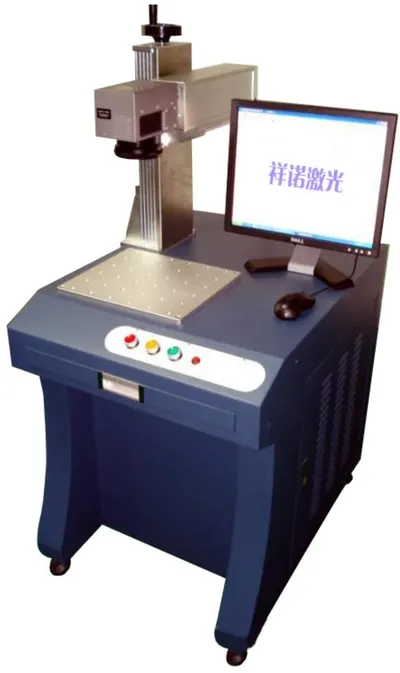
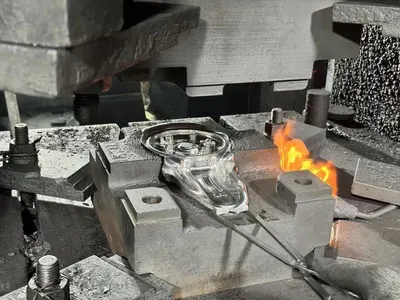
The catalogue includes a Tipping Paper Laser Perforation Machine, a HAN’S GS LASER Fiber laser cutting machine, a Portable hand‑held laser marking machine, a Fully automatic gear laser welding machine, a HAN’S LASER Desktop laser marking machine and a Laser cladding machine for metal work‑piece repair. Each product is identified by its functional name only; no additional specifications or HS codes are provided in the source data.
Product Range and Specialties of Wuhan Hans Goldensky Laser System Co., Ltd
The six listed machines address common needs in sheet‑metal processing, component marking and localized repair. Fiber laser cutting systems such as the HAN’S GS LASER typically operate in the 1 kW‑6 kW power range, use 1064 nm wavelength and support cutting thicknesses up to 30 mm for mild steel, with positioning accuracy of ±0.1 mm. Hand‑held laser marking units generally provide a beam spot size of 0.1‑0.2 mm and can mark on stainless steel, aluminum and plastic at speeds of 300‑600 mm s⁻¹. Gear laser welding machines are usually configured for pulse‑width modulation, delivering peak currents of 2‑5 kA for precise welds on gear teeth. Desktop laser marking devices are compact, often limited to a work envelope of 300 mm × 300 mm, and support resolution of 1000 dpi. Laser cladding systems for metal repair typically apply powder feed rates of 2‑10 kg h⁻¹ and can deposit layers 0.1‑1 mm thick in a single pass. These figures represent typical industry specifications for the respective equipment types.
Frequently Asked Questions About Wuhan Hans Goldensky Laser System Co., Ltd
What types of laser technology are used in the listed machines?
The fibre laser cutting machine uses fiber‑laser sources at 1064 nm, while the handheld and desktop marking units employ diode or solid‑state lasers in the 405‑650 nm range, which is standard for industrial marking applications.
Are the welding and cladding machines suitable for high‑strength steels?
Fully automatic gear laser welding machines and laser cladding systems are commonly configured for high‑strength steels up to 800 MPa, provided the correct laser parameters and shielding gas are selected.
Which certifications should be verified before purchase?
Buyers should request CE conformity, IEC 60825 laser‑safety classification, ISO 9001 quality‑management certification and RoHS compliance, as these are typical for laser and welding equipment exported from China.
What is the typical packaging for these machines?
Machines are usually crated in wood, secured with metal brackets, wrapped in anti‑static foam, and placed on standard Euro‑pallets for transport in 20‑ft or 40‑ft containers.
What are common lead times for these products?
Standard lead times range from 4 to 8 weeks after order confirmation, depending on the specific machine model and any required customisation.
ChinaRelated Suppliers & Products
Explore similar suppliers, related products and trending categories