Weeks Wholesales LLC — Verified Suppliers
About Weeks Wholesales LLC - Agricultural Chemicals Supplier in United States
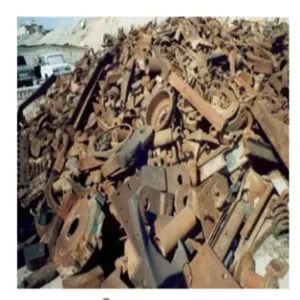
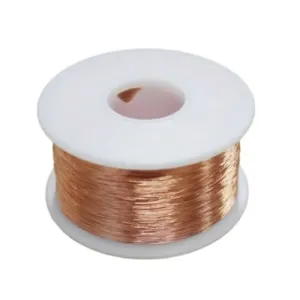
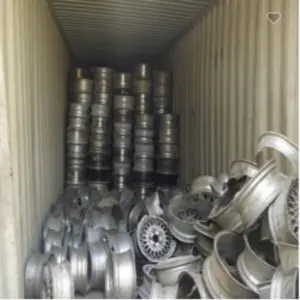
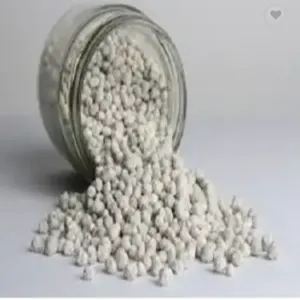
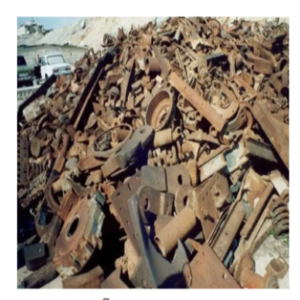
Weeks Wholesales LLC operates from the state of Washington in the United States and currently lists six active products in its catalogue. The catalogue includes whole raw soybeans (HS 1201.90), petroleum‑derived fully refined paraffin wax (HS 2712.90), a compound fertilizer containing 20 % nitrogen, 10 % phosphorus pentoxide and 10 % potassium oxide with an organic additive (HS 3105.20), aluminum alloy wheel scrap (HS 7602.00), first‑grade pure mill‑berry copper scrap with 99.99 % purity (HS 7404.00), and ferrous steel scrap (HS 7204.10). Each entry specifies the material type as described in the supplier data, ranging from agricultural commodities to metal recyclates.
These items span the supplier’s top categories of agricultural chemicals, chemical salts, aluminum scrap, soil conditioners, organic fertilizers, fertilizers and steel shredded scrap. The products are positioned for export from the United States to markets in North America, Europe and Asia, where bulk agricultural inputs and metal recyclates are regularly imported. The HS‑code families represented - chapter 12 for soybeans, chapter 27 for paraffin wax, chapter 31 for fertilizers, chapter 76 for aluminum, chapter 74 for copper and chapter 72 for steel - reflect the standard customs classifications used in international trade.
Product Range and Specialties of Weeks Wholesales LLC
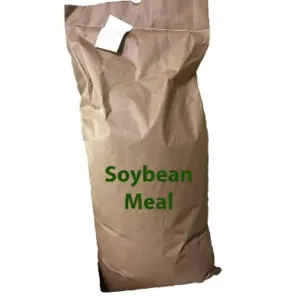
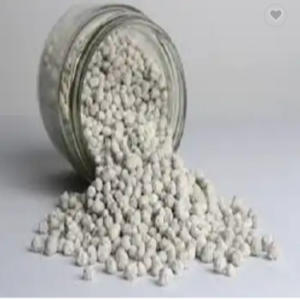
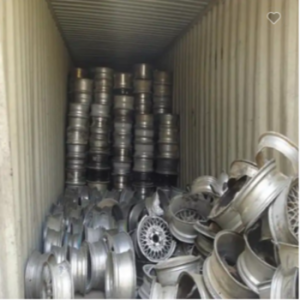
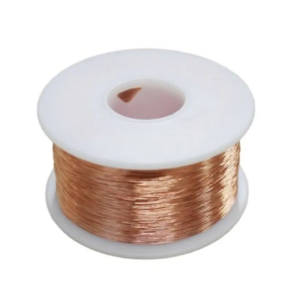
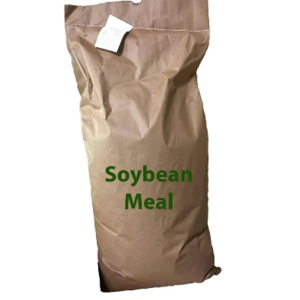
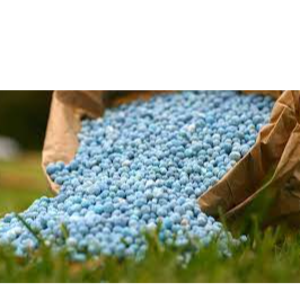
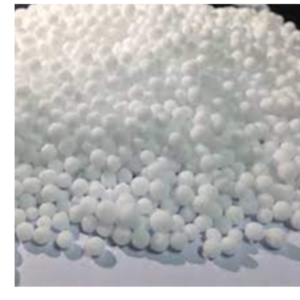
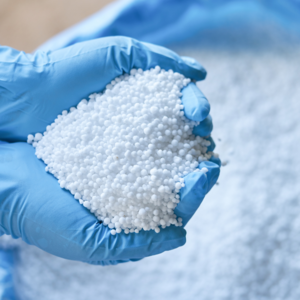
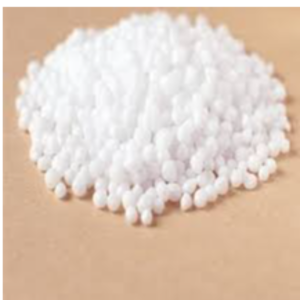
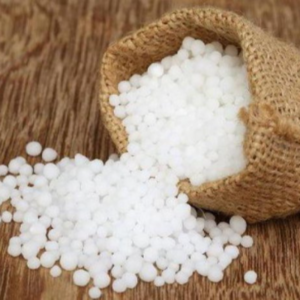
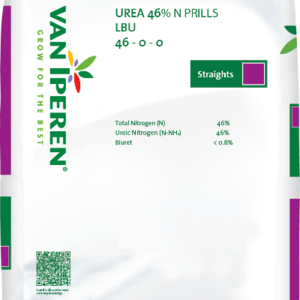
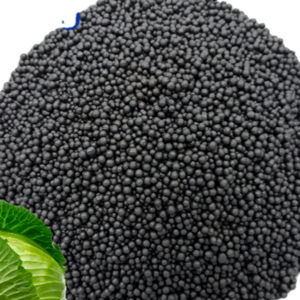
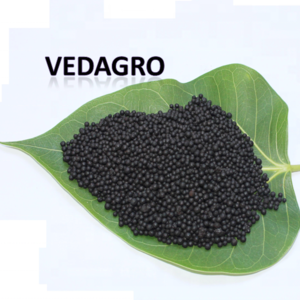
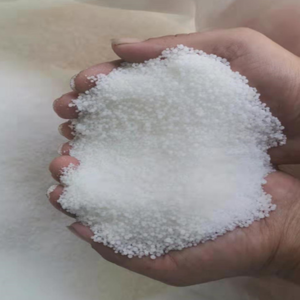
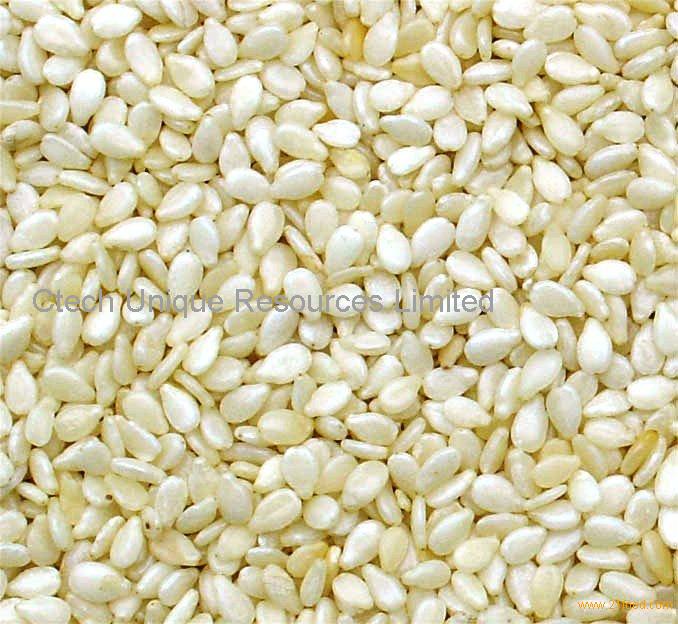
The soybean offering is whole raw soybeans, non‑GMO or conventional, classified under HS 1201.90. In the global market soybeans are typically required to have moisture content of 13 % or lower and foreign matter under 2 %, with analysis certificates confirming protein and oil content. Paraffin wax (HS 2712.90) is a fully refined petroleum product; buyers usually check melting point (45‑65 °C), iodine value (<10) and acid number (<0.5 mg KOH/g). The compound fertilizer under HS 3105.20 follows a common 20‑10‑10 NPK grade, with granule size 2‑4 mm and an organic matter additive, and is normally accompanied by a laboratory nutrient analysis and a safety data sheet. Aluminum wheel scrap (HS 7602.00) consists of cast or forged alloy wheels, density around 2.7 t/m³, and is graded by alloy composition per ASTM B 209. Copper scrap listed as 99.99 % pure mill‑berry copper meets ASTM B 111 purity standards and is typically sold in 1‑ton bales. Steel scrap (HS 7204.10) falls under the ferrous scrap grade #1 category, often required to be free of hazardous coatings and supplied with an assay report indicating iron content and contaminants.
Trade and Export Information - Weeks Wholesales LLC
The United States is a major exporter of soybeans, paraffin wax, fertilizers and metal scrap, with key destination regions including China, the European Union and Southeast Asian countries. HS chapter 12 agricultural products usually require a phytosanitary certificate and may be subject to maximum residue limits (MRLs) for pesticides; HS chapter 27 mineral oils often need a certificate of analysis for flash point and acid number; HS chapter 31 fertilizers typically require a fertilizer analysis certificate and compliance with local nutrient regulations; metal scrap in chapters 72, 74 and 76 is commonly inspected for hazardous substances under REACH and may need a certificate of origin and an assay report. Export logistics from Washington often use FOB Seattle or Portland ports, with soybeans loaded in bulk carriers or 20‑ft containers (≈20 t per container), paraffin wax in 40‑ft containers, and metal scrap in standard 20‑ft or 40‑ft containers secured on deck. Buyers frequently request ISO 9001 or ISO 14001 compliance documentation from U.S. exporters to confirm quality management and environmental standards.
Sourcing from Weeks Wholesales LLC - Buyer Guidance
When sourcing soybeans, request a phytosanitary certificate, a mill test report showing moisture ≤13 % and foreign matter ≤2 %, and a certificate of origin. For paraffin wax, ask for a laboratory analysis covering melting point, iodine value and acid number, together with a safety data sheet. The compound fertilizer should be accompanied by a detailed nutrient analysis (N‑P‑K percentages) and an SDS; buyers may also verify the presence of any organic additives against local regulations. Aluminum wheel scrap buyers typically require an assay report confirming alloy composition, a certificate of origin and evidence that the material is free of non‑aluminum contaminants. Copper scrap verification includes an assay report confirming 99.99 % purity, REACH compliance documentation and a weight certificate. Steel scrap orders should be supported by a weight and assay report, a declaration that the scrap is free of hazardous coatings, and packaging details confirming container sealing and load securing.
Frequently Asked Questions About Weeks Wholesales LLC
What documentation is needed to import the soybeans listed by Weeks Wholesales LLC?
Buyers should request a phytosanitary certificate, a mill test report showing moisture content (typically ≤13 %) and foreign matter (≤2 %), and a certificate of origin for customs clearance.
How is the paraffin wax qualified for industrial use?
The fully refined paraffin wax complies with HS 2712.90 and is usually tested for melting point (45‑65 °C), iodine value (<10) and acid number (<0.5 mg KOH/g); an analysis certificate and safety data sheet are standard documents.
What are the typical specifications of the compound fertilizer offered?
The product is a 20‑10‑10 NPK fertilizer with an organic matter additive, granule size 2‑4 mm, and nutrient analysis certified by a laboratory report; buyers often ask for a fertilizer analysis certificate and an SDS.
Which standards apply to the aluminum wheel scrap?
Aluminum wheel scrap under HS 7602.00 is generally required to meet ASTM B 209 for alloy composition and must be free of non‑aluminum contaminants; an assay report and a certificate of origin are common verification documents.
What purity level is confirmed for the copper scrap?
The listed copper scrap is 99.99 % pure mill‑berry copper, matching ASTM B 111 specifications; buyers usually request an assay report and a REACH compliance declaration.
What packaging formats are used for the steel scrap shipments?
Steel scrap (HS 7204.10) is typically loaded in 20‑ft or 40‑ft containers, sometimes on bulk carriers, with steel bales or loose freight secured to prevent loss; packing details and weight certificates are provided before loading.





 , United States