Vision Group Inc — Verified Supplier
About Vision Group Inc - Beans Supplier in South Korea (Republic Of Korea)
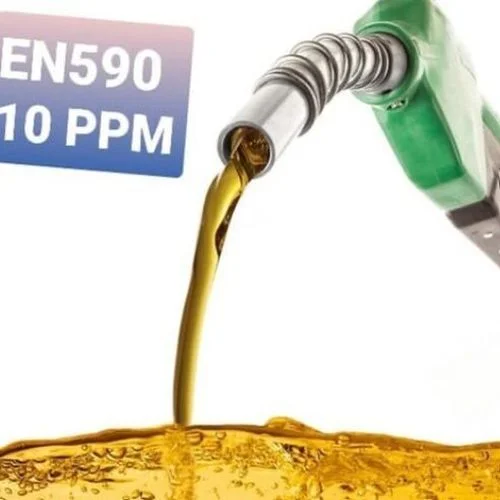
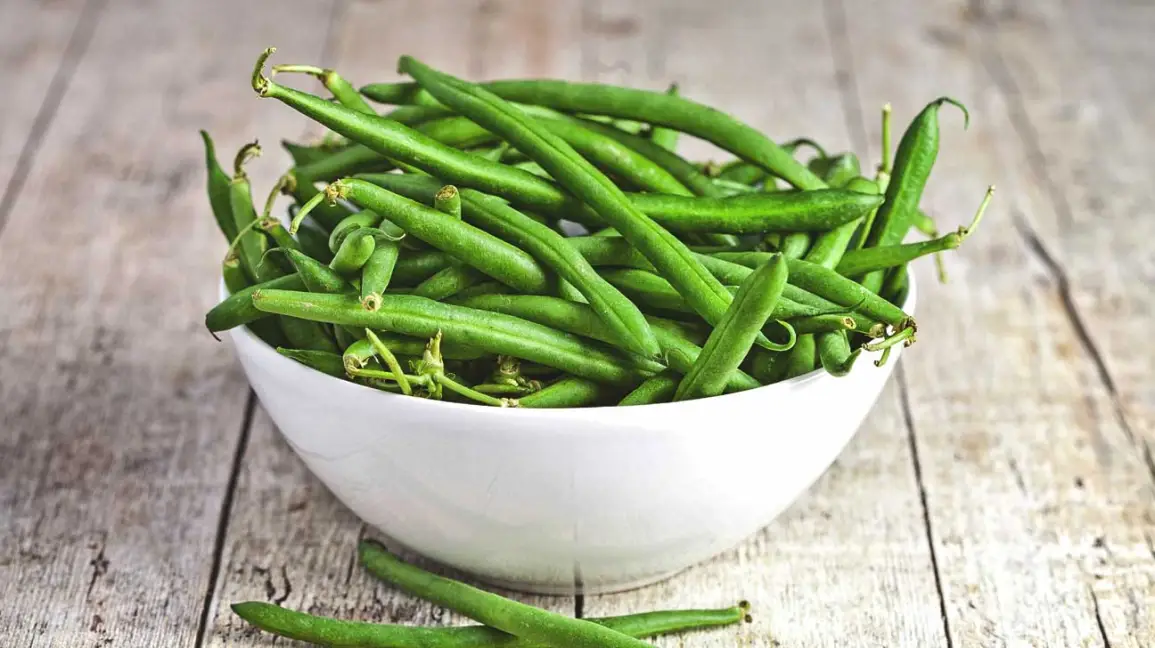
South Korea (Republic Of Korea) hosts Vision Group Inc, which lists six active products across beans, urea fertilizer, aluminum ingots, coffee beans, activated carbon and diesel fuel. The catalogue records green mung beans (HS 0713.90), urea 46 % nitrogen granular, primary aluminum ingots (HS 7601.20, Al 99.7 % P1020A grade), Rubusta coffee green beans, coconut‑shell activated carbon and diesel EN590 with 10 ppm sulfur. Each entry follows the HS‑code families for agricultural produce, primary metals and fuel products, providing clear customs classification for importers. The supplier’s trust tier is recorded as “harbor”, indicating a mid‑level verification level in trade platforms.
Product Range and Specialties of Vision Group Inc
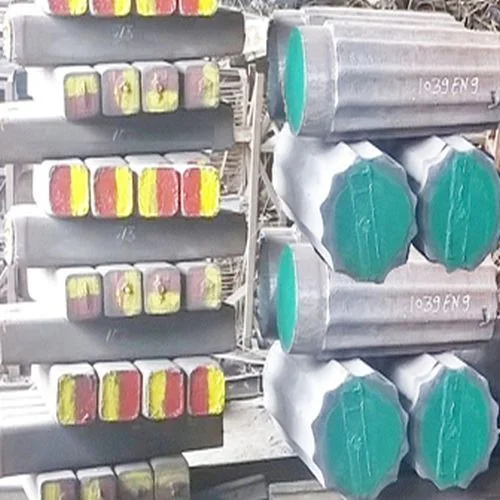
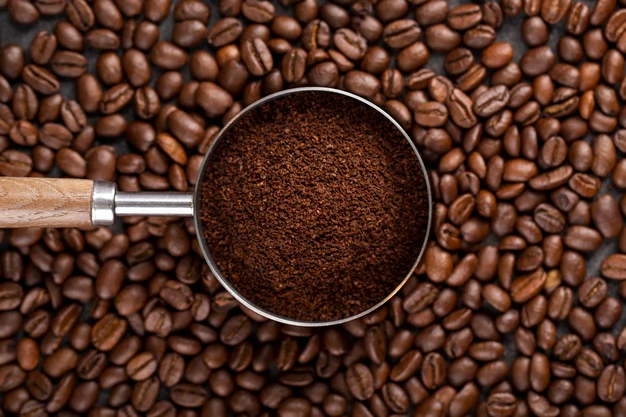
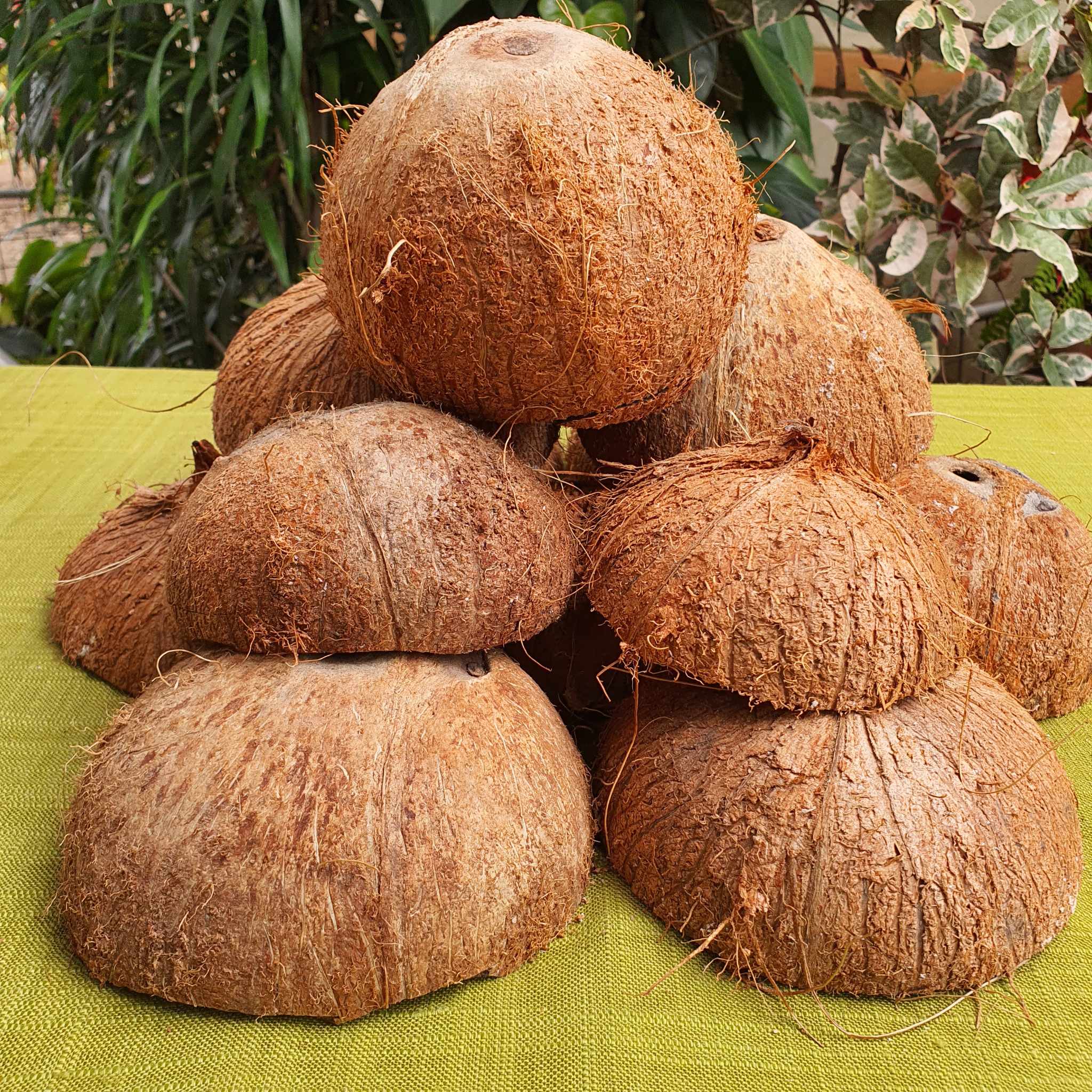
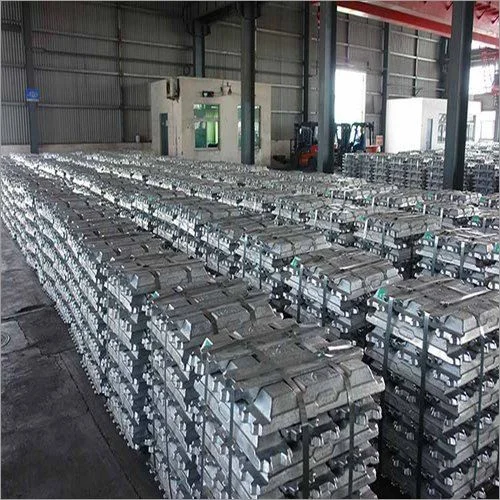
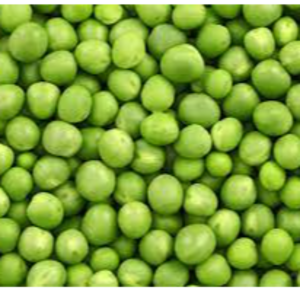
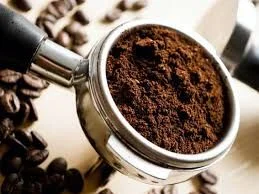
The green mung beans are listed under HS 0713.90 as dried raw agricultural produce, a commodity typically traded in 25 kg bags with moisture content below 13 % and size grading from small to large. Urea 46 % nitrogen granular is a standard nitrogen fertilizer, usually supplied in 50 kg or 1 ton bags, meeting the ISO 9001 quality management expectations for consistent nutrient content. Aluminum ingots identified by HS 7601.20 are primary Al 99.7 % (P1020A) castings, commonly shipped in 1000 kg bundles and conforming to ASTM B221 specifications for purity and tensile strength. Rubusta coffee green beans fall under the coffee bean category, generally graded by screen size (e.g., 16/18 mm), moisture under 12 %, and cupping scores above 80. Coconut‑shell activated carbon is a porous adsorbent used in water and air filtration, typically characterized by IAST adsorption capacity (e.g., >900 mg g‑1 for methylene blue) and bulk density around 0.5 g cm‑3. Diesel EN590 10 ppm complies with the European diesel standard, with cetane number ≥51, sulfur ≤10 ppm, and flash point above 60 °C.
Trade and Export Information - Vision Group Inc
South Korea’s export profile for agricultural commodities such as mung beans and coffee beans targets markets in Southeast Asia, the Middle East and the United States, where HS chapter 07 products are subject to phytosanitary inspection under the IPPC framework. Urea fertilizer from Korea is commonly shipped to African and South American farms; buyers usually request analysis certificates confirming nitrogen content and heavy‑metal limits per ISO 14001. Primary aluminum ingots are exported to automotive and aerospace manufacturers in Europe and East Asia, with HS 7601.20 requiring certificate of origin and compliance with the International Aluminium Institute standards. Activated carbon from coconut shells is in demand for water‑treatment projects in the Gulf Cooperation Council states, where importers often ask for SGS or Intertek test reports on surface area and iodine number. Diesel EN590 meets the EU fuel specification, and shipments to Europe and Japan are typically handled under CIF terms, with a mandatory fuel quality conformity certificate and batch‑wise test results.
Sourcing from Vision Group Inc - Buyer Guidance
When sourcing green mung beans, request a phytosanitary certificate, moisture analysis and a sample size grading report to verify compliance with the 13 % moisture limit. For urea, ask for a fertilizer analysis certificate, safety data sheet (SDS) and a recent laboratory test confirming the 46 % nitrogen content. Aluminum ingot buyers should obtain a mill test certificate (MTC) detailing the Al 99.7 % purity, tensile strength and any trace element limits, as well as packaging inspection photos. Coffee bean purchasers normally request a cupping report, moisture content measurement and a mycotoxin test to ensure food safety. Activated carbon orders should be accompanied by an IAST adsorption test report, bulk density measurement and an ISO 9001 audit summary if available. Diesel EN590 shipments require a fuel quality conformity certificate, cetane number test results and a declaration of sulfur content not exceeding 10 ppm.
Frequently Asked Questions About Vision Group Inc
What HS codes apply to Vision Group Inc’s products?
The catalogue lists HS 0713.90 for green mung beans and HS 7601.20 for primary aluminum ingots. Other items such as urea, coffee beans, activated carbon and diesel are classified under their standard HS chapters (e.g., 31 for fertilizers, 09 for coffee, 38 for activated carbon, 27 for diesel) but specific codes are not provided in the supplier data.
Which certifications should I ask for when buying the aluminum ingots?
Request a mill test certificate that confirms the Al 99.7 % (P1020A) composition, tensile strength and any impurity limits. An ISO 9001 audit summary or a third‑party inspection report (e.g., SGS) is also common for primary metal shipments.
How is the quality of the Rubusta coffee green beans verified?
Buyers typically ask for a cupping score, moisture content analysis (usually ≤12 %) and a mycotoxin test. A sample size grading sheet and a certificate of origin are also standard documents.
What documents are needed for importing the diesel EN590 product?
Importers normally require a fuel quality conformity certificate, a laboratory report showing cetane number (≥51) and sulfur content (≤10 ppm), and a safety data sheet (SDS) for handling and transport.
Are there standard packaging sizes for the urea 46 % nitrogen granular?
Urea granules are most often packed in 50 kg polypropylene bags or 1 ton bulk bags (FIBCs). Packing details should be confirmed with the supplier and reflected in the commercial invoice.
What typical inspection or test reports are expected for coconut‑shell activated carbon?
A standard test report includes IAST adsorption capacity (e.g., >900 mg g‑1 for methylene blue), bulk density (around 0.5 g cm‑3) and an iodine number. Third‑party verification from SGS or Intertek is commonly requested.
Which markets usually import South Korean beans and coffee?
South Korean mung beans and coffee beans are frequently exported to Southeast Asian countries, the Middle East and North America, where buyers follow phytosanitary regulations and often require certificates of analysis and origin.
What incoterms are typically used for these product categories?
For bulk commodities such as aluminum ingots and diesel, CIF or FOB terms are common. Agricultural products like beans and coffee are often shipped under FOB with subsequent freight arrangements, while activated carbon may be handled under DAP depending on the buyer’s logistics preferences.




 , South Korea (Republic Of Korea)