Agriculture›
 Apparel and fashion accessories›
 Construction & real estate›💡Electronic & Electrical›🍎Food & Beverages›🛋️Home furnishing & supplies›⚗️Industrial goods & chemical›🪨Minerals & metals›📦Miscellaneous›Agriculture›Apparel and fashion accessories›Construction & real estate›💡Electronic & Electrical›🍎Food & Beverages›🛋️Home furnishing & supplies›⚗️Industrial goods & chemical›🪨Minerals & metals›📦Miscellaneous›
Tomfan Lighting Co., Limited
⚓ Harbor , ChinaNew supplier / no reviews yet
Tomfan Lighting Co., Limited Product Catalog





About Tomfan Lighting Co., Limited - Solar Power Equipment Supplier in China
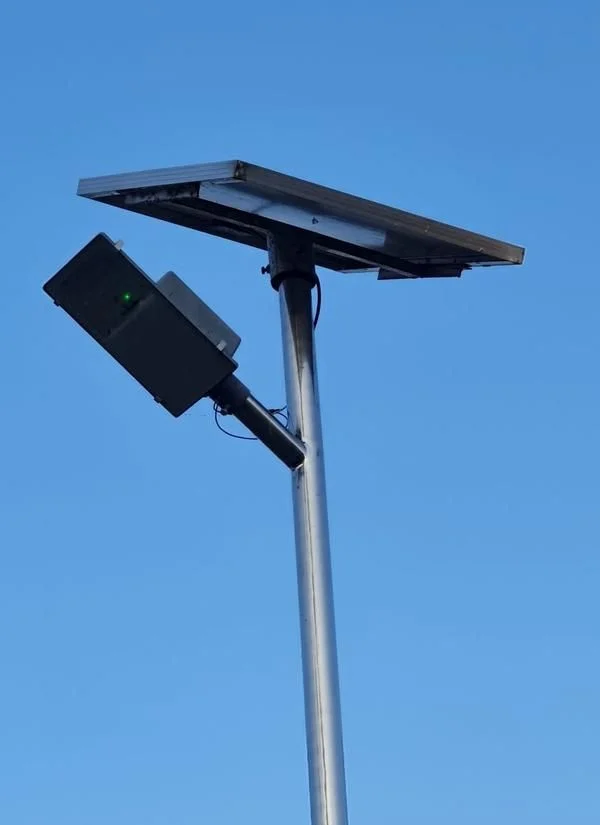
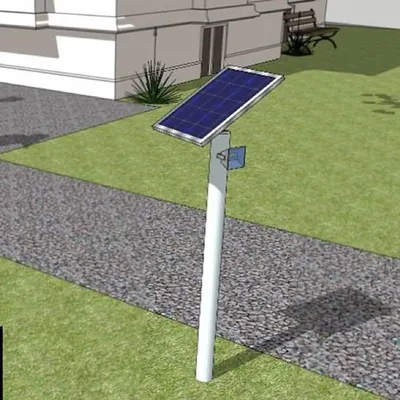
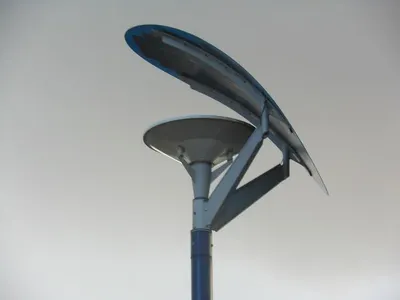
Tomfan Lighting Co., Limited operates from China and currently lists 11 active products. The offerings are concentrated on solar-powered lighting equipment, classified under the broader categories of solar power equipment and electric lamps, light fittings. Each listed item is an integrated solar lamp unit, with power ratings that span from 6 W to 60 W. The catalogue also contains two model identifiers, 10080 and 10040, which are part of the same all‑in‑one lamp family. In international trade data such products are generally recorded under HS chapter 94 for lighting appliances and HS chapter 85 for solar power components.
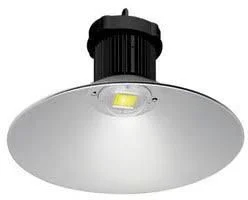
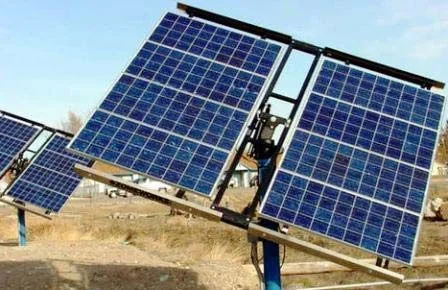
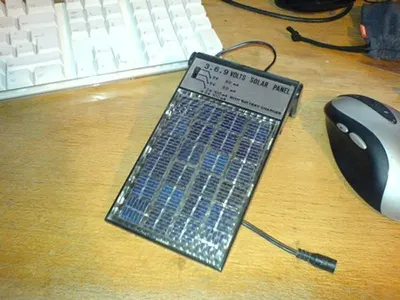
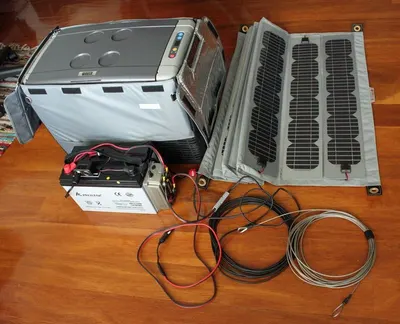
The product list includes solar lamps of 6 W, 8 W, 12 W, 15 W, 18 W, 20 W, 30 W, 50 W and 60 W, each comprising a photovoltaic panel, a rechargeable battery, LED emitters and a housing. The two model numbers, 10080 and 10040, appear without separate specifications but are grouped with the wattage‑specific lamps, indicating they are variations of the integrated design. No separate lamp tubes, fixtures, or ancillary accessories are mentioned in the catalogue.
Product Range and Specialties of Tomfan Lighting Co., Limited
In the solar lighting market, integrated units are typically rated by output wattage, luminous flux (lumens), battery capacity (Ah), and protection class. Common performance grades include IP65 for dust‑tight and water‑resistant enclosures, CRI values of 80 - 90 for colour rendering, and LED efficacy of 100 - 130 lm/W. Battery types are often lithium‑ion or lead‑acid, with expected cycle life of 500 - 1000 cycles. Buyers usually compare lumen output per watt and the ability of the built‑in panel to recharge the battery within 6‑8 hours of full sunlight.
Solar lamps in the 6 W to 60 W range are frequently supplied in standard cardboard boxes (e.g., 30 × 30 × 30 cm) and packed on wooden pallets for sea freight. Typical container loads are 20‑ft containers holding 1,200‑1,500 units, depending on packaging density. Industry specifications often reference IEC 60598 for safety of luminaires and IEC 61730 for photovoltaic modules, providing a benchmark for quality assurance.
Frequently Asked Questions About Tomfan Lighting Co., Limited
What product categories does Tomfan Lighting list?
The catalogue contains integrated solar lamp units ranging from 6 W to 60 W, plus two model numbers (10080 and 10040) that belong to the same all‑in‑one solar lighting family.
Which certifications should a buyer request for these solar lamps?
Buyers typically ask for CE marking, IEC 60598 safety test reports, RoHS compliance statements, and, if required by the destination market, UL or ISO 9001 quality system certificates.
What are the common technical specifications to verify?
Key parameters include the lamp’s wattage, luminous flux (lm), IP rating (often IP65), battery capacity (Ah), recharge time, LED colour temperature, and photovoltaic panel efficiency.
How are the lamps usually packaged for export?
They are packed in individual cardboard boxes, stacked on Euro pallets, and loaded into 20‑ft or 40‑ft containers; typical carton size is around 30 × 30 × 30 cm.
What is a typical minimum order quantity and lead time?
Integrated solar lamp orders often start at 500 units, with a production lead time of roughly 30‑45 days after sample acceptance.
ChinaRelated Suppliers & Products
Explore similar suppliers, related products and trending categories