Agriculture›
 Apparel and fashion accessories›
 Construction & real estate›💡Electronic & Electrical›🍎Food & Beverages›🛋️Home furnishing & supplies›⚗️Industrial goods & chemical›🪨Minerals & metals›📦Miscellaneous›Agriculture›Apparel and fashion accessories›Construction & real estate›💡Electronic & Electrical›🍎Food & Beverages›🛋️Home furnishing & supplies›⚗️Industrial goods & chemical›🪨Minerals & metals›📦Miscellaneous›
Tianjin Raising International Co., Ltd.
⚓ Harbor , ChinaNew supplier / no reviews yet
Tianjin Raising International Co., Ltd. Product Catalog
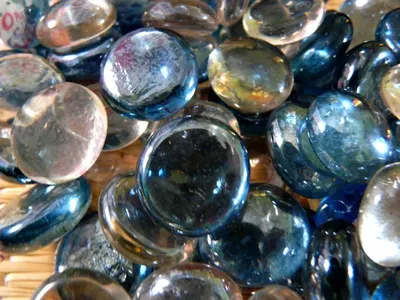



About Tianjin Raising International Co., Ltd. - Other Glass Products Supplier in China
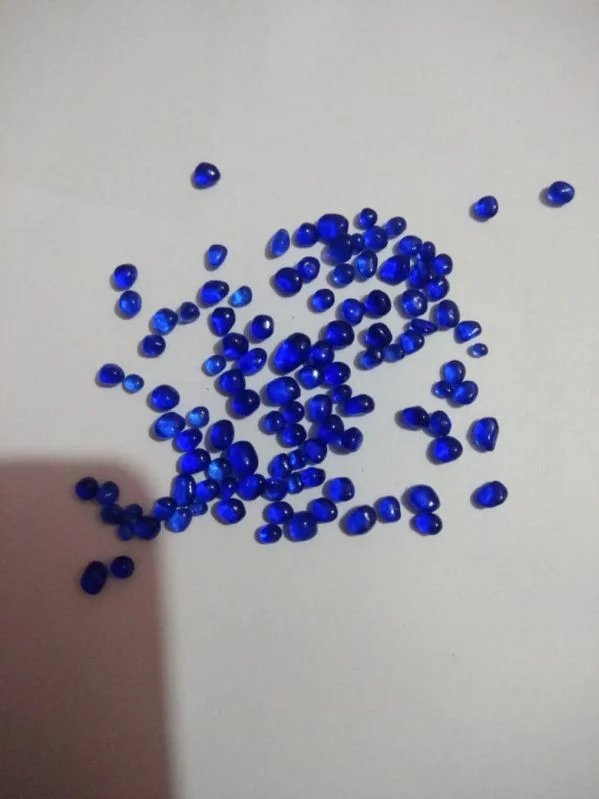
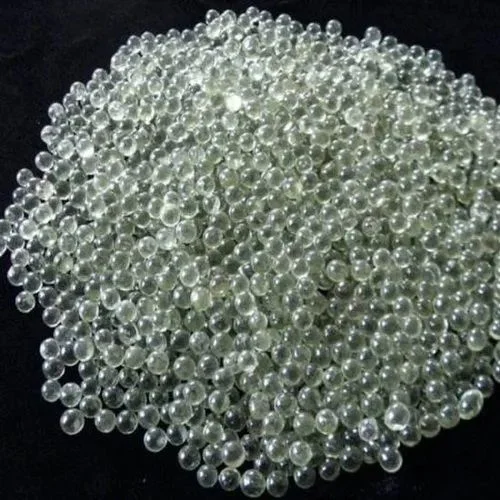
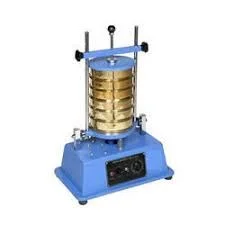
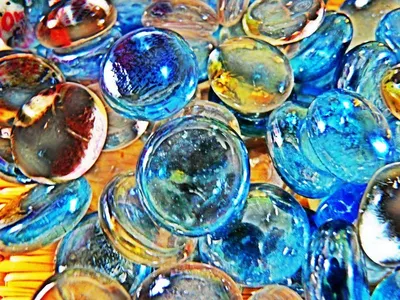
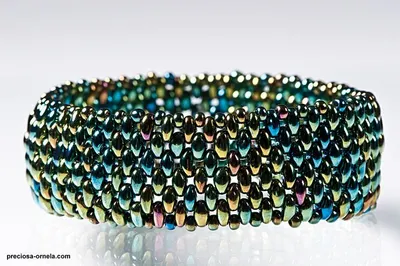
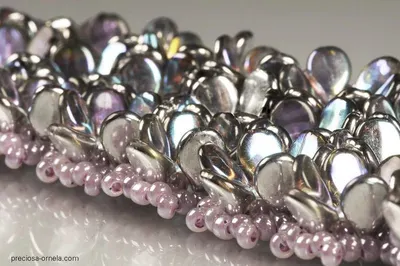
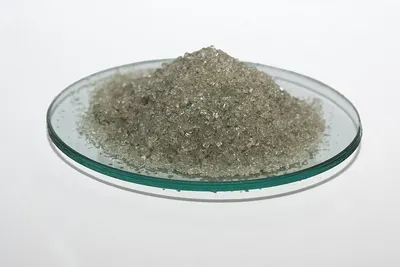
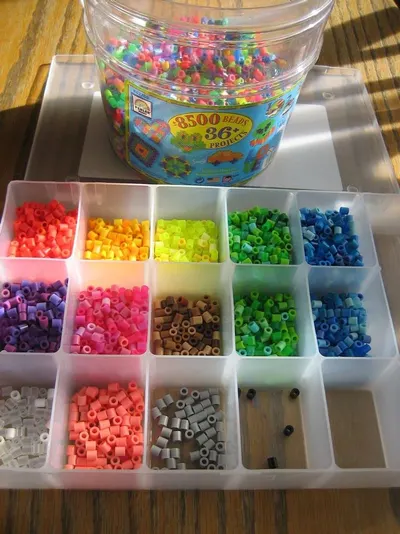
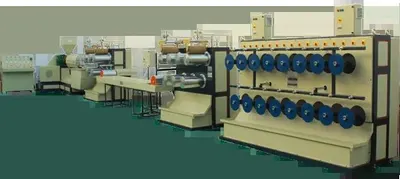
Tianjin Raising International Co., Ltd. is based in Tianjin, China and lists 13 active products in its catalogue. The catalogue focuses on glass microsphere and bead products, which fall under HS chapter 70, commonly coded as 7015 for glass beads and related microspheres. Products include Reflective Glass Microspheres, High‑Intensity Glass Microspheres, High‑White Glass Microspheres, Colorful Glass Beads, Road Marking Glass Beads, Sandblasting Glass Beads, various sizes of Glass Seed Beads and Lightweight Hollow Glass Bubbles. In addition, the supplier lists equipment for producing and processing glass microspheres. The product set spans both the “Other Glass Products” and “Agriculture” categories identified in the supplier’s top categories.
Product Range and Specialties of Tianjin Raising International Co., Ltd.
The glass microspheres in the catalogue are generally classified by diameter (10 µm to 500 µm), wall thickness (0.01 mm to 0.1 mm) and bulk density (0.1 g cm‑3 to 0.5 g cm‑3), which correspond to industry grades used in automotive paints and road marking pigments. High‑White microspheres typically achieve a reflectance of ≥95 % at 550 nm and are specified to meet ASTM D4956 for retroreflectivity. High‑Intensity microspheres are marketed for luminous efficiency and are often tested to ISO 22479 for light scattering performance. Colorful glass beads are produced in standard RAL colors and are sized to meet the 0.5 mm - 2 mm range common in textile and craft markets. Hollow glass bubbles are supplied with wall thickness of 0.02 mm to 0.05 mm and a specific gravity of 0.2 g cm‑3, matching the specifications required for lightweight concrete and composite panels.
Frequently Asked Questions About Tianjin Raising International Co., Ltd.
What product categories does Tianjin Raising International offer?
They list glass microspheres, various glass beads (reflective, high‑intensity, high‑white, colorful, road‑marking, sandblasting, seed beads), glass sands and grits, lightweight hollow glass bubbles, and equipment for producing glass microspheres. Each item is presented as a separate product entry in their catalogue.
Which HS code is used for the glass bead products?
Most of the bead and microsphere items fall under HS chapter 70, specifically code 7015 (glass beads, whether or not cut, worked or polished). Specialized microspheres that do not fit the basic description are recorded under sub‑heading 7015.90 for other glass beads.
What are the typical specifications buyers should check for high‑white glass microspheres?
Buyers usually verify particle size (10‑200 µm), bulk density (0.1‑0.3 g cm‑3), reflectance of at least 95 % at 550 nm, and compliance with ASTM D4956 for retroreflectivity. Additional data such as SiO₂ purity and moisture content are also commonly requested.
How are the glass beads packaged for export?
The standard export packaging is 25 kg polypropylene‑lined bags, stacked on pallets for container loading. A 20‑foot container typically holds about 800 bags, while a 40‑foot container can accommodate roughly 1,600 bags.
What certifications are commonly required for these glass products?
Importers often request ISO 9001 quality management certification, CE marking for road‑marking applications, and test certificates issued by an ISO‑17025 accredited laboratory. These documents help verify product conformity with international standards.
ChinaRelated Suppliers & Products
Explore similar suppliers, related products and trending categories