Tianjin Aijiaqi International Trade Co., Ltd. — Verified Supplier
About Tianjin Aijiaqi International Trade Co., Ltd. - Garbage Bags Supplier in China
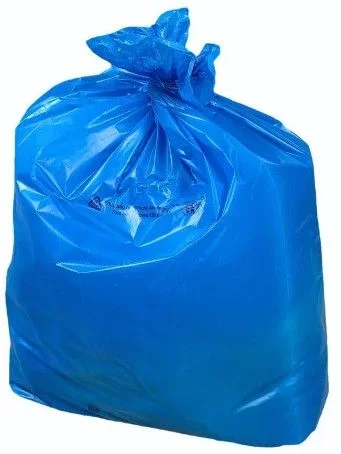
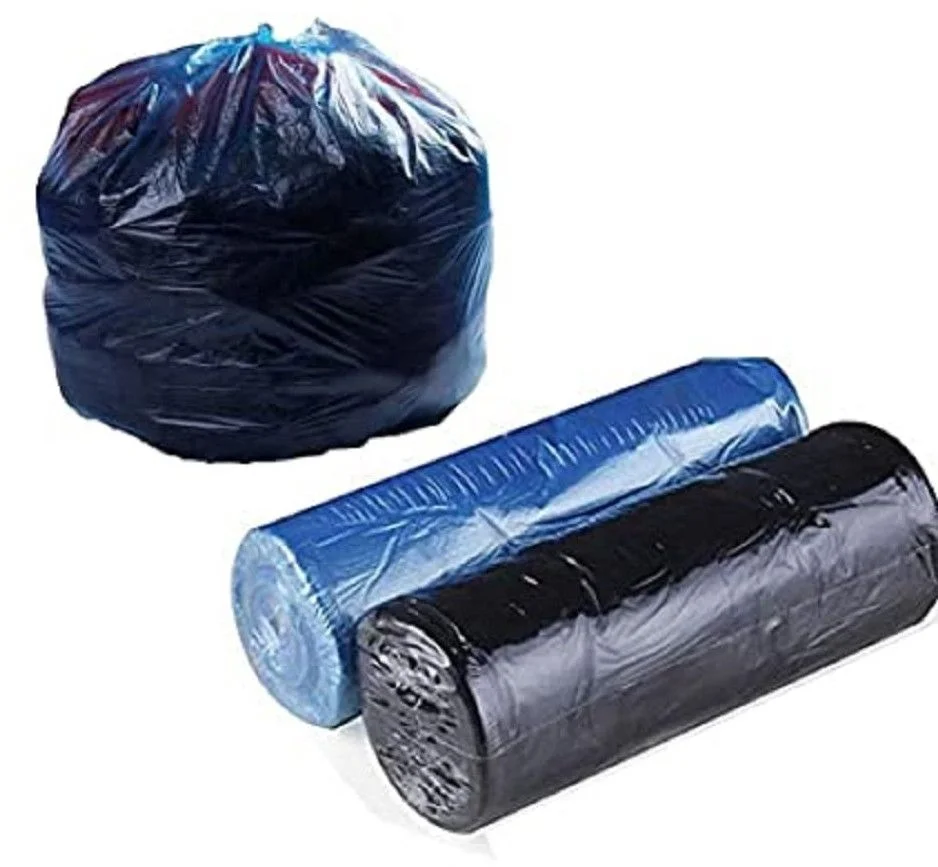
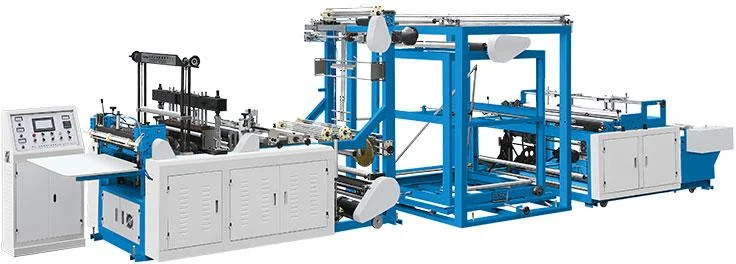
Based in Tianjin, China, Tianjin Aijiaqi International Trade Co., Ltd. lists 58 active products across its catalogue. The company’s listings focus on various types of plastic waste‑containment solutions, including heavy‑duty garbage bags, biodegradable shopping bags and related machinery. Products such as the Black Vest Garbage Bag (HS 3923.21, HDPE) and the 33 gal Compostable Trash Bag (HS 3923.29, plant‑based bioplastic) illustrate the range of polymer materials offered. The catalogue also includes draw‑tape garbage‑bag making machines and bag‑making equipment.
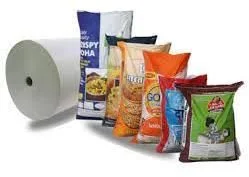
The product set spans conventional high‑density polyethylene (HDPE) and low‑density polyethylene (LDPE) bags, blended bioplastics such as PBAT/PLA, and corn‑starch‑based polymers. Several entries specify HS codes 3923.21 for polyethylene bags and 3923.29 for compostable bioplastic bags, reflecting standard customs classifications for plastic packaging. In addition to bags, the supplier lists related items such as plastic carrier bags, disposable gloves and laminates, expanding its polymer‑based portfolio.
Product Range and Specialties of Tianjin Aijiaqi International Trade Co., Ltd.
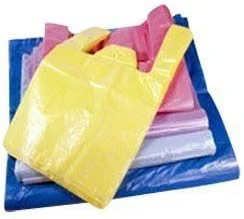
The catalogue covers a spectrum of bag types: standard black HDPE garbage bags, color‑coded polyethylene bags, draw‑string kitchen bags, and a series of biodegradable options based on PBAT/PLA blends or corn‑starch polymers. Typical HDPE garbage bags are produced in thicknesses from 0.05 mm to 0.20 mm and are rated for loads of 10 kg to 30 kg, while LDPE shopping bags often range 0.03 mm to 0.07 mm thickness and support 5 kg to 15 kg loads. Biodegradable bags listed under HS 3923.29 commonly meet EN 13432 or ASTM D6400 standards, requiring a minimum 90 % degradation within 180 days under industrial composting conditions. The draw‑tape garbage‑bag making machine is designed for film widths up to 1 m and can handle both HDPE and biodegradable films, aligning with typical equipment capacities in the plastic bag sector.
Trade and Export Information - Tianjin Aijiaqi International Trade Co., Ltd.
China remains one of the world’s largest exporters of plastic packaging, and HS chapter 39 (Plastics and articles thereof) dominates its outbound shipments. HS 3923.21 and 3923.29 are the primary customs headings for polyethylene and compostable plastic bags respectively, and they are routinely inspected for compliance with REACH restrictions on phthalates and with FDA food‑contact regulations when bags are intended for food‑grade use. Major import markets include the European Union, the United States, Southeast Asian nations and the Middle East, where retailers and municipal waste‑management services source bulk garbage‑bag supplies. Export logistics typically employ 20‑ft or 40‑ft containers, with bags palletized on Euro‑pallets (1200 mm × 800 mm) and secured with stretch film; common Incoterms are FOB Tianjin Port or CIF destination port.
Sourcing from Tianjin Aijiaqi International Trade Co., Ltd. - Buyer Guidance
Buyers should request a Material Safety Data Sheet (MSDS) for each polymer type, as well as test reports confirming load‑bearing capacity, puncture resistance and, for biodegradable bags, certification to EN 13432 or ASTM D6400. Verifying the HS code on the commercial invoice ensures correct tariff treatment; a mismatch between 3923.21 and 3923.29 can affect duty rates. Prior to a full order, requesting a physical sample of the selected thickness and material allows assessment of seam strength, draw‑string integrity and biodegradability performance under local composting conditions.
Frequently Asked Questions About Tianjin Aijiaqi International Trade Co., Ltd.
What types of garbage bags does Tianjin Aijiaqi list in its catalogue?
The supplier lists conventional HDPE and LDPE garbage bags, heavy‑duty black bags, draw‑string kitchen bags, and several biodegradable options made from PBAT/PLA blends or corn‑starch polymers, each assigned to HS 3923.21 or 3923.29.
Which HS codes are associated with the listed bags?
Products made from polyethylene are classified under HS 3923.21, while compostable bioplastic bags are classified under HS 3923.29. The catalogue explicitly cites these codes for several items.
What certifications should a buyer request for these plastic bags?
Buyers typically request REACH compliance documentation, ISO 9001 quality‑management certificates, and, for food‑contact or biodegradable bags, FDA registration or EN 13432/ASTM D6400 biodegradability certification.
What are typical packaging and shipment formats for these bags?
Bags are usually packed in bulk on Euro‑pallets, wrapped with stretch film, and loaded into 20‑ft or 40‑ft containers. Standard container loads range from 15 tons to 25 tons depending on bag thickness and packaging density.
What minimum order quantities (MOQ) are common for these products?
MOQs vary by material; polyethylene garbage bags often start at 5 metric tons, while biodegradable bags may require a higher MOQ of 10 metric tons due to specialized film processing.
How long is the typical lead time from order to shipment?
Lead times for standard polyethylene bags are typically 25‑35 days after order confirmation, whereas biodegradable bags and the draw‑tape bag‑making machine can require 40‑55 days due to material preparation and equipment calibration.
Can I obtain a sample before placing a bulk order?
Yes, the supplier can provide a sample batch of up to 500 bags per material type, allowing buyers to evaluate thickness, color, seam strength and biodegradability performance before committing to a full shipment.
What documentation is needed for customs clearance of these bags?
Customs generally require a commercial invoice listing the correct HS code, a packing list, the certificate of origin, and any applicable compliance certificates (e.g., REACH, EN 13432) to ensure smooth clearance.




 , China