Agriculture›
 Apparel and fashion accessories›
 Construction & real estate›💡Electronic & Electrical›🍎Food & Beverages›🛋️Home furnishing & supplies›⚗️Industrial goods & chemical›🪨Minerals & metals›📦Miscellaneous›Agriculture›Apparel and fashion accessories›Construction & real estate›💡Electronic & Electrical›🍎Food & Beverages›🛋️Home furnishing & supplies›⚗️Industrial goods & chemical›🪨Minerals & metals›📦Miscellaneous›
Thai-Korea Enterprise Co. Ltd.
⚓ Harbor , ThailandNew supplier / no reviews yet
Thai-Korea Enterprise Co. Ltd. Product Catalog
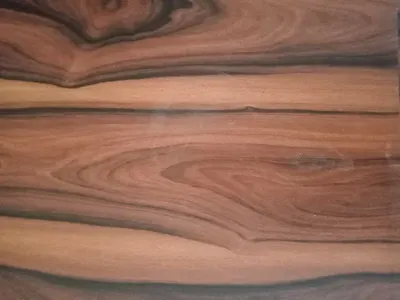
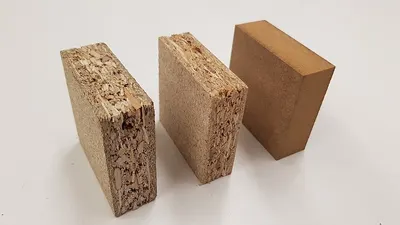
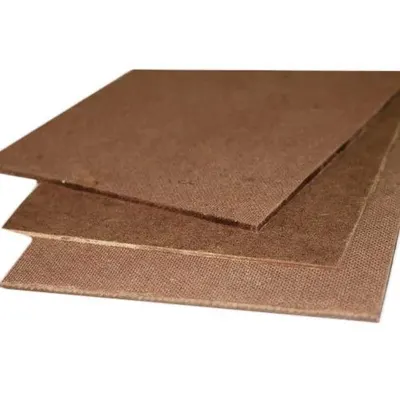
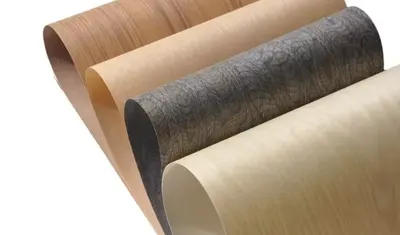
About Thai-Korea Enterprise Co. Ltd. - Particle Boards Supplier in Thailand
Thailand hosts Thai-Korea Enterprise Co. Ltd., which currently lists six distinct wood panel products in its catalogue. The company’s offerings fall under the broader categories of Particle Boards, Wooden Block Board, MDF Boards, and Panels. Its product list includes PB (Particle Board), standard Particle Board, MDF, MFC (Melamine Faced Board), Melamine Faced Panel, and Oriented Strand Board (OSB). Each item is classified within the wood‑based panel segment commonly assigned to HS Chapter 44. The catalogue reflects a focus on engineered wood products used in furniture, construction, and interior finishing.
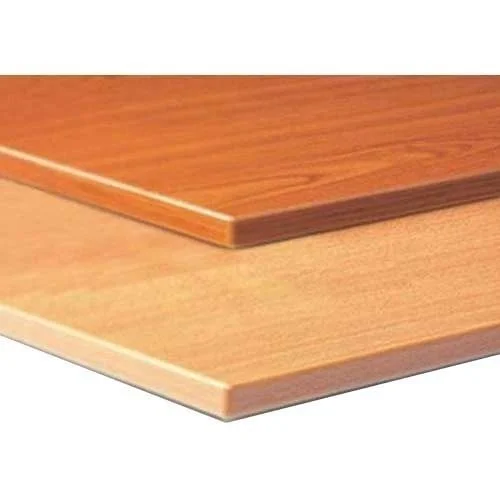
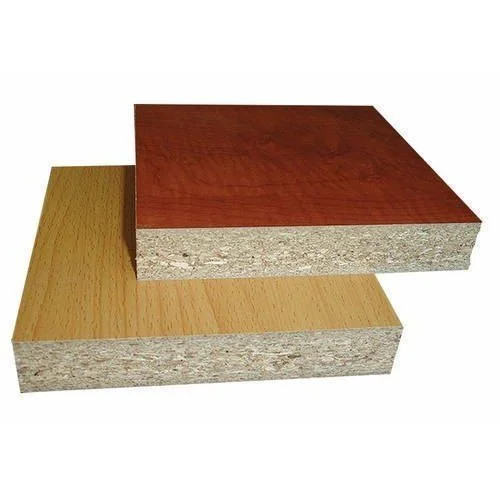
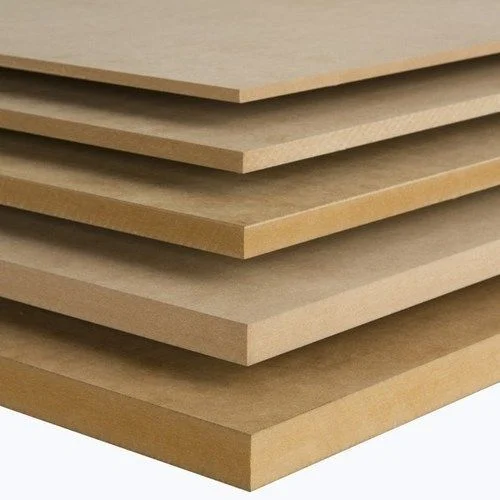
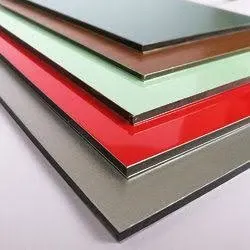
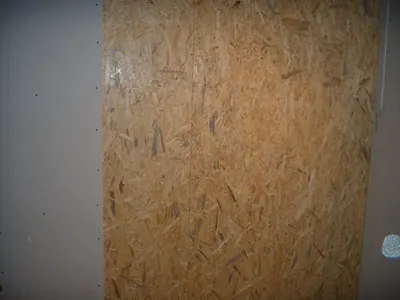
PB and Particle Board are medium‑density engineered panels produced from wood particles bonded with resin. MDF is a fine‑grained board made from wood fibers, offering uniform thickness and smooth surfaces. MFC and Melamine Faced Panel consist of a core board overlaid with a melamine‑impregnated decorative paper, providing a hard‑wearing surface. Oriented Strand Board (OSB) is assembled from long wood strands oriented in layers to achieve high shear strength. All six items are listed without specific HS codes in the provided data, but they belong to the standard HS 4410‑4411 families for wood panels.
Product Range and Specialties of Thai-Korea Enterprise Co. Ltd.
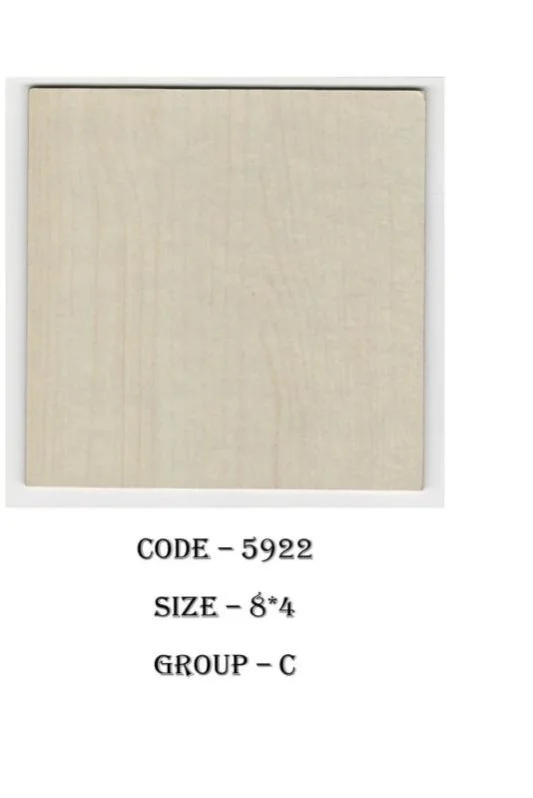
The particle board range typically meets density values between 600 and 800 kg m‑3, moisture content of 8‑12 %, and formaldehyde emission limits of E1 (CARB Phase 2) or lower. MDF products generally have densities of 700‑900 kg m‑3, thicknesses from 3 mm to 30 mm, and surface smoothness suitable for painting or laminating. Melamine faced boards are produced with a melamine‑impregnated paper overlay of 0.5‑0.8 mm thickness, available in standard decorative grades such as matte, gloss, or textured finishes. OSB panels are commonly supplied in 4 × 8 ft sheets, thicknesses of 9‑25 mm, with shear strength exceeding 2 MPa and edge sealing to improve moisture resistance.
Frequently Asked Questions About Thai-Korea Enterprise Co. Ltd.
What wood panel types does Thai‑Korea Enterprise Co. Ltd. offer?
The supplier lists six engineered wood products: PB (Particle Board), standard Particle Board, MDF, MFC (Melamine Faced Board), Melamine Faced Panel, and Oriented Strand Board (OSB). Each product is part of the wood panel segment used for furniture, construction, and interior finishing.
Which HS codes are applicable to these products?
The items fall under HS Chapter 44, typically HS 4410 for particle board and melamine faced board, HS 4411 for OSB, and HS 4412 for MDF. These codes are used by customs to classify and assess compliance for wood‑based panels.
What standard quality specifications should buyers check for particle board and MDF?
Buyers usually look for density (600‑800 kg m‑3 for particle board, 700‑900 kg m‑3 for MDF), moisture content of 8‑12 %, and thickness tolerance of ±0.2 mm. Formaldehyde emission limits of E1 (CARB Phase 2) or lower are also commonly required.
Are there common certifications required for these wood panels?
Importers often require forest‑origin certifications such as FSC or PEFC, a quality management system like ISO 9001, and formaldehyde emission test reports meeting CARB or EU E1 standards. These documents help verify environmental and health compliance.
What packaging and container sizes are typical for shipping these panels?
Panels are normally wrapped in polyethylene, palletised, and loaded into 20‑ft or 40‑ft containers. A 20‑ft container can accommodate roughly 12‑14 m³ of 4 × 8 ft panels, depending on thickness.
ThailandRelated Suppliers & Products
Explore similar suppliers, related products and trending categories