Agriculture›
 Apparel and fashion accessories›
 Construction & real estate›💡Electronic & Electrical›🍎Food & Beverages›🛋️Home furnishing & supplies›⚗️Industrial goods & chemical›🪨Minerals & metals›📦Miscellaneous›Agriculture›Apparel and fashion accessories›Construction & real estate›💡Electronic & Electrical›🍎Food & Beverages›🛋️Home furnishing & supplies›⚗️Industrial goods & chemical›🪨Minerals & metals›📦Miscellaneous›
Technosphere Engineering Pvt Ltd
⚓ Harbor , IndiaNew supplier / no reviews yet
Technosphere Engineering Pvt Ltd Product Catalog

About Technosphere Engineering Pvt Ltd - Solar Power Equipments Supplier in India
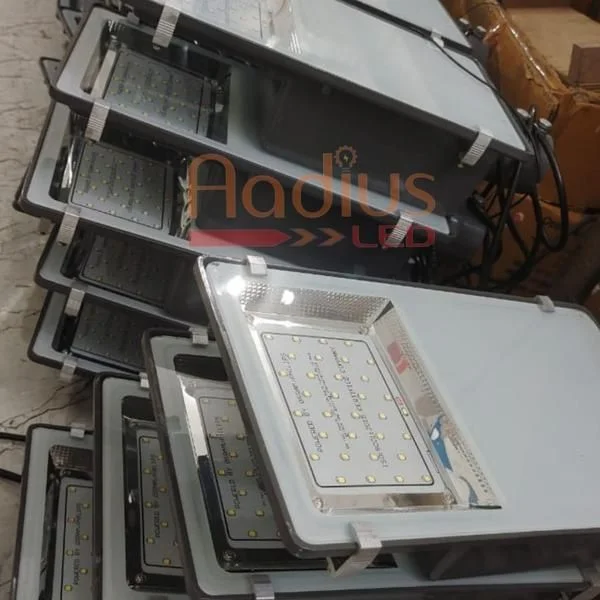
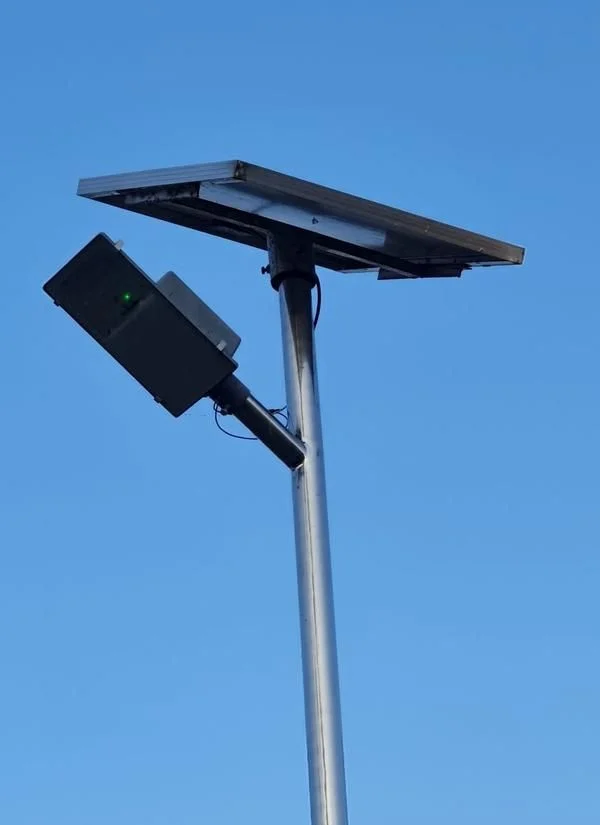
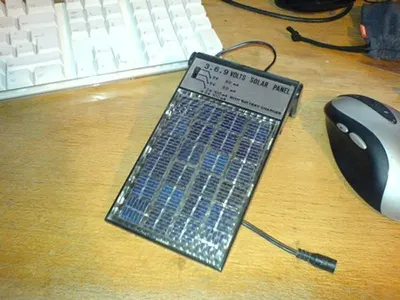
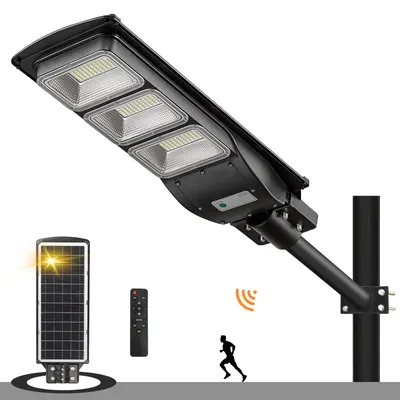
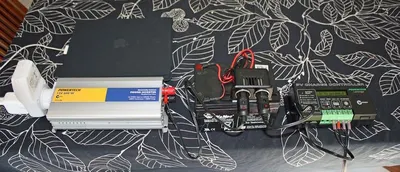
Technosphere Engineering Pvt Ltd operates out of India and lists 23 distinct products across its catalogue. The company focuses on solar power equipment, street lighting solutions and LED lighting components. Its portfolio includes portable solar lanterns, integrated street lights, various charge controllers and both AC and DC floodlights. Each item is identified by a specific product name that aligns with common classifications used in the electrical and renewable‑energy sectors. The product set comprises three watt and five watt solar lanterns, a series of all‑in‑one street lights ranging from 20 W to 40 W, semi‑integrated street lights in several wattages, solar home lighting systems, multiple USB‑enabled MPPT charge controllers (5 A to 20 A) and standard MPPT units, as well as LED and conventional AC floodlights up to 200 W and a DC bulb. These items fall under the HS chapter 85 (electrical machinery) and chapter 84 for lighting fixtures, which are the typical tariff headings used for such equipment.
Product Range and Specialties of Technosphere Engineering Pvt Ltd
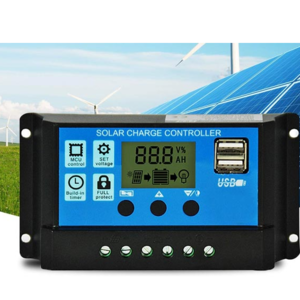
The catalogue lists solar lanterns (3 W, 5 W), all‑in‑one street lights (20 W, 30 W, 40 W), semi‑integrated street lights (15 W, 20 W, 24 W), solar and non‑solar home lighting systems, USB‑enabled solar charge controllers (5 A, 10 A, 15 A, 20 A) and MPPT controllers (5 A, 10 A), LED AC floodlights, conventional AC floodlights (150 W, 200 W, 200 W front‑choke) and a DC bulb. In the solar lighting market, portable lanterns are typically rated between 2 W and 10 W, with luminous flux around 100 - 300 lumens and battery capacities of 2000 - 5000 mAh. Integrated street lights for public lighting commonly use LED modules meeting IEC 60598‑2‑112, with efficacy of 120 - 150 lm/W and IP65 protection. Charge controllers are usually required to comply with IEC 61850‑3 for safety and may carry CE or UL certifications. Floodlights above 150 W often employ high‑efficiency LED arrays, thermal management to maintain junction temperatures below 85 °C, and are supplied in weather‑sealed housings.
Frequently Asked Questions About Technosphere Engineering Pvt Ltd
What product categories does Technosphere Engineering offer?
The supplier lists solar lanterns (3 W, 5 W), all‑in‑one and semi‑integrated street lights (15 W‑40 W), solar and conventional home‑lighting systems, USB‑enabled MPPT solar charge controllers (5 A‑20 A), standard MPPT controllers (5 A, 10 A), LED and conventional AC floodlights up to 200 W, and a DC bulb.
Which HS codes are applicable to these products?
The items fall under HS Chapter 85 (electrical machinery, apparatus and parts) and Chapter 84 for lighting fixtures, with sub‑headings such as 8501 for electric generators, 8509 for lamps and lighting fittings, and 8531 for electricity distribution boards.
What certifications are typically required for solar lighting and LED floodlights?
Buyers usually request CE marking, UL certification, IEC 60598 compliance for luminaires, IEC 62031 for LED modules, and ISO 9001 quality‑management certificates. Specific test reports for IP rating and thermal performance are also common.
How are the products packaged for export?
Small lanterns are packed in reinforced cardboard boxes, while larger street‑light assemblies and floodlights are placed in wooden crates or bulk pallets with moisture‑resistant liners. Packaging conforms to ISPM 15 standards for wood packaging when shipped internationally.
What are the typical minimum order quantities and lead times?
Minimum order quantities are generally 100 units for portable lanterns, 50 units for floodlights, and 30 units for charge controllers. Lead times range from 30 days for standard items to 45 days for custom‑configured street‑light kits.
IndiaRelated Suppliers & Products
Explore similar suppliers, related products and trending categories