Super Company Dmcc — Verified Supplier
About Super Company Dmcc - Caustic Soda Supplier in United Arab Emirates
Super Company Dmcc operates from the United Arab Emirates and currently lists 11 active chemical products. The catalogue covers a mix of inorganic bases, organic intermediates and specialty chemicals. Products include solid and aqueous caustic soda, amine compounds, olefins and polymer precursors. All items are reported with their HS code families where available, reflecting standard customs classification. The supplier is classified in the trust tier "harbor" according to the platform data.
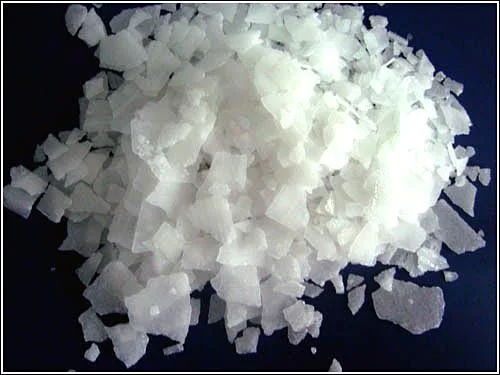
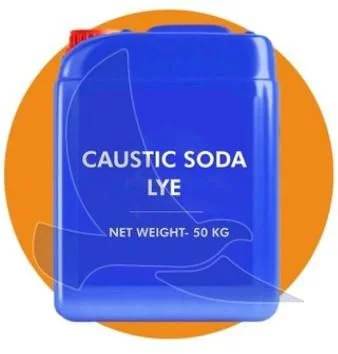
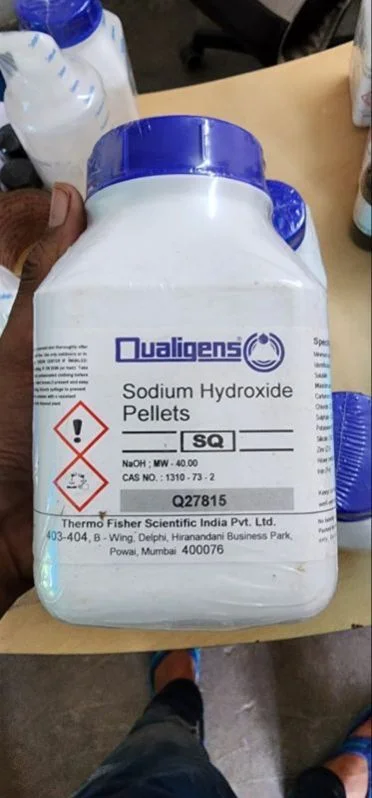
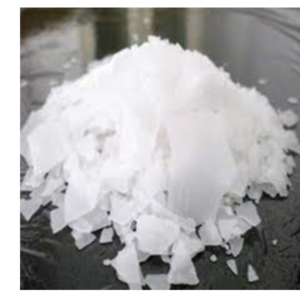
The listed caustic soda range consists of fused solid NaOH 99 % (HS 2815.11), caustic soda pearls (HS 2815.11) and a 50 % aqueous lye solution (HS 2815.12). Amine products comprise Diethanolamine (HS 2922.12, 99 % purity) and Triethanolamine 99 % (no HS code supplied). Additional catalogue entries are 1‑Hexene, Sodium Sulfite, White Light Oil, TDI Tar (HS 2929.10) and two intermediate lines for dyes and pigments. Each entry is identified by its chemical name and, where provided, the corresponding HS code and material description.
Product Range and Specialties of Super Company Dmcc
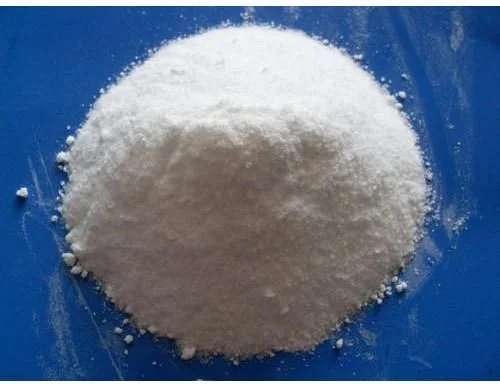
The caustic soda offerings fall under the standard industrial grade of 99 % purity for solid forms (HS 2815.11) and 50 % aqueous solution (HS 2815.12), both commonly supplied in 25 kg drums or bulk IBCs. Diethanolamine and Triethanolamine are typically sold at 99 % purity, meeting specifications for pH adjusters and emulsifiers in detergent and personal‑care formulations. 1‑Hexene is a C6 α‑olefin usually required with a minimum purity of 98 % and a boiling point of 61‑62 °C, used as a comonomer in polyethylene production. Sodium Sulfite is generally supplied as a white powder with 98‑99 % purity for water‑treatment and reducing‑agent applications. White Light Oil is a low‑viscosity mineral oil, often characterized by a viscosity of 10‑30 cSt at 40 °C and used in lubricant blends. TDI Tar, classified under HS 2929.10, is a polymeric toluene diisocyanate product employed in polyurethane manufacturing, where the isocyanate content is typically expressed as % NCO. Dye and pigment intermediates are organic compounds that serve as precursors in colour‑ant synthesis, usually requiring purity levels above 95 % and compliance with REACH or GHS labeling.
Trade and Export Information - Super Company Dmcc
The United Arab Emirates has developed a logistics hub for bulk chemicals, with Jebel Ali port handling the majority of containerised and bulk shipments. Exporters of caustic soda, amines and olefins from the UAE commonly ship to markets in the Middle East, South Asia, Europe and Africa, using standard Incoterms such as FOB Dubai or CIF ports of destination. HS chapter 28 (inorganic chemicals) and chapter 29 (organic chemicals) guide customs duties, and buyers typically request certificates of analysis, material safety data sheets (MSDS) and proof of REACH registration for EU imports. Packaging for solid caustic soda is usually 25 kg steel drums or 1 ton IBCs, while liquid chemicals like TDI Tar and White Light Oil are shipped in 20 ft or 40 ft containers with inner drums or in bulk tankers. Compliance with the Globally Harmonised System (GHS) for labeling and the International Maritime Dangerous Goods (IMDG) code is mandatory for hazardous classifications.
Sourcing from Super Company Dmcc - Buyer Guidance
When sourcing from Super Company Dmcc, buyers should request a current Certificate of Analysis for each product to verify purity, moisture and impurity limits. For caustic soda and aqueous lye, acceptable specifications include ≥ 99 % NaOH for solid forms and ≥ 50 % NaOH for solutions, with moisture content below 0.5 %. Amine products should be accompanied by a test report covering pH, water content and heavy‑metal limits, while 1‑Hexene shipments require a gas‑chromatography purity certificate and a flash‑point sheet. Buyers are advised to confirm the supplier’s MSDS, REACH compliance (for EU destinations) and any ISO 9001 quality‑management certification before contract finalisation. Typical minimum order quantities range from 1 ton for bulk chemicals to 500 kg for specialty intermediates, with lead times of 2‑4 weeks after receipt of a pro‑forma invoice.
Frequently Asked Questions About Super Company Dmcc
What chemical forms of caustic soda does Super Company Dmcc offer?
The supplier lists fused solid NaOH 99 % and caustic soda pearls, both classified under HS 2815.11, as well as a 50 % aqueous lye solution (HS 2815.12).
Which amine products are available and what are their typical purity levels?
Diethanolamine (HS 2922.12) and Triethanolamine 99 % are listed, each generally supplied at 99 % purity for industrial applications such as detergents and emulsifiers.
Does Super Company Dmcc provide documentation for hazardous chemicals like TDI Tar?
Buyers should request the material safety data sheet, a certificate of analysis showing NCO content, and any REACH or GHS compliance documents for TDI Tar (HS 2929.10).
What are the common packaging options for the listed products?
Solid caustic soda and amine powders are typically packed in 25 kg steel drums or 1 ton IBCs, while liquid products such as White Light Oil and TDI Tar are shipped in 20 ft or 40 ft containers with inner drums or bulk tanker loads.
Which HS codes are associated with the supplier’s product range?
The catalogue assigns HS 2815.11 to fused caustic soda and pearls, HS 2815.12 to 50 % caustic soda lye, HS 2922.12 to Diethanolamine, and HS 2929.10 to TDI Tar; other items are listed without a specific HS code in the source data.
What certifications should a buyer verify before purchasing?
Buyers should verify a current MSDS, a Certificate of Analysis, and, where applicable, REACH registration for EU shipments; the supplier’s own certifications are not listed in the provided data.
What are typical lead times and minimum order quantities for these chemicals?
Lead times are generally 2‑4 weeks after order confirmation, with minimum orders of about 1 ton for bulk chemicals and 500 kg for specialty intermediates.
Which regions are the primary import markets for chemicals from the United Arab Emirates?
UAE chemical exporters commonly serve the Middle East, South Asia, Europe and Africa, using ports such as Jebel Ali for containerised shipments.




 , United Arab Emirates