Agriculture›
 Apparel and fashion accessories›
 Construction & real estate›💡Electronic & Electrical›🍎Food & Beverages›🛋️Home furnishing & supplies›⚗️Industrial goods & chemical›🪨Minerals & metals›📦Miscellaneous›Agriculture›Apparel and fashion accessories›Construction & real estate›💡Electronic & Electrical›🍎Food & Beverages›🛋️Home furnishing & supplies›⚗️Industrial goods & chemical›🪨Minerals & metals›📦Miscellaneous›
Sunny Fund Wood Co., Ltd. Product Catalog
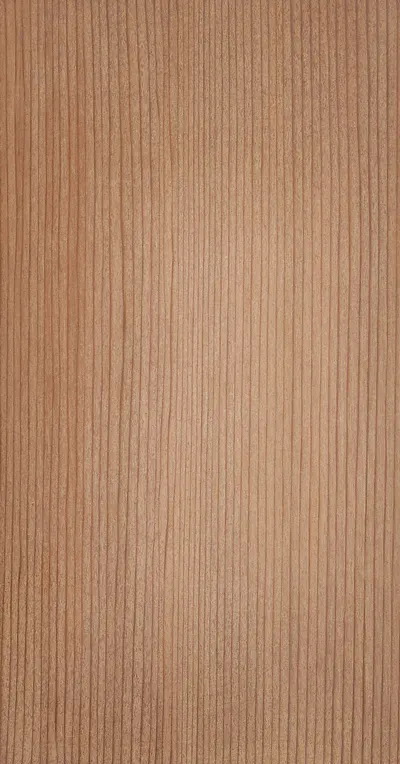
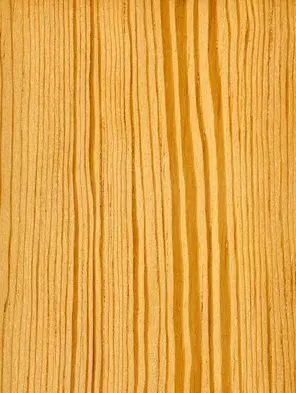
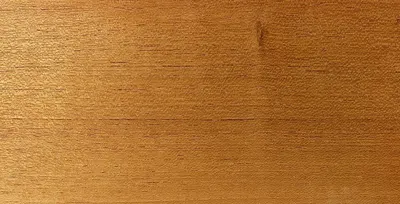
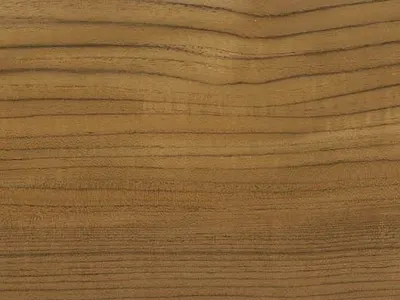
About Sunny Fund Wood Co., Ltd. - Veneer Supplier in China
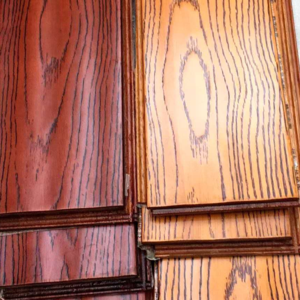
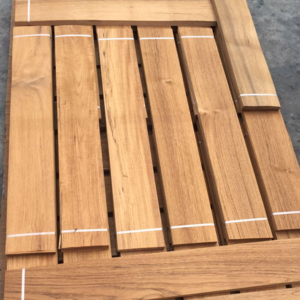
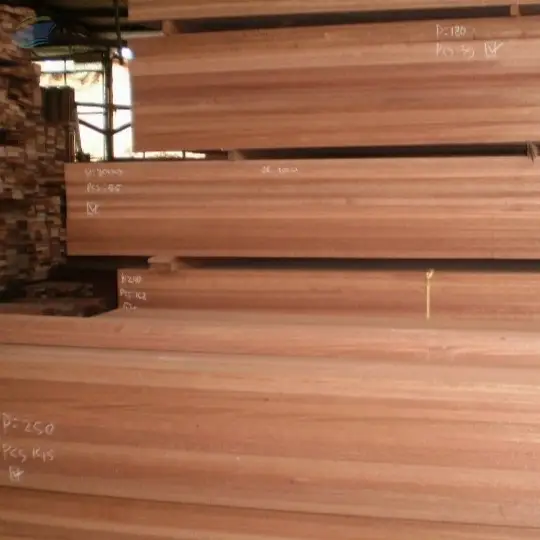
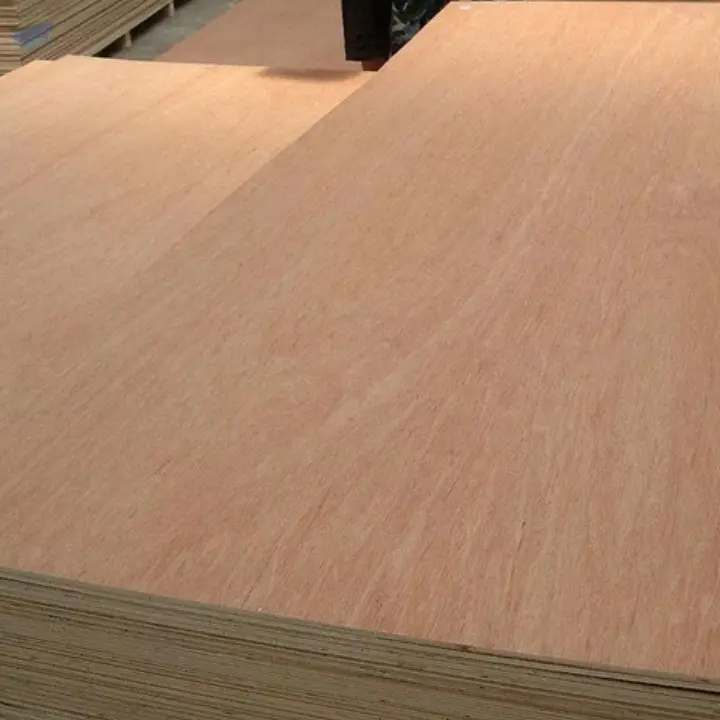
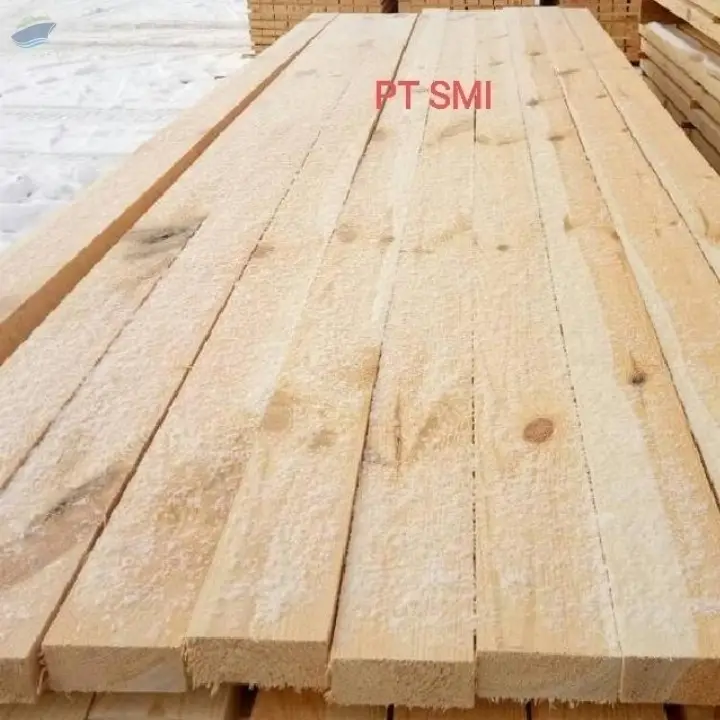
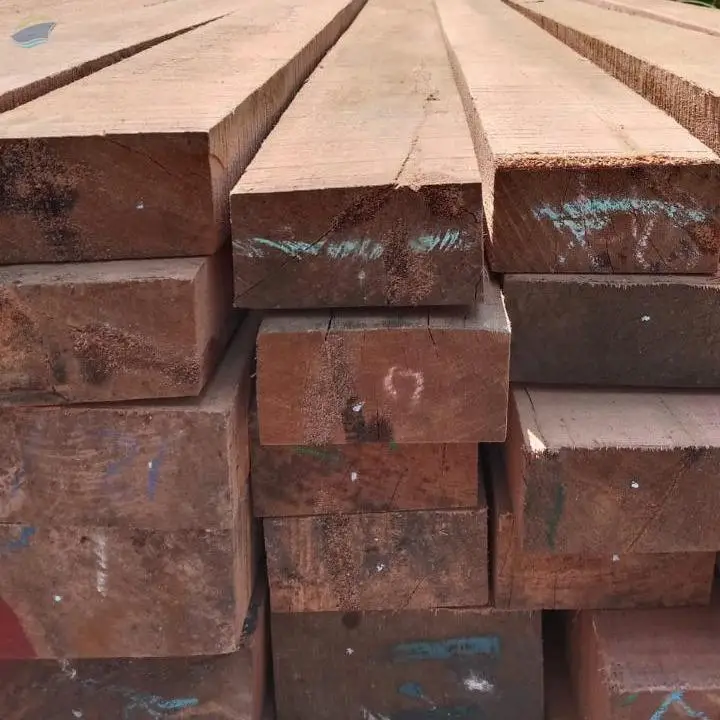
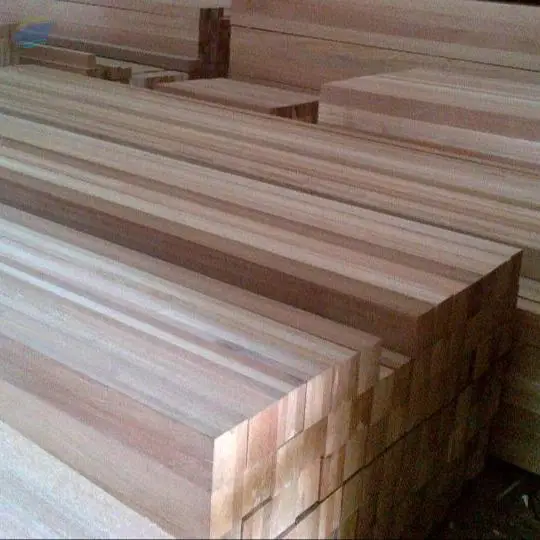
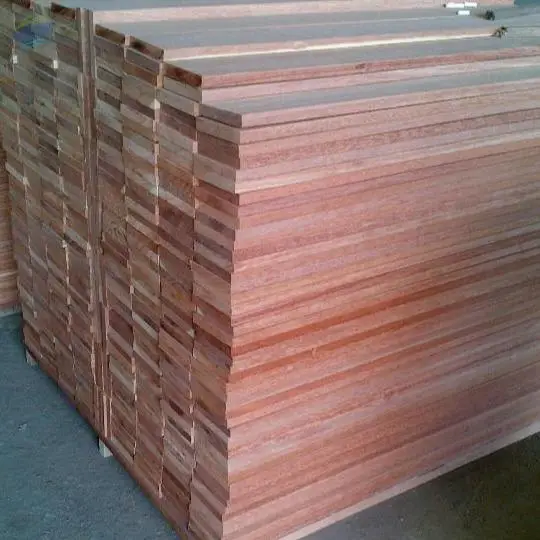
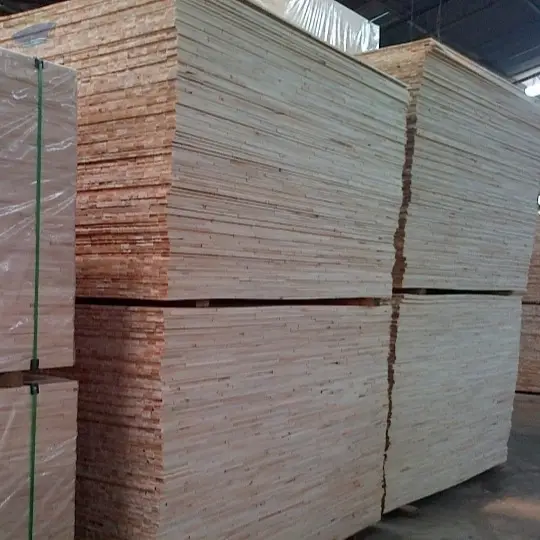
Sunny Fund Wood Co., Ltd. is based in China and currently lists five active veneer products. The catalogue includes generic veneer and four species‑specific veneers: figured sapele, mahogany, anegre, and zebrawood. Each entry is recorded under the single top category “Veneer,” reflecting the supplier’s focus on thin wood sheets for decorative and structural applications. No additional product families or material types are listed beyond these five items.
The supplier’s catalogue groups the veneers by wood species, which is a common practice for buyers evaluating aesthetic grain patterns and mechanical properties. All five entries fall within the broader wood veneer market, where buyers typically assess thickness, moisture content, and veneer grade before placement in furniture, cabinetry, or interior paneling projects.
Product Range and Specialties of Sunny Fund Wood Co., Ltd.
Sunny Fund Wood Co., Ltd.’s product list comprises a standard veneer and four species‑specific veneers: figured sapele, mahogany, anegre, and zebrawood. In the veneer industry, thickness usually ranges from 0.5 mm to 3 mm, with moisture content controlled between 6 % and 8 % to ensure dimensional stability. Grades such as A‑grade (free of knots and blemishes) and B‑grade (allowing minor natural imperfections) are typical specifications that buyers request for high‑visibility applications. Species like sapele and mahogany are valued for their uniform grain and resistance to warping, while zebrawood and anegre are often selected for distinctive figure patterns in high‑end interiors.
Frequently Asked Questions About Sunny Fund Wood Co., Ltd.
What veneer species does Sunny Fund Wood Co., Ltd. offer?
The catalogue lists five veneer items: a generic veneer and species‑specific veneers of figured sapele, mahogany, anegre, and zebrawood.
What are typical thickness and moisture specifications for these veneers?
Industry practice for decorative veneers is a thickness of 0.5 mm to 3 mm and a moisture content of 6 % - 8 % to ensure stability in interior applications.
Which certifications should I ask for when importing these veneers?
Buyers usually request FSC or PEFC sustainability certificates, a phytosanitary certificate, and any applicable EU Timber Regulation or US Lacey Act documentation.
What HS code is generally used for wood veneer exports from China?
Wood veneers are commonly classified under HS Chapter 44, sub‑heading 4407.20 for peeled veneer, though the exact code depends on the specific product description.
What are the typical packaging and shipping methods?
Veneers are typically wrapped in moisture‑controlled film, stacked on pallets, and shipped in 20 ft or 40 ft containers under FOB or CIF terms.
 China
Related Suppliers & Products
Explore similar suppliers, related products and trending categories