Strong First — Supplier

About Strong First - Scientific Instruments and Electronic Antenna Supplier in China

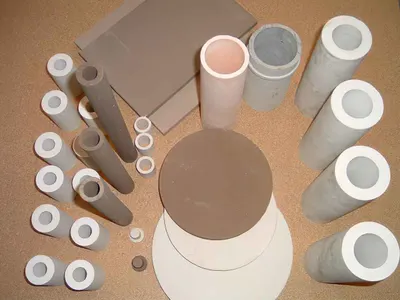
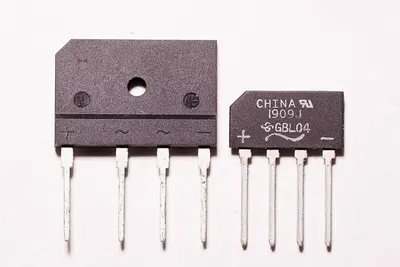
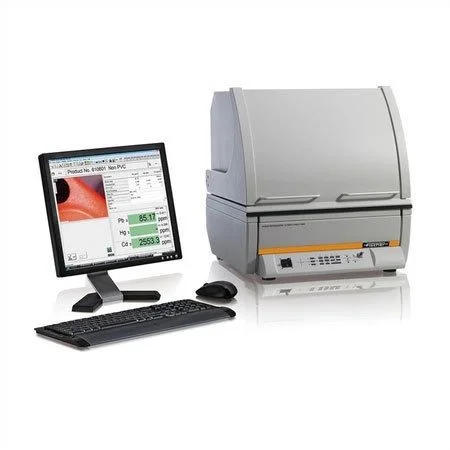
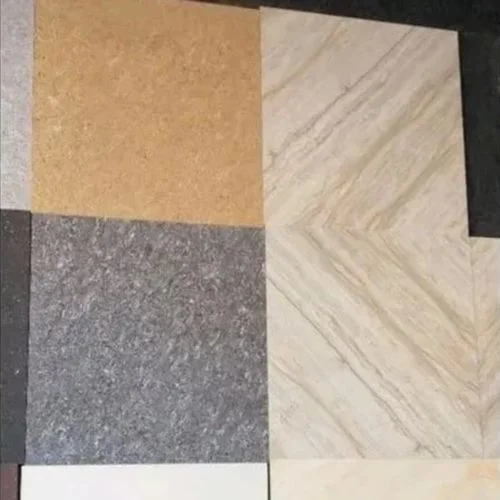
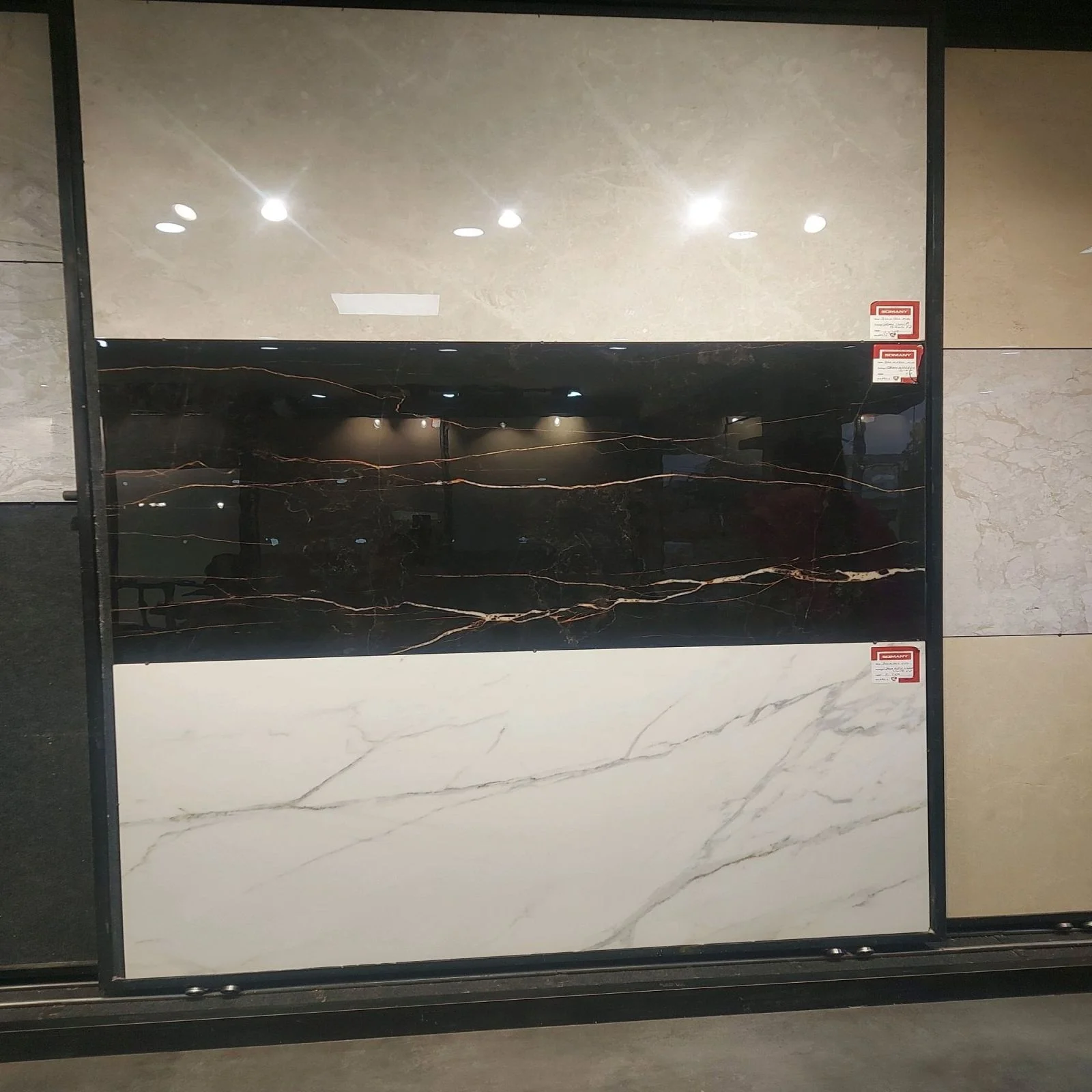
Strong First is a China-based exporter listing 9 active products on its catalogue, spread across five categories: Scientific Instruments, Electronic Antenna, Industrial Filters, Ceramic Filters, and Ceramic Tiles. The supplier's antenna and RF component line sits within HS chapter 8529 (parts for transmission, reception, radar and remote control apparatus) and HS subheading 8517.61 (base stations and other apparatus for the transmission or reception of voice, images or other data, including base station antennas), reflecting a focus on RF and wireless infrastructure hardware. Catalogue items such as Monopole Antenna, Active Antenna, Dielectric Filter, Ceramic Filter, Crystal Oscillator, Crystal Unit S1612 SMD Type Crystal, Crystal Filter, Dielectric Resonator and Ceramic Resonator indicate a product mix oriented toward RF front-end components, frequency control devices and filtering elements used in telecom and electronic systems.

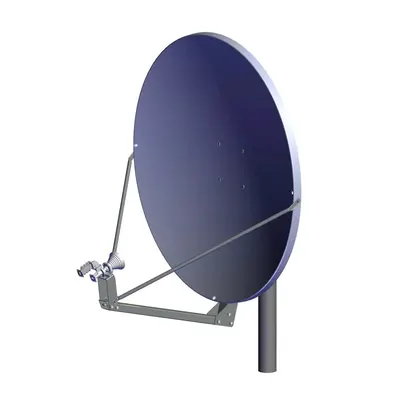
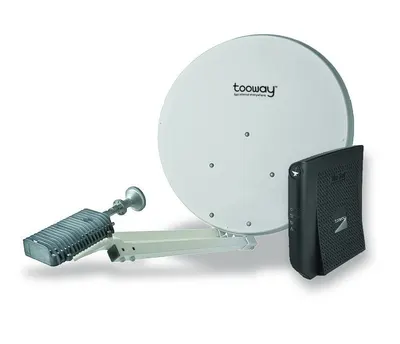
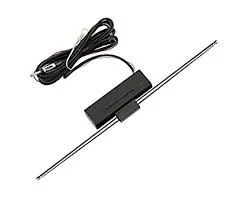
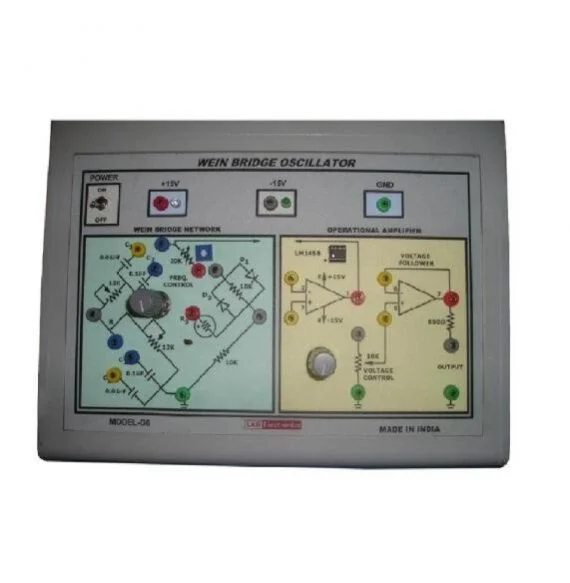
The listed materials and constructions confirm a hardware-level, component-grade offering rather than finished consumer electronics. The Monopole Antenna is built from Aluminum Alloy 6063 with a Galvanized Steel substructure, a pairing commonly specified for outdoor mast and rooftop installations where corrosion resistance and tensile strength matter. The Active Antenna combines an ABS housing, an aluminum reflector, an FR4 printed circuit board and brass RF connectors, an assembly consistent with integrated base-station or customer-premises antenna modules. The remaining catalogue items (dielectric and ceramic filters, crystal and ceramic resonators, and SMD crystal units) are passive RF components typically used in transmitter chains, base-station filters, and oscillator circuits across the 300 MHz to 6 GHz bands.

Product Range and Specialties of Strong First

Strong First's catalogue is concentrated in RF and microwave components, with two explicit antennas and seven frequency-control or filtering devices. The Monopole Antenna (HS 8529.10) and Active Antenna (HS 8517.61) cover the antenna side, while Dielectric Filter, Ceramic Filter, Crystal Filter, Crystal Oscillator, Crystal Unit S1612 SMD Type Crystal, Ceramic Resonator and Dielectric Resonator make up the filter and resonator side. Dielectric resonators are typically barium-zirconium-titanate or similar high-permittivity ceramics operating in the 1 GHz to 40 GHz range, and ceramic filters of this class are commonly graded by insertion loss (often 1 to 3 dB), bandwidth (1 to 5 percent of center frequency), Q factor (several thousand at microwave frequencies) and temperature stability (a few ppm per degree C).

Crystal oscillators and SMD crystal units are graded by nominal frequency (commonly 1 MHz to 200 MHz for fundamental mode units like the S1612, a 1.6 mm x 1.2 mm package), frequency tolerance (typically ±10 ppm to ±50 ppm at 25 °C), frequency stability over temperature (often ±10 ppm to ±30 ppm across -40 °C to +85 °C), and equivalent series resistance. Active antennas in this category typically specify gain in dBi (commonly 8 to 18 dBi for sector or panel types), VSWR (target below 1.5 across the operating band), polarization (vertical, horizontal or ±45° dual), and an N-type or 4.3-10 RF connector interface. Buyers sourcing similar components should expect to see RoHS and REACH compliance documentation and, for telecom deployments, IEC or ETSI conformity statements.

Trade and Export Information - Strong First

Chinese exporters of RF components, antennas, crystal units and ceramic filters typically serve telecom equipment manufacturers, base-station OEMs, industrial wireless system integrators, and the aftermarket for two-way radio, GPS, IoT and Wi-Fi infrastructure. Mainland China is a leading origin for SMD crystal units and dielectric resonators, with the Pearl River Delta and Yangtze River Delta clusters supplying both domestic and overseas assembly lines. Target markets for these goods commonly include Southeast Asia, the Middle East, Africa, Eastern Europe, and Latin America, where telecom rollouts and industrial wireless projects drive steady demand for monopole antennas, active antennas and the supporting filter and oscillator components. Where Strong First's facts do not specify destination markets, these remain the typical buyer regions for this category from China.

The HS code families involved are 8517 (telephone sets, smartphones and other apparatus for the transmission or reception of voice, images or other data, including cellular base stations and antennas) and 8529 (parts suitable for use solely or principally with the transmission and reception apparatus of headings 8525 to 8528). Goods in these chapters are commonly subject to type approval or conformity assessment in the destination market, for example FCC Part 15 and Part 22/24/27 in the United States, CE marking under the Radio Equipment Directive (2014/53/EU) in the European Union, and Anatel homologation in Brazil. Industrial filter and ceramic tile lines, where present, fall under HS 8421 (filtering or purifying machinery) and HS 6907 (unglazed ceramic flags and paving, hearth and wall tiles). Standard export packaging for these components is anti-static trays inside inner cartons, then export-grade corrugated outer cartons on pallets, with desiccant for ceramic items. Shipping is normally by sea in 20 ft or 40 ft containers for bulk orders and by air courier for samples and small-quantity RF components.

Sourcing from Strong First - Buyer Guidance

Buyers evaluating Strong First should request the data sheet for each specific part number, including the operating frequency range, gain in dBi for antennas, insertion loss and bandwidth for filters, and frequency tolerance plus temperature stability for crystals and resonators. Confirm the raw material callouts: Aluminum Alloy 6063 for antenna tubing, FR4 substrate for active antenna PCBs, and the specific dielectric ceramic composition (often Ba(Zn1/3Ta2/3)O3 or similar) for resonators. Ask for lot-traceable test reports covering VSWR, return loss, Q factor and aging rate, and request a pre-shipment sample lot for independent verification before issuing a volume purchase order. Where the catalogue entry does not state a certification, treat RoHS, REACH, and where applicable FCC/CE/ETSI conformity as items to confirm in writing rather than assumed.

Given the harbor trust tier, prudent buyers should ask for business registration documents, a recent factory or trading-company audit report, and references from at least two existing overseas customers in similar RF or telecom applications. Clarify MOQ per part number (crystal units and ceramic filters are often quoted in reel or tray multiples of 1,000 to 5,000 pieces, while antennas may carry higher unit MOQs), standard lead time after PO and deposit, and the Incoterms offered (EXW, FOB Shenzhen or Ningbo, CIF or DAP are typical for this category from China). Confirm packaging specifications (anti-static handling, reel orientation, carton and pallet dimensions, 20 ft or 40 ft container load quantities) and request photographs of finished goods prior to container loading. Independent pre-shipment inspection by a third-party agency such as SGS, Bureau Veritas or TUV is advisable for first orders.

Frequently Asked Questions About Strong First

What product categories does Strong First supply?

Strong First lists 9 active products across Scientific Instruments, Electronic Antenna, Industrial Filters, Ceramic Filters and Ceramic Tiles, with a clear focus on RF components such as monopole and active antennas, dielectric and ceramic filters, crystal oscillators and SMD crystal units, and dielectric resonators.

Which HS codes apply to Strong First's antenna products?

The Monopole Antenna is classified under HS 8529.10 (parts for transmission, reception, radar and remote control apparatus), and the Active Antenna is classified under HS 8517.61 (base stations and other apparatus for transmission or reception of voice, images or other data, including base-station antennas).

What materials are used in Strong First's antennas?

The Monopole Antenna uses Aluminum Alloy 6063 with a Galvanized Steel substructure, while the Active Antenna combines an ABS housing, an aluminum reflector, an FR4 printed circuit board and brass RF connectors.

Which certifications should I request from Strong First?

Buyers of RF components from China typically request RoHS and REACH compliance, plus conformity to destination-market radio regulations such as FCC Part 15 in the United States, CE under the Radio Equipment Directive 2014/53/EU in the EU, or Anatel in Brazil. Any specific certification should be confirmed in writing against the part number ordered.

What quality parameters matter for the filters and resonators in Strong First's catalogue?

For dielectric and ceramic filters, key parameters are center frequency, bandwidth (typically 1 to 5 percent of center frequency), insertion loss (often 1 to 3 dB) and Q factor. For crystal units such as the S1612 SMD type, confirm nominal frequency, frequency tolerance (commonly ±10 to ±50 ppm at 25 °C) and temperature stability across -40 °C to +85 °C.

What is the typical MOQ and lead time for these RF components?

SMD crystal units and ceramic filters are usually quoted in reel or tray multiples of 1,000 to 5,000 pieces, while antennas often carry higher per-unit MOQs. Lead times for standard catalogue items from Chinese suppliers typically run 2 to 6 weeks after order confirmation and deposit, with samples often shipped by air courier within 5 to 10 working days.

How are Strong First's products packaged for export?

RF components such as crystal units and ceramic filters are typically packed in anti-static reels or trays inside inner cartons, then in export-grade corrugated outer cartons on pallets with desiccant for ceramic items. Antennas are usually individually wrapped with foam protection and crated or palletized for 20 ft or 40 ft container shipment.

Which documents should I request before placing an order with Strong First?

Request a proforma invoice with Incoterms (EXW, FOB, CIF or DAP are typical), the data sheet for each part number, RoHS and REACH declarations, a sample test report covering VSWR, insertion loss or frequency tolerance as relevant, and a pre-shipment inspection arrangement with an agency such as SGS, Bureau Veritas or TUV for first orders.


Featured Products from this Supplier

Other Suppliers in Primary Category

Top Trusted Suppliers

Related Products

Trending in Parent Category

More Suppliers in Category

Related Products

Other Suppliers

EximNext
7.1K+ live requirements
Register Free🎁 Reach global buyers
Post Requirement
🌍 Trusted by 225K+ businesses in 200+ countries|
7.1K+ active requirements right now
✉️ [email protected]
|
Sell on EximNextPost Requirement
EximNext
AgricultureApparelConstructionElectronicFoodHomeIndustrialMineralsMiscellaneous
🔥 Deals|✨ AI Match|🏭 Suppliers|📋 Buy Leads|💰 Trade Finance
7.1K+ live RFQs·194.8K+ suppliers
🎁 Reach global buyers →
EximNext
EximNext
Register Free
🎁 Reach global buyers
Sign In
📋Post Requirement💬Get Quotes✨AI Match📋RFQ Marketplace
All Categories
Services & Tools
🏭Supplier Directory🔥Today's Deals💰Trade Finance
Sell on EximNext →
AboutContactBlogHelp
Industrial & Minerals  ·  China
9
products listed

Strong First

⚓ Harbor
Country flag , ChinaNew supplier / no reviews yet
🛡️
54/100
Trust Score

Strong First Product Catalog

Showing 9 of 9 products
View all products →
Crystal Unit S1612l Smd Type Crystal
⚓ Harbor
Crystal Unit S1612l Smd Type Crystal
Contact
MOQ: 1 Unit
Crystal Filter
⚓ Harbor
Crystal Filter
Contact
MOQ: 1 Unit
Dielectric Resonator
⚓ Harbor
Dielectric Resonator
Contact
MOQ: 1 Unit
Ceramic Resonator
⚓ Harbor
Ceramic Resonator
Contact
MOQ: 1 Unit
Ceramic Filter
⚓ Harbor
Ceramic Filter
Contact
MOQ: 1 Unit
Active Antenna
⚓ Harbor
Active Antenna
Contact
MOQ: 1 Unit
Crystal Oscillator
⚓ Harbor
Crystal Oscillator
Contact
MOQ: 1 Unit
Dielectric Filter
⚓ Harbor
Dielectric Filter
Contact
MOQ: 1 Unit
Monopole Antenna
⚓ Harbor
Monopole Antenna
Contact
MOQ: 1 Unit

About Strong First - Scientific Instruments and Electronic Antenna Supplier in China

Strong First is a China-based exporter listing 9 active products on its catalogue, spread across five categories: Scientific Instruments, Electronic Antenna, Industrial Filters, Ceramic Filters, and Ceramic Tiles. The supplier's antenna and RF component line sits within HS chapter 8529 (parts for transmission, reception, radar and remote control apparatus) and HS subheading 8517.61 (base stations and other apparatus for the transmission or reception of voice, images or other data, including base station antennas), reflecting a focus on RF and wireless infrastructure hardware. Catalogue items such as Monopole Antenna, Active Antenna, Dielectric Filter, Ceramic Filter, Crystal Oscillator, Crystal Unit S1612 SMD Type Crystal, Crystal Filter, Dielectric Resonator and Ceramic Resonator indicate a product mix oriented toward RF front-end components, frequency control devices and filtering elements used in telecom and electronic systems.

The listed materials and constructions confirm a hardware-level, component-grade offering rather than finished consumer electronics. The Monopole Antenna is built from Aluminum Alloy 6063 with a Galvanized Steel substructure, a pairing commonly specified for outdoor mast and rooftop installations where corrosion resistance and tensile strength matter. The Active Antenna combines an ABS housing, an aluminum reflector, an FR4 printed circuit board and brass RF connectors, an assembly consistent with integrated base-station or customer-premises antenna modules. The remaining catalogue items (dielectric and ceramic filters, crystal and ceramic resonators, and SMD crystal units) are passive RF components typically used in transmitter chains, base-station filters, and oscillator circuits across the 300 MHz to 6 GHz bands.

Product Range and Specialties of Strong First

Strong First's catalogue is concentrated in RF and microwave components, with two explicit antennas and seven frequency-control or filtering devices. The Monopole Antenna (HS 8529.10) and Active Antenna (HS 8517.61) cover the antenna side, while Dielectric Filter, Ceramic Filter, Crystal Filter, Crystal Oscillator, Crystal Unit S1612 SMD Type Crystal, Ceramic Resonator and Dielectric Resonator make up the filter and resonator side. Dielectric resonators are typically barium-zirconium-titanate or similar high-permittivity ceramics operating in the 1 GHz to 40 GHz range, and ceramic filters of this class are commonly graded by insertion loss (often 1 to 3 dB), bandwidth (1 to 5 percent of center frequency), Q factor (several thousand at microwave frequencies) and temperature stability (a few ppm per degree C).

Crystal oscillators and SMD crystal units are graded by nominal frequency (commonly 1 MHz to 200 MHz for fundamental mode units like the S1612, a 1.6 mm x 1.2 mm package), frequency tolerance (typically ±10 ppm to ±50 ppm at 25 °C), frequency stability over temperature (often ±10 ppm to ±30 ppm across -40 °C to +85 °C), and equivalent series resistance. Active antennas in this category typically specify gain in dBi (commonly 8 to 18 dBi for sector or panel types), VSWR (target below 1.5 across the operating band), polarization (vertical, horizontal or ±45° dual), and an N-type or 4.3-10 RF connector interface. Buyers sourcing similar components should expect to see RoHS and REACH compliance documentation and, for telecom deployments, IEC or ETSI conformity statements.

Trade and Export Information - Strong First

Chinese exporters of RF components, antennas, crystal units and ceramic filters typically serve telecom equipment manufacturers, base-station OEMs, industrial wireless system integrators, and the aftermarket for two-way radio, GPS, IoT and Wi-Fi infrastructure. Mainland China is a leading origin for SMD crystal units and dielectric resonators, with the Pearl River Delta and Yangtze River Delta clusters supplying both domestic and overseas assembly lines. Target markets for these goods commonly include Southeast Asia, the Middle East, Africa, Eastern Europe, and Latin America, where telecom rollouts and industrial wireless projects drive steady demand for monopole antennas, active antennas and the supporting filter and oscillator components. Where Strong First's facts do not specify destination markets, these remain the typical buyer regions for this category from China.

The HS code families involved are 8517 (telephone sets, smartphones and other apparatus for the transmission or reception of voice, images or other data, including cellular base stations and antennas) and 8529 (parts suitable for use solely or principally with the transmission and reception apparatus of headings 8525 to 8528). Goods in these chapters are commonly subject to type approval or conformity assessment in the destination market, for example FCC Part 15 and Part 22/24/27 in the United States, CE marking under the Radio Equipment Directive (2014/53/EU) in the European Union, and Anatel homologation in Brazil. Industrial filter and ceramic tile lines, where present, fall under HS 8421 (filtering or purifying machinery) and HS 6907 (unglazed ceramic flags and paving, hearth and wall tiles). Standard export packaging for these components is anti-static trays inside inner cartons, then export-grade corrugated outer cartons on pallets, with desiccant for ceramic items. Shipping is normally by sea in 20 ft or 40 ft containers for bulk orders and by air courier for samples and small-quantity RF components.

Sourcing from Strong First - Buyer Guidance

Buyers evaluating Strong First should request the data sheet for each specific part number, including the operating frequency range, gain in dBi for antennas, insertion loss and bandwidth for filters, and frequency tolerance plus temperature stability for crystals and resonators. Confirm the raw material callouts: Aluminum Alloy 6063 for antenna tubing, FR4 substrate for active antenna PCBs, and the specific dielectric ceramic composition (often Ba(Zn1/3Ta2/3)O3 or similar) for resonators. Ask for lot-traceable test reports covering VSWR, return loss, Q factor and aging rate, and request a pre-shipment sample lot for independent verification before issuing a volume purchase order. Where the catalogue entry does not state a certification, treat RoHS, REACH, and where applicable FCC/CE/ETSI conformity as items to confirm in writing rather than assumed.

Given the harbor trust tier, prudent buyers should ask for business registration documents, a recent factory or trading-company audit report, and references from at least two existing overseas customers in similar RF or telecom applications. Clarify MOQ per part number (crystal units and ceramic filters are often quoted in reel or tray multiples of 1,000 to 5,000 pieces, while antennas may carry higher unit MOQs), standard lead time after PO and deposit, and the Incoterms offered (EXW, FOB Shenzhen or Ningbo, CIF or DAP are typical for this category from China). Confirm packaging specifications (anti-static handling, reel orientation, carton and pallet dimensions, 20 ft or 40 ft container load quantities) and request photographs of finished goods prior to container loading. Independent pre-shipment inspection by a third-party agency such as SGS, Bureau Veritas or TUV is advisable for first orders.

Frequently Asked Questions About Strong First

What product categories does Strong First supply?

Strong First lists 9 active products across Scientific Instruments, Electronic Antenna, Industrial Filters, Ceramic Filters and Ceramic Tiles, with a clear focus on RF components such as monopole and active antennas, dielectric and ceramic filters, crystal oscillators and SMD crystal units, and dielectric resonators.

Which HS codes apply to Strong First's antenna products?

The Monopole Antenna is classified under HS 8529.10 (parts for transmission, reception, radar and remote control apparatus), and the Active Antenna is classified under HS 8517.61 (base stations and other apparatus for transmission or reception of voice, images or other data, including base-station antennas).

What materials are used in Strong First's antennas?

The Monopole Antenna uses Aluminum Alloy 6063 with a Galvanized Steel substructure, while the Active Antenna combines an ABS housing, an aluminum reflector, an FR4 printed circuit board and brass RF connectors.

Which certifications should I request from Strong First?

Buyers of RF components from China typically request RoHS and REACH compliance, plus conformity to destination-market radio regulations such as FCC Part 15 in the United States, CE under the Radio Equipment Directive 2014/53/EU in the EU, or Anatel in Brazil. Any specific certification should be confirmed in writing against the part number ordered.

What quality parameters matter for the filters and resonators in Strong First's catalogue?

For dielectric and ceramic filters, key parameters are center frequency, bandwidth (typically 1 to 5 percent of center frequency), insertion loss (often 1 to 3 dB) and Q factor. For crystal units such as the S1612 SMD type, confirm nominal frequency, frequency tolerance (commonly ±10 to ±50 ppm at 25 °C) and temperature stability across -40 °C to +85 °C.

What is the typical MOQ and lead time for these RF components?

SMD crystal units and ceramic filters are usually quoted in reel or tray multiples of 1,000 to 5,000 pieces, while antennas often carry higher per-unit MOQs. Lead times for standard catalogue items from Chinese suppliers typically run 2 to 6 weeks after order confirmation and deposit, with samples often shipped by air courier within 5 to 10 working days.

How are Strong First's products packaged for export?

RF components such as crystal units and ceramic filters are typically packed in anti-static reels or trays inside inner cartons, then in export-grade corrugated outer cartons on pallets with desiccant for ceramic items. Antennas are usually individually wrapped with foam protection and crated or palletized for 20 ft or 40 ft container shipment.

Which documents should I request before placing an order with Strong First?

Request a proforma invoice with Incoterms (EXW, FOB, CIF or DAP are typical), the data sheet for each part number, RoHS and REACH declarations, a sample test report covering VSWR, insertion loss or frequency tolerance as relevant, and a pre-shipment inspection arrangement with an agency such as SGS, Bureau Veritas or TUV for first orders.

About Strong First - Scientific Instruments and Electronic Antenna Supplier in China

Strong First is a China-based exporter listing 9 active products on its catalogue, spread across five categories: Scientific Instruments, Electronic Antenna, Industrial Filters, Ceramic Filters, and Ceramic Tiles. The supplier's antenna and RF component line sits within HS chapter 8529 (parts for transmission, reception, radar and remote control apparatus) and HS subheading 8517.61 (base stations and other apparatus for the transmission or reception of voice, images or other data, including base station antennas), reflecting a focus on RF and wireless infrastructure hardware. Catalogue items such as Monopole Antenna, Active Antenna, Dielectric Filter, Ceramic Filter, Crystal Oscillator, Crystal Unit S1612 SMD Type Crystal, Crystal Filter, Dielectric Resonator and Ceramic Resonator indicate a product mix oriented toward RF front-end components, frequency control devices and filtering elements used in telecom and electronic systems.

The listed materials and constructions confirm a hardware-level, component-grade offering rather than finished consumer electronics. The Monopole Antenna is built from Aluminum Alloy 6063 with a Galvanized Steel substructure, a pairing commonly specified for outdoor mast and rooftop installations where corrosion resistance and tensile strength matter. The Active Antenna combines an ABS housing, an aluminum reflector, an FR4 printed circuit board and brass RF connectors, an assembly consistent with integrated base-station or customer-premises antenna modules. The remaining catalogue items (dielectric and ceramic filters, crystal and ceramic resonators, and SMD crystal units) are passive RF components typically used in transmitter chains, base-station filters, and oscillator circuits across the 300 MHz to 6 GHz bands.

Product Range and Specialties of Strong First

Strong First's catalogue is concentrated in RF and microwave components, with two explicit antennas and seven frequency-control or filtering devices. The Monopole Antenna (HS 8529.10) and Active Antenna (HS 8517.61) cover the antenna side, while Dielectric Filter, Ceramic Filter, Crystal Filter, Crystal Oscillator, Crystal Unit S1612 SMD Type Crystal, Ceramic Resonator and Dielectric Resonator make up the filter and resonator side. Dielectric resonators are typically barium-zirconium-titanate or similar high-permittivity ceramics operating in the 1 GHz to 40 GHz range, and ceramic filters of this class are commonly graded by insertion loss (often 1 to 3 dB), bandwidth (1 to 5 percent of center frequency), Q factor (several thousand at microwave frequencies) and temperature stability (a few ppm per degree C).

Crystal oscillators and SMD crystal units are graded by nominal frequency (commonly 1 MHz to 200 MHz for fundamental mode units like the S1612, a 1.6 mm x 1.2 mm package), frequency tolerance (typically ±10 ppm to ±50 ppm at 25 °C), frequency stability over temperature (often ±10 ppm to ±30 ppm across -40 °C to +85 °C), and equivalent series resistance. Active antennas in this category typically specify gain in dBi (commonly 8 to 18 dBi for sector or panel types), VSWR (target below 1.5 across the operating band), polarization (vertical, horizontal or ±45° dual), and an N-type or 4.3-10 RF connector interface. Buyers sourcing similar components should expect to see RoHS and REACH compliance documentation and, for telecom deployments, IEC or ETSI conformity statements.

Trade and Export Information - Strong First

Chinese exporters of RF components, antennas, crystal units and ceramic filters typically serve telecom equipment manufacturers, base-station OEMs, industrial wireless system integrators, and the aftermarket for two-way radio, GPS, IoT and Wi-Fi infrastructure. Mainland China is a leading origin for SMD crystal units and dielectric resonators, with the Pearl River Delta and Yangtze River Delta clusters supplying both domestic and overseas assembly lines. Target markets for these goods commonly include Southeast Asia, the Middle East, Africa, Eastern Europe, and Latin America, where telecom rollouts and industrial wireless projects drive steady demand for monopole antennas, active antennas and the supporting filter and oscillator components. Where Strong First's facts do not specify destination markets, these remain the typical buyer regions for this category from China.

The HS code families involved are 8517 (telephone sets, smartphones and other apparatus for the transmission or reception of voice, images or other data, including cellular base stations and antennas) and 8529 (parts suitable for use solely or principally with the transmission and reception apparatus of headings 8525 to 8528). Goods in these chapters are commonly subject to type approval or conformity assessment in the destination market, for example FCC Part 15 and Part 22/24/27 in the United States, CE marking under the Radio Equipment Directive (2014/53/EU) in the European Union, and Anatel homologation in Brazil. Industrial filter and ceramic tile lines, where present, fall under HS 8421 (filtering or purifying machinery) and HS 6907 (unglazed ceramic flags and paving, hearth and wall tiles). Standard export packaging for these components is anti-static trays inside inner cartons, then export-grade corrugated outer cartons on pallets, with desiccant for ceramic items. Shipping is normally by sea in 20 ft or 40 ft containers for bulk orders and by air courier for samples and small-quantity RF components.

Sourcing from Strong First - Buyer Guidance

Buyers evaluating Strong First should request the data sheet for each specific part number, including the operating frequency range, gain in dBi for antennas, insertion loss and bandwidth for filters, and frequency tolerance plus temperature stability for crystals and resonators. Confirm the raw material callouts: Aluminum Alloy 6063 for antenna tubing, FR4 substrate for active antenna PCBs, and the specific dielectric ceramic composition (often Ba(Zn1/3Ta2/3)O3 or similar) for resonators. Ask for lot-traceable test reports covering VSWR, return loss, Q factor and aging rate, and request a pre-shipment sample lot for independent verification before issuing a volume purchase order. Where the catalogue entry does not state a certification, treat RoHS, REACH, and where applicable FCC/CE/ETSI conformity as items to confirm in writing rather than assumed.

Given the harbor trust tier, prudent buyers should ask for business registration documents, a recent factory or trading-company audit report, and references from at least two existing overseas customers in similar RF or telecom applications. Clarify MOQ per part number (crystal units and ceramic filters are often quoted in reel or tray multiples of 1,000 to 5,000 pieces, while antennas may carry higher unit MOQs), standard lead time after PO and deposit, and the Incoterms offered (EXW, FOB Shenzhen or Ningbo, CIF or DAP are typical for this category from China). Confirm packaging specifications (anti-static handling, reel orientation, carton and pallet dimensions, 20 ft or 40 ft container load quantities) and request photographs of finished goods prior to container loading. Independent pre-shipment inspection by a third-party agency such as SGS, Bureau Veritas or TUV is advisable for first orders.

Frequently Asked Questions About Strong First
What product categories does Strong First supply?
Strong First lists 9 active products across Scientific Instruments, Electronic Antenna, Industrial Filters, Ceramic Filters and Ceramic Tiles, with a clear focus on RF components such as monopole and active antennas, dielectric and ceramic filters, crystal oscillators and SMD crystal units, and dielectric resonators.
Which HS codes apply to Strong First's antenna products?
The Monopole Antenna is classified under HS 8529.10 (parts for transmission, reception, radar and remote control apparatus), and the Active Antenna is classified under HS 8517.61 (base stations and other apparatus for transmission or reception of voice, images or other data, including base-station antennas).
What materials are used in Strong First's antennas?
The Monopole Antenna uses Aluminum Alloy 6063 with a Galvanized Steel substructure, while the Active Antenna combines an ABS housing, an aluminum reflector, an FR4 printed circuit board and brass RF connectors.
Which certifications should I request from Strong First?
Buyers of RF components from China typically request RoHS and REACH compliance, plus conformity to destination-market radio regulations such as FCC Part 15 in the United States, CE under the Radio Equipment Directive 2014/53/EU in the EU, or Anatel in Brazil. Any specific certification should be confirmed in writing against the part number ordered.
What quality parameters matter for the filters and resonators in Strong First's catalogue?
For dielectric and ceramic filters, key parameters are center frequency, bandwidth (typically 1 to 5 percent of center frequency), insertion loss (often 1 to 3 dB) and Q factor. For crystal units such as the S1612 SMD type, confirm nominal frequency, frequency tolerance (commonly ±10 to ±50 ppm at 25 °C) and temperature stability across -40 °C to +85 °C.
What is the typical MOQ and lead time for these RF components?
SMD crystal units and ceramic filters are usually quoted in reel or tray multiples of 1,000 to 5,000 pieces, while antennas often carry higher per-unit MOQs. Lead times for standard catalogue items from Chinese suppliers typically run 2 to 6 weeks after order confirmation and deposit, with samples often shipped by air courier within 5 to 10 working days.
How are Strong First's products packaged for export?
RF components such as crystal units and ceramic filters are typically packed in anti-static reels or trays inside inner cartons, then in export-grade corrugated outer cartons on pallets with desiccant for ceramic items. Antennas are usually individually wrapped with foam protection and crated or palletized for 20 ft or 40 ft container shipment.
Which documents should I request before placing an order with Strong First?
Request a proforma invoice with Incoterms (EXW, FOB, CIF or DAP are typical), the data sheet for each part number, RoHS and REACH declarations, a sample test report covering VSWR, insertion loss or frequency tolerance as relevant, and a pre-shipment inspection arrangement with an agency such as SGS, Bureau Veritas or TUV for first orders.

Strong First
Country flag China
⚓ HarborIndustrial & Minerals
54/100
Trust Score
9
Products
✓ Free to contact — no commission
✓ Escrow payment available
✓ Verified business identity
Compare more suppliers
Post a requirement — get 10 quotes free
Let verified suppliers compete for your business. Free, fast, no commitment.
Due Diligence
Verify this supplier's real shipping history.
Every shipment, every buyer, every port. Trade data that can't be faked.
Run due diligence →
Discover More

Related Suppliers & Products

Explore similar suppliers, related products and trending categories

Featured Products from this Supplier

Other Suppliers in Primary Category

Top Trusted Suppliers

Related Products

Trending in Parent Category

More Suppliers in Category

Stay ahead in global trade
Weekly market insights & new supplier alerts.
EximNext
Exim Next is a leading global B2B marketplace, connecting over 220,000 registered suppliers and buyers across 200+ countries. As a trusted import export marketplace, it serves as the essential B2B portal for businesses worldwide, empowering them to expand their international reach. With Exim Next, businesses can trade smarter and grow faster.
SECURE PAYMENTS
VISAMastercardPayPalSWIFTL/CEscrow
Follow us
© 2026 EximNext