Starlabs — Verified Manufacturer & Wholesale Supplier
About Starlabs - Scientific Instruments Supplier in India
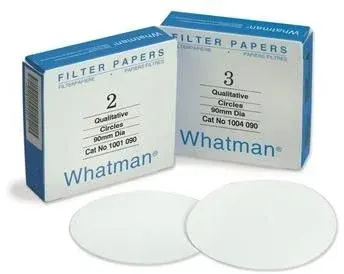
Based in Ambala, Haryana, India, Starlabs lists six active laboratory products. The catalogue includes glassware such as a 50 ml glass beaker (HS code STRLBP1), a 100 ml measuring cylinder (HS code Starlmeasuringcylinder), a 1000 ml volumetric flask (HS code Volflaskp1), a 2000 ml volumetric flask (HS code 2000ml Glass beaker), a generic volumetric flask entry (HS code volmtflask1000ml), and filter paper (HS code Filpo1). The items fall under the scientific instruments and industrial filters categories reported by the supplier. All items are described as glass or paper material in the source data.
The product set reflects standard laboratory consumables used in educational institutions and research facilities. The glass items are identified as glass material, while the filter paper entry does not specify material beyond its function. No additional product variants or custom solutions are listed in the supplied catalogue.
Product Range and Specialties of Starlabs
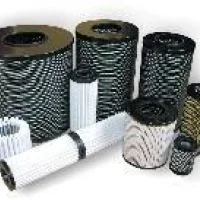
Starlabs’ catalogue contains five glassware items - beakers, measuring cylinders and volumetric flasks - each specified by capacity and identified with a unique HS‑code string, plus a single filter‑paper product. In the laboratory glassware market, such items are normally produced from borosilicate glass that meets ASTM E438 or ISO 2768 tolerances, with capacity accuracy typically ±1 % for beakers and ±0.5 % for volumetric flasks, and calibrated markings printed in millilitres. Filter paper is commonly supplied in ash‑less grades, with pore sizes ranging from 5 µm to 20 µm and basis weights of 70‑100 g m‑2, conforming to ASTM E1613 standards.
Buyers often request additional variants such as graduated cylinders with 0‑100 ml ranges, or flasks with ground‑glass stoppers, which are not listed by Starlabs but represent typical extensions of this product family. The supplied items therefore cover the core size range used for routine titration, solution preparation and qualitative analysis.
Trade and Export Information - Starlabs
India is a major exporter of laboratory glassware, with shipments typically destined for North America, the European Union and the Middle East. The glass items fall under HS Chapter 70 (specifically code 7013 for glassware of a kind used in laboratories), while filter paper is classified under HS 4802. Exporters of these categories usually provide ISO 9001 quality‑management certification and, where required by the destination market, CE marking or FDA compliance for medical‑related use.
Standard logistics involve packing individual pieces in molded pulp or cardboard inserts, grouping them on wooden pallets, and loading 20‑foot containers for sea freight. Common Incoterms are FOB Ambala or CIF major ports such as Mumbai, reflecting the typical supply chain for Indian laboratory equipment exporters. Buyers should anticipate customs inspections focused on material safety data sheets and compliance certificates for the HS codes involved.
Sourcing from Starlabs - Buyer Guidance
When sourcing Starlabs’ glassware, request a material safety data sheet that confirms borosilicate composition and a calibration certificate stating tolerance limits (e.g., ±1 % for beakers). A test report for thermal‑shock resistance, usually performed according to ASTM E280, helps verify suitability for repeated heating‑cooling cycles.
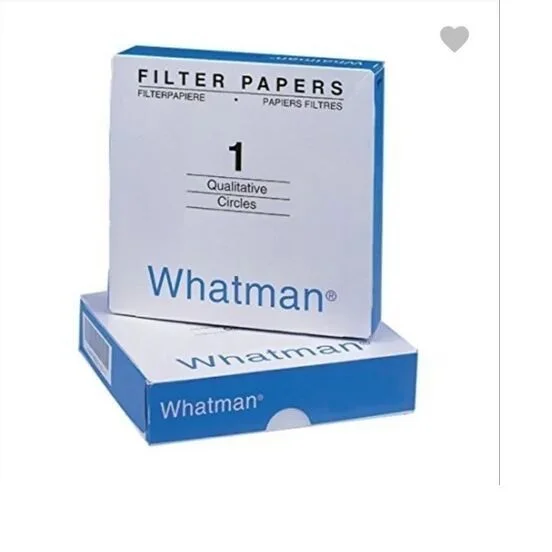
For the filter paper, ask for a specification sheet detailing pore size, ash content and basis weight, as well as a certificate of analysis that references ASTM E1613. Verify that the HS codes supplied match the product description on the commercial invoice to avoid customs delays.
Typical minimum order quantities for individual glass items range from 200 to 500 units per SKU, with lead times of 30‑45 days from order confirmation. Packaging is usually in double‑wall cardboard boxes with individual separators; confirm pallet configuration and whether shrink‑wrapping is required for overseas shipment.
Frequently Asked Questions About Starlabs
What types of laboratory glassware are listed by Starlabs?
Starlabs lists a 50 ml glass beaker, a 100 ml measuring cylinder, a 1000 ml volumetric flask, and a 2000 ml volumetric flask, each identified with a distinct HS‑code string.
Are the glass products made from borosilicate glass?
The catalogue specifies only "glass" as material; buyers should request a material safety data sheet to confirm whether borosilicate glass, the industry standard for chemical resistance, is used.
Which certifications are commonly required for laboratory glassware from India?
Importers typically ask for ISO 9001 quality‑management certification and, for markets that require it, CE marking or FDA compliance documentation. These should be requested from the supplier before finalising the order.
What is a typical minimum order quantity for Starlabs’ beakers?
While the catalogue does not state MOQ, the laboratory glassware sector usually sets a minimum of 200‑500 units per size to justify packaging and freight arrangements.
How are the glass items packaged for international shipment?
Glassware is normally packed in molded pulp or cardboard inserts, placed in double‑wall cartons, and stacked on wooden pallets for container loading. Shrink‑wrap or edge protection may be added for long‑distance sea freight.
What is the usual lead time for an order of Starlabs’ products?
Lead times of 30 to 45 days are typical for Indian laboratory equipment manufacturers, covering production, quality inspection and preparation for export.
Which documents should be prepared for customs clearance of the filter paper?
A commercial invoice with the correct HS code (Filpo1), a certificate of analysis showing pore size and ash content, and any required phytosanitary or import permits for paper products should be supplied.
What HS‑code families cover the listed products?
The glassware items fall under HS Chapter 70, code 7013 for laboratory glassware, while the filter paper is classified under HS Chapter 48, code 4802 for paper pulp and paper products. The supplier’s internal HS‑code strings correspond to these broader tariff headings.




 Ambala, India