Smartet Technology Development Co., Ltd — Supplier
About Smartet Technology Development Co., Ltd - Baby Wipes Supplier in China
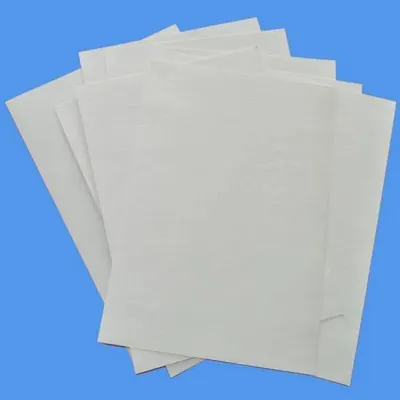
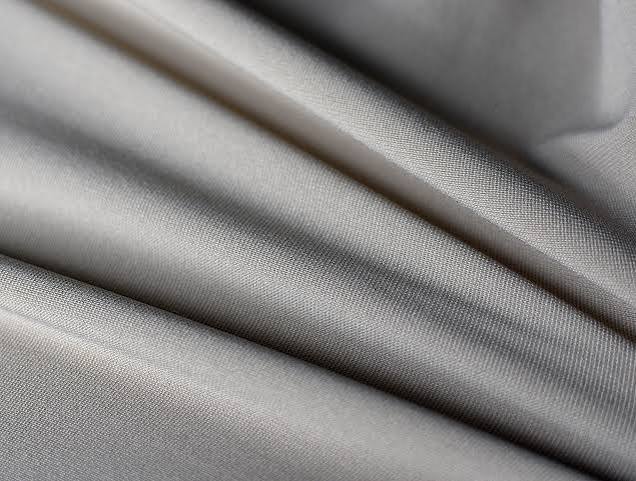
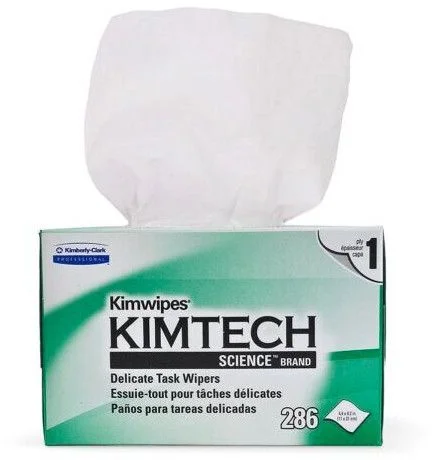
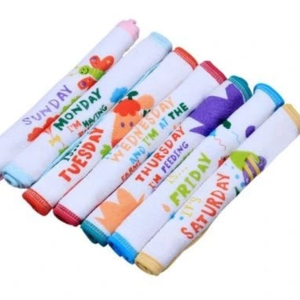
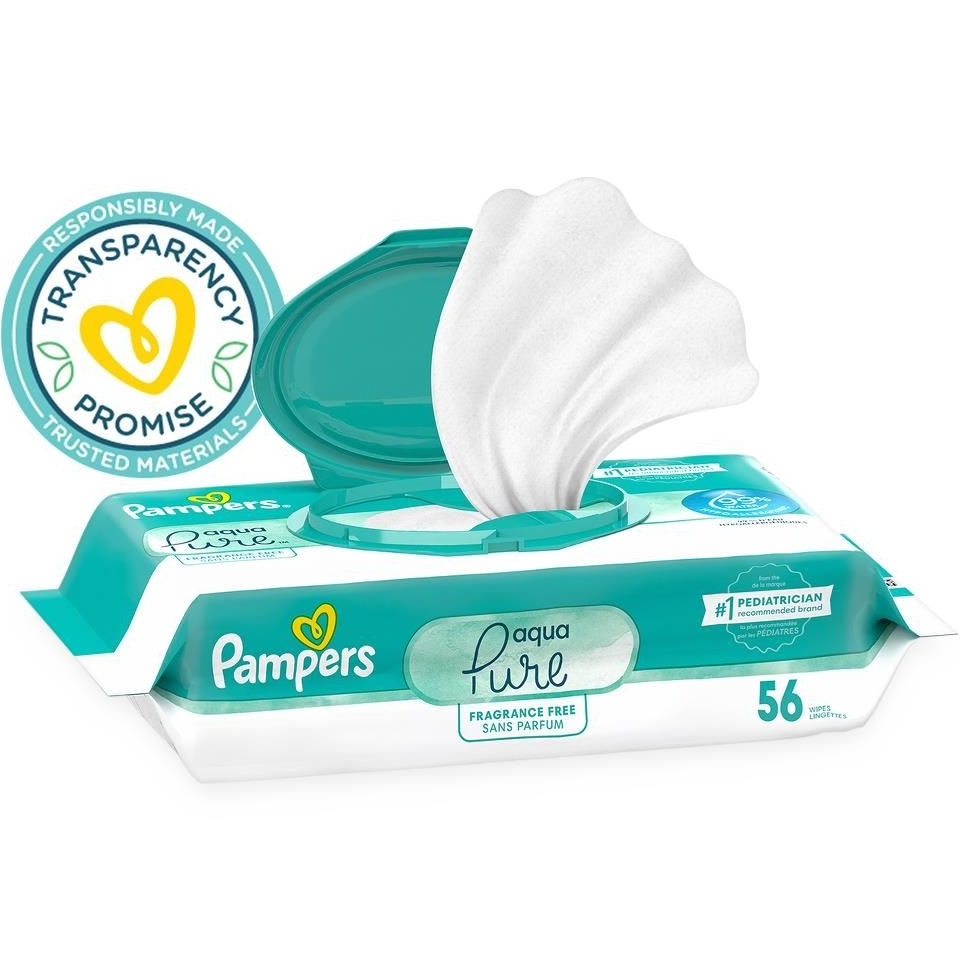
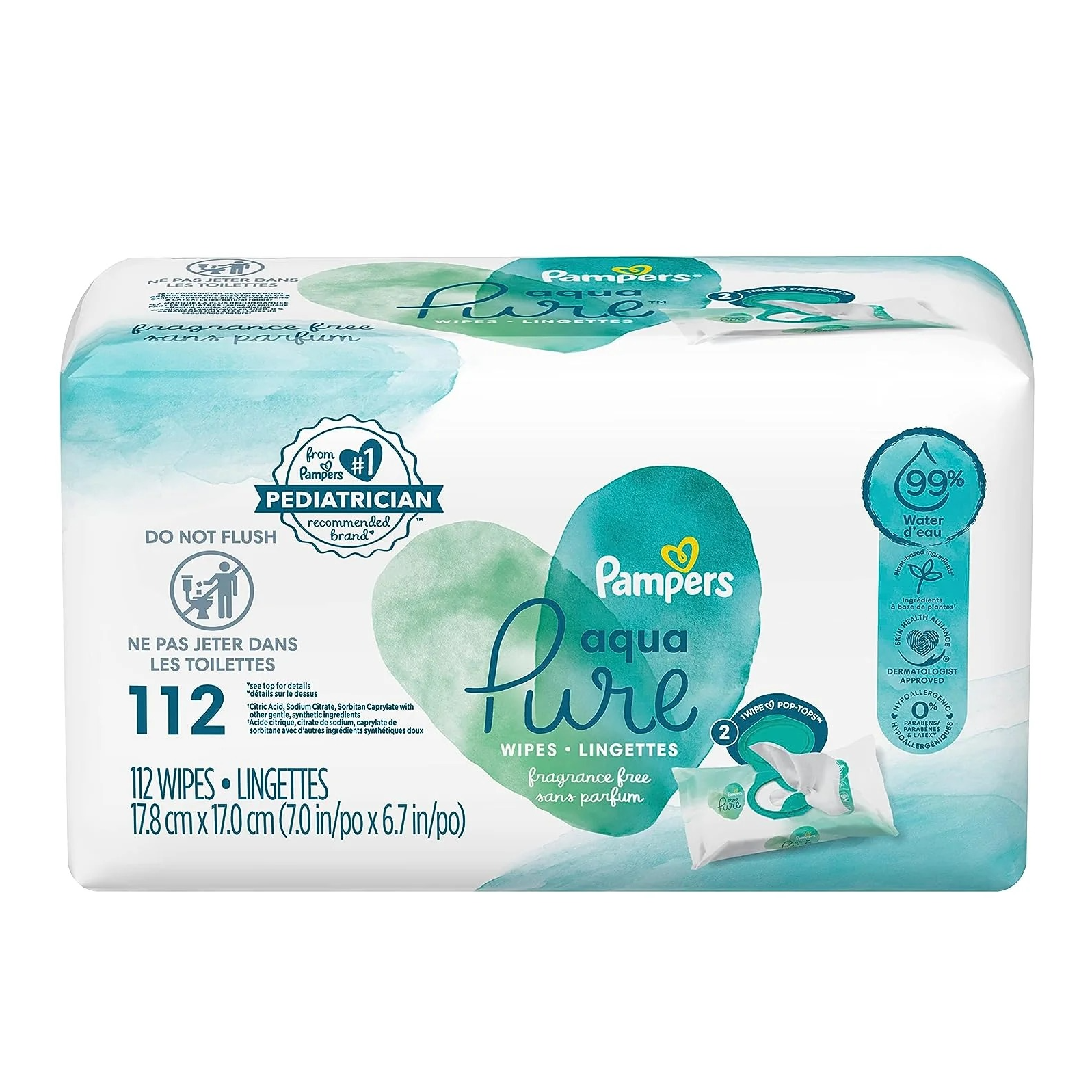
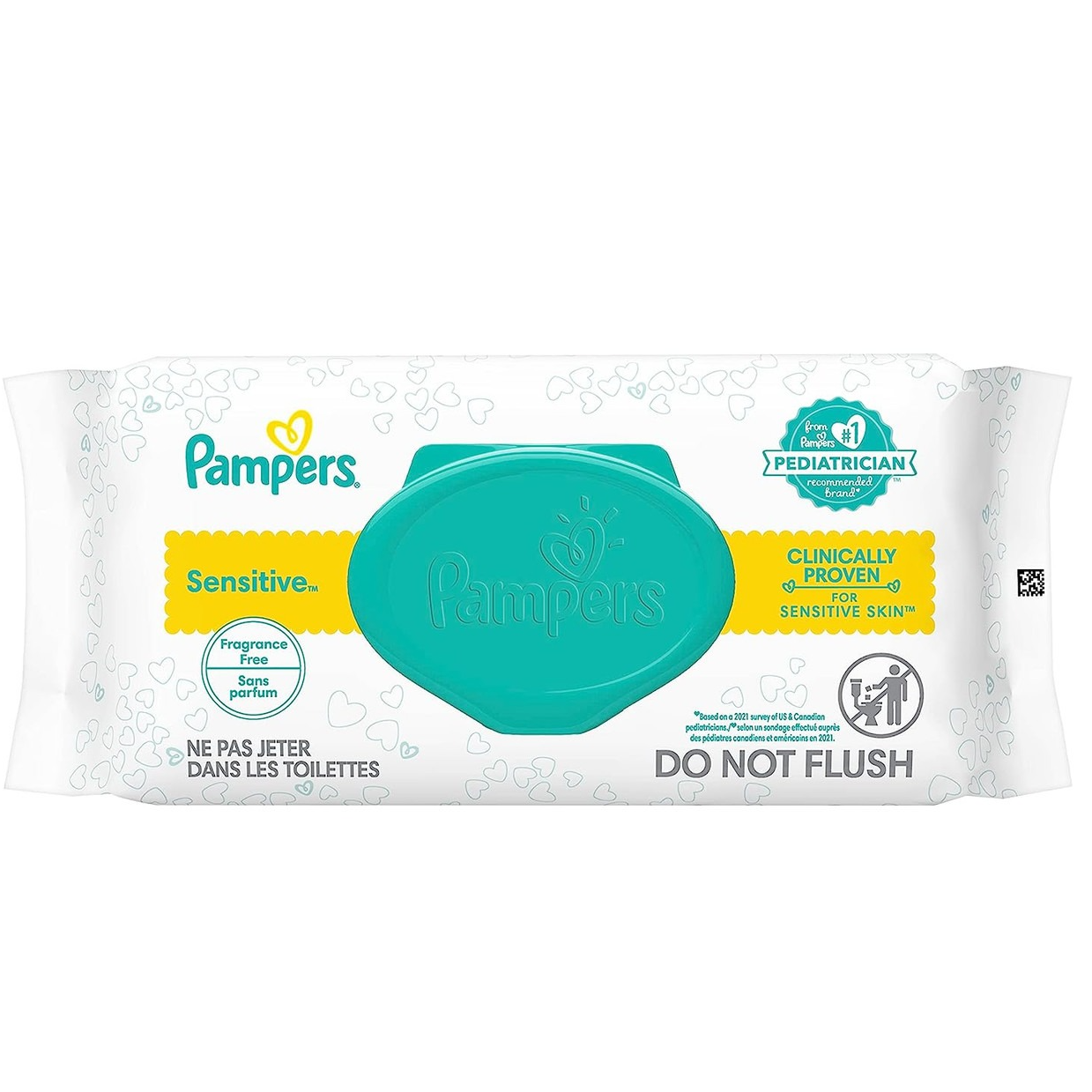
China hosts five active baby‑wipe products listed by Smartet Technology Development Co., Ltd. The catalogue includes Polyester Cellulose Wipe, Lint Free M 3 Wipes, Melt Blown Polypropylene Wipe, Stencil Roll Wipes and Light Weight Polyester Wipe. Each item is a non‑woven textile designed for personal hygiene and infant care. The product titles indicate the primary fibre or manufacturing method, such as melt‑blown polypropylene for high absorbency or polyester cellulose for softness. All five items fall under the broader non‑woven wipe category used in disposable hygiene applications.
The supplier’s listings focus on wipes that are intended for baby and sensitive‑skin use. Materials range from polyester‑based fibers to polypropylene melt‑blown layers, providing variations in texture, lint‑free performance and moisture handling. These products are typically classified under the textile and apparel HS chapter that covers non‑woven fabrics and wipes. Smartet’s portfolio therefore addresses a niche within the larger disposable hygiene market, offering multiple material constructions for different end‑use requirements.
Product Range and Specialties of Smartet Technology Development Co., Ltd
Smartet’s five‑item catalogue covers two main fibre families - polyester (Polyester Cellulose Wipe, Light Weight Polyester Wipe, Stencil Roll Wipes) and polypropylene (Melt Blown Polypropylene Wipe) - plus a specialised lint‑free grade (Lint Free M 3 Wipes). In the baby‑wipe market, polyester non‑wovens are valued for their softness and durability, often measured in GSM (grams per square metre) between 30 - 45 g/m². Polypropylene melt‑blown layers are prized for rapid liquid uptake and are commonly specified by basis weight (15 - 30 g/m²) and pore size for skin safety. Lint‑free wipes are typically graded by lint count per square metre, with premium grades targeting less than 10 % visible fibres. Buyers usually request data on absorbency (mL per cm²), tensile strength (MPa), and bioburden limits, which align with industry standards such as ISO 10545‑2 for non‑woven fabrics.
Industry practice for baby wipes includes compliance with ISO 9001 quality management, ISO 14001 environmental management, and where applicable, FDA 21 CFR 820 for medical‑device‑type hygiene products. European buyers often look for CE marking and REACH registration for chemical safety. Typical grade specifications reference ASTM F903 (standard test method for non‑woven fabric resistance to liquid penetration) and AATCC 127 (water absorbency). These benchmarks help buyers compare Smartet’s polyester and polypropylene constructions against market expectations.
Trade and Export Information - Smartet Technology Development Co., Ltd
China is a leading exporter of non‑woven hygiene products, and baby wipes constitute a significant share of its textile‑related outbound trade. The majority of shipments are routed to North America, the European Union and Southeast Asian markets, where demand is driven by infant care and personal hygiene consumption trends. Exports are recorded under HS chapter 63, specifically headings for non‑woven fabrics and wipes (e.g., 6305 xx). Buyers usually require pre‑shipment inspection reports (e.g., SGS or Bureau Veritas) and certificates of compliance with local regulations such as the U.S. Consumer Product Safety Commission (CPSC) or EU Cosmetic Regulations for wipes that contain additives.
Logistically, a 20‑foot container can accommodate approximately 1,500 - 2,000 kg of finished baby wipes, depending on packaging density. Standard packaging involves sealed poly‑bag packs of 100 - 200 pieces, boxed in corrugated cartons sized for palletisation. Common Incoterms for Chinese manufacturers include FOB Shanghai or CIF Hong Kong, allowing buyers to arrange onward transport. Export documentation typically includes a commercial invoice, packing list, certificate of origin, and any required phytosanitary or safety data sheets.
Sourcing from Smartet Technology Development Co., Ltd - Buyer Guidance
When sourcing from Smartet, buyers should request a material safety data sheet (MSDS) for each wipe type to verify the absence of restricted chemicals such as formaldehyde or phthalates. Sample testing should include absorbency, lint count, tensile strength and any relevant microbiological limits (e.g., < 10 CFU g⁻¹). Verification of third‑party inspection reports and compliance certificates (ISO 9001, FDA or CE as applicable) is essential before confirming bulk orders.
Buyers are advised to confirm the exact GSM, basis weight and packaging configuration in the quotation, as these affect container loading and freight calculations. Typical minimum order quantities for Chinese baby‑wipe manufacturers range from 5 000 - 20 000 pieces per SKU, with lead times of 30 - 45 days after sample approval. Ensuring that the supplier can provide test reports aligned with ASTM F903 or AATCC 127 will reduce the risk of non‑conformance at import.
Frequently Asked Questions About Smartet Technology Development Co., Ltd
What types of baby wipes does Smartet list in its catalogue?
Smartet lists five non‑woven baby‑wipe products: Polyester Cellulose Wipe, Lint Free M 3 Wipes, Melt Blown Polypropylene Wipe, Stencil Roll Wipes and Light Weight Polyester Wipe.
Which material families are represented in Smartet’s wipe range?
The range includes polyester‑based fibers (Polyester Cellulose, Light Weight Polyester, Stencil Roll) and a polypropylene melt‑blown layer for the Melt Blown Polypropylene Wipe, plus a specialised lint‑free polyester grade.
Are there common certifications buyers should request for these wipes?
Buyers typically ask for ISO 9001 quality‑management certification, a material safety data sheet, and where relevant FDA 21 CFR 820 or CE/REACH compliance documents.
What performance tests are standard for baby wipes?
Standard tests include absorbency (mL cm⁻²), lint count per square metre, tensile strength (MPa), and ASTM F903 liquid‑penetration resistance.
What are typical packaging and container capacities for these wipes?
Wipes are usually packed in sealed poly‑bags of 100‑200 pieces, boxed in corrugated cartons that load 1,500‑2,000 kg per 20‑ft container, depending on packing density.
What Incoterms does Smartet usually work with?
Common Incoterms used by Chinese manufacturers like Smartet are FOB Shanghai or CIF Hong Kong, allowing the buyer to arrange main carriage.
What minimum order quantities and lead times can buyers expect?
Typical MOQs are 5 000‑20 000 pieces per SKU, with lead times of 30‑45 days after sample approval and receipt of required documentation.
How can buyers verify product compliance before shipment?
Buyers should request third‑party inspection reports, test certificates for ASTM F903 or AATCC 127, and the supplier’s ISO 9001 certificate to confirm compliance.




 , China