Siphon Refractories Pvt. Ltd. — Verified Supplier
About Siphon Refractories Pvt. Ltd. - Refractories Supplier in India
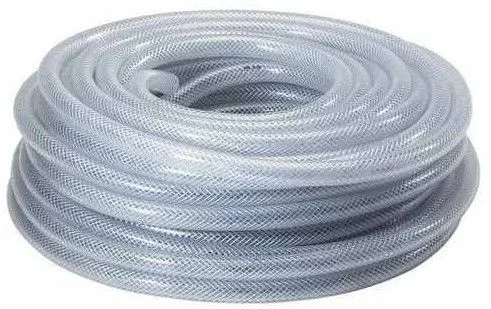
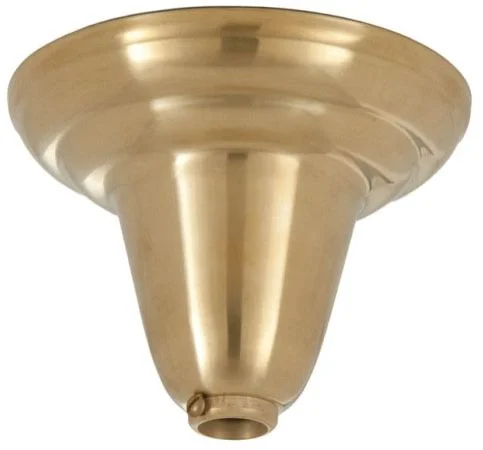
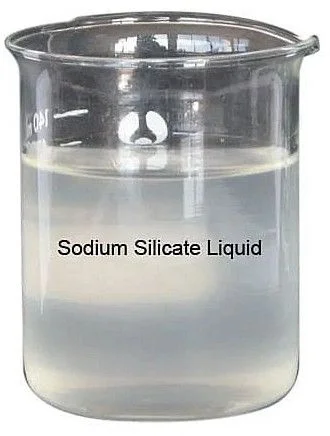
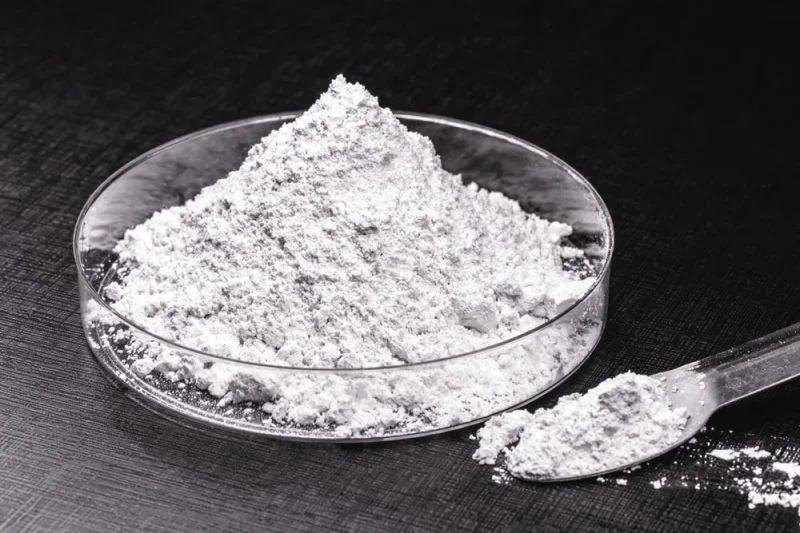
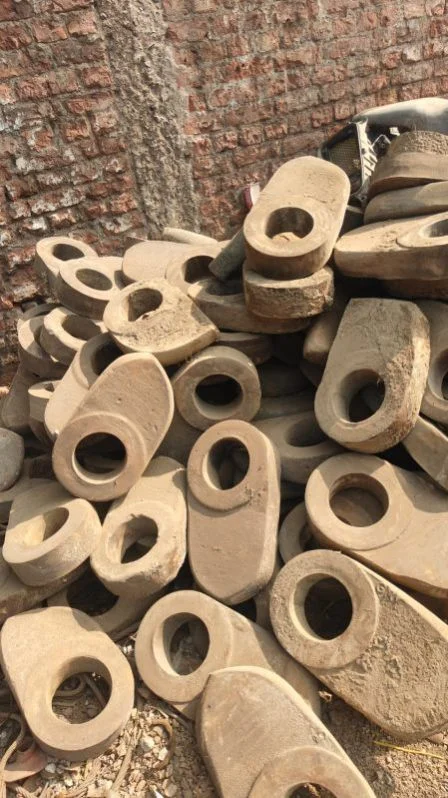
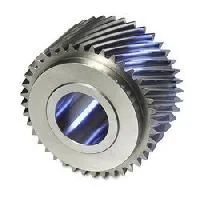
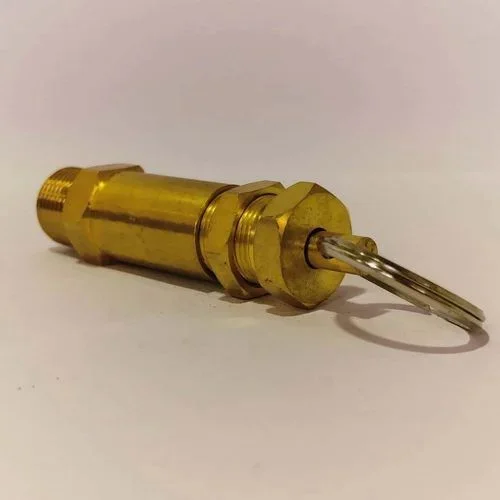
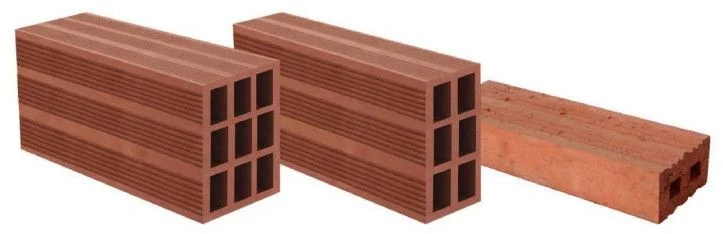
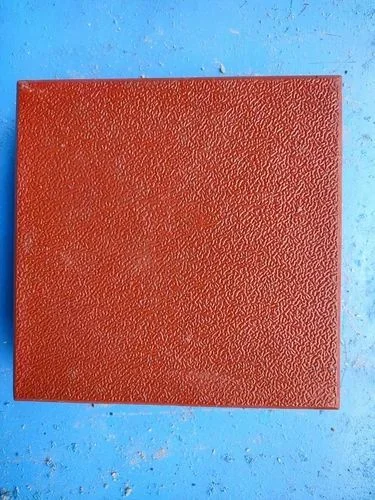
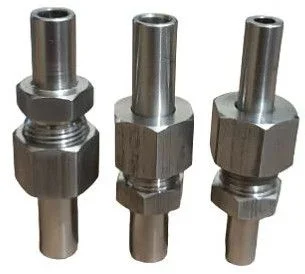
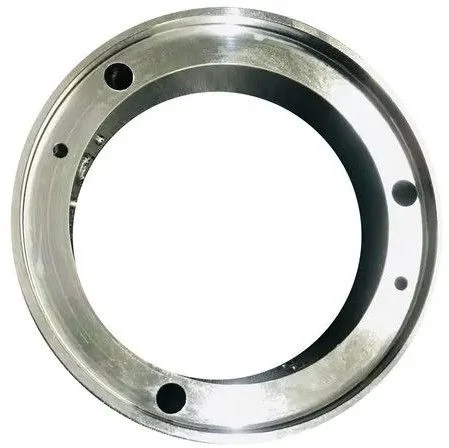
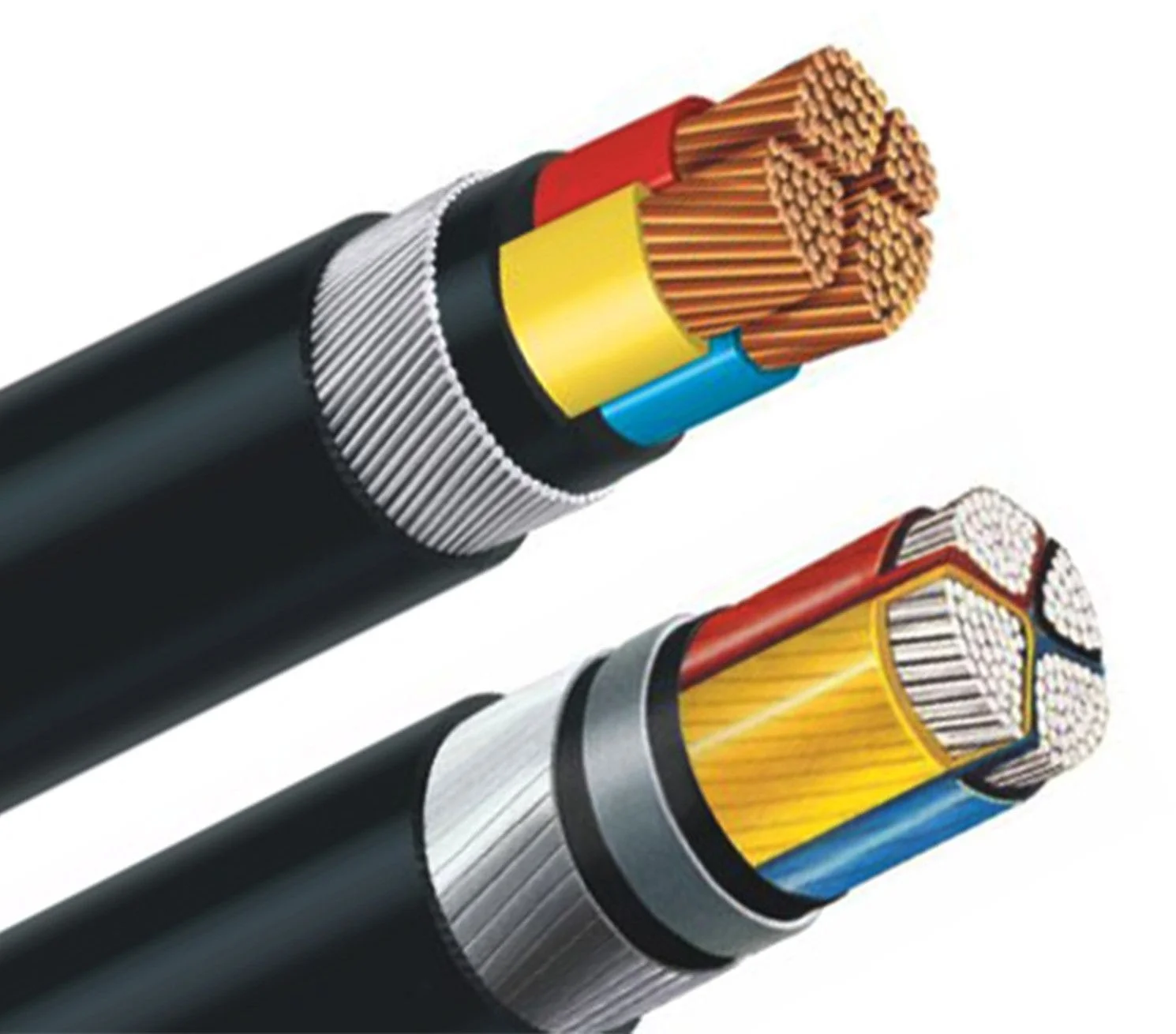
India hosts Siphon Refractories Pvt. Ltd., which currently lists 29 distinct product lines across refractory, mechanical and electrical categories. The catalogue includes fire‑clay and high‑alumina refractories (HS 6902.10), rolling‑mill spare parts made from alloy steel, high‑chromium cast iron or forged steel (HS 8455.90), and mixed‑material electrical components such as copper, brass and aluminium assemblies (HS 8538.00). Additional entries cover silica‑sand based ramming mass (HS 6903.20), high‑alumina calcium aluminate castables (HS 6903.20), precast concrete well blocks (HS 6810.99) and a 90 k mortar blend (HS 3824.50). Metal‑based items such as dummy bar bolts (HS 7318.15) and lancing pipes (HS 7304.51) are also listed, together with ferro‑silicon, silico‑manganese and sodium silicate chemicals. The product set further includes a variety of nozzle and tundish accessories, plumbing fittings and assorted pipe, flange and hose components (HS 7307.23).
Product Range and Specialties of Siphon Refractories Pvt. Ltd.
The supplier’s catalogue groups products by function and material. Refractory items comprise fire‑clay bricks, high‑alumina castables, ramming mass and specialised tundish boards, all of which are typically formulated to meet ASTM C618 or ISO 11584 standards for chemical resistance and thermal shock. Rolling‑mill spares and mechanical seals are offered in alloy‑steel grades such as ASTM A335 (high‑temperature ferritic) or ASTM A182 (chromium‑molybdenum) and are machined to dimensional tolerances of ±0.02 mm for critical shafts. Electrical components follow IEC 60204‑1 safety requirements and are often supplied with copper conductors of 1 mm² to 35 mm² cross‑section. Chemical products such as silico‑manganese and ferro‑silicon are graded by silicon and manganese content, with typical purity levels of 60‑75 % Mn and 14‑30 % Si for SiMn. Standard packaging includes 20‑ft containers for bulk refractory powders, 40‑ft containers for rolled steel parts, and 25 kg drums for chemicals, each sealed to prevent moisture ingress.
Trade and Export Information - Siphon Refractories Pvt. Ltd.
India ranks among the top global exporters of refractory and steel‑mill consumables, supplying steel plants in the Middle East, Southeast Asia and Europe. HS chapter 69 (refractories) and HS 73 (iron and steel products) dominate the export profile, and buyers usually request compliance with ISO 9001 quality management and, where applicable, ISO 14001 environmental certification. Typical importers request third‑party inspection under the SGS or BVQI regimes and may require test reports that reference ASTM C155 (refractory density) or EN 1563 (thermal conductivity). Shipping is frequently arranged on CIF terms to ports such as Jebel Ali (UAE), Shanghai (China) and Rotterdam (Netherlands), with container loads ranging from 12 tons for castables to 20 tons for rolled steel spares. Indian exporters often provide a Certificate of Origin and, for metal powders, a Material Safety Data Sheet (MSDS) to satisfy customs and buyer audits.
Sourcing from Siphon Refractories Pvt. Ltd. - Buyer Guidance
Buyers should request mill‑test certificates for refractory grades, confirming alumina content (typically 45‑80 % Al₂O₃) and moisture limits below 1 %. For rolling‑mill components, request heat‑treatment records and dimensional inspection reports that reference ISO 286 tolerances. Electrical assemblies should be accompanied by IEC‑type conformity declarations and RoHS compliance statements. It is prudent to verify the presence of ISO 9001 certification and, where environmental impact is a concern, ISO 14001 registration before placing orders. Sample quantities are usually offered in 5 kg bags for refractory powders and 1‑piece units for mechanical parts, allowing buyers to conduct in‑house testing before full‑scale procurement.
Frequently Asked Questions About Siphon Refractories Pvt. Ltd.
What HS codes apply to the refractory products offered by Siphon Refractories?
Refractory bricks and fire‑clay items are classified under HS 6902.10, while ramming mass and high‑alumina castables fall under HS 6903.20. Both codes are covered by the international HS chapter for ceramic products.
Are the rolling‑mill spare parts supplied in standard alloy grades?
Yes. Parts such as forged steel spares and high‑chromium cast iron components are typically supplied in ASTM A335 or ASTM A182 grades, with material certificates provided for each batch.
What certifications should a buyer verify for the electrical components?
Buyers should look for IEC 60204‑1 compliance, a RoHS declaration and, if available, ISO 9001 quality management certification attached to the shipment.
How are the chemical products like silico‑manganese packaged for export?
Silico‑manganese, ferro‑silicon and sodium silicate are usually packed in 25 kg steel drums sealed with inner liners, and each drum is accompanied by an MSDS and a Certificate of Analysis indicating Si and Mn percentages.
What typical quality tests are performed on the castable refractories?
Castables are tested for bulk density (≥1.8 g/cm³), cold crushing strength (≥30 MPa) and thermal shock resistance according to ASTM C155 and EN 1563 standards before shipment.
Can I request a sample of the 90 k mortar before a large order?
The supplier offers a 5 kg sample of the 90 k mortar, which includes the cementitious binder blend and silica aggregate. The sample comes with a test report detailing setting time, compressive strength at 28 days and sulfate resistance.
What are the typical lead times for shipping a 20‑ft container of refractory castables?
Lead times for a full 20‑ft container of castables are generally 4‑6 weeks from order confirmation, allowing time for material batching, quality testing and container loading.




 , India