Agriculture›
 Apparel and fashion accessories›
 Construction & real estate›💡Electronic & Electrical›🍎Food & Beverages›🛋️Home furnishing & supplies›⚗️Industrial goods & chemical›🪨Minerals & metals›📦Miscellaneous›Agriculture›Apparel and fashion accessories›Construction & real estate›💡Electronic & Electrical›🍎Food & Beverages›🛋️Home furnishing & supplies›⚗️Industrial goods & chemical›🪨Minerals & metals›📦Miscellaneous›
Sidley Chemical Co., Ltd. Product Catalog




About Sidley Chemical Co., Ltd. - Industrial Chemicals Supplier in China
Sidley Chemical Co., Ltd. is based in China and currently lists 11 distinct chemical products in its online catalogue. The catalogue covers a range of cellulose derivatives and related chemicals that fall under HS Chapter 39, specifically codes 3912.31 and 3912.39. Products include hydroxypropyl methylcellulose, sodium carboxymethylcellulose, hydroxyethyl cellulose, ethyl cellulose, polyanionic cellulose, cellulose gum, and calcium formate feed grade. The listed items are classified as industrial, cosmetic, allied, and food chemicals according to the supplier's top categories. Each product entry specifies the material type and, where provided, the corresponding HS code.
The product list groups the cellulose ethers into anionic (sodium CMC), non‑ionic (hydroxyethyl cellulose, ethyl cellulose) and mixed‑type grades such as hydroxypropyl methylcellulose. The HS code 3912.31 is used for basic cellulose ethers, while 3912.39 covers other cellulose polymers. Calcium formate is listed without an HS code but is commonly classified under 2833.19 for feed‑grade calcium formate. The catalogue does not disclose batch sizes, but the presence of multiple HS codes indicates compliance with customs classification for bulk chemical shipments.
Product Range and Specialties of Sidley Chemical Co., Ltd.
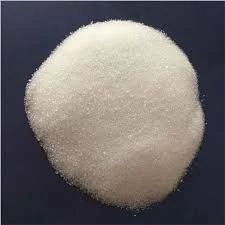
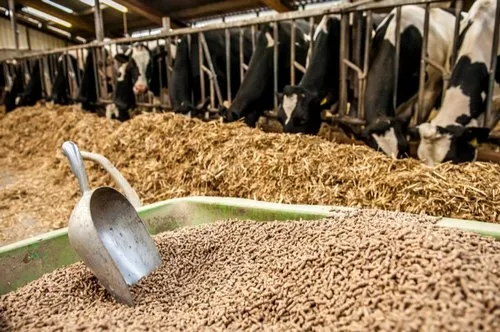
Sidley Chemical’s catalogue features several cellulose ether grades: hydroxypropyl methylcellulose (HPMC), sodium carboxymethylcellulose (CMC) in anionic and mixed forms, hydroxyethyl cellulose (HEC), ethyl cellulose, polyanionic cellulose (PAC) and cellulose gum derived from natural cellulose. These products are typically supplied as powders or granules with standard industrial purity levels above 99 % for HPMC and 98 % for CMC. Common industry specifications include viscosity ranges of 10,000 - 30,000 mPa·s for HPMC, 100 - 10,000 mPa·s for CMC, degree of substitution between 0.4 and 0.9, moisture content below 5 %, and particle size distribution under 200 µm. Calcium formate feed grade is usually offered at 98 % purity and used as a calcium supplement in animal nutrition.
Frequently Asked Questions About Sidley Chemical Co., Ltd.
What cellulose ether products does Sidley Chemical offer?
The supplier lists hydroxypropyl methylcellulose, sodium carboxymethylcellulose (CMC) in several variants, hydroxyethyl cellulose, ethyl cellulose, polyanionic cellulose, cellulose gum and related grades, each identified with HS codes 3912.31 or 3912.39.
Are HS codes provided for all products?
HS codes are supplied for the cellulose ether items under 3912.31 (basic cellulose ethers) and 3912.39 (other cellulose polymers). Calcium formate feed grade is listed without an HS code in the catalogue.
What specifications should a buyer verify for HPMC?
Buyers typically request viscosity at 2 % solution (10,000 - 30,000 mPa·s), degree of substitution (0.4 - 0.6), moisture ≤5 % and purity ≥99 %. A Certificate of Analysis confirming these parameters is standard.
Which certifications are commonly required for these chemicals?
Importers often require ISO 9001 quality management, ISO 14001 environmental compliance, and product‑specific certifications such as FDA GRAS for food‑grade cellulose or EU REACH registration for industrial use. The catalogue does not list certifications, so buyers should request copies.
What are typical packaging and shipping formats?
Cellulose ethers are usually packed in 25 kg paper bags or 500 kg bulk drums, and calcium formate feed grade is commonly shipped in 20‑ft containers with a gross weight around 20 tons. FOB Shanghai is a common Incoterm for Chinese chemical exporters.
 China
Related Suppliers & Products
Explore similar suppliers, related products and trending categories