Sichuan Dexkcyq Instrument Co., Ltd — Supplier
About Sichuan Dexkcyq Instrument Co., Ltd - Light & Medium Machinery Supplier in China
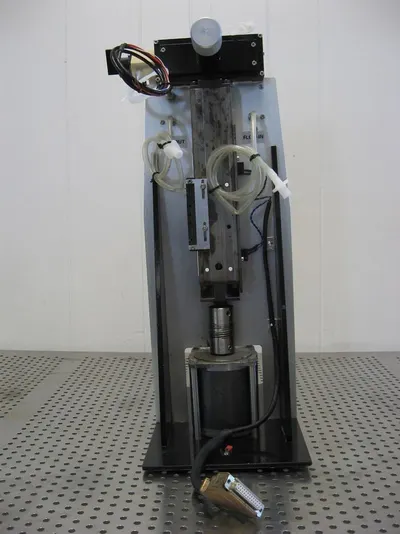
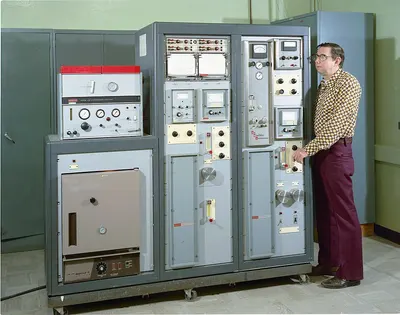
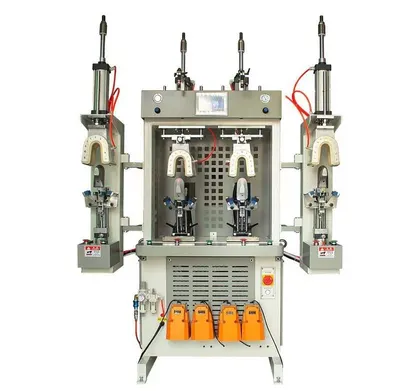
Based in China, Sichuan Dexkcyq Instrument Co., Ltd lists eight active products under the Light & Medium Machinery segment. The catalogue includes an Electro‑hydraulic Servo Testing System, a High Temperature High Frequency Testing System, an Oscillating Sintering Testing System, an Electronic Creep Testing Machine, a Biaxial Fatigue Testing Machine, an Electro‑hydraulic Servo Testing Machine, an Electro‑fatigue Testing Machine, and an Ultrasonic Fatigue Testing Machine. Each item is described as a laboratory or industrial testing apparatus for material behavior under controlled conditions. The company groups these machines under the broader HS chapter 9026 family for testing and measuring instruments. No additional product categories are listed.
The product set focuses on mechanical and thermal fatigue, creep, and sintering evaluation, which are common in aerospace, automotive, and material‑development programs. Typical specifications for such equipment include load capacities from a few kilonewtons up to several hundred kilonewtons, temperature ranges from ambient to 1500 °C, and frequency capabilities from 0.1 Hz to several kilohertz, depending on the model. Precision measurement accuracy is often expressed in ±0.5 % of full scale, and data acquisition follows standards such as IEC 60751. Although the supplier’s catalogue does not provide individual HS codes, the entire range aligns with HS 9026.00 for testing machines. Buyers can therefore reference this HS family when arranging customs clearance.
Product Range and Specialties of Sichuan Dexkcyq Instrument Co., Ltd
The eight machines cover electro‑hydraulic servo control, high‑temperature high‑frequency testing, oscillating sintering, electronic creep, biaxial fatigue, electro‑fatigue and ultrasonic fatigue evaluation. In the testing‑equipment market, electro‑hydraulic servo systems are typically rated by servo force (kN), response time (ms) and positioning repeatability (µm). High‑temperature high‑frequency rigs often require insulation to 1200‑1500 °C and frequency generators up to 10 kHz, with compliance to ASTM E21 for high‑temperature testing. Creep testers are usually calibrated against ISO 7500‑1 for force measurement and may include displacement transducers with resolution of 0.01 mm. Fatigue machines commonly adhere to ASTM E466 for axial fatigue and ASTM E739 for rotating bending, providing load cycles from 10³ to 10⁷. These industry standards help buyers compare performance across suppliers.
Trade and Export Information - Sichuan Dexkcyq Instrument Co., Ltd
China is a leading exporter of laboratory and industrial testing equipment, and machines in the HS 9026 category are regularly shipped to Europe, North America, Southeast Asia and the Middle East. Typical importers include automotive manufacturers, aerospace component producers, research institutes and material‑science laboratories that require certified test data for product qualification. Export logistics usually involve 20‑ft or 40‑ft containers with wooden crates, anti‑vibration padding and moisture‑proof liners to protect precision components. Commonly required certifications for this category are CE marking for EU markets, ISO 9001 quality‑management certification, and where applicable UL or CSA approvals for North American customers. Chinese exporters often provide pre‑shipment inspection reports under the IEC 61850 or similar standards, and buyers may request a Certificate of Origin to satisfy customs duty preferences.
Sourcing from Sichuan Dexkcyq Instrument Co., Ltd - Buyer Guidance
When sourcing testing machines from this supplier, request the latest CE Declaration of Conformity and a copy of the ISO 9001 certificate to verify quality‑management compliance. Ask for detailed specification sheets that list maximum load, temperature range, frequency bandwidth, measurement accuracy, and applicable ASTM or ISO test standards. A functional sample or on‑site demonstration is uncommon for large equipment, so obtain a factory‑issued test report that confirms calibration against traceable standards. Verify packaging details, including crate dimensions, pallet count and any protective coatings, to ensure safe transport. Confirm lead time, which for custom‑built testing rigs typically ranges from 8 to 12 weeks after order confirmation, and negotiate Incoterms such as CIF or DAP based on the buyer’s preferred destination port.
Frequently Asked Questions About Sichuan Dexkcyq Instrument Co., Ltd
What types of testing machines does Sichuan Dexkcyq Instrument list in its catalogue?
The catalogue includes eight machines: Electro‑hydraulic Servo Testing System, High Temperature High Frequency Testing System, Oscillating Sintering Testing System, Electronic Creep Testing Machine, Biaxial Fatigue Testing Machine, Electro‑hydraulic Servo Testing Machine, Electro‑fatigue Testing Machine and Ultrasonic Fatigue Testing Machine.
Which HS code family applies to these machines?
All listed machines fall under HS chapter 90‑26, which covers testing and measuring instruments, specifically HS code 9026.00 for testing machines.
What certifications should a buyer request for these testing systems?
Buyers should request the CE Declaration of Conformity for EU markets, the supplier’s ISO 9001 certificate, and any applicable UL or CSA approvals if the equipment will be used in North America.
What are typical performance specifications buyers look for in fatigue testing machines?
Typical specifications include maximum load capacity (often 5 kN to 200 kN), load‑cycle range (10³‑10⁷ cycles), frequency range (0.1 Hz‑5 kHz), and measurement accuracy of ±0.5 % of full scale, aligned with ASTM E466 and ASTM E739 standards.
How are these machines usually packaged for export?
Export packaging normally consists of reinforced wooden crates with anti‑vibration padding, moisture‑proof liners, and palletization for placement in 20‑ft or 40‑ft containers.
What lead time can a buyer expect for a custom testing system?
Lead times generally range from eight to twelve weeks after order confirmation, depending on the complexity of the control system and any optional accessories.
Which regions most often import testing equipment from China?
Major importing regions include the European Union, the United States and Canada, Southeast Asian countries such as Singapore and Malaysia, and the Middle East, especially for aerospace and automotive applications.
What documentation is needed for customs clearance of these machines?
Customs typically require a commercial invoice, packing list, Certificate of Origin, and the HS code declaration (9026.00). If the equipment is CE‑marked, the Declaration of Conformity should also be presented.




 , China