Shukla Industries Pvt. Ltd. — Supplier
About Shukla Industries Pvt. Ltd. - Construction & Waterproofing Chemicals Supplier in India
India hosts Shukla Industries Pvt. Ltd., which currently lists five distinct products in its catalogue. The supplier’s active product count of 5 includes Kleenkot, Matelkot, Cabkot, Wudkot and Fabkot, all classified under construction and waterproofing chemicals. Each product is presented without additional HS‑code detail in the supplied data, but they fall within the chemical families typically recorded under HS chapter 35 for organic chemicals and HS 3808 for inorganic waterproofing agents. The catalogue focuses on chemically formulated compounds used for sealing, bonding, and protective coating in building projects. No further company history, employee numbers, or revenue figures are provided in the source information.
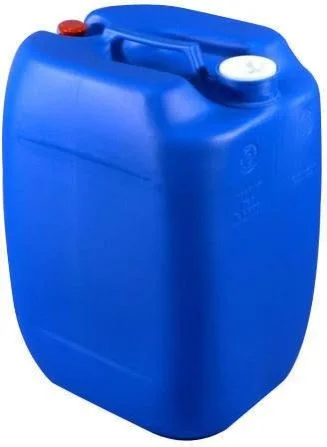
The product names suggest a range of polymer‑based and cementitious solutions, which are common in the Indian construction chemicals market. Buyers can expect these items to be formulated for applications such as concrete admixture (Kleenkot), mortar bonding (Matelkot), tile setting (Cabkot), wall waterproofing (Wudkot) and floor coating (Fabkot). Typical specifications for similar Indian manufacturers include viscosity ranges of 150‑300 cP, solid content between 45‑55 %, and pH values near neutral to slightly alkaline. Packaging for such chemicals is usually supplied in 20 kg polypropylene drums or 200 L IBCs, complying with IS 9239 for transport of hazardous chemicals. The supplier’s tier is listed as “imported” and trust tier “harbor”, indicating it operates through third‑party import channels.
Product Range and Specialties of Shukla Industries Pvt. Ltd.
Shukla Industries Pvt. Ltd. lists five products: Kleenkot, Matelkot, Cabkot, Wudkot and Fabkot, all under the umbrella of construction and waterproofing chemicals. In the broader industry, these product types correspond to concrete admixtures, mortar binders, tile adhesives, wall waterproofing membranes and floor coating compounds. Typical grades for concrete admixtures in India are classified by Indian Standards IS 14877 (high‑early strength) and IS 383 (water‑reducing agents). Tile adhesives often meet IS 15686 (flexible tile adhesives) with tensile bond strength of 0.5‑1.0 MPa. Waterproofing membranes are commonly evaluated for water absorption below 5 % and tensile strength above 2 MPa, while floor coatings may be specified by film thickness of 0.2‑0.5 mm and abrasion resistance (ASTM D4060) of 200‑300 cycles.
Trade and Export Information - Shukla Industries Pvt. Ltd.
India is a major exporter of construction chemicals, supplying to the Middle East, Africa, Southeast Asia and the Indian sub‑continent. Buyers in the United Arab Emirates, Saudi Arabia, Kenya and Vietnam frequently import waterproofing and bonding agents under HS chapter 35 (organic chemicals) or HS 3808 (inorganic waterproofing compounds). Commonly required certifications include ISO 9001 quality management, ISO 14001 environmental management, and compliance with local building code specifications such as GCC Technical Regulation for construction chemicals. Export shipments are typically packed in 20 kg drums or 200 L IBCs, loaded in 20‑ft or 40‑ft containers, and shipped under CIF or FOB terms. Indian exporters often provide a Certificate of Origin and a Material Safety Data Sheet (MSDS) to satisfy customs and buyer due‑diligence.
Sourcing from Shukla Industries Pvt. Ltd. - Buyer Guidance
When sourcing from Shukla Industries Pvt. Ltd., buyers should request the latest product data sheet, MSDS, and any third‑party test reports that confirm viscosity, solid content and pH for each chemical. Verification of ISO 9001 or ISO 14001 certification, if claimed, should be obtained before placing large orders, as these standards are typical for reputable construction‑chemical exporters. Buyers are advised to confirm packaging size (e.g., 20 kg drum vs 200 L IBC) and to ensure that the supplier can meet the required lead time of 4‑6 weeks for first‑time orders, which aligns with industry norms for Indian chemical manufacturers. Checking compliance with the destination country’s building‑code approvals, such as GCC Technical Regulation or local ASTM equivalents, helps avoid customs delays.
Frequently Asked Questions About Shukla Industries Pvt. Ltd.
What product categories does Shukla Industries Pvt. Ltd. offer?
The supplier lists five items - Kleenkot, Matelkot, Cabkot, Wudkot and Fabkot - all classified as construction and waterproofing chemicals used for concrete, mortar, tile setting, wall sealing and floor coating.
Are HS codes provided for the products?
The supplied catalogue does not include specific HS codes; however, similar construction chemicals from India are generally recorded under HS chapter 35 for organic chemicals or HS 3808 for inorganic waterproofing agents.
Which certifications should a buyer request?
Buyers should ask for ISO 9001 or ISO 14001 certificates, a Material Safety Data Sheet, and any third‑party test reports that verify viscosity, solid content and pH, as these are standard for construction‑chemical imports.
What are typical packaging formats for these chemicals?
Indian manufacturers usually ship such chemicals in 20 kg polypropylene drums or 200 L intermediate bulk containers, which fit standard 20‑ft or 40‑ft shipping containers.
What is the usual lead time for first orders?
First‑time orders from Indian chemical suppliers commonly require 4‑6 weeks for production and preparation before shipment, subject to confirmation of order details.
Which markets commonly import these types of products?
Key import markets include the United Arab Emirates, Saudi Arabia, Kenya, Vietnam and other countries in the Middle East, Africa and Southeast Asia that have active construction sectors.
What documentation is needed for customs clearance?
A commercial invoice, packing list, Certificate of Origin, MSDS and any applicable ISO certificates are typically required for customs clearance of construction chemicals from India.
How can a buyer obtain a sample?
Buyers should contact the supplier to request a small‑quantity sample, specifying the intended application so that the supplier can provide the appropriate formulation and safety data.




 , India