Agriculture›
 Apparel and fashion accessories›
 Construction & real estate›💡Electronic & Electrical›🍎Food & Beverages›🛋️Home furnishing & supplies›⚗️Industrial goods & chemical›🪨Minerals & metals›📦Miscellaneous›Agriculture›Apparel and fashion accessories›Construction & real estate›💡Electronic & Electrical›🍎Food & Beverages›🛋️Home furnishing & supplies›⚗️Industrial goods & chemical›🪨Minerals & metals›📦Miscellaneous›
Shenzhen Hongye Siliocn Rubber Co.
⚓ Harbor , ChinaNew supplier / no reviews yet
Shenzhen Hongye Siliocn Rubber Co. Product Catalog
About Shenzhen Hongye Siliocn Rubber Co. - Silicone Supplier in China
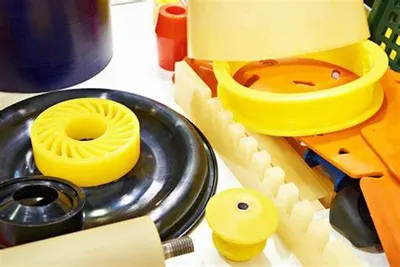
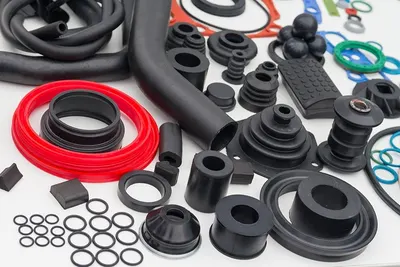
Based in Shenzhen, China, Shenzhen Hongye Siliocn Rubber Co. currently lists five active products in its catalogue. The company is classified as an imported supplier with a harbor trust tier. Its product portfolio falls under the silicone, raw rubber and synthetic rubber categories. The listed items are all variants of silicone rubber used in molding applications. The catalogue does not include raw or synthetic rubber items despite the broader category tags.
The five silicone products include liquid silicone rubber formulated for gypsum molds, a general‑purpose platinum‑cured silicone rubber, a platinum‑cured silicone specifically designed for tire molds, a silicone rubber for general mold making, and a silicone rubber formulated for pad printing. Each product is identified by its functional application rather than a grade designation. The listings reference standard silicone chemistry but do not provide detailed specifications such as Shore hardness or viscosity. The supplier’s catalogue groups these items under the broader silicone category, reflecting a focus on molding compounds.
Product Range and Specialties of Shenzhen Hongye Siliocn Rubber Co.
The catalogue covers five silicone‑based molding compounds: a liquid silicone for gypsum molds, a standard platinum‑cured silicone, a tire‑mold specific platinum cure, a general mold‑making silicone, and a pad‑printing silicone. In the broader industry, liquid silicone fluids are graded by viscosity (e.g., 10 - 1000 cSt) and purity, while platinum‑cured rubbers are classified by Shore A hardness (typically 20 - 80) and temperature resistance (up to 250 °C). Tire‑mold silicones often require higher tear strength and lower compression set, and pad‑printing silicones are formulated for low viscosity and rapid de‑gassing.
Buyers of silicone molding compounds usually request compliance with ISO 9001 quality management, REACH registration for EU markets, and, where relevant, FDA or USP <661> certification for food‑contact applications. Typical industry standards include ASTM D412 for tensile properties, ASTM D2240 for Shore hardness, and DIN 53130 for compression set. Suppliers often provide material safety data sheets (MSDS), technical data sheets (TDS), and batch‑level test reports to demonstrate conformity with these specifications.
Frequently Asked Questions About Shenzhen Hongye Siliocn Rubber Co.
What silicone products does Shenzhen Hongye Siliocn Rubber Co. list?
The supplier lists five silicone products: liquid silicone rubber for gypsum molds, a general‑purpose platinum‑cured silicone rubber, a platinum‑cured silicone rubber for tire molds, silicone rubber for general mold making, and pad‑printing silicone rubber.
Are there any certifications listed for these silicone rubbers?
The facts do not specify any certifications held by the supplier. Buyers should request REACH registration, ISO 9001 quality management and, where relevant, FDA or USP compliance certificates as part of the sourcing process.
What technical specifications should I request for these silicone rubbers?
Request viscosity (cSt), Shore A hardness range, cure temperature and time, tensile strength (ASTM D412) and compression set (DIN 53130). A material safety data sheet (MSDS) and a technical data sheet (TDS) are standard documents for verification.
What are the typical packaging options for silicone molding compounds?
In the industry, liquid silicone is commonly shipped in 200 L steel drums, while solid or paste‑type silicone is packed in bulk bags (up to 1 ton) or sealed cartons. Confirm the packaging size that matches your handling and storage capabilities.
Which markets typically import silicone rubber from China?
Major import markets include automotive tire manufacturers in Europe, medical device producers in North America, electronics encapsulation firms in Southeast Asia, and consumer‑goods companies worldwide.
ChinaRelated Suppliers & Products
Explore similar suppliers, related products and trending categories