Shenzhen Boyoud Industry Co., Ltd. — Supplier
About Shenzhen Boyoud Industry Co., Ltd. - Mosquito Coils, Insect Repellents Supplier in China
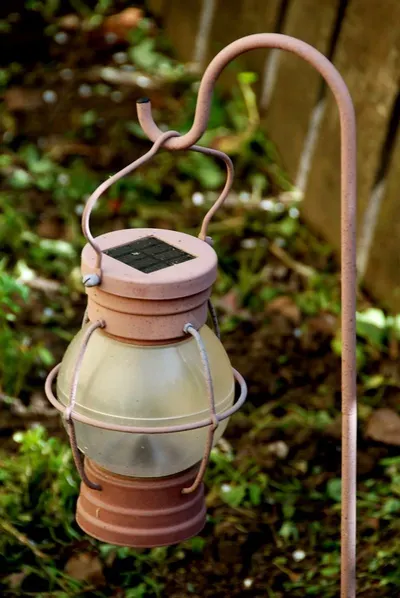
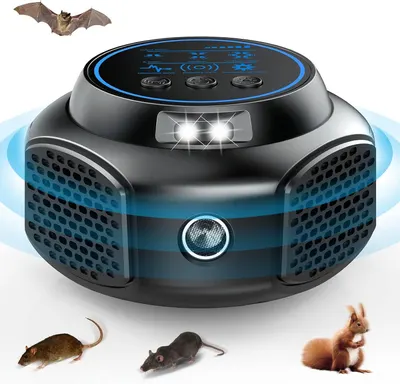
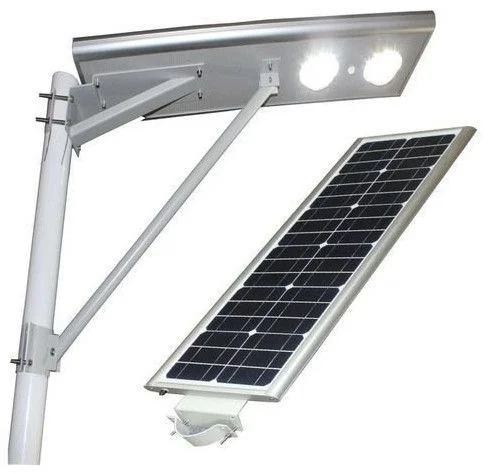
Shenzhen Boyoud Industry Co., Ltd. is based in Shenzhen, China and currently lists 31 active products across its catalogue. The company’s portfolio focuses on electronic pest‑control devices, solar‑powered repellers and a selection of adhesive‑based insect traps. Each item is classified under broad HS‑code families for electrical equipment (chapter 85) or for chemical/adhesive products (chapter 38). The catalogue includes both indoor and outdoor solutions such as mosquito‑killing lamps, ultrasonic pest repellers and solar‑driven animal deterrents. Product titles reference specific functions - for example, “Eco‑friendly Efficient Mosquito Killer Lamp” or “Solar Ultrasonic Animal Repeller Bird Repeller” - indicating the mix of UV light, ultrasonic frequency and solar charging technologies employed.
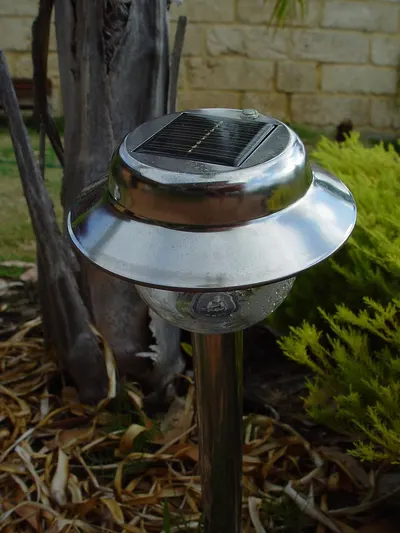
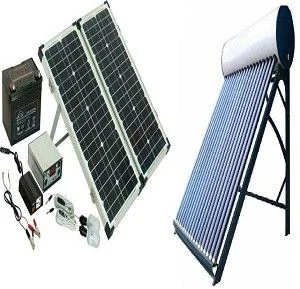
The listed items cover several sub‑categories: UV mosquito lamps, ultrasonic speaker‑type repellents, solar‑powered animal and insect deterrent units, battery‑driven mole and snake repellers, and glue‑based insect traps. Many devices combine LED illumination with UV wavelengths in the 350‑370 nm range to attract insects, while ultrasonic models typically emit frequencies between 20 kHz and 30 kHz to deter rodents and larger pests. Solar models are equipped with 2‑5 W photovoltaic panels and rechargeable Li‑ion or Ni‑MH batteries sized for 8‑12 hours of continuous operation. The glue traps use non‑toxic adhesive sheets compatible with indoor or outdoor deployment. All products are electrically powered and therefore fall under the electrical machinery HS classification, while the adhesive trap aligns with chemical product codes.
Product Range and Specialties of Shenzhen Boyoud Industry Co., Ltd.
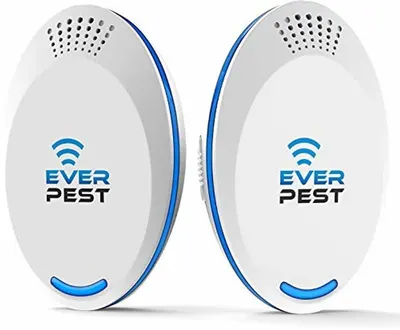
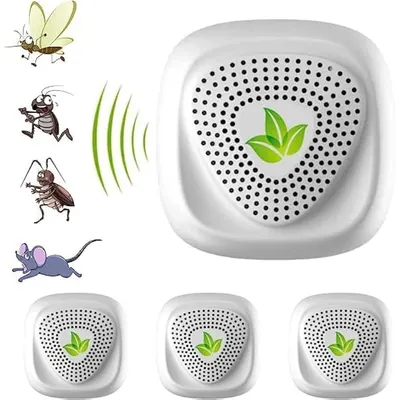
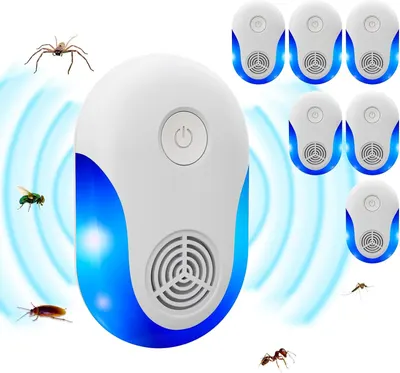
The catalogue presents a variety of mosquito‑killing lamps that rely on UV LED arrays, often rated between 5 W and 15 W, with built‑in night‑light LEDs of 0.5‑2 W. Typical specifications include a power source of 110‑240 V AC or 5 V DC via USB, and a protective IP44 rating for outdoor use. Ultrasonic pest repellers in the list use piezoelectric transducers that generate sound waves at 20‑25 kHz; power consumption is usually under 3 W, and many models incorporate dual‑speaker designs for broader coverage. Solar‑powered models combine a 2‑W to 5‑W solar panel with a 2000‑3000 mAh battery, delivering up to 10 hours of operation per charge. Glue‑based insect traps employ a polymer adhesive matrix with a tensile strength of 0.2‑0.4 MPa, designed for placement on walls or floors. These product families correspond to standard industry grades such as IEC 60598 for lamp safety, IEC 60721 for environmental conditions, and IEC 60335 for household appliances.
In the broader market, mosquito lamps are graded by UV output (measured in µW/cm²) and are often required to meet CE and RoHS directives for electronic safety and hazardous substance limits. Ultrasonic devices are evaluated for frequency stability and sound pressure level (SPL) - typical SPL values range from 85 dB to 100 dB at 1 m. Solar outdoor units are tested for water ingress (IP44‑IP65) and battery cycle life (minimum 300 cycles). Adhesive traps are assessed for adhesive durability under temperature ranges of - 10 °C to 40 °C. These benchmarks help buyers compare product performance across manufacturers.
Trade and Export Information - Shenzhen Boyoud Industry Co., Ltd.
China is a major exporter of electronic pest‑control equipment, with the majority of shipments destined for North America, Europe and Southeast Asia. Devices that incorporate UV LEDs, ultrasonic transducers or solar panels are classified under HS chapter 85 (electrical machinery) and often require CE marking for the EU and UL certification for the United States. Buyers typically request test reports for IEC 60598 compliance, RoHS conformity statements and, where applicable, FCC ID for wireless or radio‑frequency components. Packaging is generally in sturdy cardboard boxes, 20 kg per 40 ft container for lamp units, while smaller ultrasonic units are packed at 10 kg per 20 ft container. Common Incoterms used by Chinese exporters include FOB Shenzhen, CIF Shanghai or DDP for regional hubs, with cargo consolidated into standard 20‑foot or 40‑foot containers.
Export controls for electronic devices from China require compliance with the Ministry of Commerce’s export licensing for certain high‑frequency components, though most pest‑control products fall under low‑risk categories. Importers in the EU must verify CE Declaration of Conformity and may be subject to REACH registration for any chemical adhesives. In the United States, the Consumer Product Safety Commission (CPSC) may require additional safety testing for devices intended for household use. Logistics providers often advise using anti‑static inner liners for LED lamps and moisture‑resistant pallets for solar‑panel units to prevent damage during sea freight.
Sourcing from Shenzhen Boyoud Industry Co., Ltd. - Buyer Guidance
When sourcing from Shenzhen Boyoud Industry Co., Ltd., request the latest CE Declaration of Conformity and RoHS compliance certificates for all electrically powered items. For ultrasonic repellers, ask for a frequency verification report and SPL measurement data to ensure the device operates within the advertised 20‑25 kHz band. Solar‑powered units should be accompanied by a performance test sheet showing panel wattage, battery capacity (mAh) and charge‑discharge cycle results. Verify that glue traps include a safety data sheet (SDS) for the adhesive formulation, especially if the product will be used in food‑handling environments. Samples are commonly provided in 1‑unit quantities; confirm the MOQ, lead time (typically 15‑30 days after order confirmation) and preferred packaging dimensions before placing a bulk order.
Frequently Asked Questions About Shenzhen Boyoud Industry Co., Ltd.
What types of pest‑control devices does Shenzhen Boyoud Industry Co., Ltd. list?
The supplier lists UV‑based mosquito killing lamps, ultrasonic pest repellers, solar‑powered animal and insect deterrent units, battery‑driven mole and snake repellers, and adhesive insect traps.
Which HS chapter generally applies to the supplier’s electronic pest‑control products?
Electronic lamps and ultrasonic devices fall under HS chapter 85 (electrical machinery), while adhesive traps align with HS chapter 38 (chemical products).
What performance specifications should a buyer verify for the mosquito killing lamps?
Buyers should check UV wavelength (typically 350‑370 nm), power consumption (5‑15 W), night‑light LED output (0.5‑2 W), IP rating (IP44 or higher) and compliance with IEC 60598 safety standards.
Are certifications required for the ultrasonic repellers?
Typical requirements include CE marking for the EU, RoHS compliance for hazardous substances, and a frequency stability report confirming operation at 20‑25 kHz with SPL around 85‑100 dB at 1 m.
What documentation is needed for the solar‑powered animal repellers?
Buyers should request a CE Declaration of Conformity, a solar panel performance sheet (panel wattage, voltage, current), battery capacity (mAh), and a water‑ingress rating (IP44‑IP65).
How are the adhesive insect traps classified and what safety data is needed?
They are classified under HS chapter 38 and should be accompanied by a safety data sheet (SDS) detailing the adhesive composition, toxicity limits and handling instructions.
What are typical packaging and container sizes for these products?
Lamps and larger units are usually packed in 20 kg cartons suitable for 20‑ft or 40‑ft containers; smaller ultrasonic or battery‑driven devices are packed at about 10 kg per 20‑ft container, often with anti‑static liners.
What lead times and minimum order quantities are common for this supplier?
Lead times are generally 15‑30 days after order confirmation, and minimum order quantities range from a single sample unit to batch sizes of 100‑500 pieces depending on the product type.




 , China