Shemuel Exports — Verified Supplier
About Shemuel Exports - Coco Peat & Coir Pith Supplier in India
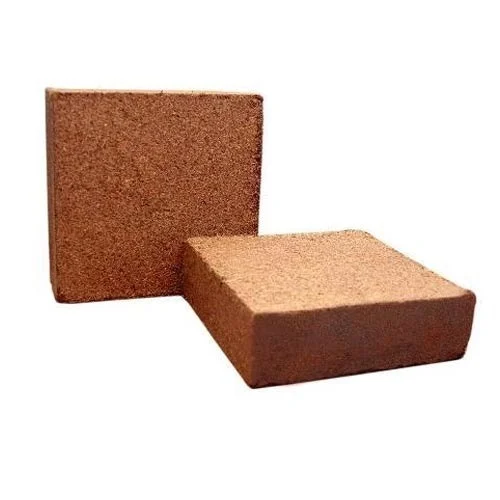
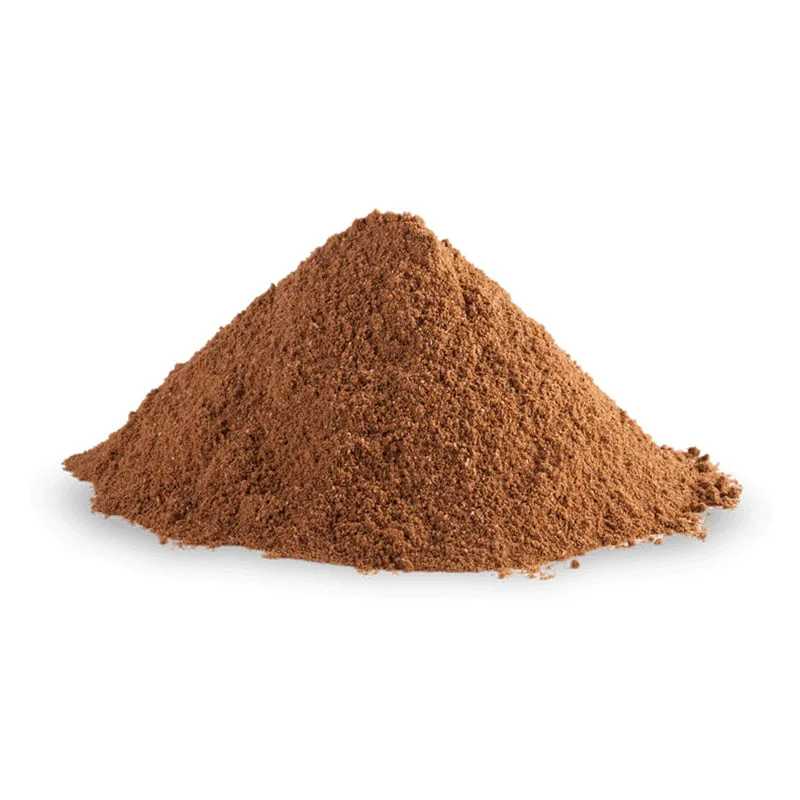
Shemuel Exports operates from India and currently lists five active products. The catalogue includes Coir Yarn (HS 5307.10, made from coconut coir fiber), Curled Coir Rope, High EC Coco Peat, Low EC Coco Peat, and Coir Fiber. These items fall under the broader categories of Coco Peat & Coir Pith, Coir Yarn, Ropes/Twines, and Coir Fibers. The supplier’s product list reflects typical Indian coir output, with both high and low electrical conductivity variants of coco peat for horticultural use. All products are described using the material source - coconut husk (Cocos nucifera).
The Coir Yarn entry specifies the HS code 5307.10, which classifies yarn and twine made from coir fiber. The remaining items are presented without HS codes in the supplied catalogue, but they correspond to standard HS headings for coir rope (5308), coir peat (1211.90) and coir fiber (5309). Shemuel Exports does not list any certifications in the provided data.
Product Range and Specialties of Shemuel Exports
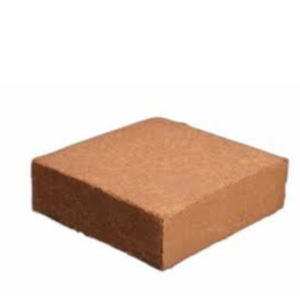
Coir Yarn from India is typically supplied in linear densities ranging from 0.5 to 2.5 tex, with tensile strength between 15 and 25 MPa and moisture content below 12 %. Buyers often request specifications such as twist per inch and UV resistance for outdoor applications. Curled coir rope is commonly produced in diameters of 6 mm to 20 mm, with a breaking load of 200 kg to 1 ton, and conforms to the HS 5308 classification. High EC coco peat generally exhibits an electrical conductivity of 1.5 - 3.0 dS m⁻¹, bulk density around 0.2 g cm⁻³, and moisture retention above 70 %, while low EC variants target EC below 0.5 dS m⁻¹ for seedling propagation. Coir fiber is sold in lengths of 15 - 30 mm with a lignin content of 30‑35 % and is used for geotextiles, mattresses, and composite panels.
Trade and Export Information - Shemuel Exports
India ranks among the top global exporters of coir products, with the United States, the United Arab Emirates, the United Kingdom, and Germany accounting for the largest share of shipments. Exporters usually ship coir yarn and rope in 20‑ft or 40‑ft containers, packed in polypropylene bags of 20 - 25 kg or in bulk bales for rope. HS chapter 53 (Natural rubber and gums) covers coir yarn (5307) and rope (5308), while HS 1211.90 is applied to peat and other horticultural substrates. Buyers typically require phytosanitary certificates, a certificate of origin, and compliance with ISO 9001 or the Indian Standard IS 1310 for coir products. Common Incoterms are FOB Indian ports such as Kandla or CIF to the buyer’s destination, with moisture‑proof packaging to prevent fungal growth.
Sourcing from Shemuel Exports - Buyer Guidance
When sourcing coir yarn or rope from Shemuel Exports, request a product data sheet that includes linear density, tensile strength, twist count, and moisture level, together with a recent laboratory test report conforming to ISO 9001 or the relevant Indian standard. For coco peat, ask for electrical conductivity (EC) values, bulk density, moisture retention, and a phytosanitary certificate confirming the product is free of soil‑borne pathogens. Verify the HS code on the commercial invoice matches the product (5307.10 for yarn, 5308 for rope, 1211.90 for peat) and confirm packaging dimensions to calculate container load. Samples of at least 5 kg per variant are standard practice before confirming a bulk order, and lead times for Indian coir products typically range from 30 to 45 days after order confirmation.
Frequently Asked Questions About Shemuel Exports
What HS codes apply to the products listed by Shemuel Exports?
The catalogue provides HS 5307.10 for Coir Yarn. Exporters of coir rope usually use HS 5308, coco peat falls under HS 1211.90, and raw coir fiber is classified under HS 5309. Verify the specific code on the commercial invoice for each item.
Which specifications should I request for Coir Yarn?
Ask for linear density (tex), tensile strength (MPa), twist per inch, and moisture content (%). A recent laboratory test report that meets ISO 9001 or the Indian standard IS 1310 is advisable.
What are the typical EC ranges for High EC and Low EC coco peat?
High EC coco peat is generally in the range of 1.5 - 3.0 dS m⁻¹, while Low EC variants are below 0.5 dS m⁻¹. Both grades should include bulk density and moisture retention data.
Which certifications are commonly required for Indian coir exports?
Buyers often request ISO 9001 quality management certification, phytosanitary certificates, and a certificate of origin. The Indian Standard IS 1310 for coir products is also frequently cited.
What packaging formats are used for coir rope?
Coir rope is typically packed in polypropylene bags of 20 - 25 kg or in bulk bales for larger shipments. Containers are loaded to a gross weight of 18 - 20 metric tons, depending on rope diameter.
What is the usual lead time for orders from Shemuel Exports?
Lead times for Indian coir products generally range from 30 to 45 days after order confirmation, depending on product type and required documentation.
How can I arrange a sample before placing a full order?
Request a 5 kg sample of the desired variant, specifying FOB shipping from an Indian port. The supplier should provide a pro‑forma invoice and sample test report before the full order is placed.




 , India