Sharjah Cement Factory — Verified Supplier

About Sharjah Cement Factory - Cement Supplier in United Arab Emirates

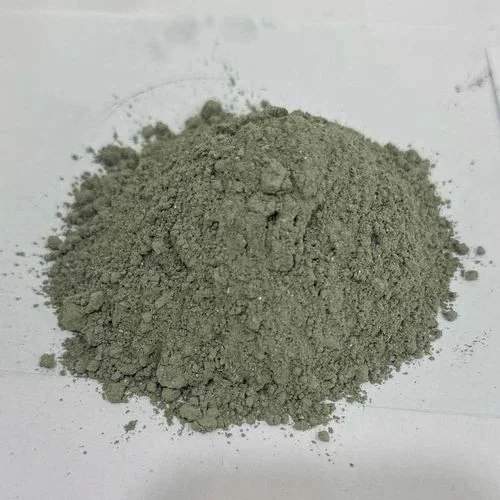
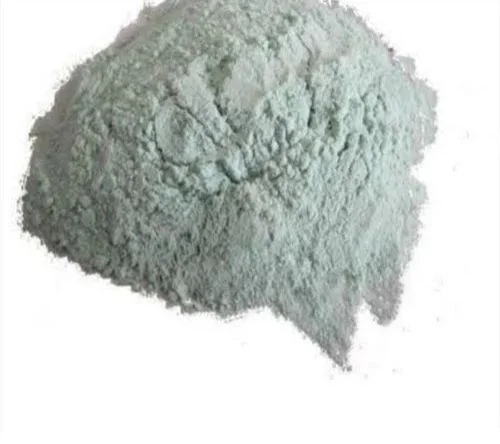
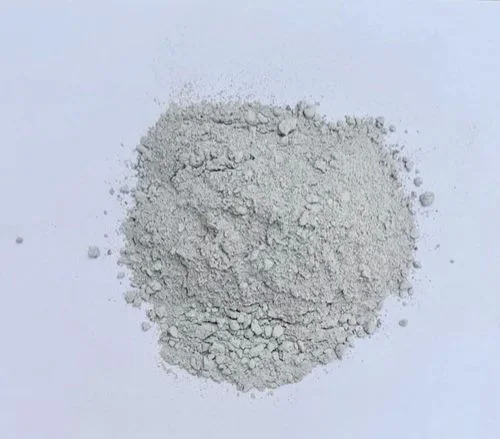
United Arab Emirates, Sharjah region hosts Sharjah Cement Factory which lists six active products in its catalogue. The portfolio includes standard Portland Cement, two sulfate‑resisting Portland Cement grades, Class "G" and Class "A" oil‑well cements, and Ground Granulated Blast Furnace Slag. Each cement product falls under HS chapter 25, specifically HS code 2523.90, while the slag is classified under HS code 2618.00. The catalogue distinguishes the hydraulic cement types by their intended applications, such as general construction and oil‑well drilling, and provides a separate material description for the slag as a supplementary cementitious material.

The supplier’s Portland Cement line follows the conventional classification used in the industry, while the sulfate‑resisting variants are formulated for environments with high sulfate exposure. Class "G" oil‑well cement is compliant with API Spec 10A, offering high early strength and low permeability, whereas Class "A" is designed for standard well‑bore applications. Ground Granulated Blast Furnace Slag is presented as a finely ground pozzolanic material commonly used to replace a portion of clinker in blended cements. No additional company history, employee numbers, or revenue figures are provided in the source data.

Product Range and Specialties of Sharjah Cement Factory

Sharjah Cement Factory’s catalogue covers five cement grades and one supplementary material. The Portland Cement and its two sulfate‑resisting versions align with ASTM C150 Type I, II, and V specifications, typically delivered in 50 kg bags or bulk silos. The Class "G" oil‑well cement meets API Spec 10A requirements, which include compressive strength of at least 35 MPa at 150 °C and a minimum 10‑day set time. Class "A" oil‑well cement follows the same API framework but is optimized for lower temperature wells. Ground Granulated Blast Furnace Slag (GGBS) is generally produced to ASTM C1157 standards, with a fineness of about 45 µm and chemical composition that allows up to 50 % replacement of Portland clinker in blended cements. Industry buyers often request material safety data sheets, ASTM test reports, and API certification for these products.

Trade and Export Information - Sharjah Cement Factory

The United Arab Emirates is a regional hub for cement and slag exports to the Gulf Cooperation Council, East Africa, South Asia, and parts of Europe. HS code 2523.90 covers hydraulic cements, which are subject to customs inspections for moisture content and bulk density, while HS code 2618.00 for blast furnace slag requires verification of chemical composition and free‑lime content. Typical certifications requested by importers include ISO 9001 quality‑management systems, ASTM compliance certificates for cement grades, and API 10A test reports for oil‑well cements. Shipments are commonly packed in 20‑foot or 40‑foot containers for bagged products, or in bulk carriers using sealed silos for large‑volume orders. Incoterms such as FOB Sharjah Port or CIF to the destination port are frequently used, with buyers arranging pre‑shipment inspection to confirm HS‑code classification and product specifications.

Sourcing from Sharjah Cement Factory - Buyer Guidance

Buyers should obtain a detailed product data sheet that lists 28‑day compressive strength, setting time, sulfate resistance index (ASTM C1012), and, for oil‑well cements, API 10A performance curves at elevated temperatures. Third‑party laboratory certificates confirming compliance with ASTM C150 (Portland cement) or ASTM C1157 (GGBS) are standard requests. Verification of the HS code on the commercial invoice helps avoid customs delays; buyers typically confirm the code 2523.90 for cement products and 2618.00 for slag. Minimum order quantities are often expressed in metric tonnes - e.g., a full 20‑ft container holds roughly 20 t of bagged cement - so buyers should confirm container loading plans and packaging integrity before finalizing the order.

Frequently Asked Questions About Sharjah Cement Factory

What cement grades does Sharjah Cement Factory offer?

The catalogue lists standard Portland Cement, two sulfate‑resisting Portland Cement grades, Class "G" oil‑well cement and Class "A" oil‑well cement, each classified under HS code 2523.90.

Is the oil‑well cement compliant with industry standards?

Both Class "G" and Class "A" are described as complying with API Spec 10A, which specifies strength, permeability and set‑time requirements for drilling operations.

What is the material used for the slag product?

The slag product is Ground Granulated Blast Furnace Slag (GGBS) and is listed under HS code 2618.00.

Which certifications should a buyer request for these products?

Buyers typically request ISO 9001 quality‑management certification, ASTM test reports for cement grades, and API 10A certification for oil‑well cement. GGBS should be accompanied by an ASTM C1157 report.

What are the common packaging formats for the cement products?

Cement is commonly shipped in 50 kg bags suitable for 20‑ft or 40‑ft containers, while bulk orders may be loaded into sealed silos for maritime transport.

What HS codes apply to the listed products?

All cement products, including Portland and oil‑well cements, use HS code 2523.90; the ground granulated blast furnace slag uses HS code 2618.00.

What typical lead time and minimum order size should a buyer expect?

Lead times vary but often range from 30 to 45 days from order confirmation. Minimum orders are usually set at one full container load, roughly 20 tonnes for bagged cement.

How are these products typically shipped internationally?

Export shipments use standard Incoterms such as FOB Sharjah Port or CIF to the buyer’s destination, with cargo packed in containers for bagged cement or bulk carriers for large‑volume slag deliveries.


Featured Products from this Supplier

Other Suppliers in Primary Category

Top Trusted Suppliers

Related Products

Trending in Parent Category

More Suppliers in Category

Related Products

Other Suppliers

EximNext
58.5K+ live requirements
Register Free🎁 Reach verified global buyers
Post Requirement
🌍 Trusted by 224.6K+ businesses in 200+ countries|
58.5K+ active requirements right now
✉️ [email protected]
|
Sell on EximNextPost Requirement
EximNext
AgricultureApparelConstructionElectronicFoodHomeIndustrialMineralsMiscellaneous
🔥 Deals|✨ AI Match|🏭 Suppliers|📋 Buy Leads|💰 Trade Finance
58.5K+ live RFQs·194.6K+ suppliers
🎁 Reach global buyers →
EximNext
EximNext
Register Free
🎁 Reach verified global buyers
Sign In
📋Post Requirement💬Get QuotesAI Match📋RFQ Marketplace
All Categories
Services & Tools
🏭Supplier Directory🔥Today's Deals💰Trade Finance
Sell on EximNext
AboutContactBlogHelp
🏭

Sharjah Cement Factory

Harbor
Country flag , United Arab Emirates
🛡️
54/100
Trust Score

Sharjah Cement Factory Product Catalog

Showing 6 of 6 products
View all products →
Ground Granulated Blast Furnace Slag
Harbor
Ground Granulated Blast Furnace Slag
Contact
MOQ: 1 Unit
Moderate Sulfate Resisting Portland Cement
Harbor
Moderate Sulfate Resisting Portland Cement
Contact
MOQ: 1 Unit
Class "G" Oil Well Cement
Harbor
Class "G" Oil Well Cement
Contact
MOQ: 1 Unit
Class "A" Oil Well Cement
Harbor
Class "A" Oil Well Cement
Contact
MOQ: 1 Unit
Portland Cement
Harbor
Portland Cement
Contact
MOQ: 1 Unit
Sulfate-resisting Portland Cement
Harbor
Sulfate-resisting Portland Cement
Contact
MOQ: 1 Unit

About Sharjah Cement Factory - Cement Supplier in United Arab Emirates

United Arab Emirates, Sharjah region hosts Sharjah Cement Factory which lists six active products in its catalogue. The portfolio includes standard Portland Cement, two sulfate‑resisting Portland Cement grades, Class "G" and Class "A" oil‑well cements, and Ground Granulated Blast Furnace Slag. Each cement product falls under HS chapter 25, specifically HS code 2523.90, while the slag is classified under HS code 2618.00. The catalogue distinguishes the hydraulic cement types by their intended applications, such as general construction and oil‑well drilling, and provides a separate material description for the slag as a supplementary cementitious material.

The supplier’s Portland Cement line follows the conventional classification used in the industry, while the sulfate‑resisting variants are formulated for environments with high sulfate exposure. Class "G" oil‑well cement is compliant with API Spec 10A, offering high early strength and low permeability, whereas Class "A" is designed for standard well‑bore applications. Ground Granulated Blast Furnace Slag is presented as a finely ground pozzolanic material commonly used to replace a portion of clinker in blended cements. No additional company history, employee numbers, or revenue figures are provided in the source data.

Product Range and Specialties of Sharjah Cement Factory

Sharjah Cement Factory’s catalogue covers five cement grades and one supplementary material. The Portland Cement and its two sulfate‑resisting versions align with ASTM C150 Type I, II, and V specifications, typically delivered in 50 kg bags or bulk silos. The Class "G" oil‑well cement meets API Spec 10A requirements, which include compressive strength of at least 35 MPa at 150 °C and a minimum 10‑day set time. Class "A" oil‑well cement follows the same API framework but is optimized for lower temperature wells. Ground Granulated Blast Furnace Slag (GGBS) is generally produced to ASTM C1157 standards, with a fineness of about 45 µm and chemical composition that allows up to 50 % replacement of Portland clinker in blended cements. Industry buyers often request material safety data sheets, ASTM test reports, and API certification for these products.

Trade and Export Information - Sharjah Cement Factory

The United Arab Emirates is a regional hub for cement and slag exports to the Gulf Cooperation Council, East Africa, South Asia, and parts of Europe. HS code 2523.90 covers hydraulic cements, which are subject to customs inspections for moisture content and bulk density, while HS code 2618.00 for blast furnace slag requires verification of chemical composition and free‑lime content. Typical certifications requested by importers include ISO 9001 quality‑management systems, ASTM compliance certificates for cement grades, and API 10A test reports for oil‑well cements. Shipments are commonly packed in 20‑foot or 40‑foot containers for bagged products, or in bulk carriers using sealed silos for large‑volume orders. Incoterms such as FOB Sharjah Port or CIF to the destination port are frequently used, with buyers arranging pre‑shipment inspection to confirm HS‑code classification and product specifications.

Sourcing from Sharjah Cement Factory - Buyer Guidance

Buyers should obtain a detailed product data sheet that lists 28‑day compressive strength, setting time, sulfate resistance index (ASTM C1012), and, for oil‑well cements, API 10A performance curves at elevated temperatures. Third‑party laboratory certificates confirming compliance with ASTM C150 (Portland cement) or ASTM C1157 (GGBS) are standard requests. Verification of the HS code on the commercial invoice helps avoid customs delays; buyers typically confirm the code 2523.90 for cement products and 2618.00 for slag. Minimum order quantities are often expressed in metric tonnes - e.g., a full 20‑ft container holds roughly 20 t of bagged cement - so buyers should confirm container loading plans and packaging integrity before finalizing the order.

Frequently Asked Questions About Sharjah Cement Factory

What cement grades does Sharjah Cement Factory offer?

The catalogue lists standard Portland Cement, two sulfate‑resisting Portland Cement grades, Class "G" oil‑well cement and Class "A" oil‑well cement, each classified under HS code 2523.90.

Is the oil‑well cement compliant with industry standards?

Both Class "G" and Class "A" are described as complying with API Spec 10A, which specifies strength, permeability and set‑time requirements for drilling operations.

What is the material used for the slag product?

The slag product is Ground Granulated Blast Furnace Slag (GGBS) and is listed under HS code 2618.00.

Which certifications should a buyer request for these products?

Buyers typically request ISO 9001 quality‑management certification, ASTM test reports for cement grades, and API 10A certification for oil‑well cement. GGBS should be accompanied by an ASTM C1157 report.

What are the common packaging formats for the cement products?

Cement is commonly shipped in 50 kg bags suitable for 20‑ft or 40‑ft containers, while bulk orders may be loaded into sealed silos for maritime transport.

What HS codes apply to the listed products?

All cement products, including Portland and oil‑well cements, use HS code 2523.90; the ground granulated blast furnace slag uses HS code 2618.00.

What typical lead time and minimum order size should a buyer expect?

Lead times vary but often range from 30 to 45 days from order confirmation. Minimum orders are usually set at one full container load, roughly 20 tonnes for bagged cement.

How are these products typically shipped internationally?

Export shipments use standard Incoterms such as FOB Sharjah Port or CIF to the buyer’s destination, with cargo packed in containers for bagged cement or bulk carriers for large‑volume slag deliveries.

About Sharjah Cement Factory - Cement Supplier in United Arab Emirates

United Arab Emirates, Sharjah region hosts Sharjah Cement Factory which lists six active products in its catalogue. The portfolio includes standard Portland Cement, two sulfate‑resisting Portland Cement grades, Class "G" and Class "A" oil‑well cements, and Ground Granulated Blast Furnace Slag. Each cement product falls under HS chapter 25, specifically HS code 2523.90, while the slag is classified under HS code 2618.00. The catalogue distinguishes the hydraulic cement types by their intended applications, such as general construction and oil‑well drilling, and provides a separate material description for the slag as a supplementary cementitious material.

The supplier’s Portland Cement line follows the conventional classification used in the industry, while the sulfate‑resisting variants are formulated for environments with high sulfate exposure. Class "G" oil‑well cement is compliant with API Spec 10A, offering high early strength and low permeability, whereas Class "A" is designed for standard well‑bore applications. Ground Granulated Blast Furnace Slag is presented as a finely ground pozzolanic material commonly used to replace a portion of clinker in blended cements. No additional company history, employee numbers, or revenue figures are provided in the source data.

Product Range and Specialties of Sharjah Cement Factory

Sharjah Cement Factory’s catalogue covers five cement grades and one supplementary material. The Portland Cement and its two sulfate‑resisting versions align with ASTM C150 Type I, II, and V specifications, typically delivered in 50 kg bags or bulk silos. The Class "G" oil‑well cement meets API Spec 10A requirements, which include compressive strength of at least 35 MPa at 150 °C and a minimum 10‑day set time. Class "A" oil‑well cement follows the same API framework but is optimized for lower temperature wells. Ground Granulated Blast Furnace Slag (GGBS) is generally produced to ASTM C1157 standards, with a fineness of about 45 µm and chemical composition that allows up to 50 % replacement of Portland clinker in blended cements. Industry buyers often request material safety data sheets, ASTM test reports, and API certification for these products.

Trade and Export Information - Sharjah Cement Factory

The United Arab Emirates is a regional hub for cement and slag exports to the Gulf Cooperation Council, East Africa, South Asia, and parts of Europe. HS code 2523.90 covers hydraulic cements, which are subject to customs inspections for moisture content and bulk density, while HS code 2618.00 for blast furnace slag requires verification of chemical composition and free‑lime content. Typical certifications requested by importers include ISO 9001 quality‑management systems, ASTM compliance certificates for cement grades, and API 10A test reports for oil‑well cements. Shipments are commonly packed in 20‑foot or 40‑foot containers for bagged products, or in bulk carriers using sealed silos for large‑volume orders. Incoterms such as FOB Sharjah Port or CIF to the destination port are frequently used, with buyers arranging pre‑shipment inspection to confirm HS‑code classification and product specifications.

Sourcing from Sharjah Cement Factory - Buyer Guidance

Buyers should obtain a detailed product data sheet that lists 28‑day compressive strength, setting time, sulfate resistance index (ASTM C1012), and, for oil‑well cements, API 10A performance curves at elevated temperatures. Third‑party laboratory certificates confirming compliance with ASTM C150 (Portland cement) or ASTM C1157 (GGBS) are standard requests. Verification of the HS code on the commercial invoice helps avoid customs delays; buyers typically confirm the code 2523.90 for cement products and 2618.00 for slag. Minimum order quantities are often expressed in metric tonnes - e.g., a full 20‑ft container holds roughly 20 t of bagged cement - so buyers should confirm container loading plans and packaging integrity before finalizing the order.

Frequently Asked Questions About Sharjah Cement Factory
What cement grades does Sharjah Cement Factory offer?
The catalogue lists standard Portland Cement, two sulfate‑resisting Portland Cement grades, Class "G" oil‑well cement and Class "A" oil‑well cement, each classified under HS code 2523.90.
Is the oil‑well cement compliant with industry standards?
Both Class "G" and Class "A" are described as complying with API Spec 10A, which specifies strength, permeability and set‑time requirements for drilling operations.
What is the material used for the slag product?
The slag product is Ground Granulated Blast Furnace Slag (GGBS) and is listed under HS code 2618.00.
Which certifications should a buyer request for these products?
Buyers typically request ISO 9001 quality‑management certification, ASTM test reports for cement grades, and API 10A certification for oil‑well cement. GGBS should be accompanied by an ASTM C1157 report.
What are the common packaging formats for the cement products?
Cement is commonly shipped in 50 kg bags suitable for 20‑ft or 40‑ft containers, while bulk orders may be loaded into sealed silos for maritime transport.
What HS codes apply to the listed products?
All cement products, including Portland and oil‑well cements, use HS code 2523.90; the ground granulated blast furnace slag uses HS code 2618.00.
What typical lead time and minimum order size should a buyer expect?
Lead times vary but often range from 30 to 45 days from order confirmation. Minimum orders are usually set at one full container load, roughly 20 tonnes for bagged cement.
How are these products typically shipped internationally?
Export shipments use standard Incoterms such as FOB Sharjah Port or CIF to the buyer’s destination, with cargo packed in containers for bagged cement or bulk carriers for large‑volume slag deliveries.

🏭
Sharjah Cement Factory
Country flag , United Arab Emirates
Harbor
54/100
Trust Score
📦
6
Products
Free to contact — no commission
Escrow payment available
Verified business identity
Compare more suppliers
Post a requirement — get 10 quotes free
Let verified suppliers compete for your business. Free, fast, no commitment.
EximNext Verified Supplier
Business identity verified
Physical address confirmed
Financial history checked
Certifications authenticated
Trade references validated
Due Diligence
Verify this supplier's real shipping history.
Every shipment, every buyer, every port. Trade data that can't be faked.
Run due diligence →
Discover More

Related Suppliers & Products

Explore similar suppliers, related products and trending categories

Featured Products from this Supplier

Other Suppliers in Primary Category

Top Trusted Suppliers

Related Products

Trending in Parent Category

More Suppliers in Category

Stay ahead in global trade
Weekly market insights & new supplier alerts.
EximNext
Exim Next is a leading global B2B marketplace, connecting over 205,000 verified suppliers and buyers across 200+ countries. As a trusted import export marketplace, it serves as the essential B2B portal for businesses worldwide, empowering them to expand their international reach. With Exim Next, businesses can trade smarter and grow faster.
SECURE PAYMENTS
VISAMastercardPayPalSWIFTL/CEscrow
Follow us
© 2026 EximNext