Shanghai Elite Industrial Co Ltd — Verified Supplier
About Shanghai Elite Industrial Co Ltd - Industrial Hardware Supplier in China
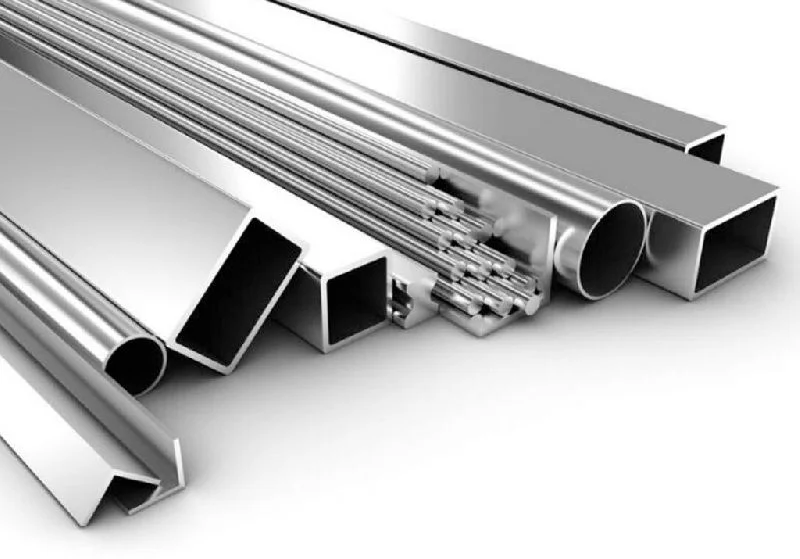
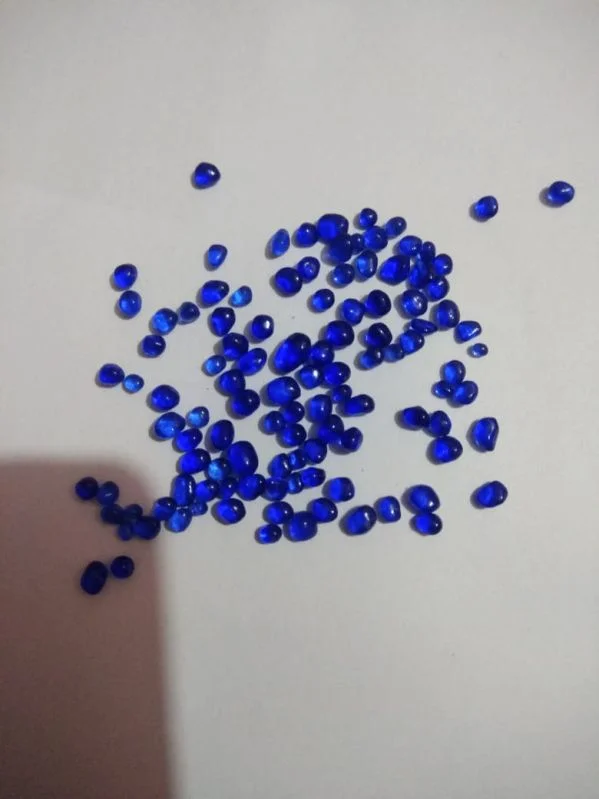
Shanghai Elite Industrial Co Ltd is based in China and lists 13 active products across glass, metal hardware and polymer composites. The catalogue spans “Other Type Of Glass”, aluminum hardware, brass and steel fittings, stainless steel pipe components and nylon‑based reinforced polymers. Several entries include HS codes such as 7412.20 for brass fittings, 7604.29 for aluminum parts, 7326.90 for stainless steel parts and 7302.90 for stainless steel grating. Materials are identified as brass alloy C36000/C38500, aluminium alloys 6061/6063/5052 and stainless grades 304, 316, 316L and 2205. The product list also mentions balustrades, grating and BIPV U‑channel systems without explicit HS codes.
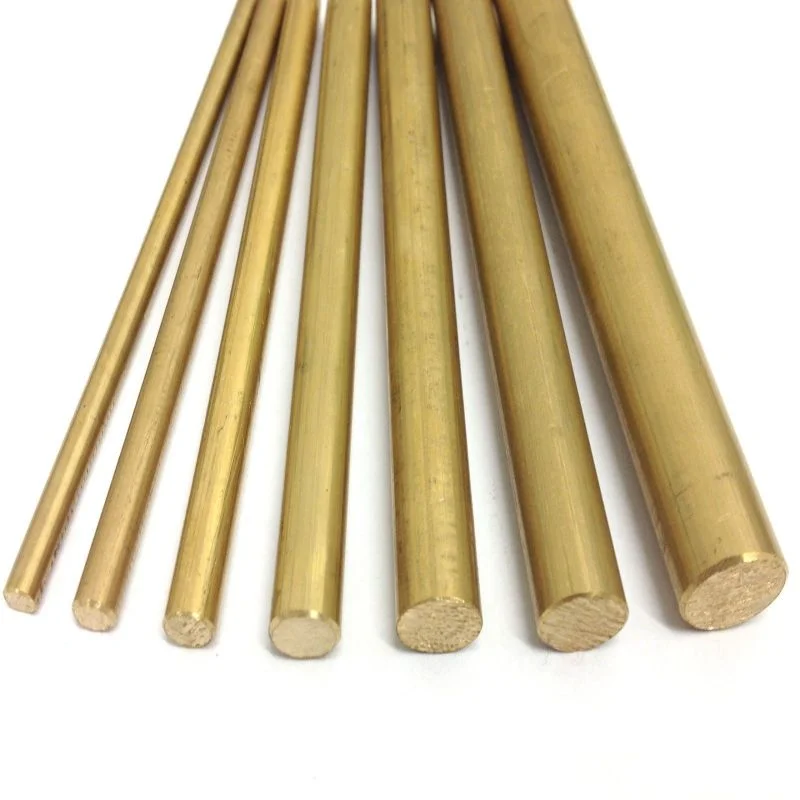
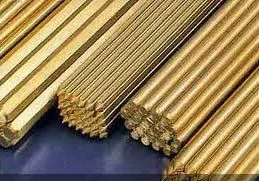
The listed items detail specific material compositions: brass alloy with 58‑62 % copper, 35‑41 % zinc and 1.5‑3 % lead, aluminium alloys commonly used in structural profiles, and stainless steel grades known for corrosion resistance. NylonPA66+glass fiber indicates a polyamide matrix reinforced with glass fibre, a common engineering polymer for high‑strength parts. The steel hardware includes galvanized carbon steel and stainless steel options, each assigned to HS chapters 7308 and 7306 respectively. The low‑iron pattern glass entry aligns with optical‑grade float glass used where high transparency is required. Together the catalogue reflects a focus on construction, architectural and industrial applications.
Product Range and Specialties of Shanghai Elite Industrial Co Ltd
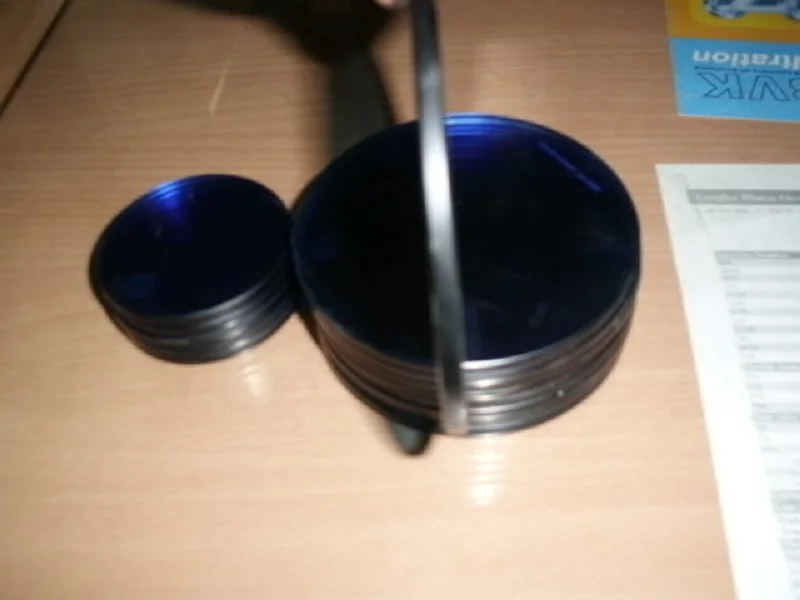
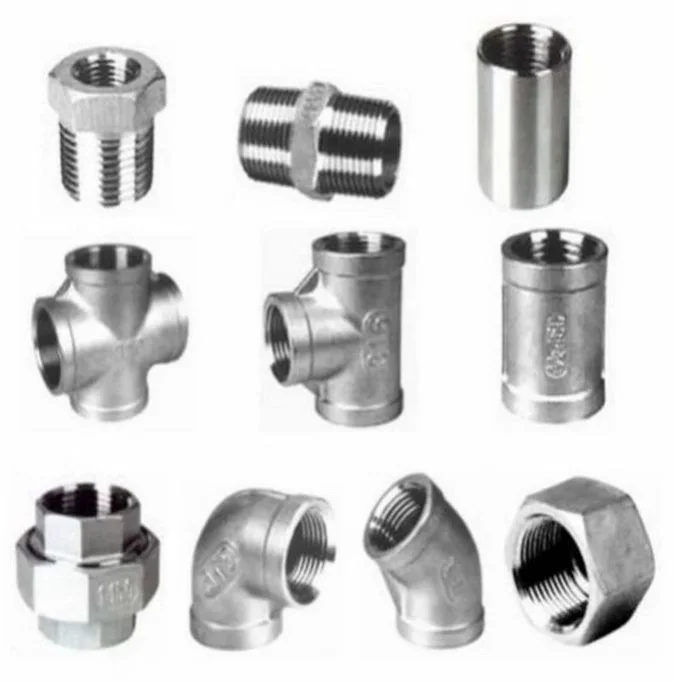
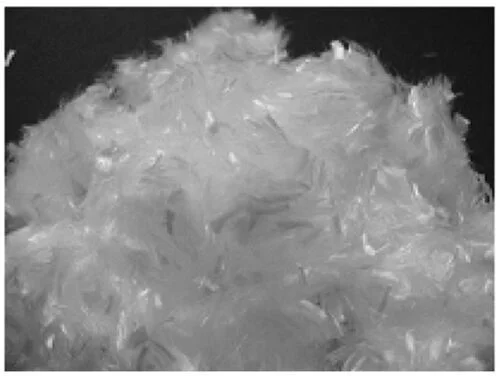
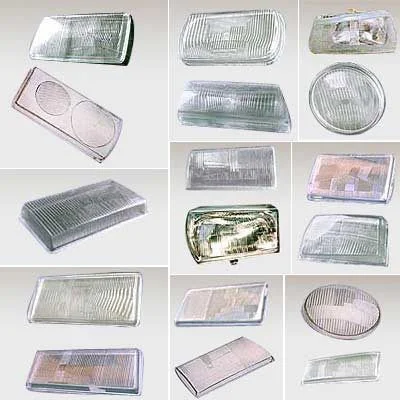
The catalogue offers low‑iron pattern glass, brass valves and fittings (HS 7412.20), aluminium parts and profiles (HS 7604.29, 7604.21), stainless‑steel parts, balustrades, fittings (HS 7307.29) and gratings (HS 7302.90, 7308.90), as well as a nylon PA66 + glass‑fiber composite. In the glass segment, low‑iron grades typically target an iron content below 0.5 % and meet IEC 60887 for flat glass. Brass fittings of alloy C36000/C38500 are free‑cutting grades meeting ASTM B221 standards for dimensional tolerance and lead content limits under REACH. Aluminium alloys 6061‑T6 and 6063‑T5 provide tensile strengths around 290 MPa and are common for extrusion profiles used in balustrades. Stainless‑steel grades 304 and 316/316L are specified for 0.08 %‑0.10 % carbon and provide 1,000‑1,200 hPa corrosion resistance in marine environments; duplex 2205 offers higher strength and pitting resistance. Nylon PA66 reinforced with glass fibre typically attains a tensile strength of 80‑100 MPa and is used for wear‑resistant components.
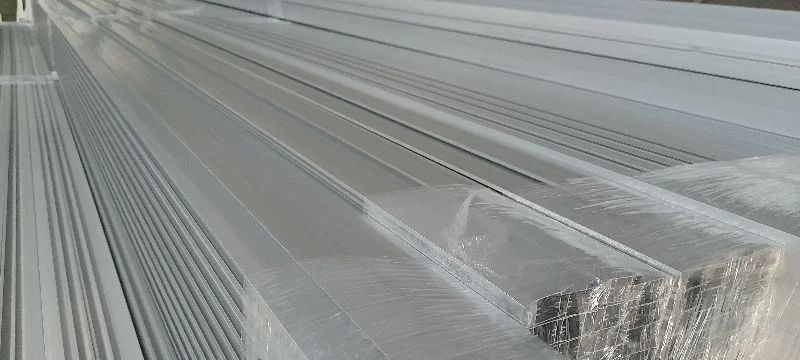
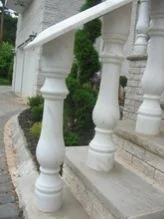
Industry practice for these categories includes offering dimensions in millimetre tolerances of ±0.5 mm for aluminium profiles, surface finishes such as anodised or powder‑coated for aluminium balustrades, and passivation or electropolishing for stainless‑steel fittings. Glass panels are shipped in protective wooden crates with anti‑shock film, while metal hardware is commonly palletised with anti‑rust coating documentation. Buyers often request mill‑test reports confirming chemical composition and mechanical properties for brass, aluminium and stainless steel items.
Trade and Export Information - Shanghai Elite Industrial Co Ltd
China remains a major exporter of construction‑related metal hardware and architectural glass, with primary destinations in Southeast Asia, the Middle East and Europe. HS 7412, 7604, 7307 and 7302 chapters are routinely inspected by customs for compliance with material composition declarations and, where applicable, REACH or RoHS limits on heavy metals. Exporters usually provide a Certificate of Origin, a Commercial Invoice and a Packing List, and may include ISO 9001 quality‑management certificates if available. Shipping of bulky items such as balustrades and gratings is typically arranged in 20‑ft or 40‑ft containers, using FOB Shanghai or CIF destination ports. For glass products, insurers often require a declared value and a transport‑insurance certificate due to breakage risk. Buyers in the construction sector frequently request CE conformity for hardware that will be installed in EU markets, while Middle‑East projects may ask for SGS inspection reports for metal grades.
Regulatory frameworks for brass fittings emphasize lead limits; the EU’s Restriction of Hazardous Substances (RoHS) caps lead at 0.1 % by weight, which is stricter than the 1.5‑3 % range listed, so buyers typically request a specific lead‑free certification. Stainless‑steel items intended for food‑processing or pharmaceutical plants must meet ASTM A240 or EN 10204 standards. Aluminium profiles destined for structural use often need to comply with EN 755‑2 for extruded products. These typical requirements shape the documentation that Chinese exporters, including Shanghai Elite, are expected to supply to international buyers.
Sourcing from Shanghai Elite Industrial Co Ltd - Buyer Guidance
When evaluating Shanghai Elite’s offerings, request mill‑test reports for brass (C36000/C38500) to verify copper, zinc and lead percentages, and for aluminium alloys to confirm the exact alloy designation (6061, 6063 or 5052) and temper condition. For stainless‑steel parts, ask for a chemical analysis confirming the grade (304, 316, 316L or 2205) and a corrosion‑resistance test report if the product will be used in marine or high‑humidity environments. Buyers should obtain a REACH compliance statement for brass fittings and a RoHS declaration for any component containing lead. Samples of low‑iron glass should be inspected for visual distortion, thickness uniformity (typically 4‑12 mm) and an iron content measurement below 0.5 %. For the nylon PA66 + glass‑fiber composite, request a tensile test result and a moisture‑absorption report, as these affect dimensional stability.
Before placing a bulk order, verify the packaging method: glass in double‑wall crates, metal parts on wood pallets with plastic wrap, and gratings in steel‑frame containers. Confirm the supplier’s standard Incoterm (e.g., FOB Shanghai) and ask for a draft commercial invoice showing HS codes, unit values and country of origin. Establish a clear MOQ - often 500 kg for metal bulk items or 10 m² for glass panels - and agree on lead times, which for China‑based manufacturers typically range from 30 to 60 days after order confirmation.
Frequently Asked Questions About Shanghai Elite Industrial Co Ltd
What HS codes are associated with the brass fittings offered by Shanghai Elite?
The brass fittings are listed under HS code 7412.20, which covers other brass articles.
Which aluminium alloy standards apply to the aluminium parts and profiles?
The aluminium parts use alloy 6061/6063/5052 and the profiles are specified as 6063‑T5 or 6061‑T6, conforming to ASTM B221 and EN‑755‑2 for extruded products.
What stainless‑steel grades are available for the grating and fittings?
Stainless‑steel grating and fittings are supplied in grades 304, 316 and 316L, with the grating also offered in duplex grade 2205 for higher strength applications.
Is a lead‑free certification required for the brass valve?
Buyers typically request a REACH or RoHS statement confirming that lead content meets the applicable limit, as the listed alloy contains up to 3 % lead.
What documentation should be requested for the low‑iron pattern glass?
A mill‑test report showing iron content below 0.5 %, a certificate of origin and compliance with IEC 60887 for flat glass are standard documents.
How are the stainless‑steel and galvanized steel gratings packaged for export?
Both gratings are usually packed on wooden pallets, wrapped in moisture‑resistant film, and loaded into 20‑ft or 40‑ft containers with interior bracing to prevent movement.
What are typical lead times for aluminium balustrade orders?
Lead times for aluminium balustrades from Chinese manufacturers generally range from 35 to 55 days after order confirmation, depending on size and finish.
Which certifications are commonly required for exporting these hardware products from China?
Exporters often provide ISO 9001 quality‑management certificates, CE conformity declarations for EU markets, and SGS inspection reports for material composition.




 , China