Agriculture›
 Apparel and fashion accessories›
 Construction & real estate›💡Electronic & Electrical›🍎Food & Beverages›🛋️Home furnishing & supplies›⚗️Industrial goods & chemical›🪨Minerals & metals›📦Miscellaneous›Agriculture›Apparel and fashion accessories›Construction & real estate›💡Electronic & Electrical›🍎Food & Beverages›🛋️Home furnishing & supplies›⚗️Industrial goods & chemical›🪨Minerals & metals›📦Miscellaneous›
Shandong Shituo High Molecular Weight Material Co., Ltd.
⚓ Harbor , ChinaNew supplier / no reviews yet
Shandong Shituo High Molecular Weight Material Co., Ltd. Product Catalog
About Shandong Shituo High Molecular Weight Material Co., Ltd. - Polyvinyl Chloride (PVC) Supplier in China
China, specifically Shandong province, hosts five active product listings from Shandong Shituo High Molecular Weight Material Co., Ltd. The catalogue includes PVC processing aid YM series, acrylic processing aid PA-828, PVC impact modifier YM-355, PVC lubricant modifier YM-175, and K‑125 acrylic processing aid. These items fall under the broader categories of Polyvinyl Chloride (PVC) additives and masterbatch compounds, reflecting the supplier’s focus on polymer processing enhancers. The product titles indicate a mix of processing aids, impact modifiers, and lubricant modifiers that are typical inputs for PVC resin formulation.
The listed products are generally classified under HS chapter 39, with PVC additives commonly using HS code 3916 for compounds and mixtures. Such additives are used in extrusion, injection molding, and profile extrusion to improve flow, impact resistance, and processing stability. The catalogue’s emphasis on both PVC‑specific and acrylic‑based aids suggests compatibility with a range of PVC grades, from rigid to flexible formulations. Buyers can expect these materials to be supplied in bulk packaging suitable for large‑scale manufacturing.
Product Range and Specialties of Shandong Shituo High Molecular Weight Material Co., Ltd.
The five catalogue items consist of two acrylic‑based processing aids (PA‑828 and K‑125) and three PVC‑focused additives (YM series processing aid, YM‑355 impact modifier, and YM‑175 lubricant modifier). In the PVC industry, processing aids are typically low‑molecular‑weight compounds added at 0.1 - 0.5 % by weight to lower melt viscosity and improve extrusion stability. Acrylic processing aids often target clarity and surface finish, with usage rates of 0.2 - 0.8 % and melt flow index (MFI) values between 5 and 30 g/10 min. Impact modifiers such as rubber‑based or core‑shell types are specified by Izod impact values, frequently exceeding 30 kJ/m² at - 20 °C. Lubricant modifiers are evaluated by melt torque reduction and may be supplied with a viscosity index of 80 - 120. Typical specifications for these categories include compliance with ISO 1629 for plasticizers and ISO 1133 for melt flow testing.
Frequently Asked Questions About Shandong Shituo High Molecular Weight Material Co., Ltd.
What types of PVC additives are listed in the supplier’s catalogue?
The catalogue includes a PVC processing aid (YM series), a PVC impact modifier (YM‑355), and a PVC lubricant modifier (YM‑175), each formulated for use in PVC compound formulations.
What acrylic processing aids does the supplier offer?
Two acrylic‑based aids are listed: PA‑828 and K‑125, both intended to improve flow and surface properties in PVC or acrylic resin systems.
Which HS codes are typically applied to these products?
PVC additives and masterbatches are generally classified under HS code 3916, while pure acrylic processing aids may also fall under the same chapter for polymer compounds.
What certifications should a buyer verify for PVC additives from China?
Buyers should request ISO 9001 quality management certification, REACH registration for the EU, and RoHS compliance if the end use involves electronic equipment.
What packaging formats are common for bulk shipments of these additives?
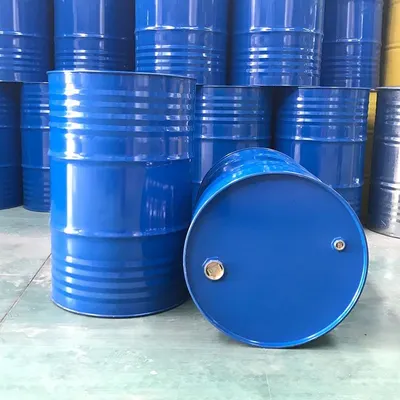
Bulk shipments are usually packed in 20‑ft or 40‑ft containers, with inner packaging in 200 L steel drums or 25 kg jumbo bags, sealed to prevent moisture ingress.
ChinaRelated Suppliers & Products
Explore similar suppliers, related products and trending categories