Shandong Runxin Biotechnology Co., Ltd — Verified Supplier

About Shandong Runxin Biotechnology Co., Ltd - Chemicals & Allied Products Supplier in China

Shandong Runxin Biotechnology Co., Ltd is based in Shandong province, China and lists eight active products in its catalogue. The company focuses on chemicals used in cosmetics, food, and medical applications, specifically various grades of sodium hyaluronate and hyaluronic acid. Its catalogue includes Cosmetic Grade Sodium Hyaluronate (HS 3913.90), Food Grade Sodium Hyaluronate (HS 2936.29), Hyaluronic Acid Food Grade (HS 3912.90), Hyaluronic Acid Eye‑drop Grade (HS 3913.90), Hyaluronic Acid Injection Grade (HS 3913.90), Sodium Hyaluronate (no HS code listed), Hyaluronic Acid Cosmetic Grade (HS 3913.90) and generic Hyaluronic Acid (no HS code listed). Each entry specifies the material type, ranging from bio‑fermented polysaccharides to high‑molecular‑weight sodium hyaluronate. The product set reflects the company’s activity across the chemical, industrial chemical and cosmetic chemical categories.

The supplier’s portfolio covers both raw material forms and finished grades suitable for formulation in skincare, dietary supplements, ophthalmic solutions, and injectable medical devices. By providing distinct HS code classifications, the listings align with standard customs tariff headings for organic chemical compounds and pharmaceutical preparations. The presence of both food‑grade and medical‑grade specifications indicates compliance with differing regulatory limits on purity, endotoxin levels and molecular weight distribution. Shandong Runxin’s eight‑product lineup is positioned for international buyers seeking sourced hyaluronic acid derivatives from a Chinese manufacturer.

Product Range and Specialties of Shandong Runxin Biotechnology Co., Ltd

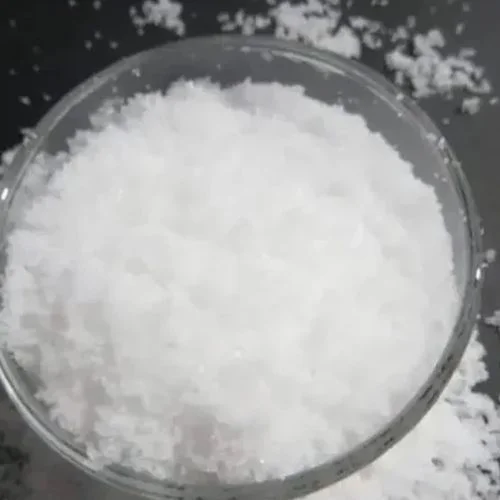
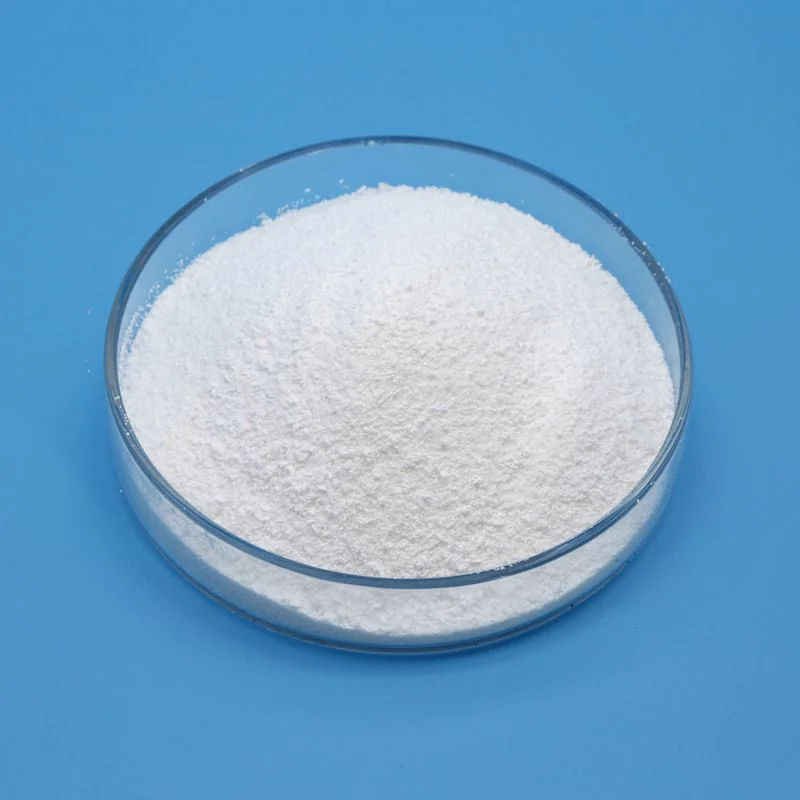
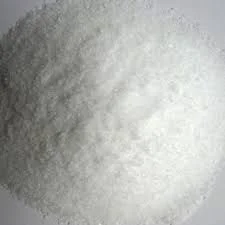
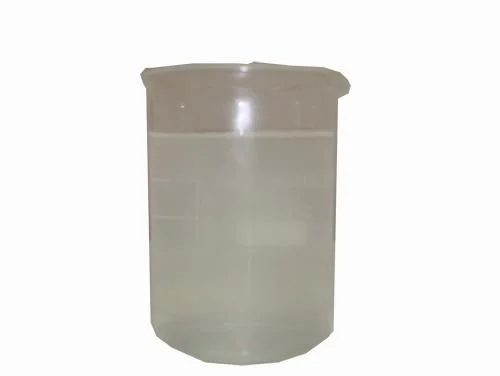
The catalogue presents eight variants of hyaluronic acid derivatives. Cosmetic Grade Sodium Hyaluronate (HS 3913.90) is a bio‑fermented polysaccharide typically supplied in powder form with a molecular weight above 1 MDa, suited for anti‑aging creams. Food Grade Sodium Hyaluronate (HS 2936.29) meets food‑additive standards such as China GB 2760 and often carries purity ≥ 95 %. Hyaluronic Acid Food Grade (HS 3912.90) is marketed as a dietary supplement ingredient, usually requiring ICUMSA‑like purity grading and heavy metal limits under 10 ppm. Eye‑drop Grade (HS 3913.90) demands high molecular weight consistency and sterility testing, while Injection Grade (HS 3913.90) must conform to pharmacopeial specifications (e.g., USP) and endotoxin limits below 0.5 EU/mL. The generic Sodium Hyaluronate and Hyaluronic Acid entries, lacking HS codes, are likely base chemicals used for custom formulation.

Industry standards for hyaluronic acid products differentiate grades by molecular weight (e.g., low‑weight < 500 kDa for topical use, high‑weight > 1 MDa for injectables), moisture content (< 5 %), and residual protein content (< 10 ppm). Common certifications requested by buyers include ISO 9001 quality management, ISO 13485 for medical devices, and GMP compliance for food and pharma grades. Bulk shipments are usually packed in food‑grade polyethylene bags or sealed glass bottles, with container sizes of 20 ft or 40 ft depending on order volume.

Trade and Export Information - Shandong Runxin Biotechnology Co., Ltd

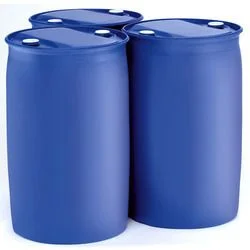
China is a leading exporter of hyaluronic acid derivatives, supplying North America, Europe and Southeast Asia. The HS 3913.90 heading covers preparations of organic chemical compounds for cosmetic or pharmaceutical use, while HS 2936.29 and 3912.90 correspond to food‑additive chemicals. Export documentation frequently includes a Certificate of Origin, a Material Safety Data Sheet (MSDS), and, where applicable, a GMP or ISO certification. Buyers typically arrange CIF or FOB terms, with shipments in 20 ft containers holding up to 1 ton of powder or multiple 25 kg drums for liquid grades.

Regulatory inspection for hyaluronic acid products often involves customs sampling under the China Inspection and Quarantine (CIQ) system, especially for medical‑grade items. Importing countries may require additional compliance such as the EU Cosmetic Regulation (EC No 1223/2009) for cosmetic grades or FDA 21 CFR Part 177 for food additives. The supplier’s target markets, as indicated by its product range, are likely cosmetic manufacturers, nutraceutical firms, ophthalmic device producers and injectable drug companies that seek Chinese‑sourced raw materials.

Sourcing from Shandong Runxin Biotechnology Co., Ltd - Buyer Guidance

When sourcing from Shandong Runxin, request a recent Certificate of Analysis (CoA) that lists purity, molecular weight distribution, heavy‑metal limits and endotoxin levels for the specific grade. For medical‑grade hyaluronic acid, ask for GMP or ISO 13485 certification, sterility test reports and a batch‑wise endotoxin assay. Food‑grade items should be accompanied by a food‑safety compliance certificate (e.g., China GB 2760) and a declaration of no prohibited additives.

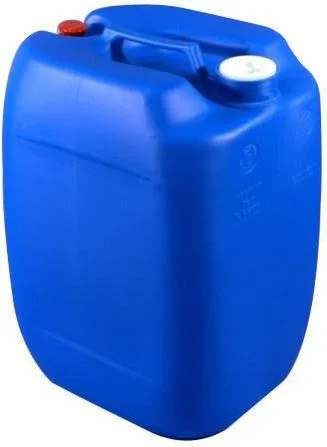
Verify that the supplied HS code matches the intended use to avoid customs re‑classification. Request sample quantities (typically 100 g to 1 kg) to perform independent testing of viscosity, pH stability and microbial limits before committing to a full container. Confirm packaging specifications - powdered grades are usually sealed in moisture‑proof bags, while liquid grades are in HDPE drums - and ensure that the supplier can provide a full set of export documents under the chosen Incoterm.

Frequently Asked Questions About Shandong Runxin Biotechnology Co., Ltd

What grades of hyaluronic acid does Shandong Runxin Biotechnology offer?

The company lists eight variants, including Cosmetic Grade Sodium Hyaluronate (HS 3913.90), Food Grade Sodium Hyaluronate (HS 2936.29), Food‑grade Hyaluronic Acid (HS 3912.90), Eye‑drop Grade (HS 3913.90), Injection Grade (HS 3913.90), plus generic Sodium Hyaluronate and Hyaluronic Acid entries without specific HS codes.

Which HS codes are associated with the listed products?

HS 3913.90 covers most cosmetic and medical preparations, HS 2936.29 is used for the food‑grade sodium hyaluronate, and HS 3912.90 applies to the food‑grade hyaluronic acid powder.

What documentation should a buyer request before purchase?

Buyers should obtain a Certificate of Analysis, a Material Safety Data Sheet, and, where relevant, GMP or ISO 13485 certification, as well as a Certificate of Origin for customs clearance.

Are there typical purity or molecular‑weight requirements for these grades?

Cosmetic grades usually require purity of 95 % ± 2 % and molecular weight above 1 MDa; food grades also target ≥ 95 % purity with heavy‑metal limits under 10 ppm; injection grades demand pharmaceutical‑grade purity ≥ 99 % and endotoxin levels below 0.5 EU/mL.

What are common packaging formats for Shandong Runxin’s hyaluronic acid products?

Powdered grades are packaged in moisture‑proof polyethylene bags (often 25 kg per bag) and shipped in 20 ft or 40 ft containers; liquid or eye‑drop grades are typically supplied in HDPE or glass bottles sealed with tamper‑evident caps.

Which markets typically import Chinese hyaluronic acid derivatives?

Major importers include cosmetic manufacturers in the United States and Europe, nutraceutical firms in Southeast Asia, ophthalmic device producers in Japan and South Korea, and pharmaceutical companies worldwide seeking injection‑grade material.

What Incoterms are commonly used for these products?

Buyers and Chinese suppliers often negotiate FOB Shanghai or CIF Los Angeles, with container loading that respects the moisture‑sensitive nature of the powders.

What is the usual minimum order quantity for these products?

Typical minimum orders range from 500 kg for bulk powder grades to 100 kg for specialized medical‑grade material, though the exact MOQ depends on the specific grade and packaging format.


Featured Products from this Supplier

Other Suppliers in Primary Category

Top Trusted Suppliers

Related Products

Trending in Parent Category

More Suppliers in Category

Related Products

Other Suppliers

EximNext
58.7K+ live requirements
Register Free🎁 Reach verified global buyers
Post Requirement
🌍 Trusted by 225K+ businesses in 200+ countries|
58.7K+ active requirements right now
✉️ [email protected]
|
Sell on EximNextPost Requirement
EximNext
AgricultureApparelConstructionElectronicFoodHomeIndustrialMineralsMiscellaneous
🔥 Deals|✨ AI Match|🏭 Suppliers|📋 Buy Leads|💰 Trade Finance
58.7K+ live RFQs·194.8K+ suppliers
🎁 Reach global buyers →
EximNext
EximNext
Register Free
🎁 Reach verified global buyers
Sign In
📋Post Requirement💬Get Quotes✨AI Match📋RFQ Marketplace
All Categories
Services & Tools
🏭Supplier Directory🔥Today's Deals💰Trade Finance
Sell on EximNext →
AboutContactBlogHelp
Chemicals & Materials  ·  China
8
products listed

Shandong Runxin Biotechnology Co., Ltd

⚓ Harbor
Country flag , China
🛡️
54/100
Trust Score

Shandong Runxin Biotechnology Co., Ltd Product Catalog

Showing 8 of 8 products
View all products →
Hyaluronic Acid
⚓ Harbor
Hyaluronic Acid
Contact
MOQ: 1 Unit
Hyaluronic Acid Cosmetic Grade
⚓ Harbor
Hyaluronic Acid Cosmetic Grade
Contact
MOQ: 1 Unit
Sodium Hyaluronate
⚓ Harbor
Sodium Hyaluronate
Contact
MOQ: 1 Unit
Hyaluronic Acid Injection Grade
⚓ Harbor
Hyaluronic Acid Injection Grade
Contact
MOQ: 1 Unit
Hyaluronic Acid Eye-drop Grade
⚓ Harbor
Hyaluronic Acid Eye-drop Grade
Contact
MOQ: 1 Unit
Hyaluronic Acid Food Grade
⚓ Harbor
Hyaluronic Acid Food Grade
Contact
MOQ: 1 Unit
Food Grade Sodium Hyaluronate
⚓ Harbor
Food Grade Sodium Hyaluronate
Contact
MOQ: 1 Unit
Cosmetic Grade Sodium Hyaluronate
⚓ Harbor
Cosmetic Grade Sodium Hyaluronate
Contact
MOQ: 1 Unit

About Shandong Runxin Biotechnology Co., Ltd - Chemicals & Allied Products Supplier in China

Shandong Runxin Biotechnology Co., Ltd is based in Shandong province, China and lists eight active products in its catalogue. The company focuses on chemicals used in cosmetics, food, and medical applications, specifically various grades of sodium hyaluronate and hyaluronic acid. Its catalogue includes Cosmetic Grade Sodium Hyaluronate (HS 3913.90), Food Grade Sodium Hyaluronate (HS 2936.29), Hyaluronic Acid Food Grade (HS 3912.90), Hyaluronic Acid Eye‑drop Grade (HS 3913.90), Hyaluronic Acid Injection Grade (HS 3913.90), Sodium Hyaluronate (no HS code listed), Hyaluronic Acid Cosmetic Grade (HS 3913.90) and generic Hyaluronic Acid (no HS code listed). Each entry specifies the material type, ranging from bio‑fermented polysaccharides to high‑molecular‑weight sodium hyaluronate. The product set reflects the company’s activity across the chemical, industrial chemical and cosmetic chemical categories.

The supplier’s portfolio covers both raw material forms and finished grades suitable for formulation in skincare, dietary supplements, ophthalmic solutions, and injectable medical devices. By providing distinct HS code classifications, the listings align with standard customs tariff headings for organic chemical compounds and pharmaceutical preparations. The presence of both food‑grade and medical‑grade specifications indicates compliance with differing regulatory limits on purity, endotoxin levels and molecular weight distribution. Shandong Runxin’s eight‑product lineup is positioned for international buyers seeking sourced hyaluronic acid derivatives from a Chinese manufacturer.

Product Range and Specialties of Shandong Runxin Biotechnology Co., Ltd

The catalogue presents eight variants of hyaluronic acid derivatives. Cosmetic Grade Sodium Hyaluronate (HS 3913.90) is a bio‑fermented polysaccharide typically supplied in powder form with a molecular weight above 1 MDa, suited for anti‑aging creams. Food Grade Sodium Hyaluronate (HS 2936.29) meets food‑additive standards such as China GB 2760 and often carries purity ≥ 95 %. Hyaluronic Acid Food Grade (HS 3912.90) is marketed as a dietary supplement ingredient, usually requiring ICUMSA‑like purity grading and heavy metal limits under 10 ppm. Eye‑drop Grade (HS 3913.90) demands high molecular weight consistency and sterility testing, while Injection Grade (HS 3913.90) must conform to pharmacopeial specifications (e.g., USP) and endotoxin limits below 0.5 EU/mL. The generic Sodium Hyaluronate and Hyaluronic Acid entries, lacking HS codes, are likely base chemicals used for custom formulation.

Industry standards for hyaluronic acid products differentiate grades by molecular weight (e.g., low‑weight < 500 kDa for topical use, high‑weight > 1 MDa for injectables), moisture content (< 5 %), and residual protein content (< 10 ppm). Common certifications requested by buyers include ISO 9001 quality management, ISO 13485 for medical devices, and GMP compliance for food and pharma grades. Bulk shipments are usually packed in food‑grade polyethylene bags or sealed glass bottles, with container sizes of 20 ft or 40 ft depending on order volume.

Trade and Export Information - Shandong Runxin Biotechnology Co., Ltd

China is a leading exporter of hyaluronic acid derivatives, supplying North America, Europe and Southeast Asia. The HS 3913.90 heading covers preparations of organic chemical compounds for cosmetic or pharmaceutical use, while HS 2936.29 and 3912.90 correspond to food‑additive chemicals. Export documentation frequently includes a Certificate of Origin, a Material Safety Data Sheet (MSDS), and, where applicable, a GMP or ISO certification. Buyers typically arrange CIF or FOB terms, with shipments in 20 ft containers holding up to 1 ton of powder or multiple 25 kg drums for liquid grades.

Regulatory inspection for hyaluronic acid products often involves customs sampling under the China Inspection and Quarantine (CIQ) system, especially for medical‑grade items. Importing countries may require additional compliance such as the EU Cosmetic Regulation (EC No 1223/2009) for cosmetic grades or FDA 21 CFR Part 177 for food additives. The supplier’s target markets, as indicated by its product range, are likely cosmetic manufacturers, nutraceutical firms, ophthalmic device producers and injectable drug companies that seek Chinese‑sourced raw materials.

Sourcing from Shandong Runxin Biotechnology Co., Ltd - Buyer Guidance

When sourcing from Shandong Runxin, request a recent Certificate of Analysis (CoA) that lists purity, molecular weight distribution, heavy‑metal limits and endotoxin levels for the specific grade. For medical‑grade hyaluronic acid, ask for GMP or ISO 13485 certification, sterility test reports and a batch‑wise endotoxin assay. Food‑grade items should be accompanied by a food‑safety compliance certificate (e.g., China GB 2760) and a declaration of no prohibited additives.

Verify that the supplied HS code matches the intended use to avoid customs re‑classification. Request sample quantities (typically 100 g to 1 kg) to perform independent testing of viscosity, pH stability and microbial limits before committing to a full container. Confirm packaging specifications - powdered grades are usually sealed in moisture‑proof bags, while liquid grades are in HDPE drums - and ensure that the supplier can provide a full set of export documents under the chosen Incoterm.

Frequently Asked Questions About Shandong Runxin Biotechnology Co., Ltd

What grades of hyaluronic acid does Shandong Runxin Biotechnology offer?

The company lists eight variants, including Cosmetic Grade Sodium Hyaluronate (HS 3913.90), Food Grade Sodium Hyaluronate (HS 2936.29), Food‑grade Hyaluronic Acid (HS 3912.90), Eye‑drop Grade (HS 3913.90), Injection Grade (HS 3913.90), plus generic Sodium Hyaluronate and Hyaluronic Acid entries without specific HS codes.

Which HS codes are associated with the listed products?

HS 3913.90 covers most cosmetic and medical preparations, HS 2936.29 is used for the food‑grade sodium hyaluronate, and HS 3912.90 applies to the food‑grade hyaluronic acid powder.

What documentation should a buyer request before purchase?

Buyers should obtain a Certificate of Analysis, a Material Safety Data Sheet, and, where relevant, GMP or ISO 13485 certification, as well as a Certificate of Origin for customs clearance.

Are there typical purity or molecular‑weight requirements for these grades?

Cosmetic grades usually require purity of 95 % ± 2 % and molecular weight above 1 MDa; food grades also target ≥ 95 % purity with heavy‑metal limits under 10 ppm; injection grades demand pharmaceutical‑grade purity ≥ 99 % and endotoxin levels below 0.5 EU/mL.

What are common packaging formats for Shandong Runxin’s hyaluronic acid products?

Powdered grades are packaged in moisture‑proof polyethylene bags (often 25 kg per bag) and shipped in 20 ft or 40 ft containers; liquid or eye‑drop grades are typically supplied in HDPE or glass bottles sealed with tamper‑evident caps.

Which markets typically import Chinese hyaluronic acid derivatives?

Major importers include cosmetic manufacturers in the United States and Europe, nutraceutical firms in Southeast Asia, ophthalmic device producers in Japan and South Korea, and pharmaceutical companies worldwide seeking injection‑grade material.

What Incoterms are commonly used for these products?

Buyers and Chinese suppliers often negotiate FOB Shanghai or CIF Los Angeles, with container loading that respects the moisture‑sensitive nature of the powders.

What is the usual minimum order quantity for these products?

Typical minimum orders range from 500 kg for bulk powder grades to 100 kg for specialized medical‑grade material, though the exact MOQ depends on the specific grade and packaging format.

About Shandong Runxin Biotechnology Co., Ltd - Chemicals & Allied Products Supplier in China

Shandong Runxin Biotechnology Co., Ltd is based in Shandong province, China and lists eight active products in its catalogue. The company focuses on chemicals used in cosmetics, food, and medical applications, specifically various grades of sodium hyaluronate and hyaluronic acid. Its catalogue includes Cosmetic Grade Sodium Hyaluronate (HS 3913.90), Food Grade Sodium Hyaluronate (HS 2936.29), Hyaluronic Acid Food Grade (HS 3912.90), Hyaluronic Acid Eye‑drop Grade (HS 3913.90), Hyaluronic Acid Injection Grade (HS 3913.90), Sodium Hyaluronate (no HS code listed), Hyaluronic Acid Cosmetic Grade (HS 3913.90) and generic Hyaluronic Acid (no HS code listed). Each entry specifies the material type, ranging from bio‑fermented polysaccharides to high‑molecular‑weight sodium hyaluronate. The product set reflects the company’s activity across the chemical, industrial chemical and cosmetic chemical categories.

The supplier’s portfolio covers both raw material forms and finished grades suitable for formulation in skincare, dietary supplements, ophthalmic solutions, and injectable medical devices. By providing distinct HS code classifications, the listings align with standard customs tariff headings for organic chemical compounds and pharmaceutical preparations. The presence of both food‑grade and medical‑grade specifications indicates compliance with differing regulatory limits on purity, endotoxin levels and molecular weight distribution. Shandong Runxin’s eight‑product lineup is positioned for international buyers seeking sourced hyaluronic acid derivatives from a Chinese manufacturer.

Product Range and Specialties of Shandong Runxin Biotechnology Co., Ltd

The catalogue presents eight variants of hyaluronic acid derivatives. Cosmetic Grade Sodium Hyaluronate (HS 3913.90) is a bio‑fermented polysaccharide typically supplied in powder form with a molecular weight above 1 MDa, suited for anti‑aging creams. Food Grade Sodium Hyaluronate (HS 2936.29) meets food‑additive standards such as China GB 2760 and often carries purity ≥ 95 %. Hyaluronic Acid Food Grade (HS 3912.90) is marketed as a dietary supplement ingredient, usually requiring ICUMSA‑like purity grading and heavy metal limits under 10 ppm. Eye‑drop Grade (HS 3913.90) demands high molecular weight consistency and sterility testing, while Injection Grade (HS 3913.90) must conform to pharmacopeial specifications (e.g., USP) and endotoxin limits below 0.5 EU/mL. The generic Sodium Hyaluronate and Hyaluronic Acid entries, lacking HS codes, are likely base chemicals used for custom formulation.

Industry standards for hyaluronic acid products differentiate grades by molecular weight (e.g., low‑weight < 500 kDa for topical use, high‑weight > 1 MDa for injectables), moisture content (< 5 %), and residual protein content (< 10 ppm). Common certifications requested by buyers include ISO 9001 quality management, ISO 13485 for medical devices, and GMP compliance for food and pharma grades. Bulk shipments are usually packed in food‑grade polyethylene bags or sealed glass bottles, with container sizes of 20 ft or 40 ft depending on order volume.

Trade and Export Information - Shandong Runxin Biotechnology Co., Ltd

China is a leading exporter of hyaluronic acid derivatives, supplying North America, Europe and Southeast Asia. The HS 3913.90 heading covers preparations of organic chemical compounds for cosmetic or pharmaceutical use, while HS 2936.29 and 3912.90 correspond to food‑additive chemicals. Export documentation frequently includes a Certificate of Origin, a Material Safety Data Sheet (MSDS), and, where applicable, a GMP or ISO certification. Buyers typically arrange CIF or FOB terms, with shipments in 20 ft containers holding up to 1 ton of powder or multiple 25 kg drums for liquid grades.

Regulatory inspection for hyaluronic acid products often involves customs sampling under the China Inspection and Quarantine (CIQ) system, especially for medical‑grade items. Importing countries may require additional compliance such as the EU Cosmetic Regulation (EC No 1223/2009) for cosmetic grades or FDA 21 CFR Part 177 for food additives. The supplier’s target markets, as indicated by its product range, are likely cosmetic manufacturers, nutraceutical firms, ophthalmic device producers and injectable drug companies that seek Chinese‑sourced raw materials.

Sourcing from Shandong Runxin Biotechnology Co., Ltd - Buyer Guidance

When sourcing from Shandong Runxin, request a recent Certificate of Analysis (CoA) that lists purity, molecular weight distribution, heavy‑metal limits and endotoxin levels for the specific grade. For medical‑grade hyaluronic acid, ask for GMP or ISO 13485 certification, sterility test reports and a batch‑wise endotoxin assay. Food‑grade items should be accompanied by a food‑safety compliance certificate (e.g., China GB 2760) and a declaration of no prohibited additives.

Verify that the supplied HS code matches the intended use to avoid customs re‑classification. Request sample quantities (typically 100 g to 1 kg) to perform independent testing of viscosity, pH stability and microbial limits before committing to a full container. Confirm packaging specifications - powdered grades are usually sealed in moisture‑proof bags, while liquid grades are in HDPE drums - and ensure that the supplier can provide a full set of export documents under the chosen Incoterm.

Frequently Asked Questions About Shandong Runxin Biotechnology Co., Ltd
What grades of hyaluronic acid does Shandong Runxin Biotechnology offer?
The company lists eight variants, including Cosmetic Grade Sodium Hyaluronate (HS 3913.90), Food Grade Sodium Hyaluronate (HS 2936.29), Food‑grade Hyaluronic Acid (HS 3912.90), Eye‑drop Grade (HS 3913.90), Injection Grade (HS 3913.90), plus generic Sodium Hyaluronate and Hyaluronic Acid entries without specific HS codes.
Which HS codes are associated with the listed products?
HS 3913.90 covers most cosmetic and medical preparations, HS 2936.29 is used for the food‑grade sodium hyaluronate, and HS 3912.90 applies to the food‑grade hyaluronic acid powder.
What documentation should a buyer request before purchase?
Buyers should obtain a Certificate of Analysis, a Material Safety Data Sheet, and, where relevant, GMP or ISO 13485 certification, as well as a Certificate of Origin for customs clearance.
Are there typical purity or molecular‑weight requirements for these grades?
Cosmetic grades usually require purity of 95 % ± 2 % and molecular weight above 1 MDa; food grades also target ≥ 95 % purity with heavy‑metal limits under 10 ppm; injection grades demand pharmaceutical‑grade purity ≥ 99 % and endotoxin levels below 0.5 EU/mL.
What are common packaging formats for Shandong Runxin’s hyaluronic acid products?
Powdered grades are packaged in moisture‑proof polyethylene bags (often 25 kg per bag) and shipped in 20 ft or 40 ft containers; liquid or eye‑drop grades are typically supplied in HDPE or glass bottles sealed with tamper‑evident caps.
Which markets typically import Chinese hyaluronic acid derivatives?
Major importers include cosmetic manufacturers in the United States and Europe, nutraceutical firms in Southeast Asia, ophthalmic device producers in Japan and South Korea, and pharmaceutical companies worldwide seeking injection‑grade material.
What Incoterms are commonly used for these products?
Buyers and Chinese suppliers often negotiate FOB Shanghai or CIF Los Angeles, with container loading that respects the moisture‑sensitive nature of the powders.
What is the usual minimum order quantity for these products?
Typical minimum orders range from 500 kg for bulk powder grades to 100 kg for specialized medical‑grade material, though the exact MOQ depends on the specific grade and packaging format.

Shandong Runxin Biotechnology Co., Ltd
Country flag China
⚓ HarborChemicals & Materials
54/100
Trust Score
8
Products
✓ Free to contact — no commission
✓ Escrow payment available
✓ Verified business identity
Compare more suppliers
Post a requirement — get 10 quotes free
Let verified suppliers compete for your business. Free, fast, no commitment.
EximNext Verified Supplier
Business identity verified
Physical address confirmed
Financial history checked
Certifications authenticated
Trade references validated
Due Diligence
Verify this supplier's real shipping history.
Every shipment, every buyer, every port. Trade data that can't be faked.
Run due diligence →
Discover More

Related Suppliers & Products

Explore similar suppliers, related products and trending categories

Featured Products from this Supplier

Other Suppliers in Primary Category

Top Trusted Suppliers

Related Products

Trending in Parent Category

More Suppliers in Category

Stay ahead in global trade
Weekly market insights & new supplier alerts.
EximNext
Exim Next is a leading global B2B marketplace, connecting over 205,000 verified suppliers and buyers across 200+ countries. As a trusted import export marketplace, it serves as the essential B2B portal for businesses worldwide, empowering them to expand their international reach. With Exim Next, businesses can trade smarter and grow faster.
SECURE PAYMENTS
VISAMastercardPayPalSWIFTL/CEscrow
Follow us
© 2026 EximNext