Saanvi Corp. — Supplier
About Saanvi Corp. - Chemicals & Allied Products Supplier in India
Based in India, Saanvi Corp. lists eight active products across the Chemicals & Allied Products and Industrial Chemicals categories. The catalogue includes three polyethylene glycol grades - Peg‑3350/4000 and Peg‑6000 under HS code 3404.20, and Peg‑10000 under HS code 3907.29 - each described by molecular weight. Additional items are Menthol Crystals (no HS code provided), Lithium Bromide (HS 2827.39, 99 % purity), Hydroxyethylidene Diphosphonic Acid (HEDP, HS 2931.90), ATMP (no HS code), and Resorcinol (no HS code). The product set reflects typical raw materials used in pharmaceutical, personal‑care, and water‑treatment formulations. All entries are recorded under the supplier’s “harbor” trust tier.
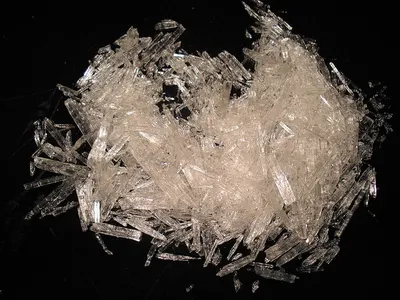
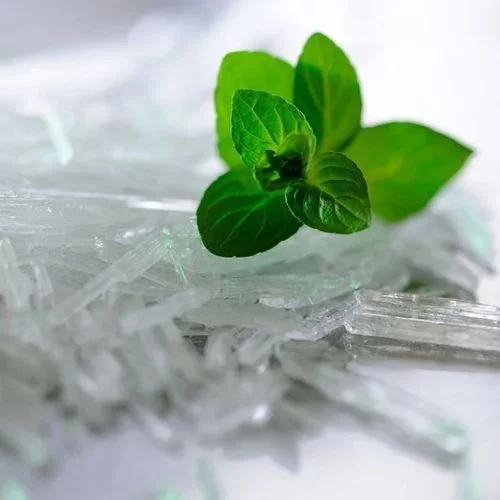
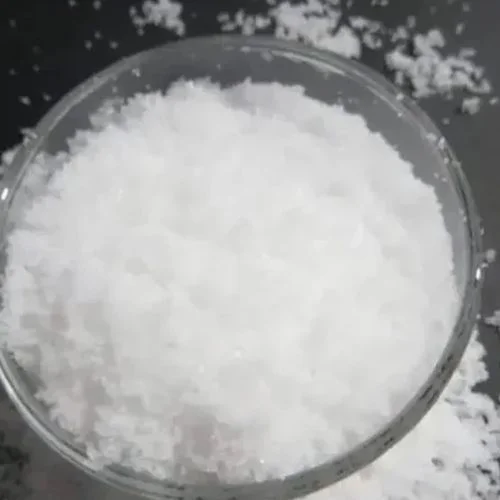
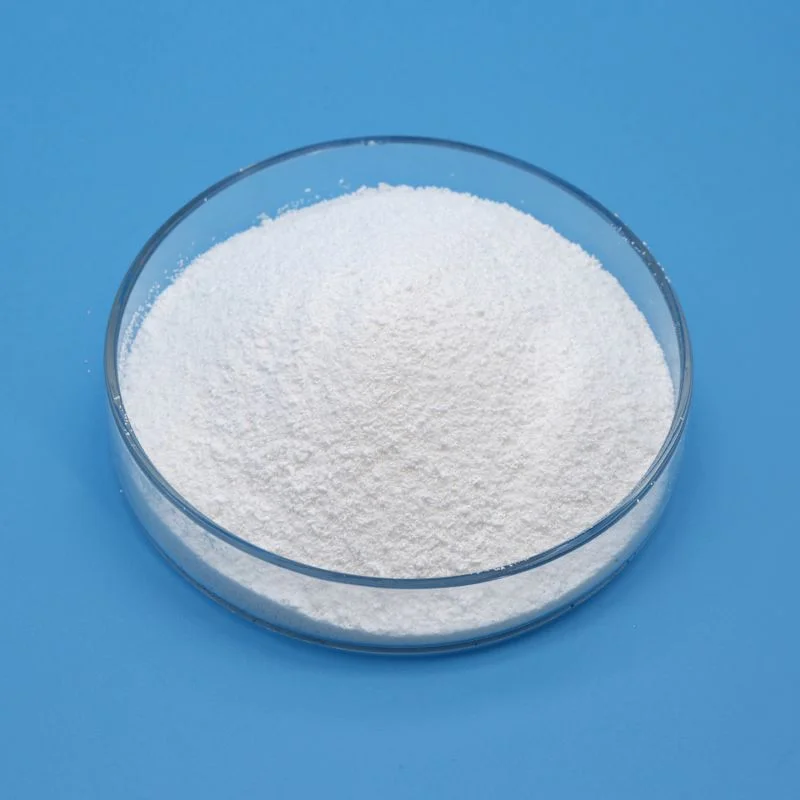
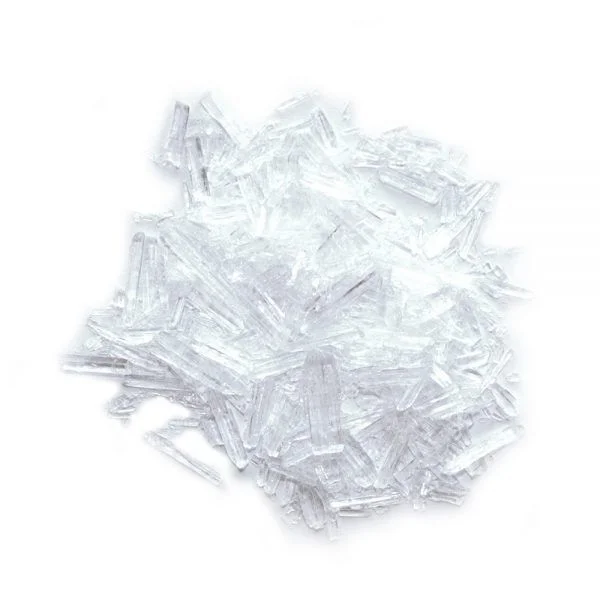
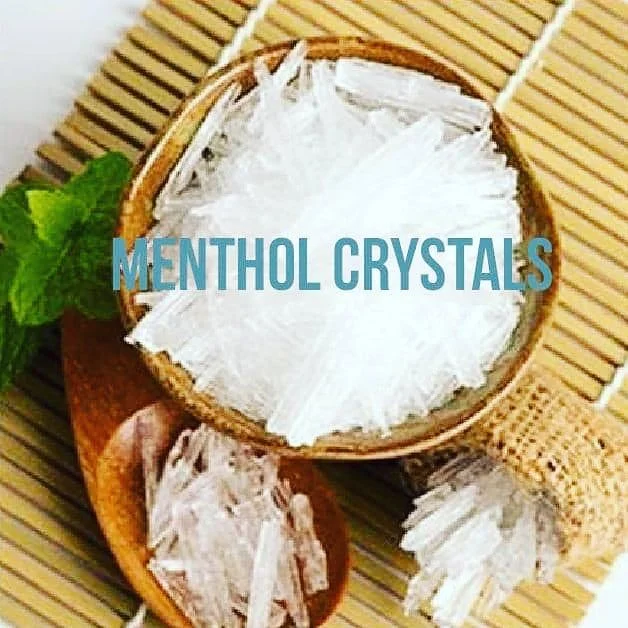
The polyethylene glycols are supplied as polymer powders with molecular weights of approximately 3,350 - 4,000, 6,000, and 10,000 g mol⁻¹, respectively, and are commonly sold with purity levels of 99 % or higher. Menthol Crystals are typically offered in crystalline form with purity grades of ≥99 % and a melting point around 42 °C. Lithium Bromide is listed as 99 % LiBr, a standard specification for absorption refrigeration and water‑treatment applications. HEDP is presented as a phosphonic acid additive used for scale inhibition, while ATMP and Resorcinol are standard intermediates in resin and pharmaceutical synthesis. No specific certifications are cited in the supplied data, so buyers should verify compliance with relevant standards such as ISO 9001, REACH, or FDA‑cGMP where required.
Product Range and Specialties of Saanvi Corp.
In the PEG family, industrial practice distinguishes grades by molecular weight, viscosity, and water solubility. Grades 3,350‑4,000 and 6,000 fall under HS 3404.20 and are typically supplied in 25 kg bags or 1 ton drums, meeting purity specifications of ≥99 % and moisture content below 0.5 %. The higher‑weight PEG‑10,000, classified under HS 3907.29, is used as a lubricant and excipient and is usually delivered in 500 kg bulk bags with similar purity thresholds.
Menthol Crystals, without a listed HS code, are normally exported under HS 3307.00 and are graded by optical purity (≥99 %) and absence of residual solvents. Lithium Bromide (HS 2827.39) is supplied as anhydrous salt at 99 % purity, packaged in 500 kg fiber drums for bulk shipments. HEDP (HS 2931.90) is a chelating agent meeting typical specification of ≥99 % purity and a particle size below 200 µm. ATMP and Resorcinol, although lacking HS codes in the catalogue, are standard chemical intermediates; ATMP is often used as a corrosion inhibitor with purity ≥98 %, while Resorcinol is supplied at ≥99 % purity for resin synthesis.
Trade and Export Information - Saanvi Corp.
Indian manufacturers of polyethylene glycols, menthol, and water‑treatment chemicals frequently ship to North America, the European Union, and Southeast Asian markets, where these materials support pharmaceutical, cosmetic, and industrial formulations. The relevant HS chapters - 3404 for polyoxyethylene compounds, 3907 for other polymers, 2827 for inorganic bromides, and 2931 for organic chemicals - are subject to customs inspections that commonly request a Certificate of Origin, a Material Safety Data Sheet (MSDS), and a test report confirming purity and moisture content.
Buyers typically require compliance with ISO 9001 quality management, REACH registration for the European Union, and FDA cGMP documentation for pharmaceutical‑grade chemicals. Packaging standards include 25 kg kraft bags, 500 kg IBCs, or 20‑ft and 40‑ft containers with proper labeling per INCOTERMS CIF or FOB. Indian export regulations also mandate conformity with the Bureau of Indian Standards (BIS) for certain chemical grades, although specific certifications must be confirmed with the supplier.
Sourcing from Saanvi Corp. - Buyer Guidance
Prospective buyers should request a recent Certificate of Analysis for each PEG grade, specifying molecular weight distribution, assay percentage, and residual moisture. For Menthol Crystals and Lithium Bromide, a COA together with an MSDS and, where applicable, a REACH registration number will verify compliance with European import requirements.
Verification of HEDP, ATMP, and Resorcinol should include batch‑specific analytical reports covering purity, heavy‑metal limits, and particle‑size distribution. Buyers are advised to confirm packaging dimensions, MOQ (commonly 500 kg per shipment for bulk chemicals), and lead times, which typically range from 30 to 60 days after order confirmation. Requesting a pre‑shipment sample can help assess conformity with the specified grades before full order release.
Frequently Asked Questions About Saanvi Corp.
What chemical categories does Saanvi Corp. supply?
Saanvi Corp. lists products in the Chemicals & Allied Products and Industrial Chemicals categories, including polyethylene glycols, menthol crystals, lithium bromide, HEDP, ATMP, and resorcinol.
Which HS codes are associated with the PEG products?
Peg‑3350/4000 and Peg‑6000 are classified under HS code 3404.20, while Peg‑10000 falls under HS code 3907.29. These codes correspond to polyoxyethylene compounds and other polymers respectively.
What purity specifications are typical for the listed chemicals?
The catalogue indicates purity levels of 99 % or higher for PEG grades, lithium bromide, menthol crystals, HEDP, ATMP, and resorcinol. Such purity aligns with industry standards for pharmaceutical and water‑treatment applications.
What documentation should a buyer request before purchasing?
Buyers should ask for a recent Certificate of Analysis, an MSDS, and, where relevant, REACH registration or FDA cGMP compliance documents for each product. These documents confirm chemical identity, safety handling, and regulatory conformity.
What are the common packaging formats for these chemicals?
PEG powders are usually shipped in 25 kg kraft bags or 1 ton drums, menthol crystals and lithium bromide in 500 kg fiber drums, and bulk chemicals such as HEDP in sealed 20‑ft or 40‑ft containers with IBCs. Packaging complies with standard hazardous‑material handling procedures.
Which markets typically import these Indian chemical products?
Major import destinations include the United States, European Union countries, Japan, and Southeast Asian nations that use these chemicals in pharma, cosmetics, and industrial processes. Trade flows are supported by established logistics corridors from Indian ports.
What are typical minimum order quantities and lead times?
Minimum order quantities are generally 500 kg per product batch, reflecting bulk‑chemical shipping practices. Lead times usually range from 30 to 60 days after order confirmation, depending on product availability and required documentation.




 , India