Rsc — Supplier
About Rsc - Chemicals & Allied Products Supplier in China
Rsc operates from China and currently lists five distinct chemical products in its catalogue. All five items are boronic acid derivatives of aromatic rings, including 9‑phenanthracenylboronic acid, 2‑tolylboronic acid, 3‑tolylboronic acid, 4‑methylphenylboronic acid and 3,5‑dimethylbenzeneboronic acid. The supplier classifies these under the broader headings of Chemicals & Allied Products, Industrial Chemicals and Aromatic Chemicals, which are generally recorded under HS Chapter 29 for organic chemicals. The catalogue does not provide HS‑specific codes, so buyers should verify the appropriate sub‑heading for each boronic acid during customs clearance. The product list reflects a focus on specialty aromatic intermediates used in fine‑chemical synthesis.
Product Range and Specialties of Rsc
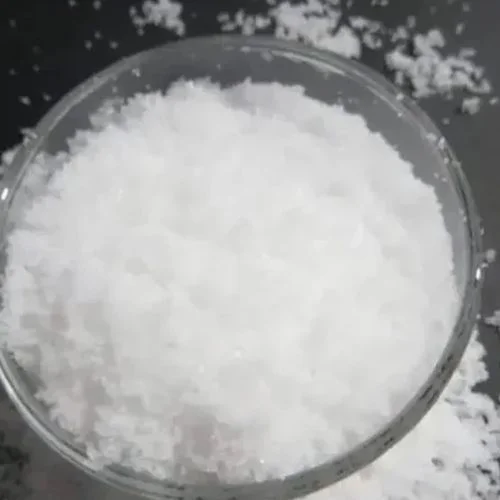
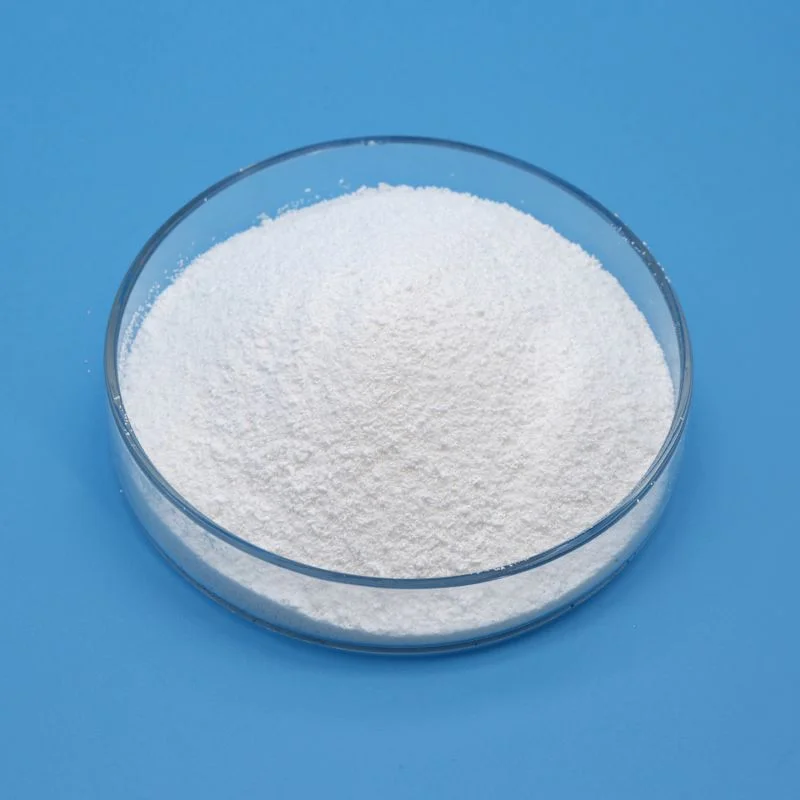
Rsc’s catalogue concentrates on aromatic boronic acids, a class of reagents commonly employed in Suzuki‑Miyaura cross‑coupling, pharmaceutical intermediates and agro‑chemical research. In the specialty chemicals market these compounds are typically sold as analytical‑grade powders with purity levels of 98 % or higher, moisture content below 0.5 %, and are supplied in sealed HDPE bottles or 25 kg bulk bags. Standard specifications include melting point, appearance (white to off‑white solid) and a detailed certificate of analysis (COA) that records NMR, LC‑MS and elemental analysis data. Buyers often request additional data such as particle size distribution for bulk handling, especially when the material is intended for downstream catalytic processes. The product family falls within the broader aromatic chemical segment, where grades range from laboratory‑scale (≥95 % purity) to commercial‑scale (≥99 % purity) depending on end‑use requirements.
Trade and Export Information - Rsc
Exporters of aromatic boronic acids from China typically ship to North America, Western Europe and East Asia, where pharmaceutical, fine‑chemical and material‑science industries have high demand. The HS‑code family for organic aromatic compounds is Chapter 29, and customs authorities often require a detailed product description, HS sub‑heading, and a safety data sheet (SDS) for each shipment. Common certifications requested by importers include ISO 9001 quality‑management systems, REACH registration for the European market, and compliance with the Globally Harmonized System (GHS) for labeling. Standard packaging involves 25 kg polyethylene bags placed inside 20‑ft or 40‑ft containers, with moisture‑barrier liners to protect the hygroscopic powders. Typical Incoterms used by Chinese chemical exporters are FOB Shanghai or CIF destination port, allowing buyers to arrange further inland logistics according to local regulations.
Sourcing from Rsc - Buyer Guidance
When sourcing from Rsc, buyers should request a current Certificate of Analysis, an up‑to‑date Safety Data Sheet, and evidence of REACH registration if the shipment is destined for the EU. Verifying the declared purity (generally ≥98 %) against independent analytical results helps confirm product quality before bulk purchase. It is advisable to obtain a small sample for in‑house testing, especially if the material will be used in catalytic or medicinal chemistry where trace impurities can affect outcomes. Minimum order quantities for specialty boronic acids are often set at 5 kg per SKU, with lead times ranging from four to six weeks after order confirmation, depending on production scheduling and export documentation. Buyers should also confirm packaging integrity, such as double‑sealed bags and tamper‑evident seals, to prevent moisture ingress during transit.
Frequently Asked Questions About Rsc
What aromatic boronic acids are listed in Rsc’s catalogue?
Rsc lists 9‑phenanthracenylboronic acid, 2‑tolylboronic acid, 3‑tolylboronic acid, 4‑methylphenylboronic acid and 3,5‑dimethylbenzeneboronic acid.
Which HS chapter covers the products offered by Rsc?
The products fall under HS Chapter 29, which covers organic chemicals, including aromatic compounds and their derivatives.
What purity level is typically provided for Rsc’s boronic acids?
The catalogue implies specialty grade chemicals, which are normally supplied with a purity of 98 % or higher, documented on a Certificate of Analysis.
What documentation should a buyer request before placing an order?
Buyers should request a current Certificate of Analysis, Safety Data Sheet, and, for EU shipments, proof of REACH registration or equivalent compliance.
What are the common packaging formats for these chemicals?
Typical packaging includes sealed HDPE bottles for small quantities and 25 kg bulk polyethylene bags placed inside standard 20‑ft or 40‑ft containers for larger shipments.
Which markets most frequently import aromatic boronic acids from China?
Major import markets include the United States, Canada, Germany, the United Kingdom, Japan and South Korea, driven by pharmaceutical and fine‑chemical manufacturing demand.
What Incoterms are usually applied to Rsc’s exports?
Export transactions often use FOB Shanghai for buyer‑controlled shipping or CIF destination port when the seller arranges freight and insurance.
What lead time can a buyer expect for a new order?
Lead times are typically four to six weeks after order confirmation, subject to production scheduling and export documentation preparation.




 , China