Raghuveer Marble — Verified Supplier
About Raghuveer Marble - Marble & Granite Supplier in India
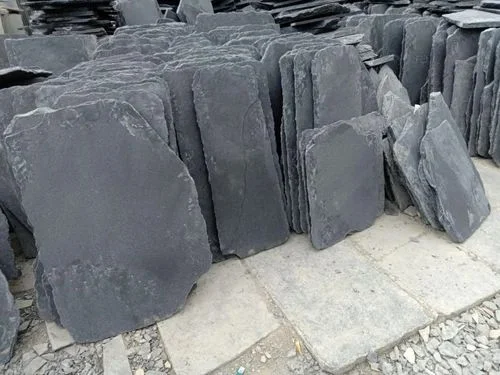
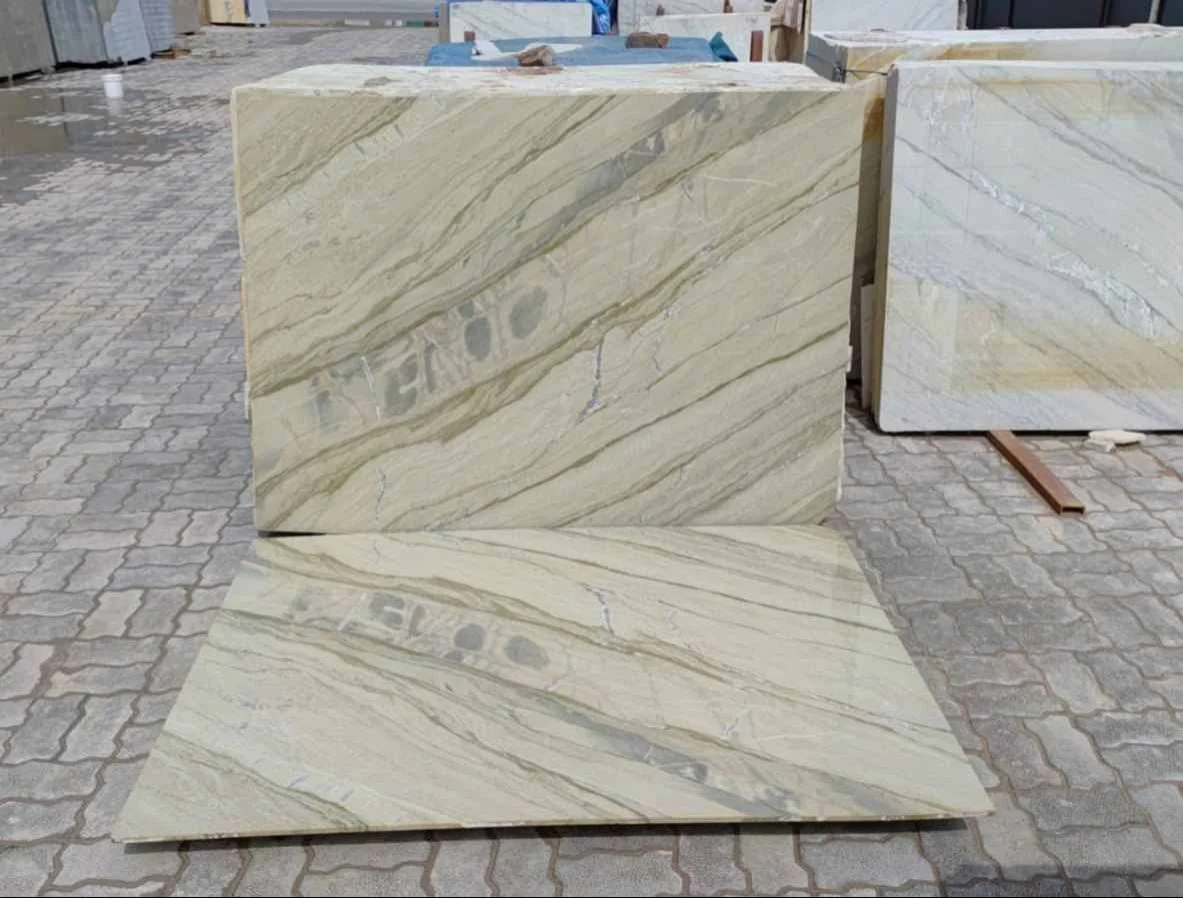
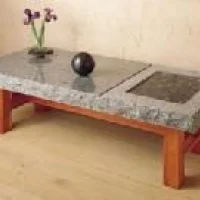
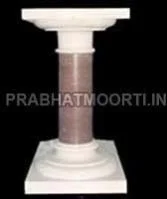
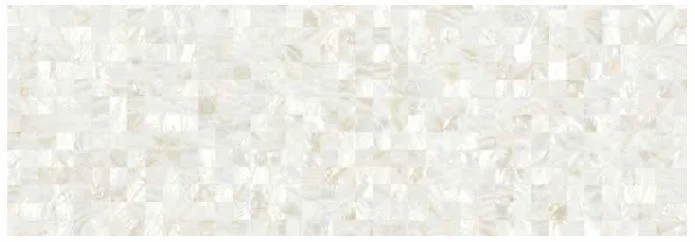
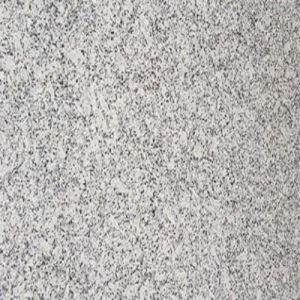
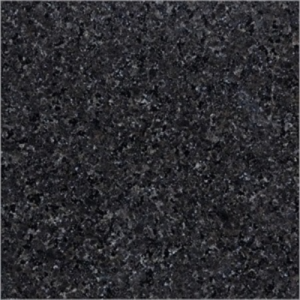
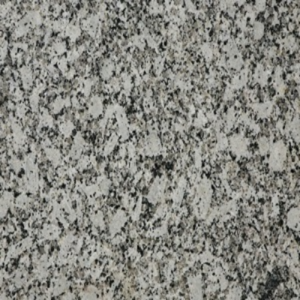
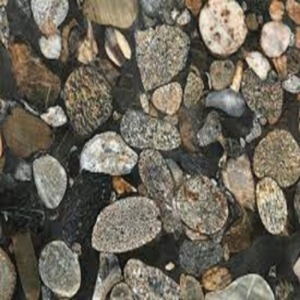
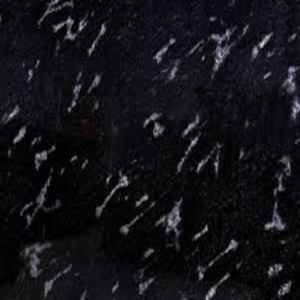
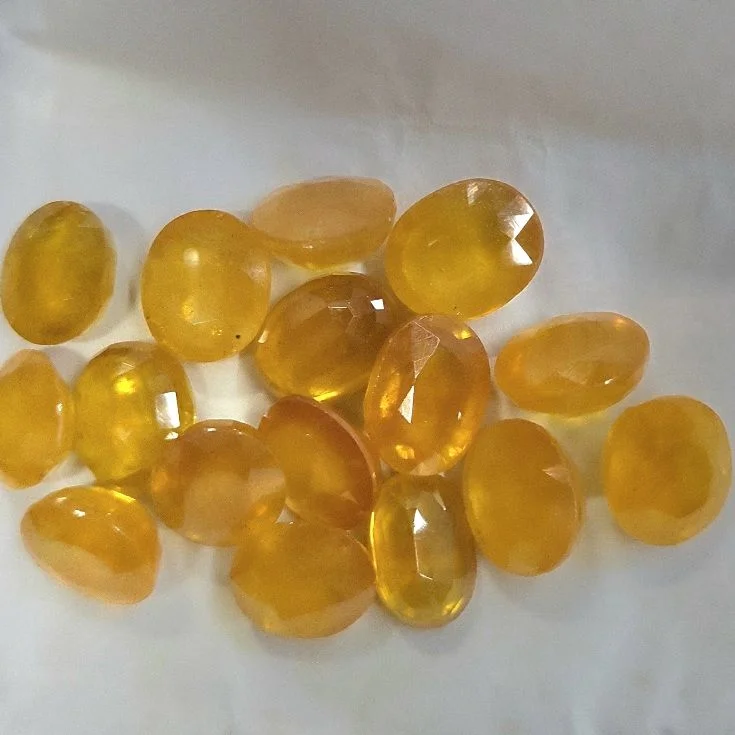
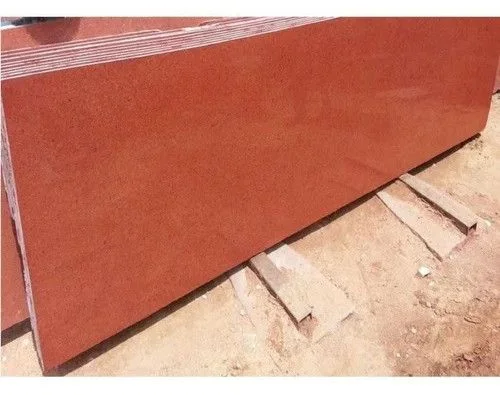
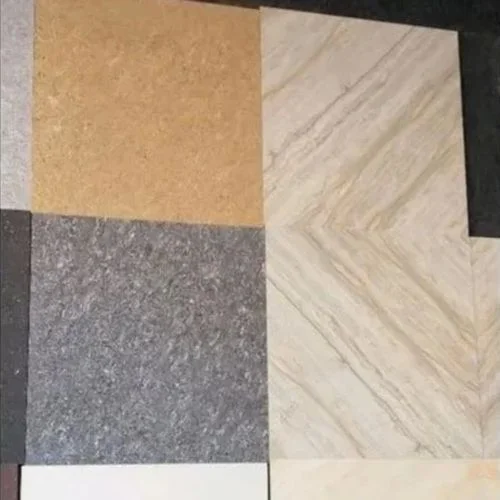
Raghuveer Marble is based in India and currently lists eleven distinct stone products in its online catalogue. The catalogue includes limestone, various pebble and cobble sizes, pink and white marble, yellow marble, brown Kota stone, sandstone, and two granite variants - Ledhar Polish Granite and Absulyut Black Granite. These items fall under the broader HS‑2 digit headings for natural stone, principally HS 6802 (marble, granite, limestone, slate and travertine) and HS 6803 (other stone products). The supplier’s top categories are recorded as Marble Slabs, Stone Pebbles, Granite Slabs, Limestone, Stones & Slates, Sandstones & Sands, and Marble & Granite. The product list reflects a typical Indian stone export portfolio, where natural stone is quarried, cut to slab or aggregate form, and shipped to construction and design markets. Each item is identified by its common trade name rather than a specific grade, which is standard for stone exporters that provide samples on request. The supplier’s catalogue does not disclose processing dimensions, but the industry commonly offers slabs in thicknesses of 20 mm to 30 mm and aggregates in sizes ranging from 5 mm to 50 mm.
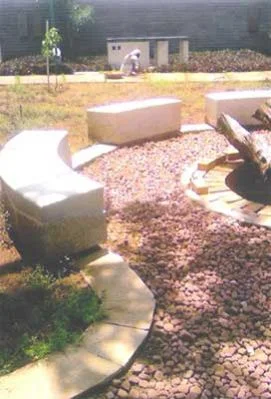
Raghuveer Marble’s inventory aligns with the Indian stone industry’s focus on both decorative slabs and raw aggregates. The inclusion of pink and white marble reflects the demand from interior finish markets, while the granite entries cater to high‑traffic flooring and countertop applications. Limestone and sandstone are frequently used in exterior cladding and landscaping. The presence of brown Kota stone indicates a supply of laterite‑type stone popular in regional construction. Although the catalogue does not specify certifications, Indian stone exporters often comply with ISO 9001 quality management and may provide test reports for compressive strength, water absorption and freeze‑thaw resistance upon buyer request.
Product Range and Specialties of Raghuveer Marble
The catalogue lists eleven stone products: limestone, pebbles, cobbles, pink marble, white marble, Ledhar Polish granite, generic granite, yellow marble, brown Kota stone, sandstone, and Absulyut Black granite. In the natural stone market, limestone is typically offered in grades such as Class A (low porosity, high compressive strength) and Class B for less demanding applications. Pebbles and cobbles are graded by diameter (e.g., 5‑15 mm, 15‑30 mm) and surface finish (smooth vs. textured). Marble grades are often identified by colour uniformity and veining, with white marble commonly meeting brightness standards for interior use. Granite grades are distinguished by polish quality (Polish Grade P4‑P5) and water absorption below 0.5 %. Industry standards for these stones include ASTM C615 for marble, ASTM C615/C‑1 for granite, and BS EN 13007 for natural stone aggregates. Buyers typically request specifications such as slab thickness (20 mm, 30 mm), edge profiles (straight, bullnose) and surface finish (polished, honed). The Indian market also supplies stones with CE marking for EU destinations and test reports covering compressive strength (≥150 MPa for granite), water absorption (<0.5 %) and frost resistance (≥‑20 °C).
Trade and Export Information - Raghuveer Marble
India is one of the world’s leading exporters of natural stone, with the majority of shipments destined for the United States, Europe (especially Italy, Spain and the United Kingdom) and the Middle East. HS‑code 6802 covers most of the listed products - marble, granite, limestone and sandstone - while HS‑code 6803 applies to processed stone aggregates such as pebbles and cobbles. Export logistics usually involve 20‑foot containers holding approximately 20 tons of slabs or 30 tons of aggregates, packed on wooden pallets and wrapped in protective film. Buyers importing Indian stone typically require compliance with ISO 9001 and ISO 14001, as well as product‑specific certificates such as CE for EU markets, and test reports for compressive strength, water absorption and dimensional tolerance. Customs inspections may request a phytosanitary certificate for certain aggregates, although stone is generally exempt. Incoterms most frequently used are FOB (port of origin, e.g., Mumbai or Chennai) and CIF for buyers preferring carrier‑handled insurance. Indian exporters often provide pre‑shipment inspection reports from agencies like SGS or Bureau Veritas to satisfy buyer due diligence.
Sourcing from Raghuveer Marble - Buyer Guidance
When sourcing from Raghuveer Marble, buyers should request detailed product data sheets that include dimensions, finish, compressive strength, water absorption and freeze‑thaw test results. Samples of slab thickness and surface finish are standard practice; a 1 m² slab sample can verify colour consistency for marble or granite. Request ISO 9001 certification or a copy of the supplier’s quality management audit, and ask for third‑party inspection reports (e.g., SGS) covering the specific stone batch. Before confirming an order, verify the HS‑code classification (6802 for slabs, 6803 for aggregates) and ensure that the packaging complies with the buyer’s logistics plan - typically wooden pallets, stretch‑wrapped, with corner protectors. Confirm the minimum order quantity, which for Indian stone exporters often ranges from one 20‑ft container (≈20 tons) for slabs to smaller bulk shipments for aggregates. Lead times usually span 30‑45 days from order confirmation to vessel loading, depending on quarry extraction and cutting schedules.
Frequently Asked Questions About Raghuveer Marble
What stone products does Raghuveer Marble offer?
The catalogue lists eleven items: limestone, pebbles, cobbles, pink marble, white marble, Ledhar Polish granite, generic granite, yellow marble, brown Kota stone, sandstone and Absulyut Black granite.
Which HS codes apply to these products?
Marble, granite, limestone and sandstone fall under HS 6802, while pebbles and cobbles are classified under HS 6803 for other stone products.
What typical grades or specifications should buyers look for?
Typical specifications include marble brightness comparable to industry brightness standards, granite polish grades P4‑P5, water absorption below 0.5 % and compressive strength of at least 150 MPa for granite slabs.
What certifications are commonly required for Indian stone exports?
Buyers usually request ISO 9001 quality management, ISO 14001 environmental management, CE marking for EU markets and third‑party test reports for strength, absorption and freeze‑thaw resistance.
How are the stones typically packaged for export?
Stones are packed on wooden pallets, wrapped in stretch film, with edge protectors and corner braces; slabs are often loaded in 20‑ft containers holding about 20 tons, while aggregates can fill up to 30 tons per container.
What are the usual Incoterms used by Raghuveer Marble?
The supplier commonly uses FOB from major Indian ports such as Mumbai or Chennai, and CIF where the buyer prefers carrier‑handled insurance and freight.
What documentation should a buyer request before placing an order?
Buyers should ask for a product data sheet, ISO 9001 certificate, third‑party inspection report and a pre‑shipment inspection certificate from an agency like SGS.
What is the typical lead time for orders?
Lead times generally range from 30 to 45 days after order confirmation, depending on quarry extraction, cutting schedule and container booking.




 , India