Agriculture›
 Apparel and fashion accessories›
 Construction & real estate›💡Electronic & Electrical›🍎Food & Beverages›🛋️Home furnishing & supplies›⚗️Industrial goods & chemical›🪨Minerals & metals›📦Miscellaneous›Agriculture›Apparel and fashion accessories›Construction & real estate›💡Electronic & Electrical›🍎Food & Beverages›🛋️Home furnishing & supplies›⚗️Industrial goods & chemical›🪨Minerals & metals›📦Miscellaneous›
Qingdao Xinghe Graphite Co., Ltd.
⚓ Harbor , ChinaNew supplier / no reviews yet
Qingdao Xinghe Graphite Co., Ltd. Product Catalog
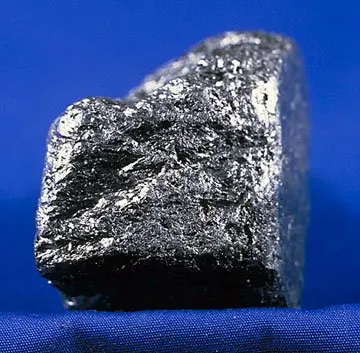
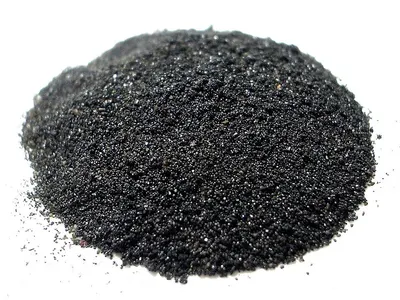
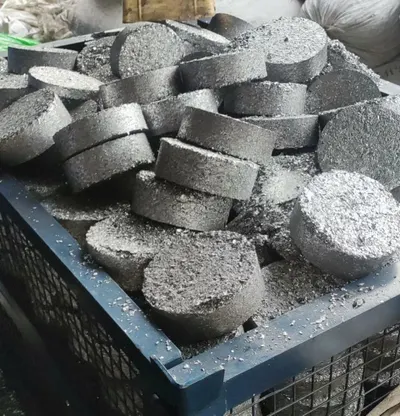
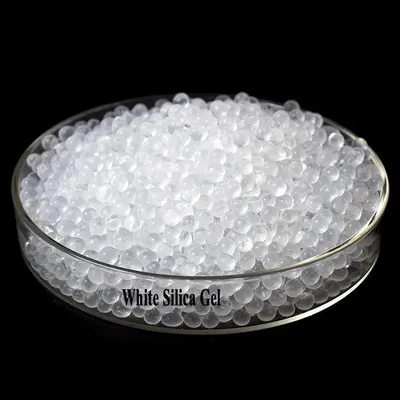
About Qingdao Xinghe Graphite Co., Ltd. - Graphite Supplier in China
Qingdao Xinghe Graphite Co., Ltd. is based in Qingdao, China and lists eight active products in its catalogue. The company classifies its offerings under the Graphite and Agriculture categories, with a focus on various forms of natural and processed graphite. Products include High Carbon Graphite (HS code 2504.10), Expandable Graphite (HS code 3801.90), Colloidal Graphite (HS code 3801.20), Flake Graphite Crystal Scaly (HS code 2504.90), as well as four items without HS codes such as Powder Metallurgy Use Graphite and High Purity Graphite. Each listing specifies the material type, for example natural flake graphite or a sulfuric‑acid intercalated compound. The catalogue reflects a range of graphite grades used in industrial applications.
The remaining entries - Powder Metallurgy Use Graphite, High Purity Graphite, Chemical Use Graphite and Foundry Coating Use Graphite - are described without HS codes but indicate specialized end‑use markets such as powder metallurgy, chemical processing and foundry linings. The product set therefore spans bulk raw graphite, expanded forms, colloidal suspensions and specialty grades. By covering both raw and treated graphite, the supplier addresses sectors that require high carbon content, controlled particle size, and specific chemical reactivity. The eight‑product portfolio provides buyers with options from natural flake to engineered graphite derivatives.
Product Range and Specialties of Qingdao Xinghe Graphite Co., Ltd.
The catalogue lists High Carbon Graphite (natural flake, carbon content typically 92‑95 %, moisture below 0.5 %), Expandable Graphite (intercalated with H₂SO₄, expansion ratio 30‑50 times, bulk density 0.4‑0.6 g cm⁻³) and Colloidal Graphite (suspension with 95‑99 % carbon, particle size 50‑200 nm, usually packed in 20 L drums). Flake Graphite Crystal Scaly is a high‑carbon natural flake variant used in refractory and steelmaking, often graded by mesh size (e.g., - 20 mesh to 200 mesh) and ash content under 0.2 %. The four additional items target powder‑metallurgy, high‑purity, chemical and foundry applications, where specifications commonly include purity >99.5 %, particle size distribution tailored to the process, and low ash or moisture levels.
In the graphite industry, grades are frequently referenced by carbon content, particle size (mesh or microns), and bulk density. Expandable graphite is usually supplied in 25 kg polypropylene bags or 1 ton bulk bags, while colloidal graphite is shipped in sealed drums to prevent moisture ingress. High purity graphite for electronic or battery use often requires certification of carbon purity ≥99.9 % and metal‑impurity limits (e.g., Fe < 10 ppm). Powder metallurgy graphite is graded by shape (spherical, angular) and surface area, which influences sintering performance.
Frequently Asked Questions About Qingdao Xinghe Graphite Co., Ltd.
What types of graphite does Qingdao Xinghe offer?
The supplier lists eight products, including High Carbon Graphite (natural flake, HS 2504.10), Expandable Graphite (acid‑intercalated, HS 3801.90), Colloidal Graphite suspension (HS 3801.20), Flake Graphite Crystal Scaly (HS 2504.90), and four specialty grades for powder metallurgy, high purity, chemical and foundry coating uses.
Which HS codes are associated with the listed graphite products?
The catalogue assigns HS 2504.10 to High Carbon Graphite, HS 2504.90 to Flake Graphite Crystal Scaly, HS 3801.90 to Expandable Graphite and HS 3801.20 to Colloidal Graphite. The remaining four items are not accompanied by HS codes in the listing.
What specifications should buyers verify for High Carbon Graphite?
Buyers typically check carbon content (92‑95 %), moisture below 0.5 %, ash under 0.2 % and particle size appropriate to the application. A certificate of analysis confirming these parameters is standard practice.
How is Expandable Graphite packaged for export?
Expandable Graphite is usually packed in 25 kg polypropylene bags, placed in 20‑ft or 40‑ft containers, or shipped in bulk bags of up to 1 ton. The packaging protects the material from moisture and mechanical damage.
What documentation is recommended before placing an order?
Request a recent certificate of analysis, an MSDS for chemical safety, and, where applicable, ISO 9001 or REACH compliance certificates. Customs may also require a commercial invoice, packing list and certificate of origin.
ChinaRelated Suppliers & Products
Explore similar suppliers, related products and trending categories