Ptgal Business, LDA — Supplier
About Ptgal Business, LDA - Glass & Ceramics Related Products Supplier in Portugal
Portugal hosts Ptgal Business, LDA, a supplier that lists six distinct product types in its catalogue. The catalogue includes Ceramics, Cutlery Flatware, Kitchen Accessories, Home Accessories, Outdoor Furniture and Glassware. These items are grouped under the top categories Glass & Ceramics Related Products, Kitchenware & Cooking, Home Furnishing Textiles, Garden & Outdoor Furniture and Glassware. Each product aligns with standard HS code chapters such as 6912 for ceramics, 8215 for cutlery, 7323 for kitchen accessories, 6304 for home textiles, 9403 for outdoor furniture and 7013 for glassware, which are used for customs classification. The supplier is recorded under the “harbor” trust tier, indicating a moderate verification level on the platform.
Product Range and Specialties of Ptgal Business, LDA
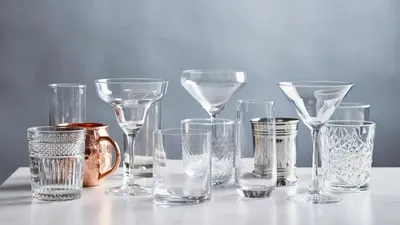
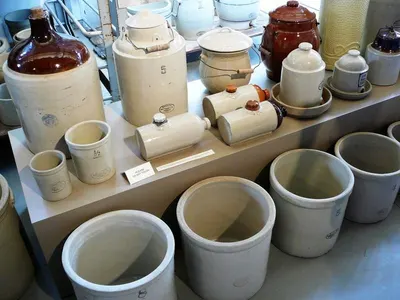
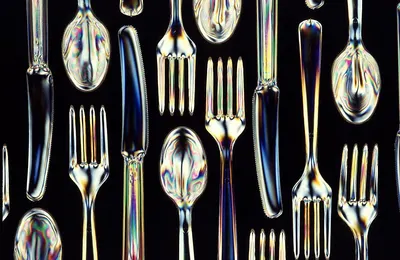
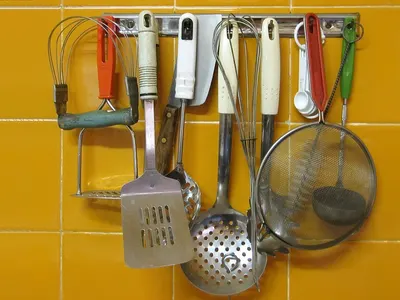
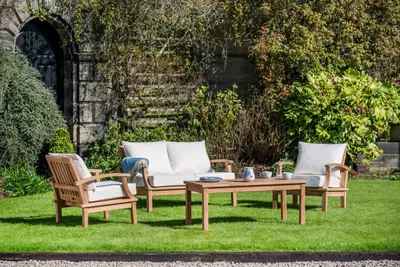
The six product lines offered by Ptgal Business, LDA cover typical specifications seen in European trade. Ceramics are generally produced as stoneware or porcelain with a glaze finish that meets lead‑free requirements; cutlery flatware is usually made from stainless‑steel grade 18/8 (304) with a polished or brushed finish; kitchen accessories include polymer‑based utensil holders, metal cutting boards and metal‑alloy storage containers; home accessories comprise decorative textiles and small décor items often conforming to ISO 1302 surface‑roughness standards; outdoor furniture is commonly fabricated from powder‑coated aluminium or rust‑proof steel frames with load‑bearing capacities expressed in kilograms per seat; glassware consists of tempered soda‑lime glass drinking vessels measured in millimetres for rim diameter and wall thickness. In the broader market, buyers look for certifications such as CE marking for safety, ISO 9001 quality management, and REACH compliance for chemical safety, especially for glaze and metal coatings.
Industry norms for these categories include specific grades and testing protocols. Ceramics typically require compliance with EU Regulation 10/2011 for lead‑free glaze and are tested for water absorption and flexural strength (MPa). Cutlery must pass food‑contact migration tests and often carries NSF/ANSI 18 certification. Kitchen accessories made of polymers are evaluated for BPA‑free status and melting point, while metal components are checked for tensile strength (MPa). Outdoor furniture is tested for UV resistance, corrosion rate (g/m² per year), and wind load standards (EN 14988). Glassware is inspected for impact resistance (drop test height in cm) and clarity (ISO 1302 gloss units).
Trade and Export Information - Ptgal Business, LDA
Portugal’s export profile for household and decorative goods emphasizes the European Union, North America and the Middle East, where demand for high‑design ceramics, stainless‑steel cutlery and weather‑resistant outdoor furniture remains strong. The HS code families noted for Ptgal Business, LDA (6912, 8215, 7323, 6304, 9403, 7013) are routinely subject to customs inspections that verify origin certificates, conformity declarations and, where applicable, CE marking. Buyers typically request a Certificate of Origin, an EU‑wide REACH compliance statement, and a third‑party quality inspection report for each HS chapter. Packaging for these items follows standard export practices: ceramics and glassware are packed in double‑wall cartons with molded pulp inserts, cutlery and kitchen accessories are boxed in reinforced cardboard with metal separators, and outdoor furniture is shrink‑wrapped and palletised on Euro pallets for 20‑ft or 40‑ft container loading. Incoterms such as FOB Lisbon or CIF Mediterranean ports are common for these product groups.
Sourcing from Ptgal Business, LDA - Buyer Guidance
When sourcing from Ptgal Business, LDA, buyers should request material data sheets that confirm stainless‑steel grades for cutlery, glaze composition for ceramics, polymer specifications for kitchen accessories and the coating system for outdoor furniture. Verification documents normally include a CE Declaration of Conformity, ISO 9001 certification copy (if held), REACH compliance statements and a recent third‑party inspection report referencing the appropriate HS code. Samples should be evaluated for dimensions, finish, load‑bearing capacity (for furniture) and lead‑content (for ceramics and glassware) before confirming bulk orders. Minimum order quantities vary by product type, with typical thresholds of 500 pcs for cutlery, 200 pcs for ceramics, and one pallet (≈20 ft container) for outdoor furniture, and lead times range from 30 to 60 days after sample approval.
Frequently Asked Questions About Ptgal Business, LDA
What product categories does Ptgal Business, LDA list in its catalogue?
The supplier lists six categories: Ceramics, Cutlery Flatware, Kitchen Accessories, Home Accessories, Outdoor Furniture and Glassware. Each category corresponds to a distinct HS code family used for customs purposes.
Which HS codes are commonly applied to these products?
Typical HS chapters are 6912 for ceramics, 8215 for cutlery, 7323 for kitchen accessories, 6304 for home textiles, 9403 for outdoor furniture and 7013 for glassware. These codes are used by customs authorities to classify the goods.
What certifications are usually required for the stainless‑steel cutlery?
Buyers generally request a stainless‑steel composition certificate, food‑contact compliance such as NSF/ANSI 18, and a CE Declaration of Conformity. A recent quality inspection report referencing HS 8215 is also common.
What material specifications are typical for the outdoor furniture?
Portuguese outdoor furniture is often made from powder‑coated aluminium or rust‑proof steel, with UV‑stable finishes and a load‑bearing capacity of 150 - 250 kg per seat. Compliance with EN 14988 wind‑load standards is frequently required.
How is glassware packaged for international shipment?
Glassware is usually packed in double‑wall cardboard cartons with molded pulp inserts, placed on Euro pallets and loaded into 20‑ft containers. The packaging meets ISO 11607 requirements for breakage protection.
What documentation should be obtained for ceramic exports from Portugal?
Exporters typically provide a Certificate of Origin, a lead‑free glaze compliance statement under EU Regulation 10/2011, and a third‑party inspection report that references HS 6912. These documents support customs clearance and buyer quality assurance.




 , Portugal