PT. Agro Indo International — Verified Supplier
About PT. Agro Indo International - Coco Peat & Coir Pith Supplier in Indonesia
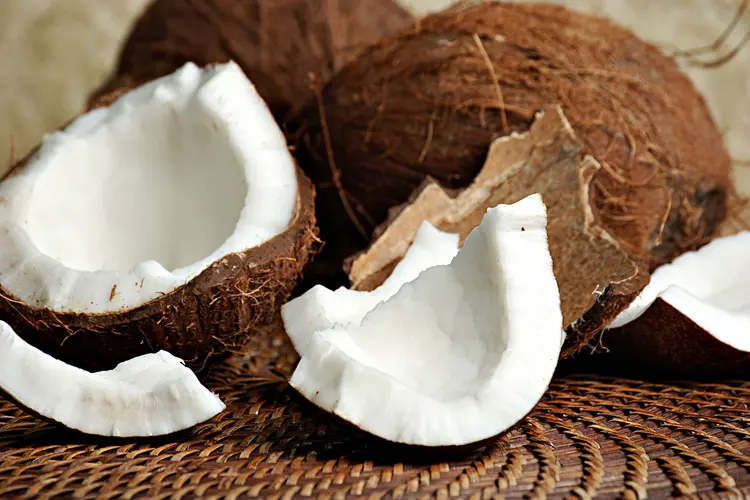
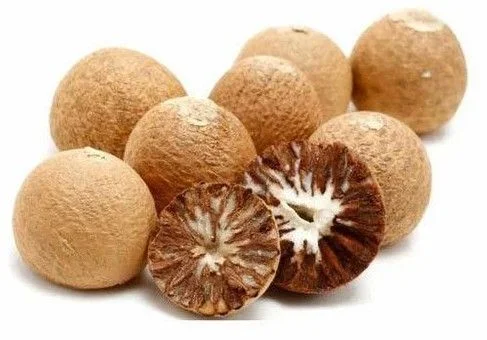
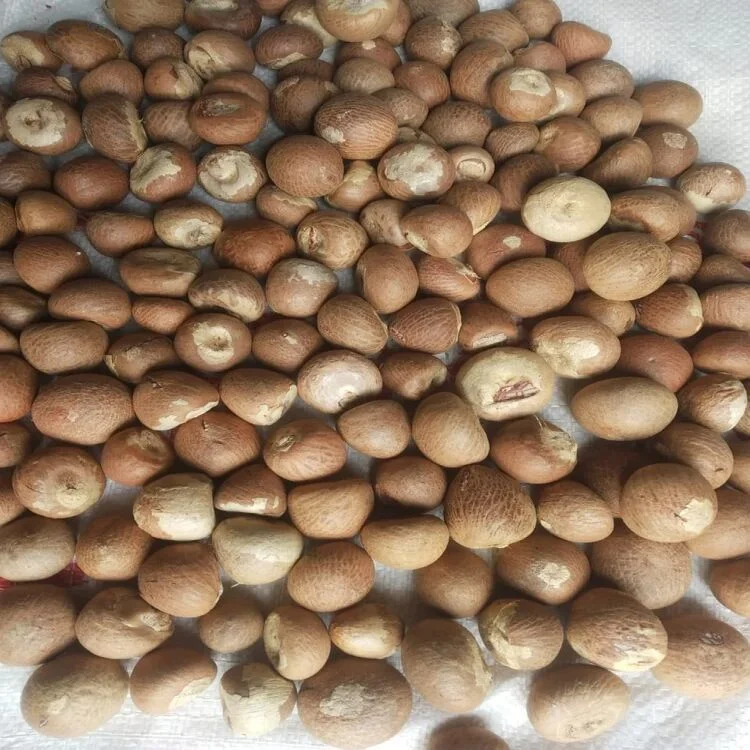
Indonesia hosts PT. Agro Indo International, which currently lists nine active products across coconut‑derived materials, betel nut, and eucalyptus oil. The catalogue groups items under five top categories: Coco Peat & Coir Pith, Betel nut, Semi‑husked Coconut, Desiccated Coconut, Fresh Coconut, and Eucalyptus Oil. Products include Coconut De‑Husked, Coconut Desiccated, Cocopeat Powder, Cocopeat Block, Frozen Betel Nut (HS 0802.80), Dried Betel Nut (HS 0802.80), Fresh Young Coconut, Cocopeat Bulk 1800 L, and Eucalyptus (Cajuput) Oil. Each entry follows the HS‑code families for coconut derivatives (typically 1212) and betel nut (0802.80). The supplier’s list reflects a focus on raw and minimally processed coconut and areca commodities for horticultural, food, and essential‑oil markets.
Product Range and Specialties of PT. Agro Indo International
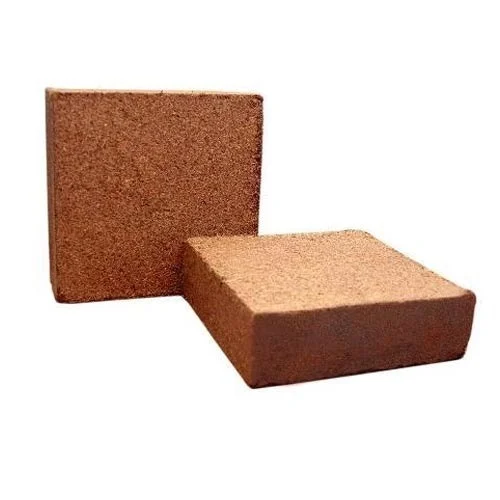
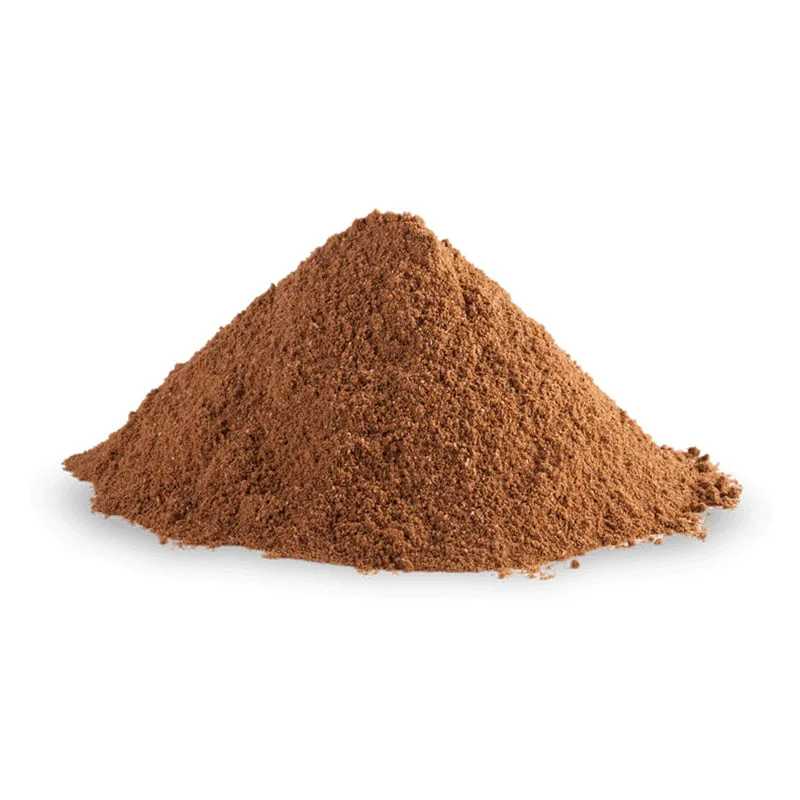
The catalogue provides both solid and bulk forms of coco peat, including powder, block and 1800‑liter bulk material, which are common substrates for nursery and hydroponic applications. In the broader industry, coco peat is graded by bulk density (0.15‑0.30 g/cm³), pH (5.5‑6.5), and moisture content (12‑14 %). Desiccated coconut is typically sold in 30‑50 % moisture, particle size 2‑4 mm, and conforms to food‑grade specifications such as ISO 22000. Betel nut products are exported under HS 0802.80; frozen nuts require -18 °C storage, while dried nuts are often graded by size (large > 12 mm) and moisture (< 6 %). Eucalyptus (cajuput) oil falls under HS 3301 and is usually assessed by oil content (≥ 70 %), iodine value, and GC‑MS purity profile.
Trade and Export Information - PT. Agro Indo International
Indonesia is among the world’s largest exporters of coconut by‑products and essential oils, supplying Asia, Europe and North America. HS 1212 covers coconut kernels and husked products, while HS 3301 applies to essential oils; both codes trigger phytosanitary certification and, where required, a Certificate of Origin for preferential duty treatment. Buyers typically arrange shipments in 20‑ft or 40‑ft containers, with bulk coco peat loaded in flexible intermediate bulk containers (FIBCs) and oil shipped in 200‑L drums. Common trade terms include FOB or CIF, and most importers request ISO 9001 quality management evidence, a phytosanitary certificate, and a laboratory analysis report for moisture and purity.
Sourcing from PT. Agro Indo International - Buyer Guidance
When sourcing coco peat, request a sample block and a technical data sheet stating bulk density, pH, moisture and particle size distribution. For desiccated coconut, ask for a recent Certificate of Analysis confirming moisture level, fat content and microbial limits (e.g., total plate count < 10 000 cfu/g). Betel nut orders should be accompanied by a phytosanitary certificate and, for frozen shipments, a temperature‑monitoring log. Eucalyptus oil buyers normally require a GC‑MS report showing major constituents (e.g., cineole ≥ 70 %) and an SDS. Verify that HS codes on commercial invoices match the product (0802.80 for betel nut, 1212 for coconut, 3301 for oil) and that the supplier can provide the standard export documentation before confirming the order.
Frequently Asked Questions About PT. Agro Indo International
What coconut‑derived products does PT. Agro Indo International offer?
The supplier lists Coconut De‑Husked, Coconut Desiccated, Cocopeat Powder, Cocopeat Block, Fresh Young Coconut and a bulk 1800 L Cocopeat product, covering both solid and bulk horticultural substrates.
Which HS codes are associated with the betel nut products?
Both Frozen Betel Nut and Dried Betel Nut are listed under HS 0802.80, the code for areca catechu seeds and nuts.
What specifications should a buyer check for coco peat blocks?
Typical specifications include bulk density 0.15‑0.30 g/cm³, pH 5.5‑6.5, moisture 12‑14 % and particle size 2‑6 mm; buyers should request a test report confirming these values.
How is Eucalyptus (Cajuput) Oil usually packaged for export?
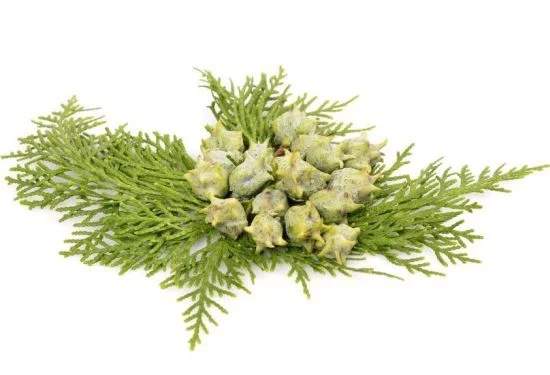
Export shipments commonly use 200‑L steel drums sealed with tamper‑evident caps; the oil is classified under HS 3301 and requires a Certificate of Analysis for oil content and purity.
What documentation is normally required for importing frozen betel nut?
Importers generally request a phytosanitary certificate, a temperature‑controlled transport log, and a commercial invoice that cites HS 0802.80.
What are typical container sizes for the bulk coco peat product?
Bulk coco peat (1800 L) is usually loaded in a 20‑ft container using flexible intermediate bulk containers (FIBCs) or in a 40‑ft container with multiple FIBCs to maximise volume.
Are there common certifications buyers should ask for from this supplier?
Buyers often request ISO 9001 or ISO 22000 compliance, a phytosanitary certificate for agricultural goods, and product‑specific test reports such as moisture content for coconut products or GC‑MS for essential oil.
What lead times are typical for these Indonesian export products?
Lead times vary by product but generally range from 30 days for bulk coco peat and coconut kernels to 45‑60 days for frozen betel nut, allowing time for processing, certification and container loading.




 , Indonesia